REVIEW · KATHMANDU
Gokyo Valley Trek
Book on Viator →Operated by Ace the Himalaya · Bookable on Viator
Snow giants and giant ice views, in one trek.
This 15-day Gokyo Valley trek links Kathmandu’s most meaningful Hindu and Buddhist sites to the Khumbu region, then pushes you up to Gokyo Ri for sweeping views of Everest-region peaks and the huge Ngozumpa Glacier. You’ll also spend time among Sherpa villages, not just pass through them on autopilot.
I like how the plan builds altitude gradually, with a dedicated acclimatization day in Namche Bazaar and a steady rhythm of climbs and descents. You’ll also get a real support setup: a licensed English-speaking guide and a porter ratio of 1 porter per 2 clients, plus included basics for sleeping comfort on the trek.
The main drawback to plan for is altitude and weather: you’re going to be at very high elevation (including a steep morning climb to 5,483 m), and the Lukla flight schedule can be sensitive to conditions. If you’re not okay with cold mornings, slow steps, and possible route adjustments, this might feel like a long slog instead of a dream trip.
In This Review
- Quick hits before you commit
- Gokyo Valley: the views you came for (and what’s different here)
- Kathmandu pre-trek days: temples, stupa rounds, and getting paperwork handled
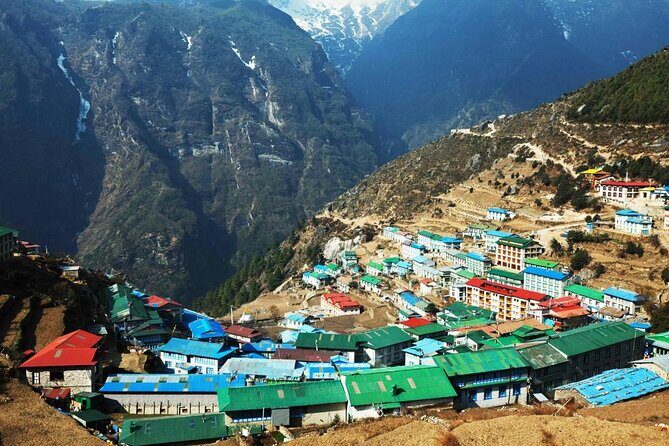
- Lukla to Phakding and Namche Bazaar: bridges, sherpa villages, and altitude boot camp
- Acclimatization in Namche and the climb to Phortse and Machhermo
- Two nights in Gokyo: where the Ngozumpa Glacier becomes your daily view
- Gokyo Ri at sunrise and the return through Dole and Khumjung
- Where you stay and what to pack for cold nights
- Price and logistics: what $1,514.67 buys you (and what it doesn’t)
- Kathmandu spare day and the final send-off
- Should you book this Gokyo Valley Trek?
- FAQ
- Where do we meet, and what time does the trek start?
- How long is the Gokyo Valley Trek?
- How big is the group?
- What travel gear is included for the trek?
- Are flights included?
- What is not included in the price?
- What if poor weather affects the trek?
- What is the cancellation policy?
Quick hits before you commit
- Gokyo Ri payoff at 5,483 m: a steep early climb with wide views of Everest-region giants and the Ngozumpa Glacier.
- Ngozumpa Glacier is the star: you get “up close” glacier time from the Machhermo area onward.
- A full acclimatization day in Namche Bazaar: museum visit plus a hike near Syangboche Airport and the Everest View Hotel area.
- Two nights based in Gokyo: not just a one-night stop—enough time for sightseeing and shorter hikes around Gokyo.
- Support that actually matters: licensed guide, porters (1 per two), and a small group capped at 15.
- Included Kathmandu culture days: Pashupatinath, Boudhanath, and Bhaktapur Durbar Square with entrance fees handled.
Gokyo Valley: the views you came for (and what’s different here)
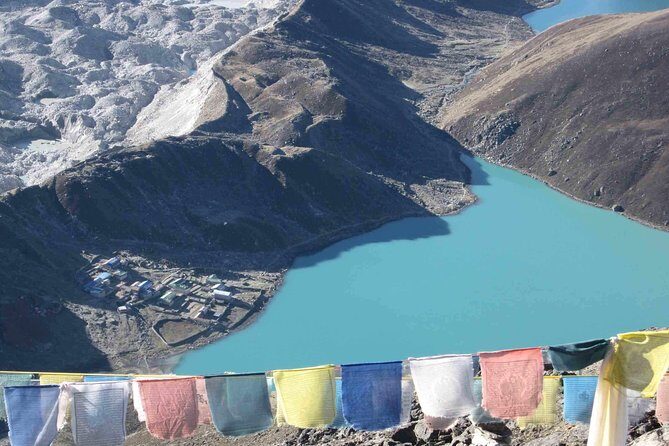
Gokyo Valley is one of those Everest-region routes where the scenery feels bigger because the glacier is the main event. From the Ngozumpa Glacier and the ice ridges between Cho Oyu and Gyachung, your eyes keep finding new angles—snow walls, frozen slopes, and peak silhouettes that keep changing as you move uphill.
What I like about this route is that it doesn’t treat views like a quick photo stop. You’ll spend multiple days in the heart of the Khumbu lift-off zone: Namche Bazaar to get your bearings, Phortse and Machhermo as the climb conveyor, and then Gokyo as your base. By the time you reach the morning push to Gokyo Ri, you’ve already put in the work to make the altitude feel less like a random jump.
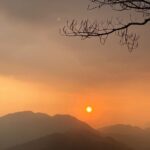
For many trekkers, the emotional highlight is simple: you wake up in the high Himalayas and then go chase a sunrise view. This trek is built around that moment, but it also gives you normal trekking days that are scenic and varied, so you’re not just white-knuckling your way to one payoff.
You can also read our reviews of more hiking tours in Kathmandu
Kathmandu pre-trek days: temples, stupa rounds, and getting paperwork handled
You start in Kathmandu with airport pickup and a hotel transfer in a private vehicle. There’s a clear welcome system—an airport representative meets you at Tribhuvan International Airport and helps you get to your Kathmandu base.
Day 1 also includes a pre-trek meeting (either Day 1 or Day 2). This is where you meet your trek leader/guide, and it’s also where you’ll confirm details: bring your passport, three copies of passport-size photos, and a readable copy of your travel insurance policy. You’ll also clear any remaining balance (if applicable) and sign a legally binding trip form plus a non-liability disclaimer. It’s paperwork, yes—but in a high-altitude region, getting this stuff done early is part of staying calm later.
Day 2 is classic Kathmandu, but with real purpose:
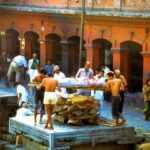
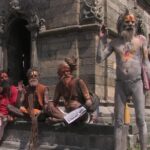
- Pashupatinath Temple on the Bagmati River, where you can’t go inside (strictly for Hindus), but you can watch activity and view the pagoda temple from the eastern bank.
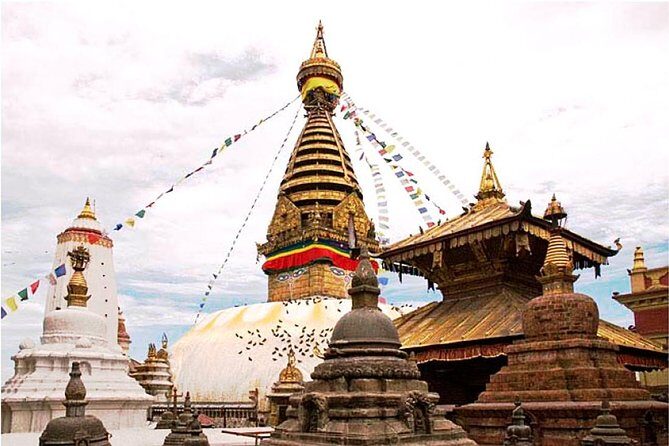
- Boudhanath Stupa, one of the holiest Buddhist sites in Kathmandu, famous for pilgrims spinning prayer wheels.
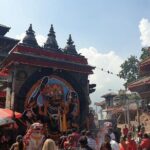
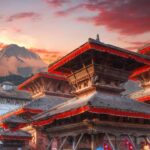
- Bhaktapur Durbar Square, including major pagoda-style structures like Nyatapola and other historic buildings such as the Palace of 55 Windows.
If you like travel days that feel like culture and preparation, this combo works well. It also helps you get over flight anxiety before your first big mountain day.
Lukla to Phakding and Namche Bazaar: bridges, sherpa villages, and altitude boot camp
Getting to the trek starts with a short scenic flight from Kathmandu to Lukla (about 35 minutes). When you land, your guide briefs you and introduces your porters, and then you take a bit of time to settle while the Sherpa crew sorts and loads trekking gear.
The trek itself begins with a descent toward the Dudh Kosi River, then you join the main trail toward Namche Bazaar. The walking is described as easy early on, and you’ll pass through small settlements like Ghat before reaching Phakding. For many people, this first trekking day matters more than it sounds: it’s your “pace calibration.” It tells you how your body handles altitude while you’re still fresh enough to enjoy the scenery.
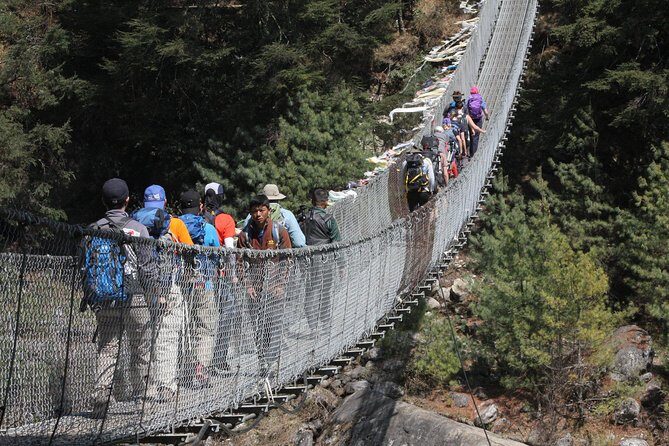
Day 4 is where Namche Bazaar starts to feel real. You’ll cross suspension bridges over the Dudh Kosi with prayer flags, then the trail climbs steeply as you enter Sagamartha National Park. Once you arrive, Namche is your main hub: lots of lodges and restaurants, shops, money exchange, and even internet cafes and bakeries. It’s called the Gateway to Everest for a reason—people come here to acclimatize, plan, and rest.
I like having a night in Namche because it’s not just a stop. It’s a place where you can get your supplies and reset your mind before the next push upward.
Acclimatization in Namche and the climb to Phortse and Machhermo
This trek includes a full acclimatization day in Namche Bazaar, and that’s smart. Rather than forcing you to do hard mileage, you get a museum visit focused on Sherpa customs and a hike near Syangboche Airport, by the Everest View Hotel area. The payoff is the possibility of rewarding panoramic views at sunrise and sunset over the Khumbu peaks—conditions can vary, but the hike itself is designed to help your body adjust.
After that breathing room, the route steepens. Day 6 takes you toward Phortse through rhododendron forests, juniper, and conifer trees as elevation increases. You also get those “new views” moments as Khumbi La and Tawache appear in the distance during the day’s climb.
Day 7 pushes you further toward the glacier zone. You climb a ridge for views down the valley toward Kengtega and up toward Cho Oyu, then descend to a river and climb again toward the terminal moraine of the Ngozumpa Glacier. This is the day when the trek starts to feel like you’re transitioning from village life into glacier country. Reaching Machhermo (Machherma) by early afternoon gives you time to settle before the altitude starts demanding more attention.
The biggest consideration here is not just “how steep” but how your body responds. If you take the acclimatization day seriously—slow pace, hydration, early nights—you’ll be glad later when the cold mornings start.
Two nights in Gokyo: where the Ngozumpa Glacier becomes your daily view
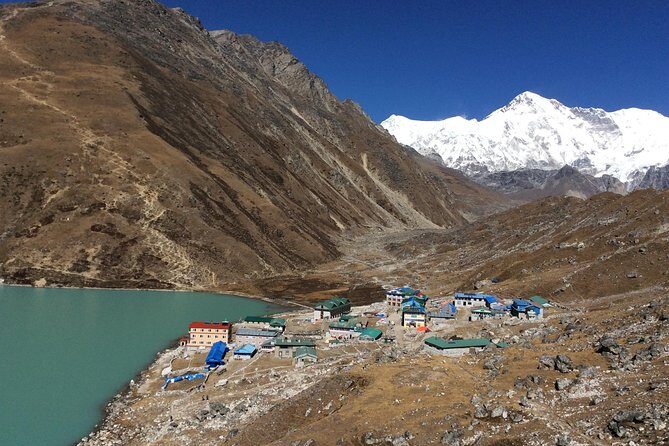
On Day 8 you arrive in Gokyo (about 4,790 m), and the trek becomes more focused. Gokyo is your base for two nights, which is a big deal. Instead of sprinting through the area, you get a chance for short sightseeing and hikes around Gokyo itself.
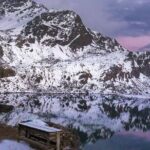
This part of the trip is where the earlier climbing starts paying dividends. As you get higher and closer to the Ngozumpa Glacier, you notice how the ice and rock form ridges and lines that don’t look the same from every angle. The overview highlights a tremendous ice ridge between Cho Oyu and Gyachung—on this route you’re in the right neighborhood to actually understand why that detail is famous.
I also like that Gokyo gives you a buffer day before the big morning climb. Even though the trek still has effort, having two nights helps you avoid the burnout that happens when every day is a countdown.
And yes, the air feels different here. Your steps slow down. Your body asks for patience. That’s normal. The plan here respects it with rest time and sensible transitions.
Gokyo Ri at sunrise and the return through Dole and Khumjung
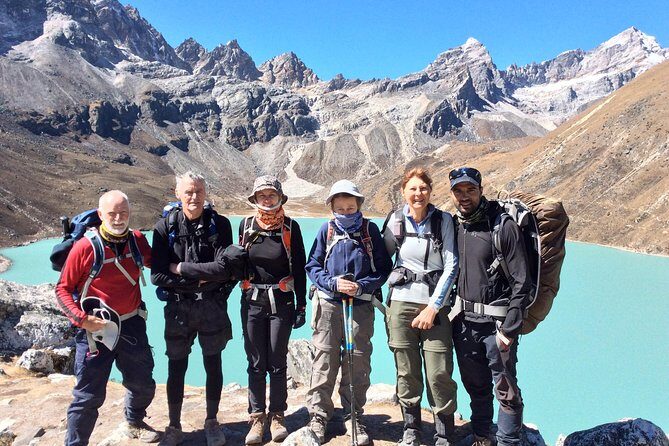
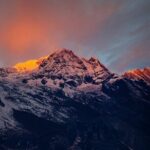
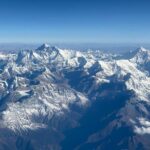
Day 9 is the headline: an early steep climb to Gokyo Ri (5,483 m). You’re not going for casual views—you’re going for panorama. The reward is a wide sweep of the super Gokyo valley, the massive Ngozumpa Glacier, and a broad view of Khumbu Himalayas including Everest, Lhotse, Nuptse, Makalu, Cho-Oyu, and Gyachung Kang.
If weather is clear, this is the moment where the trek feels worth it. But even with clouds, you still gain something important: you learn the shape of the mountains and how the glacier sits in the larger system of peaks.
After that big day, the return is long but manageable because it’s downhill work and retracing. Day 10 drops you to Dole. Day 11 brings you down through a typical Sherpa village of Khumjung, with a clear shift in scenery as you descend back toward Namche Bazaar. By Day 12, you’re back in Lukla, spending time reflecting as a group and also having a chance to explore the town a bit.
This return phase is where you’ll feel the trek in your legs. It can be tempting to rush. I’d resist that. Slow and steady downhills protect your knees and make the last part feel less like punishment.
Where you stay and what to pack for cold nights
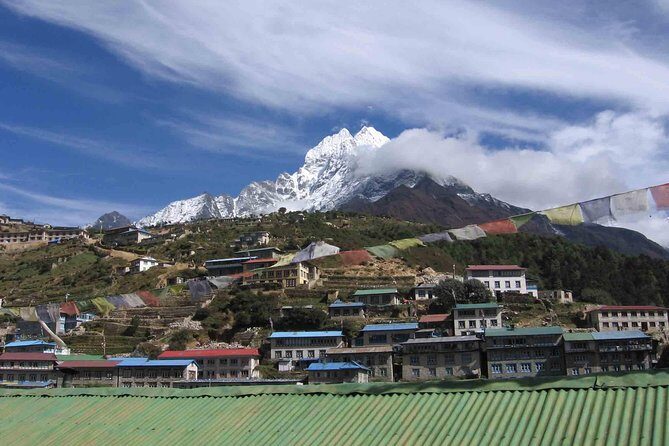
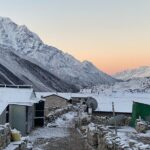
Expect a mix. In Kathmandu you’ll have twin-share/double rooms in three-star hotels for 4 nights, with guided sightseeing and entrance fees included. On the trek, it’s guesthouse accommodation in twin-share and dormitory rooms for about 10 nights. Mountain lodging is simple by design, so don’t expect hotel-style quiet and comfort—but the setups on this route are part of how they keep the trek moving smoothly.
Gear is handled in a useful way. The included items are a down jacket and sleeping bag for the trek (and you return them afterward). That’s a real value add if you’re traveling without cold-weather gear or don’t want to deal with bulky luggage. Still, personal trekking equipment is not included, so you’ll want to bring your own essentials like items for comfort and day-to-day trekking needs.
One more practical note: with a porter ratio of 1 porter per 2 clients, your pack weight should be more comfortable than an unsupported trek. That matters most on the steeper days—Phortse, Machhermo, and especially the early morning climb to Gokyo Ri.
Price and logistics: what $1,514.67 buys you (and what it doesn’t)
At $1,514.67 per person for about 15 days, the value is strongest if you count what’s included rather than comparing to “cheap” trekking-only prices.
What’s included: airport transfers, Kathmandu hotel nights, guided sightseeing, trekking permits, a licensed English-speaking trekking guide, and porters (1 per two clients). You also get Kathmandu–Lukla–Kathmandu airfare, plus the down jacket and sleeping bag for the trek. Meals are partly included, with breakfast listed for 14 days, dinner for 11 days, and lunch for 10 days. There’s also a free Ace the Himalaya duffel/kit bag and a sun hat, and group discounts are available.
What’s not included: travel insurance that covers emergency high-altitude rescue and evacuation, your Nepal entry visa, international airfare, alcohol and other drinks, lunch and dinner in Kathmandu, personal trekking equipment, and tips for trekking staff and drivers (tipping is expected).
For many people, this package is a clean middle ground: you’re paying for the parts that are expensive or stressful to DIY (flights, permits, guides, porters, cold-weather sleep gear, and the Kathmandu support). If you already have gear and can arrange everything yourself, you might save some money—but you’ll also take on risk and planning overhead.
Kathmandu spare day and the final send-off
After you return to Kathmandu on Day 13, you get a spare day on Day 14. That matters because your body will be relieved to have a non-trekking day. The options listed include extending to Chitwan jungle safari, rafting, Kathmandu Valley shopping, a scenic Everest flight, mountain biking, or other activities.
In the evening, you’ll have a farewell dinner at a traditional Nepalese restaurant with cultural performances. It’s a nice closer because you’re not immediately rushing into the next travel leg—you get to process what you just did.
Day 15 ends back at Tribhuvan International Airport for your departure.
Should you book this Gokyo Valley Trek?
Book it if you want a well-paced Everest-region trek that focuses on Gokyo Ri views and real time in Gokyo and the Ngozumpa Glacier area, with support that reduces guesswork. It suits you best if you have moderate fitness, you can handle cold mornings, and you’re willing to move at altitude with a patient mindset.
I’d think twice if you’re traveling only for short walking days or if weather-driven changes would stress you out. Lukla flights require good weather, and high-elevation trekking doesn’t like shortcuts.
One last tip: ask what gear you personally still need even with the down jacket and sleeping bag included. Then pack so your day-to-day comfort is covered. When your hands and feet are happy, the mountains feel more like a reward and less like a chore.
FAQ
Where do we meet, and what time does the trek start?
The meeting point is Tribhuvan Airport in Kathmandu, Nepal, and the start time is 8:00 am.
How long is the Gokyo Valley Trek?
The duration is listed as 15 days (approx.).
How big is the group?
This trek has a maximum of 15 travelers.
What travel gear is included for the trek?
The tour includes a down jacket and a sleeping bag for the trek (to be returned after the trek).
Are flights included?
Yes. Kathmandu to Lukla and then back to Kathmandu airfare is included.
What is not included in the price?
Not included are travel insurance that covers emergency high-altitude rescue and evacuation, international airfare, Nepal entry visa, alcoholic and hot/cold drinks, personal trekking equipment, and tips for trekking staff and drivers.
What if poor weather affects the trek?
This experience requires good weather. If it’s canceled due to poor weather, you’ll be offered a different date or a full refund.
What is the cancellation policy?
You can cancel up to 6 days in advance for a full refund (cancel at least 6 full days before the experience start time). If you cancel 2–6 days in advance, you get a 50% refund, and if you cancel less than 2 days before, the amount paid is not refunded.