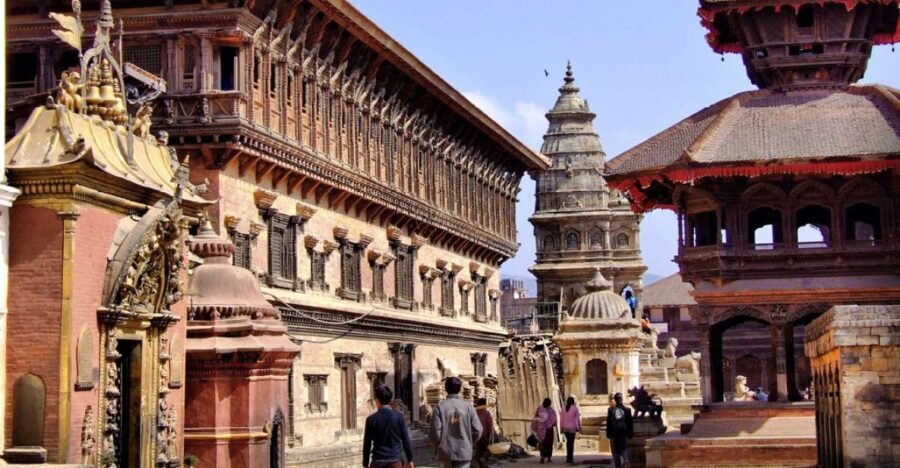
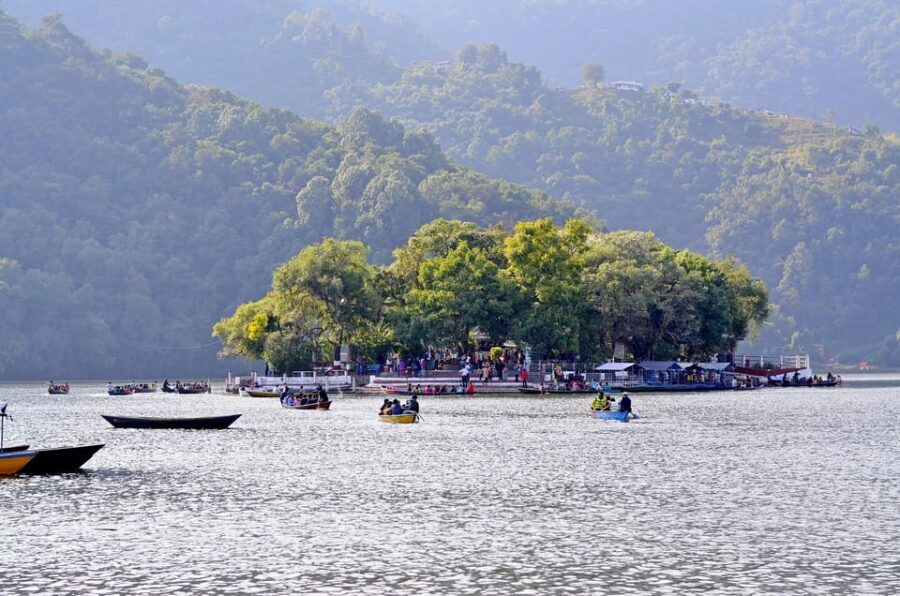
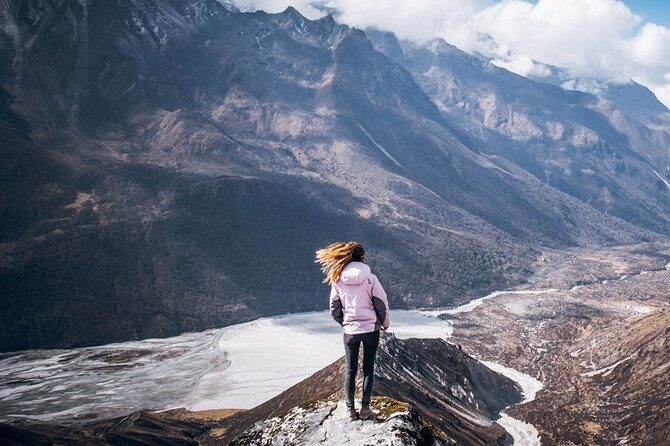
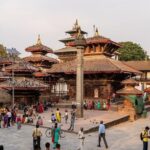
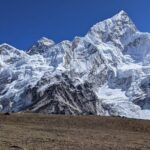
Lukla makes the whole thing real fast. This Everest Base Camp Trek takes you from Kathmandu to the Khumbu with a short scenic flight to Lukla, then layers in strong altitude habits like an acclimatization day around Dingboche and early mountain viewpoints toward Kalapathar. What I like most is that the trip is built around fewer planning headaches (permits, TIMS, and guided support), and the pacing is aimed at keeping you moving without rushing your body. The main consideration is weather: Lukla flights can be delayed or altered when clouds roll in, so you’ll want to stay flexible.
I also like how the company keeps the logistics practical. You get air tickets KTM to Lukla and Lukla back to KTM with a stated baggage limit, airport pickup/drop-off, and an oximeter in the first-aid kit for altitude monitoring. Plus, the itinerary mixes village trails with monastery stops and big-view days, so you get more than just a straight line to Everest Base Camp.
One more thing: this is not a sit-in-comfort trek. You’ll be walking 5–7 hours on most days, and you should come with a moderate fitness base, good trekking shoes, and a plan for cold nights.
In This Review
- Key takeaways before you go
- Why this Everest Base Camp trek feels like a real expedition
- Kathmandu: where your trek starts (and where you stay sane)
- The Lukla flight: short, noisy, and absolutely part of the story
- Lukla to Phakding: the first legs in Khumbu trekking country
- Namche Bazaar: altitude training with Sherpa village life
- Everest View Hotel and Khumjung Gompa: a culture-and-altitude combo
- Tengboche (Tyanbuche) and the monastery-view rhythm
- Dingboche acclimatization: where your body learns the new normal
- Dingboche to Lobuche: big ground, steady effort
- Gorakshep and Everest Base Camp: the moment you came for
- Kalapathar sunrise and the long return through the Khumbu
- Getting back to Lukla and flying to Kathmandu
- Price and logistics: is $1,940 good value for Everest Base Camp?
- What to pack so you don’t hate your life at 5,000m
- Who should book this trek?
- Should you book this Everest Base Camp trek?
- FAQ
- How long is the Everest Base Camp trek?
- Where does the trip start and end?
- What flights are included?
- Are permits and TIMS included?
- What kind of accommodation will I have on the trek?
- Are meals included?
- Is there an option for vegetarian or gluten-free food?
- What trekking gear is provided?
- What if flights to Lukla are canceled due to weather?
- Is a porter included?
Key takeaways before you go
- Lukla flight + guided trekking flow: The jump from Kathmandu to Lukla sets expectations for altitude and pace.
- Sagarmatha National Park setup handled: Permits, TIMS card, and required paperwork are included.
- Acclimatization is built in: Dingboche days and a peak visit help you adjust before higher ground.
- Kalapathar views are the finish line: You’ll work for sunrise and glacier views before descending.
- Guide support you can count on: Reviews mention guides like Jayaram checking oxygen, and Kul handling weather delays with smart rerouting.
Why this Everest Base Camp trek feels like a real expedition
The best Everest treks don’t just move your feet. They manage timing, altitude risk, and the small stuff you don’t want to handle alone at 5,000m-plus. This itinerary is set up for that, with an English-speaking local guide, optional Sherpa assistance depending on group size, and a first-aid kit that includes an oximeter for oxygen and pulse checks.
You’ll also feel the difference in how daily days are structured. The trek mixes longer valley walking with altitude days that make sense for acclimatization, then saves the heavy-view push for the end. If you’ve ever watched friends get exhausted on Everest treks because they went too hard too soon, you’ll appreciate that this one is built around step-by-step climbing rather than bragging rights.
One more value point: you get a lot of the “bureaucracy load” handled. TIMS, Sagarmatha National Park permits, and official charges are included, which usually means fewer surprises when you reach checkpoint country.
You can also read our reviews of more guided tours in Kathmandu
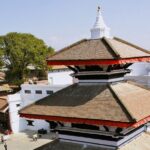
Kathmandu: where your trek starts (and where you stay sane)
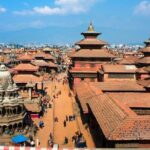
Your trip is centered out of Kathmandu, which matters because that’s where you’ll do the pre-trek checks: confirm flight timing, sort gear if you didn’t pack it well, and get your body ready for the jump to the Khumbu.
You’ll also have airport pick-up and drop-off included for getting to and from your Kathmandu hotel setup. That’s not glamorous, but it is the kind of comfort that helps you sleep and eat better before trekking starts.
Vegetarian food is available if you ask ahead. There’s also mention of gluten-free options, which is helpful if your diet needs are more specific than just vegetarian.
The Lukla flight: short, noisy, and absolutely part of the story
Getting to Everest country usually starts with Lukla, and this trek includes flights KTM to Lukla and Lukla to KTM with a stated weight limit (10 kg for main baggage and 5 kg for hand per person).
You’re going for the scenic flight, but you’re also dealing with reality: Lukla flights are weather-dependent. In one review, heavy cloud grounded flights early on, and the guide (Kul) worked to make up time with longer walking days and additional acclimatization hikes when conditions allowed. That’s the mindset you want—someone ready to adjust rather than panic.
Practical tip: pack like your flight day matters, because it does. Even with duffels and gear support, you’ll want your key items accessible in your hand. Warm layers, rain protection, sunglasses, and basics like lip balm go first.
Lukla to Phakding: the first legs in Khumbu trekking country
After landing in Lukla, you trek to Phakding. This day is a classic “wake-up” stretch: not too technical, but enough walking to get your rhythm.
What you’ll like here is the gradual entry into the Sagarmatha National Park hiking environment. You’re moving while your body learns what breath feels like at altitude. It’s also a good day to practice your trail routine: consistent pace, small water sips, and short breaks without fully freezing.
A minor drawback: your first trekking day can feel longer than expected if you’re anxious about the flight or if you didn’t sleep well in Kathmandu. Take it easy, even if everyone else seems to cruise.
Namche Bazaar: altitude training with Sherpa village life
Next is Namche Bazaar, reachable via trail through Sagarmatha National Park. This is where the trek starts to feel like a place, not just a route. Namche has the services you’ll want later—rest, supplies, and a sense of what the Khumbu community looks like.
This is also where acclimatization starts in real terms. Even if the itinerary’s days look scheduled, the altitude rule still applies: you’re meant to gain elevation slowly, with time for your body to adjust.
If you’re worried about altitude, Namche is where you’ll notice the difference between normal effort and higher-effort effort. It’s not just breath—sleep and head comfort can shift too.
You can also read our reviews of more hiking tours in Kathmandu


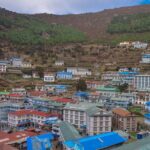

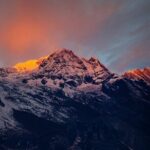
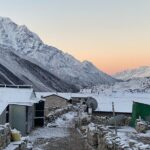
Everest View Hotel and Khumjung Gompa: a culture-and-altitude combo
One of the most interesting parts of this trek is the day trip to areas around Everest View Hotel and Khumjung Village, including a visit to Khumjung Gompa.
This is a smart break from pure trekking miles. You get a change of pace and a chance to see how Sherpa culture and religious sites sit alongside the climbing world. It also gives you viewpoint time without the same strain as a full on higher-day hike.
Drawback to consider: day trips still pull altitude into the day. Even if it feels lighter than a long trail day, you’ll still want to drink water, move steadily, and not overdo it with extra side climbs.
Tengboche (Tyanbuche) and the monastery-view rhythm
From Namche, the trek heads toward Tengboche (also commonly called Tyangboche/Tyanbuche depending on spelling). The trail passes through villages like Pangboche on the way onward later, but Tengboche itself is the part you’ll remember: a mix of prayer flags, community life, and big-sky mountain visuals.
This day is often the one where people start feeling emotionally attached to the route. The views aren’t just pretty; they help you understand why this whole region draws climbers from everywhere.
One practical note: bring layers even when it looks mild in the village. Temps swing fast in the mountains, and monastery areas can be windy.
Dingboche acclimatization: where your body learns the new normal
The trek continues to Dingboche, then uses a key acclimatization day to visit Nangkartshang Peak (about 5,615m).
This is the kind of day that makes the rest of the itinerary safer and more comfortable. You’re not just trekking to reach a postcard. You’re walking uphill with a purpose: get the altitude adaptation benefits before you go even higher.
You’ll feel the difference if you’ve done less careful treks before. People who rush straight upward often pay for it later. A planned acclimatization day gives you a better chance to enjoy the later days instead of grinding through them.
If you want a signal you’re in good hands: a review mentions guide Jayaram checking blood oxygen levels each day. Combined with the included oximeter in the first-aid kit, it’s a reminder that altitude monitoring is part of the practical support system.
Dingboche to Lobuche: big ground, steady effort
From Dingboche you go to Lobuche, trekking via Thulkla. This is where the mountains feel more intense. The trail is still manageable, but you’ll notice you’re walking in colder air and with less room for mistakes.
This is also where pacing matters most. Don’t chase speed. If you feel like you’re breathing hard, slow down right away. It’s better to arrive a bit later with energy than arrive early and drained.
Gorakshep and Everest Base Camp: the moment you came for
Day-by-day, this trek builds toward the Everest Base Camp area, and the push starts at Gorakshep. From there, you hike to Everest Base Camp and toward Kalapathar views.
You’ll likely feel a mix of awe and exhaustion. Base Camp is special because it’s both a destination and a working zone—people talk about it like a finish line, but on the ground it’s a base for the larger climbing mission.
Practical tip: keep your camera and layers ready for fast changes. The wind can change everything from one minute to the next. Also, plan time for the stop-and-breathe moments. Even if you feel okay, altitude can surprise you late in the day.
Kalapathar sunrise and the long return through the Khumbu
One of the strongest endgame days here is the early climb to Kalapatthar for a sunrise view, including sights like Mount Everest, the Khumbu Glacier, and the Khumbu Icefall. The climb is listed as about 2 hours for that sunrise push, followed by a descent to Pheriche.
This is also why you come back down from the highest viewpoints. After sunrise, you’re tired, and you’ve still got real walking ahead. The good news: the following days retrace familiar ground, moving back toward Namche Bazaar and then Lukla.
If weather changes your original plan on the way up, this endgame is where you’ll want trust in your guide and flexibility in your expectations. A review highlighted that guide Kul can adjust when Lukla flights get grounded by clouds—often by extending walking days and adding acclimatization hikes. That kind of planning mindset matters.
Getting back to Lukla and flying to Kathmandu
The final trekking days take you from Namche back to Lukla, then you fly to Kathmandu (about 30 minutes).
This is the part I like least in theory and like most in reality: by the time you’re flying home, you’re not just tired. You’re relieved you did it safely. The transfer included in the overall package helps you close the loop cleanly.
Price and logistics: is $1,940 good value for Everest Base Camp?
For $1,940 per person over roughly 12 days, the value is strongest if you’d rather not manage the setup yourself.
Here’s what you can treat as “real included value”:
- Flights KTM–Lukla–KTM with a stated baggage limit
- Sagarmatha National Park permits and TIMS card
- Meals: breakfast (12), plus lunch (3) and dinner, with tea/coffee in a cup each meal on the trek
- Accommodation: private mountain rooms with twin-share beds and shared toilet
- First-aid support including an oximeter
- Airport pickup/drop-off in Kathmandu
- Trekking map, plus a duffle bag and gear support such as down jackets and a sleeping bag if needed
What isn’t included (so you can budget without guessing):
- Mineral water and many personal snacks like chocolate or dessert
- Phone calls, laundry, hot shower
- International airfare and visa fee
- Travel insurance and any evacuation coverage (compulsory)
- Tips (for guide/porter) and personal expenses
One practical note: a porter is not included between every two people. The listing explains porter service (max 20–25 kg), but it’s in the not-included portion, so you’ll want to decide if you want to add that kind of weight relief.
What to pack so you don’t hate your life at 5,000m
You’ll be walking most days, then sleeping in cold conditions. Gear matters.
Based on what’s included, you might not need to bring everything, but you should still pack smart:
- Warm layers for mornings and high wind at viewpoints
- Rain protection (mountain weather can change quickly)
- Solid boots and socks you trust
- Sunglasses and lip protection
- A small daypack for water, snacks, and layers
Even with the option for down jackets and sleeping bags if needed, you still want to bring your personal comfort items. I’ve found the small things are what keep the mood steady when it’s cold and you’re tired.
Who should book this trek?
This fits best if you:
- Want guided support with permits and TIMS handled
- Prefer a paced itinerary with acclimatization instead of nonstop climbing
- Are comfortable with walking 5–7 hours most days
- Are open to basic mountain accommodation (twin-share rooms, shared toilet)
It may feel like hard work if you:
- Have limited trekking experience and need a gentler schedule
- Are not willing to handle cold mornings and long walking days
- Need fully private facilities (the accommodation style is private rooms, but toilets are shared)
Vegetarian and gluten-free options are available if you request them in advance, which is a real plus if you have dietary constraints.
Should you book this Everest Base Camp trek?
I’d book this if you want a structured Everest Base Camp experience where the important parts are handled: permits, timing, guided support, and an altitude-aware approach that includes oxygen monitoring tools. The route also gives you more than just Base Camp; it threads in Namche life, monastery country, and the big-view finish at Kalapathar.
I’d think twice if your schedule is tight and you can’t handle possible delays from Lukla weather. In that case, Everest can still be done, but you’ll need extra patience and flexibility than you might want.
If you’re ready for a serious walking adventure with strong guidance, this one is a solid choice.
FAQ
How long is the Everest Base Camp trek?
The trek is listed as 12 days approximately.
Where does the trip start and end?
The program is centered around Kathmandu, Nepal, with trekking beginning after flights to Lukla and ending back in Kathmandu.
What flights are included?
Air tickets from KTM to Lukla and Lukla to KTM are included, with a listed baggage limit of 10 kg main baggage and 5 kg hand per person.
Are permits and TIMS included?
Yes. The necessary paperwork and trekking permit for Sagarmatha National Park are included, along with a TIMS (Trekkers Information Management System) card.
What kind of accommodation will I have on the trek?
You’ll get private mountain accommodation with twin-bed sharing and a shared toilet.
Are meals included?
Yes. The package includes three times meals during the trek (breakfast, lunch, dinner), plus tea and coffee in a cup each meal, along with supplementary snacks like cookies and fresh fruits.
Is there an option for vegetarian or gluten-free food?
Vegetarian options are available if you advise at booking. Gluten-free foods are also mentioned as available.
What trekking gear is provided?
The trip includes trekking equipment support such as a duffle bag, and it lists items like down jackets and sleeping bag if you need them.
What if flights to Lukla are canceled due to weather?
The information notes that if flights are canceled, a charter helicopter or plane may be arranged.
Is a porter included?
A porter is listed under not included. The porter description says a porter can carry up to 20–25 kg between every two people, but you should expect to arrange or pay for porter service separately.