REVIEW · KATHMANDU
Langtang Valley Trek – 11 DAYS
Book on Viator →Operated by Alpine Club of Himalaya · Bookable on Viator
Langtang can feel both close and massive. This 11-day trek takes you from the Tamang villages near the Tibetan border up to Kyanjin Gompa and then toward big viewpoints like Tsergo Ri, while you hike through pine, rhododendron, and bamboo forests. You also get a cultural layer beyond scenery: monasteries, mani walls, prayer flags, and everyday village life shaped by Tibetan Buddhism.
What I like most is the professional, responsive team support before and during the trek. Names show up clearly in feedback from the same company network—Sujan (MD) and guides such as Nima, Pemba, and Njima—so you know you’re working with people who can explain, adjust, and keep things running. The other real win for me is the practical setup: you’re not carrying logistics on your own, with an English-speaking guide, a porter system (2 trekkers share 1 porter), lodge/guest-house stays, and trek meals handled day by day. The one possible drawback to weigh is that Tsergo Ri reaches 4,984m and includes a tough 5-hour climb, so you’ll want steady legs and a patient pace even if the rest of the route feels “easy.”
If you’ve wanted a rewarding mountain trip without a high-technical grind, this hits a sweet spot. You’ll get classic Langtang Valley scenery, a real sense of place in the Tamang communities, and enough altitude variety to feel like you traveled—without being stuck at extreme elevations all week.
In This Review
- Key highlights worth planning for
- Kathmandu warm-up: Durbar Square, stupa evenings, and a welcome dinner
- Getting to Syabrubesi: the Bhote Koshi bridge crossings start the real trek
- From rhododendron forests to Ghora Tabela and Thangshyap
- Kyanjin Gompa: acclimatize, explore the monastery area, and spot the icefall
- Tsergo Ri: a steep 5-hour climb with payoff views over Langtang Lirung and beyond
- The return down: Lama Hotel and Syabrubesi, same route, better perspective
- Back to Kathmandu: leisure shopping, farewell dinner, and an easy airport drop
- Price and value: what $1,399 covers and where costs often show up
- Difficulty, altitude, and how to pick the right pace
- Culture along the trail: Tamang life, monasteries, and small “human” moments
- Should you book this Langtang Valley trek?
- FAQ
- What is the starting point and where do I stay in Kathmandu?
- How do we get from Kathmandu to the trek area?
- Are permits included for the Langtang area?
- Is there a guide and porter?
- What sleeping arrangements are used on the trek?
- What meals are included?
- What is not included in the tour price?
Key highlights worth planning for
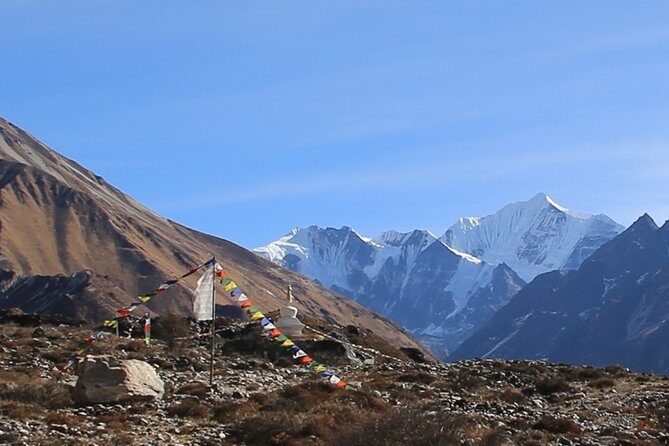
- Kyanjin Gompa to Tsergo Ri big-views payoff with Kyanjin Gompa at 3,860m and a viewpoint push to 4,984m
- Tamang village culture tied to Tibetan Buddhism as you pass monasteries, mani walls, and prayer-flag routes
- Local support named clearly in feedback (Sujan plus guides like Nima, Pemba, and Njima)
- Permits and core logistics included with TIMS and Langtang National Park permit sorted for you
- Lodge/guest-house trekking pace with breakfast, lunch, dinner, and tea/coffee during trekking
- Down jacket and sleeping bag provided (returned after the trek) for easier packing
Kathmandu warm-up: Durbar Square, stupa evenings, and a welcome dinner
Your trip starts in Kathmandu with an airport pickup and a standard 3-star hotel stay (3 nights total), with breakfast included. Day 1 is free time to get your bearings—use it to eat something familiar, charge your devices, and do a little last-minute shopping.
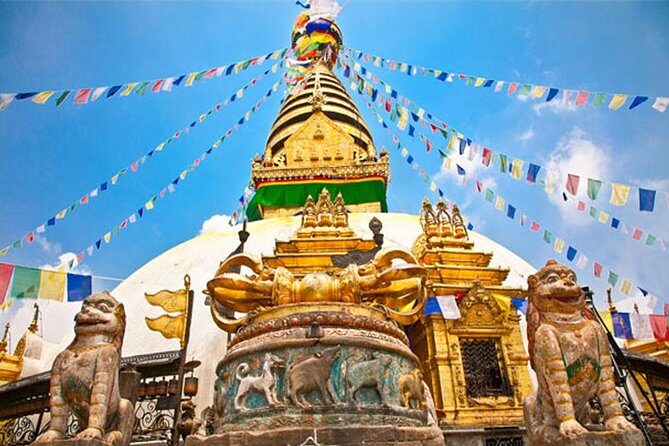
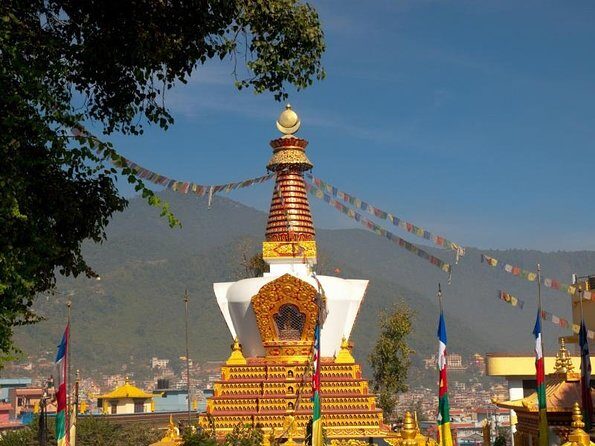
On Day 2, you get a half-day guided walk that hits the major spiritual and historic anchors of Kathmandu Valley. You’ll see Kathmandu Durbar Square for the Newari palace-architecture feel, then head toward Boudhanath and Swayambhunath where pilgrim energy is a big part of the experience. The day ends at Pashupatinath Temple, on the Bagmati River bank, and you’ll also have time for last-minute purchases before a welcome dinner.
Why I like this setup: it’s not just “see monuments.” It helps you understand the religions you’ll keep hearing about in the mountains—Hindu and Tibetan Buddhist influences are both part of Nepal’s everyday rhythms. If you’re prone to arriving tired, this is still a good day because it’s guided and you won’t have to figure out routes or timings alone.
You can also read our reviews of more hiking tours in Kathmandu


Getting to Syabrubesi: the Bhote Koshi bridge crossings start the real trek
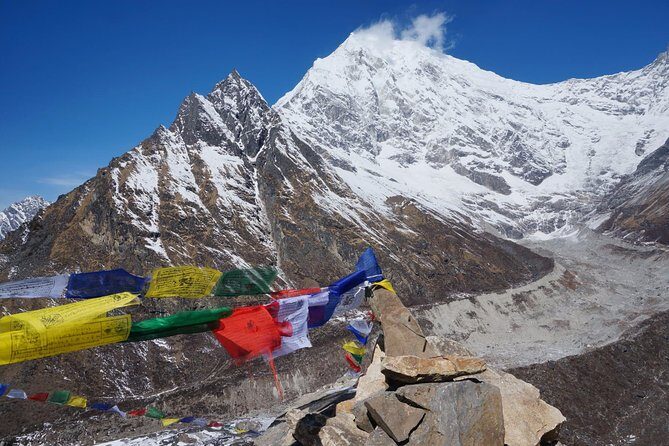
After breakfast on Day 3, you drive from Kathmandu to Syabrubesi (about 132 km). This is a classic way to shift gears: a long vehicle ride, then suddenly you’re in a trail system where the mountain work begins.
Day 4 is your first walking day in the valley. The route leaves the main road and heads north past a police post, then you cross a suspension bridge over the Bhote Koshi. From there, you take turns that keep you climbing into old Syabrubesi, including a visit to a small village monastery. Then it’s more crossings—back over the Langtang Khola bridge, a log bridge walk through trees and landslide areas, and another suspension bridge toward the waterfall area at Doman.
Practical note: day 4 is a “start moving” day. You’re not attacking a summit; you’re learning the rhythm—wading along streams, crossing bridges, and getting used to trail footing. If you’re nervous about trekking, this is a nice first taste because the valley is alive and varied, not just one long straight pull upward.
From rhododendron forests to Ghora Tabela and Thangshyap
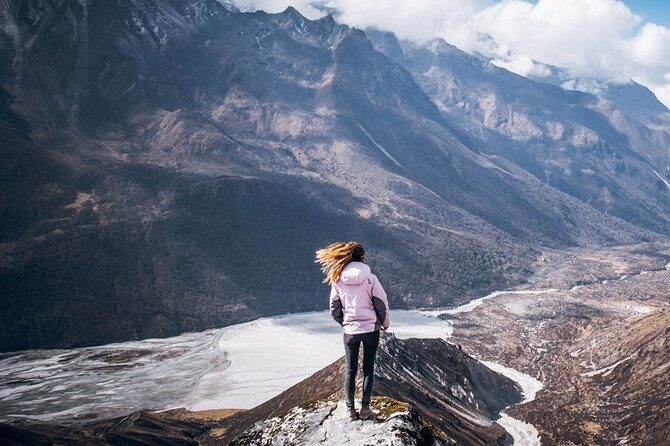
Day 5 is where the trek becomes more obviously mountainous. You climb through a steep forest of hemlocks, oaks, maples, and white and pink rhododendrons—so even if you’re focused on your steps, your eyes get something to do. The valley still feels close to the river, but you’ll start noticing a more open “U-shaped glacial” character as you head toward the middle part of Langtang Valley.
You’ll reach Gumanchok, cross a stream, and climb to a pass marked with prayer flags. From there you arrive at Ghora Tabela, which is now a Nepal Army and National Park Post. That’s a good checkpoint moment: you’re in a protected zone and your route is clearly managed.
Later in the day, the trail ascends gradually as the valley opens. You’ll pass a helipad area, yak pastures, and rhododendron forests, then hike toward Thangshyap. Along the way, your day includes the kind of variety I always recommend: a mix of steady climbs and shorter transitions, plus cultural touches like prayer-flag points and pastoral zones that don’t feel staged.
What to watch for: this is still “short and easy” compared to big Himalaya routes, but it’s a real trekking day. Expect cold mornings or cloud shifts in higher sections depending on the season, and plan to dress in layers you can adjust quickly.
Kyanjin Gompa: acclimatize, explore the monastery area, and spot the icefall
Day 6 brings you toward a major anchor of the trek: Kyanjin Gompa (3,860m / 12,665 ft). The route follows village sections, climbs a ridge topped by a large chorten, and passes mani walls—so you’re constantly moving through layers of meaning, not just moving through space.
As you near the Langtang Khola area again, you climb toward Yamphu, yak wool shop areas, and yak pastures. The trail then reaches a moraine viewpoint where you finally get a clear look at the monastery of Kyanjin Gompa and dramatic icefall features coming from Langtang Lirung and Kimshung.
Then you get something many people underestimate: time. This day includes acclimatization and exploration around Kyanjin Gompa, including access to the Nyingmapa school monastery before you settle in for the night.
This is a smart part of the trip design. Even though the trek is described as comfortably low elevation, you’re still moving higher. Spending time here helps you get used to thinner air before your big viewpoint push. If you rush straight to a summit-style day, the whole experience becomes harder than it needs to be.
Tsergo Ri: a steep 5-hour climb with payoff views over Langtang Lirung and beyond
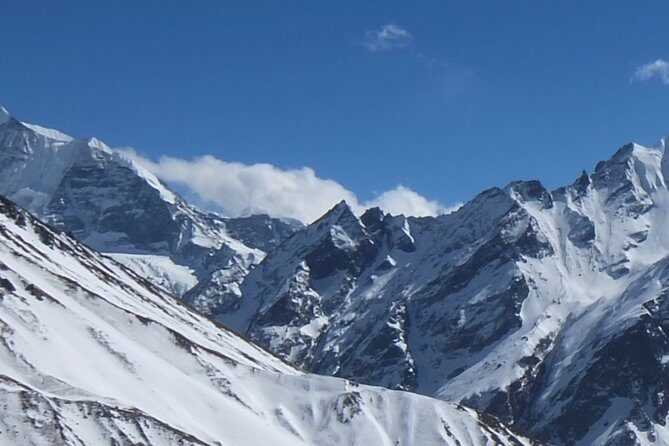
Day 7 is your tough day: a 5-hour climb from Kyanjin Gompa up to Tsergo Ri (4,984m / 16,353 ft). You start by taking the east trail toward Langshisha Kharka, cross a stream, and then branch left up a side valley marked by cairns. Expect steep switchbacks and a steady focus on the trail.
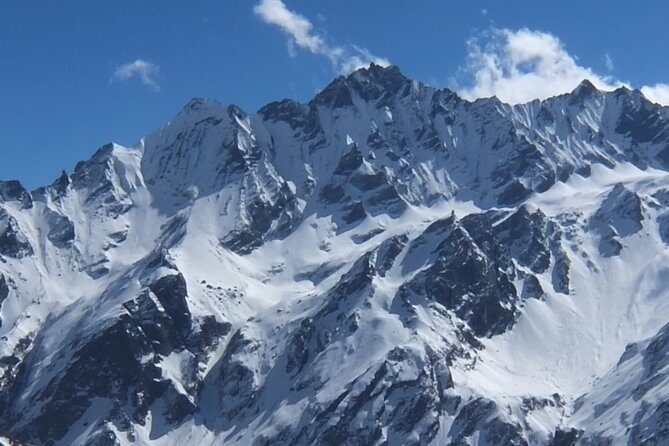
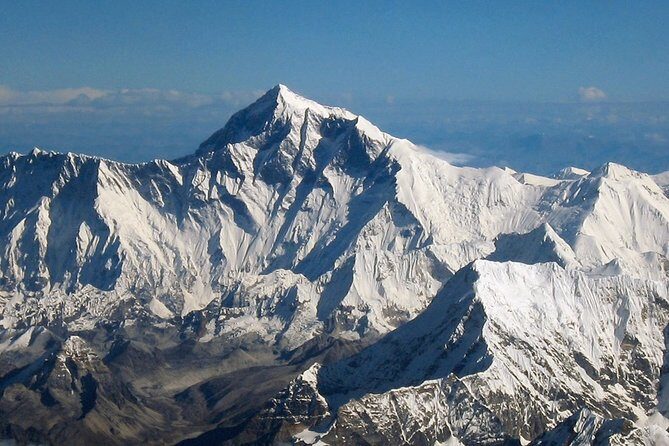
On the way, you pass stone huts of herders at Yala Kharka, then climb up to prayer flags on top of the viewpoint. Once you’re there, the payoff is the reason most people remember this trek for years: outstanding views of Langtang Lirung (7,246m) to the north, Gang Chhenpo (6,388m) and Naya Kangri (5,846m) to the south, plus Dorje Lakpa in the east.
Then you go back down to Kyanjin Gompa for the night. That’s important: even if you’re feeling strong at altitude, you’re still trading “summit time” for “getting home safely” time.
Tip I’d give you: keep your pace slow and consistent on the climb. You don’t need to sprint to enjoy the views. In thin air, controlled breathing is the difference between feeling okay and feeling miserable.






The return down: Lama Hotel and Syabrubesi, same route, better perspective
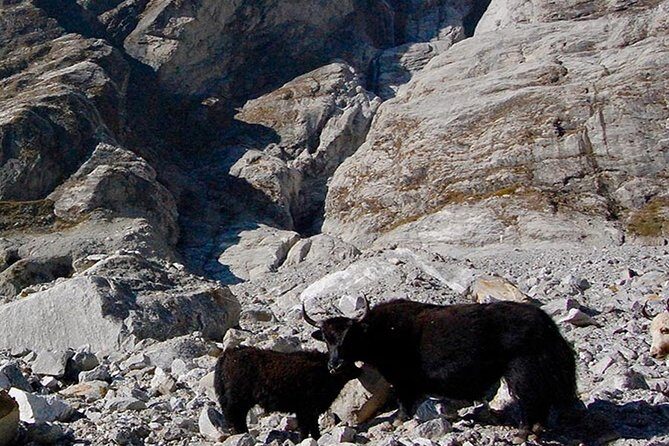
Day 8 takes you back down from Kyanjin Gompa to Lama Hotel. This kind of reversal does two things. First, it gives your legs a chance to recover from the steep ascent. Second, it changes how you see everything—crossings look familiar, forests feel calmer, and you start noticing details you rushed past earlier.
Day 9 continues the descent back toward Syabrubesi, retracing much of the earlier path. You’ll do the same “valley rhythm” work: crossing, walking through settlements, passing forests and streams again, and letting the day unfold without the pressure of a big viewpoint target.
A practical thought: this return stretch is when foot care matters most. Trekking poles can help your knees on descents, and you’ll feel better if you’re proactive about blisters—tiny issues become big issues when you’re tired.
Back to Kathmandu: leisure shopping, farewell dinner, and an easy airport drop
On Day 10, you drive back to Kathmandu. This is a leisure day you can use for gifts and souvenirs, plus downtime after days of walking. In the evening, you join a farewell where you can review photos and share what you saw.
Day 11 is straightforward: you get dropped at the airport for your onward flight. If you want extra time, there are options mentioned for extensions like national park game drives, rafting, mountain biking, and tours in nearby regions (including Tibet, India, or Bhutan), but your core trek is fully finished by then.
I like ending with community energy—photos and stories are an easy way to “land” the trip instead of immediately jumping into jet lag and logistics.
Price and value: what $1,399 covers and where costs often show up
At $1,399 per person, this trek is priced for people who want real support and fewer planning headaches. Here’s what you do get, based on what’s included:
- Airport/hotel pickup and drop by private car/van
- 3 nights in Kathmandu in a 3-star hotel with breakfast
- 7 nights in lodge/guest houses during the trek
- An English-speaking trekking guide plus a porter (2 trekkers per 1 porter)
- Breakfast, lunch, dinner, and tea/coffee during trekking
- Kathmandu welcome and farewell meals
- TIMS and the Langtang National Park permit
- Kathmandu to Syabrubesi round-trip by private jeep
- Down jacket and sleeping bag provided during the trek (returned after)
- ACH kitbag and a t-shirt
- Driver support with fuel/road taxes/parking
- Additional breakfast coverage listed for 10 breakfasts overall
What you should budget outside the price: Nepal entry visa fees, international airfare, travel insurance (including evacuation), tips for local staff, bar bills and personal expenses, and lunch in Kathmandu. It also doesn’t include desserts, mineral water, hot shower/hot water, or Wi-Fi—so plan your expectations around basic lodge comforts.
Is it good value? For most people, yes—because you’re buying guidance, permits, transport, and day-to-day meals. If you try to self-organize, it’s not the trail that’s hardest. It’s permits, logistics, and the little coordination gaps that turn into stress. This package handles a lot of that for you.
Also, the private setup matters. It’s a private tour/activity with your group only, plus group discounts. That can feel more personal than the big-truck option.
Difficulty, altitude, and how to pick the right pace
Even though this is framed as a short and easy trek, you still hike at altitude and you do one clearly hard day. The key altitudes: Kyanjin Gompa at 3,860m, and the viewpoint hike to 4,984m. That means cold air, thin breathing, and steeper steps on the climb.
The itinerary pacing is sensible for most “active but not mountaineering” travelers:
- Days leading into Kyanjin Gompa focus on getting there and acclimatizing.
- The big push to Tsergo Ri is scheduled after you’ve already reached the Kyanjin area.
- The final days are descent and recovery, not another summit day.
If you’re new to trekking, you’ll still want confidence walking on uneven paths and doing 5-hour climbs. If you’re already fit and used to hikes, you’ll likely enjoy this as a rewarding taste of the Himalaya without a technical headache.
Gear note: since a down jacket and sleeping bag are included (and returned after), you can travel lighter than usual. You’ll still want layers for mornings and evenings because those can feel sharp at higher elevation, even on calm days.
Culture along the trail: Tamang life, monasteries, and small “human” moments
Langtang isn’t just a mountain show. You pass Tamang villages where communities practice Tibetan Buddhism, speak Tibeto-Burman languages, and maintain traditions that connect this region to wider Himalayan culture. You’ll notice that most in small, tangible things:
- visits to monastery spaces
- prayer flags marking routes
- mani walls along paths
- chortens and village religious buildings
Even the trek “scenery” is really daily life made visible: yak pastures, herder stone huts at Yala Kharka, water-driven mills in the valley, and forest paths that wind close to where people actually live.
One reason this cultural thread matters: it helps you slow down. When you understand what you’re walking through, the trek feels less like movement and more like relationship—between trail, weather, and people.
Should you book this Langtang Valley trek?
Book it if you want a rewarding, mostly manageable trek that still gives you real altitude and major viewpoint payoffs. The Kyanjin Gompa base time plus the Tsergo Ri climb is a strong combination: you get both acclimatization and that top-of-world perspective over Langtang Lirung and surrounding peaks.
I’d also lean toward booking if you value support you can count on. Feedback for this company repeatedly highlights professional management and friendly guides, and names like Sujan, Nima, Pemba, and Njima come up—so you’re not hoping for a miracle guide.
Skip or reconsider if you’re uncomfortable with a steep 5-hour climb up to nearly 5,000m. Even with good pacing, that day is the physical boss fight.
If you’re still on the fence, there’s a practical safety net: cancellation is free up to 24 hours in advance of the start time. That gives you breathing room to book now and finalize later, assuming you’re watching your own travel calendar.
In plain terms: if you want a classic Langtang Valley experience with solid logistics and a cultural backbone, this is a smart choice.
FAQ
What is the starting point and where do I stay in Kathmandu?
You start in Kathmandu at the airport, with hotel check-in on Day 1. You stay 3 nights in Kathmandu at a 3-star hotel with breakfast included.
How do we get from Kathmandu to the trek area?
You drive from Kathmandu to Syabrubesi by private jeep, and you return to Kathmandu the same way at the end of the trek.
Are permits included for the Langtang area?
Yes. The trek includes a National Park permit and TIMS for Langtang.
Is there a guide and porter?
Yes. The tour includes an experienced English-speaking trekking guide and a porter. The porter arrangement is 2 trekkers per 1 porter.
What sleeping arrangements are used on the trek?
You stay 7 nights in lodge/guest house accommodations during the trek.
What meals are included?
During the trek, meals include breakfast, lunch, dinner, and tea/coffee. In Kathmandu, meals include breakfast, plus welcome and farewell meals.
What is not included in the tour price?
Not included are Nepal entry visa fees, international airfare and departure tax, travel insurance (including evacuation), tips for local staff, bar bills and personal expenses, lunch in Kathmandu, and extras like desserts, mineral water, hot shower/hot water, and Wi-Fi.