Early mornings, big body changes.
This 3-Day Ayurvedic Wellness Retreat in Kathmandu turns a standard spa break into a structured healing routine, with morning yoga and doctor-guided Ayurvedic treatments happening over three days. I like the focused flow: yoga to wake up, cleansing and therapies to reset, and time to rest without rushing. I also like the setting near Tarakeshwor-3, where the hill views help you go quieter inside fast. One possible drawback: the days start early (around 6:30 AM), so if you want slow mornings and late starts, you’ll need to adjust.
In This Review
- Key things to know before you go
- Kathmandu’s Hilltop Calm: Why the Setting Matters for Ayurvedic Work
- Price and What You’re Really Buying for $970
- Getting There: Ayurveda Health Home, Pickup, and a Convenient Starting Point
- Day 1: Yoga at 6:30 AM, Sensory Cleansing, and a Reset Lunch
- Morning yoga (6:30 AM – 7:30 AM)
- Sensorial cleansing and stimulation therapies (8:30 AM – 12:30 PM)
- Lunch and relaxation (1:00 PM – 2:00 PM)
- Day 2: Breakfast, Spinal Programs, and Ubatan Abhyanga
- Yoga again (6:30 AM – 7:30 AM)
- Breakfast (8:00 AM – 9:00 AM)
- Therapy block: spinal programs and Whole Body Ubatan Abhyanga (9:30 AM – 1:30 PM)
- Lunch break (2:00 PM – 3:00 PM)
- Day 3: Final Yoga, Siro Dhara, Head Abhyanga, and Herbal Tub Bath
- Final yoga (6:30 AM – 7:30 AM)
- Breakfast (8:00 AM – 9:00 AM)
- Final therapies (9:30 AM – 12:30 PM)
- Closing lunch and reflection (12:30 PM – 1:30 PM)
- Meals, Accommodations, and the Retreat Pace
- Doctors and Guidance: How to Ask Better Questions During Treatments
- What Treatments Feel Like in Real Life (Even If You’re New to Ayurveda)
- Who Should Book This Retreat (and Who Might Find It Too Much)
- Should You Book This 3-Day Ayurvedic Wellness Retreat in Kathmandu?
- FAQ
- How long is the retreat?
- Where does the retreat take place in Kathmandu?
- What does the retreat include?
- What treatments are included during the three days?
- Is this tour/activity private?
- What is the cancellation policy?
Key things to know before you go
- Daily yoga at 6:30 AM helps you match the retreat pace from day one.
- About 24 treatments spread across three days means lots of hands-on work, not just a couple of massages.
- Ayurveda Health Home (Nagarjun Center) is your base in Kathmandu’s Tarakeshwor area.
- Siro Dhara, head abhyanga, herbal tub bath show up on the final day for deep relaxation.
- Private, small-group feel: you’ll be in your own group, not mixed with strangers.
- Pickup within Kathmandu is included, which makes arrival and departure easier.
Kathmandu’s Hilltop Calm: Why the Setting Matters for Ayurvedic Work
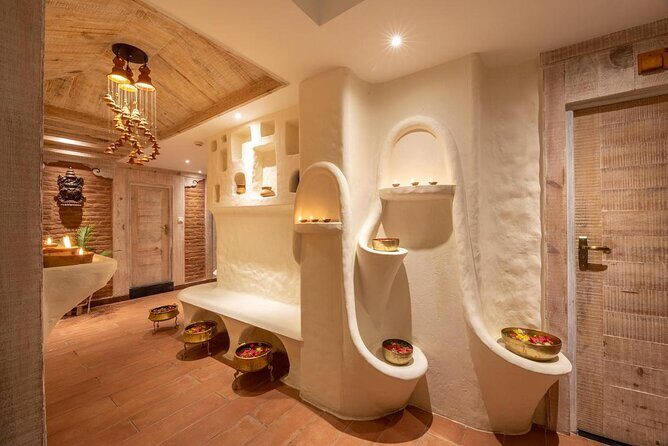
Kathmandu can be noisy fast. So I really appreciate that this retreat is centered at Ayurveda Health Home in the Tarakeshwor-3 area, close to public transport but also described as peaceful and meditative. People who have been there a second time keep coming back for the same reason: the place feels like it’s above the everyday buzz, where you can hear your breath and notice your body.
That matters because Ayurveda is about more than rubbing oil on sore spots. It’s about routine, attention, and how your nervous system responds when you slow down. In a retreat like this, the hilltop calm becomes part of the therapy. You’re not only receiving treatments; you’re also living in the conditions that make those treatments easier to absorb.
Also, the retreat runs in a set rhythm. You’re not free-roaming your day. That sounds strict on paper, but in practice it helps a lot. It takes away decision fatigue. You can just follow the schedule, show up, and let the process work.
A few more Kathmandu tours and experiences worth a look


Price and What You’re Really Buying for $970
At $970 for ~3 days, this isn’t a budget weekend. But you’re paying for a package-style retreat: daily yoga, multiple Ayurvedic therapies, meals, and accommodation. The listing also indicates doctor guidance, plus pickup within Kathmandu.
Here’s how I’d frame the value for you:
- You’re not just getting one or two services. The program mentions 24 rejuvenating treatments, plus yoga sessions across all three mornings.
- You’re covered on basic needs: the retreat includes three wholesome meals and accommodations. That’s time and money saved compared to cobbling together your own wellness trip.
- You get structure. For first-timers especially, it can be hard to know what to ask for. This program sets the agenda and reduces uncertainty.
What to watch for: if you only want a light, “spa and sightseeing” style break, the schedule can feel like it’s a lot. Ayurvedic treatments can be physically and mentally stimulating, especially when your body is learning a new routine.
Getting There: Ayurveda Health Home, Pickup, and a Convenient Starting Point
Your meeting point is Ayurveda Health Home – Nagarjun Center, Tarakeshwor-3, Kathmandu 44600. The activity ends back at that same meeting point, so you’re not left figuring out a separate exit plan.
A few practical notes from what’s provided:
- Pickup within Kathmandu is complimentary, which helps if you don’t want to negotiate transport on arrival.
- The center is near public transportation, so if anything changes with timing, you’ll have options.
- It’s private—your group participates, not a shared crowd.
The center hours are listed from 9:00 AM to 4:30 PM across the year range, and the retreat schedule itself is earlier than that on treatment days. In other words, plan on an early start. Once you’re there, the rest of the day stays organized, which is a big part of the appeal.
Day 1: Yoga at 6:30 AM, Sensory Cleansing, and a Reset Lunch
Day 1 starts at 6:30 AM. You begin with yoga from 6:30 AM to 7:30 AM, then return later for a major block of therapies.
Morning yoga (6:30 AM – 7:30 AM)
This isn’t just gentle stretching for show. The intention is to awaken the senses and energize the body. Yoga in a retreat context usually means you’ll be guided to move in a way that helps you feel present—useful because the next session involves sensory-focused work.
If you tend to feel stiff in the morning, go easy in the first session. The goal is participation, not athletic performance.






Sensorial cleansing and stimulation therapies (8:30 AM – 12:30 PM)
From 8:30 AM to 12:30 PM, the schedule focuses on sensorial cleansing and deep stimulation therapies designed for energy, body parts, senses, emotions, and mind.
The overview of this retreat also highlights practices like Neti Karma and eye exercises. Even if you don’t know these terms, this is a clue that the retreat won’t be only about massage. Ayurvedic cleansing can be very practical—things your body can feel immediately.
Possible considerations for you:
- If you dislike anything involving eyes or nasal routines, you may want to ask ahead of time what will be included for you personally. The program lists these items in its therapy description.
- If you’re sensitive to strong bodywork, tell the doctors early and clearly so adjustments can be made.
Lunch and relaxation (1:00 PM – 2:00 PM)
From 1:00 PM to 2:00 PM, you get a break for lunch and relaxation. This matters because many people rush through recovery after wellness sessions. Here, you’re given a built-in pause right after the most intense first-day block.
My practical advice: treat this lunch break like part of the therapy. Stay hydrated, don’t over-stimulate yourself with screens, and try to sit quietly for a few minutes.
Day 2: Breakfast, Spinal Programs, and Ubatan Abhyanga
Day 2 keeps the early start and then adds more specific body-focused therapies.
Yoga again (6:30 AM – 7:30 AM)
The second morning yoga session reinforces the retreat rhythm. You’re not just doing yoga once; you’re building momentum and letting your body get used to the schedule.
Breakfast (8:00 AM – 9:00 AM)
From 8:00 AM to 9:00 AM, you enjoy breakfast as part of the flow. Then you jump into a morning therapy block.
This is a small detail that I really like. You’re not doing therapies on an empty, stressed stomach.
Therapy block: spinal programs and Whole Body Ubatan Abhyanga (9:30 AM – 1:30 PM)
From 9:30 AM to 1:30 PM, you’ll get treatments including spinal programs and Whole Body Ubatan Abhyanga.
- Spinal programs are often about restoring ease and support through targeted bodywork along the back and related areas.
- Ubatan Abhyanga typically refers to a whole-body oiling/therapy approach paired with a paste-like cleansing element. In practice, this can feel like a reset for skin, circulation, and overall body awareness.
Either way, you’re moving from Day 1’s sensory-focused themes into something more physical and structured. I’d expect you to feel the effects in your body the same day—either in soreness that passes quickly, or in a noticeable lightness.
Lunch break (2:00 PM – 3:00 PM)
From 2:00 PM to 3:00 PM, you get lunch and time to absorb the morning work.
One helpful habit for you: if your schedule is giving you intense body sensations, keep your afternoon plans simple. Let the therapies settle.
Day 3: Final Yoga, Siro Dhara, Head Abhyanga, and Herbal Tub Bath
Day 3 looks like the “deep calm” day.
Final yoga (6:30 AM – 7:30 AM)
You close the retreat with yoga again at 6:30 AM, keeping the structure consistent. Even if you’re feeling tired by now, the repetition helps your body recognize the routine.
Breakfast (8:00 AM – 9:00 AM)
Another 8:00 AM to 9:00 AM breakfast slot gives you energy before the last therapy block.
Final therapies (9:30 AM – 12:30 PM)
From 9:30 AM to 12:30 PM, the retreat lists:
- Siro Dhara
- Relaxation Head Abhyanga
- Herbal Tub Bath
This is a strong trio for relaxation and nervous-system cooling.
- Siro Dhara is a classic Ayurvedic head therapy, often focused on calming and balance.
- Relaxation head abhyanga suggests a gentler, restful approach aimed at releasing tension in the head and scalp area.
- Herbal tub bath adds warmth and soaking, which can make the whole experience feel more complete than oil-only treatments.
If you’ve been carrying stress in your shoulders, head, or jaw, this is the kind of session that helps you notice your body loosening.
Note: there isn’t any specific instruction listed about what to wear or remove, so follow what the staff asks for during the day. In retreats like this, you’ll usually be guided.
Closing lunch and reflection (12:30 PM – 1:30 PM)
From 12:30 PM to 1:30 PM, there’s a closing lunch and reflection time. This is where you can connect what happened in your body with what you’re learning mentally.
A simple way to get more value: write down how you felt each morning (energy, sleep quality, stress level). Even a few lines helps you compare before and after.
Meals, Accommodations, and the Retreat Pace
The program includes three wholesome meals during the 3 days, plus accommodation described as luxurious.
Even without knowing the exact room details, I love that meals and rest are built into the plan. Food is a major part of Ayurveda, and having meals included means you won’t be spending your day hunting for something that fits the retreat rhythm.
A few practical points you can count on:
- You’ll eat at set times around yoga and therapy blocks.
- Lunch happens daily (Day 1 at 1:00–2:00, Day 2 at 2:00–3:00, Day 3 at 12:30–1:30).
- The schedule includes relaxation windows, so your day won’t feel like nonstop appointments.
If you’re used to filling travel days with tours and museums, this retreat may feel slow at first. But that’s the point. Ayurveda doesn’t work like a checklist. It works like a change in tempo.
Doctors and Guidance: How to Ask Better Questions During Treatments
The retreat description says expert doctors guide your journey toward self-understanding and tranquility. That matters because Ayurveda is personalized in theory, even when the program has a set schedule.
What I recommend for you, based on how these programs tend to work:
- Ask what the therapy is aiming to do for your body and energy.
- Tell them what you feel right away. If something feels too strong, too uncomfortable, or just doesn’t sit well with you, speak up.
- During quieter moments, notice patterns: do you feel calmer after head work, or more energized after yoga?
One detail from the feedback you’ve been given: the staff, doctors, and cooks are described as friendly and professional, almost like family. That’s not small talk. In a retreat, comfort and trust let you relax faster, and relaxation usually makes treatments more effective.
Also, if this is your first Ayurvedic retreat, you’ll probably have questions. The staff’s repeat visitors (people returning after their first time) suggests the center does a good job supporting newcomers.
What Treatments Feel Like in Real Life (Even If You’re New to Ayurveda)
This program includes yoga plus multiple therapies. Some are familiar to people who’ve tried traditional wellness work, and some will be new.
Here are the therapy types you can expect to hear about in this retreat:
- Sensorial cleansing and deep stimulation therapies (Day 1 morning)
- Spinal programs (Day 2 morning)
- Whole Body Ubatan Abhyanga (Day 2 morning)
- Neti Karma and eye exercises are included in the retreat’s therapy description
- Siro Dhara, Relaxation head abhyanga, and Herbal tub bath (Day 3 morning/late)
You don’t need to master the names before you go. But you should be mentally ready for variety. This is not a one-technique retreat.
If you’re anxious about unfamiliar routines, remember: you’ll be guided through the process. And if anything makes you uncomfortable, it’s reasonable to speak up. You’re paying for a healing experience, not a test of toughness.
Who Should Book This Retreat (and Who Might Find It Too Much)
This program says most travelers can participate, and the experience is described as a wonderful first Ayurvedic experience for people who had never done one before.
So this retreat is a good fit if you:
- Want a structured, doctor-led wellness break
- Are curious about Ayurveda and want hands-on practice
- Prefer a calm setting and don’t mind early mornings
- Like the idea of head and full-body therapies, not just a massage
You might want to think twice if you:
- Need late starts and a flexible schedule
- Are very uncomfortable with eye or nasal-related practices (since Neti Karma and eye exercises are part of the retreat’s therapy description)
- Want a more casual, lighter spa experience rather than a multi-treatment healing routine
Should You Book This 3-Day Ayurvedic Wellness Retreat in Kathmandu?
If you want value, this is easiest to justify when you look at the full bundle: daily yoga, about 24 treatments, three meals, and accommodation—plus pickup within Kathmandu. For $970, you’re not just buying relaxation. You’re buying time, structure, and a guided healing program.
My bottom line: book it if you’re ready to follow a retreat schedule and you’re open to the full range of Ayurvedic therapies, including cleansing and head therapies. It’s especially strong for first-timers because the pace and support reduce guesswork.
Don’t book it if you only want “pretty scenery and a massage.” This retreat is more hands-on and more intentional than that. And the early start is real.
If you do book, plan to give yourself a quiet first day in Kathmandu and a low-key departure day after. Your body will likely be processing the treatments for a bit.
FAQ
How long is the retreat?
The retreat runs for 3 days, with daily sessions starting around 6:30 AM for yoga and ending back at the meeting point after the closing lunch on Day 3 (about 1:30 PM).
Where does the retreat take place in Kathmandu?
The meeting point is Ayurveda Health Home – Nagarjun Center, Tarakeshwor-3, Kathmandu 44600, Nepal, and the experience ends back at the same meeting point.
What does the retreat include?
Based on the program description, you’ll get yoga sessions, about 24 Ayurvedic treatments, three wholesome meals, and accommodation. Complimentary pickup within Kathmandu is also included.
What treatments are included during the three days?
The program includes treatments such as sensorial cleansing and stimulation therapies, Neti Karma, eye exercises, spinal programs, Whole Body Ubatan Abhyanga, Siro Dhara, Relaxation head Abhyanga, and an herbal tub bath.
Is this tour/activity private?
Yes. It’s listed as a private tour/activity, and only your group participates.
What is the cancellation policy?
Free cancellation is available. You can cancel up to 24 hours in advance for a full refund, and changes less than 24 hours before the start time aren’t accepted.