REVIEW · KATHMANDU
3-Day Chitwan Jungle Safari Tour from Kathmandu
Book on Viator →Operated by Liberty Holidays · Bookable on Viator
Rhinos and rivers in 3 days. This Chitwan jungle safari is the kind of trip where you wake up early, chase wildlife by jeep and dugout canoe, then spend the evening learning how Tharu communities live nearby. I like the way logistics are handled for you—hotel pickup, transport, and a proper safari guide—so you can focus on seeing things (and not your own schedule).
Two other wins: the included meals and the generally smooth arrangements reported by past guests, plus the chance to spot big animals like rhinos and crocodiles. One thing to plan for is time. Even though it’s only 3 days, you’ll spend a lot of hours on the road between Kathmandu and Chitwan, and return pickup at the far end may need extra care on timing.
In This Review
- Quick hits before you go
- Why Chitwan feels special for wildlife lovers
- Getting from Kathmandu: the real “3-day” math
- Day 1 in Chitwan: Tharu village visit and culture
- Day 2: Rapti River canoe time and morning bird watching
- Jeep safari time: how to get the most out of it
- Wildlife you should watch for (and what it means when you see it)
- Where you’ll sleep: 3-star hotel base and how to judge it
- Meals and the timing that makes the safari work
- Price and value: what $392 actually buys you
- Logistics watch-outs: where things can go sideways
- Tips to boost your wildlife odds (and keep things comfortable)
- Who should book this 3-day safari
- Should you book this tour?
- FAQ
- What’s included in the tour price?
- Are park fees and admission tickets included?
- Is lunch included on the last day?
- What kind of accommodation is provided?
- How early does the day start?
- What should I wear for safari and wildlife viewing?
Quick hits before you go
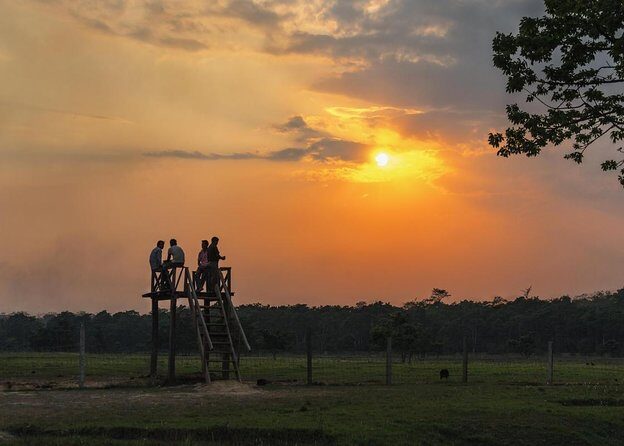
- Early morning starts: wake-up calls, breakfast on schedule, then bird watching and canoe time on the Rapti.
- Wildlife time the smart way: a mix of jeep safari and river cruising—different animals show up in different places.
- Tharu culture on Day 1: a village visit with local cultural performance and a museum stop.
- Meals included for 2.5 days: two breakfasts, two lunches, two dinners, but no lunch on the Kathmandu travel day.
- Park fees handled: national park and conservation area fees are covered in the price.
- What you wear affects your odds: avoid bright colors and busy patterns so you don’t spook wildlife.
Why Chitwan feels special for wildlife lovers
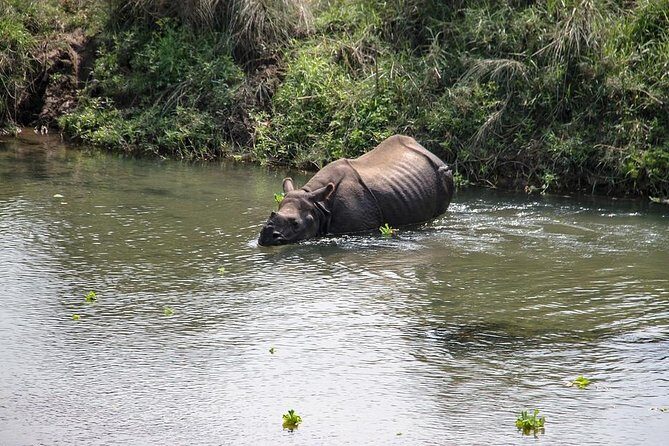
Chitwan isn’t just about checking boxes. It’s Nepal’s UNESCO-listed nature reserve, and the animals are drawn to water, grass edges, and the places where local guides know how to look. You’re not wandering alone either—you’re moving with a safari guide who understands how animal behavior changes from morning to afternoon.
The best part is the variety. A river morning (canoe on the Rapti) gives you chances at reptiles and water-adjacent wildlife. Then the jeep safari gives you a different angle: tracks, feeding zones, and those sudden moments when an animal appears and everybody falls quiet.
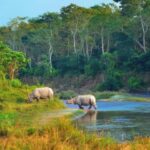
And yes, you’re aiming for big names—deer, rhinos, crocodiles, and even tigers. The hard truth: wildlife isn’t guaranteed. The good news: Chitwan’s whole setup (water, habitat, and guided searching) makes it more likely you’ll see something.
A few more Kathmandu tours and experiences worth a look

Getting from Kathmandu: the real “3-day” math
This tour runs from Kathmandu to Chitwan and back by tourist coach. You’ll usually have early pickup from your Kathmandu hotel, then transfer toward the tourist bus park in time for the long drive south.
A practical takeaway: with a 3-day version, you trade more time in Chitwan for less time on the road. One past guest noted you spend a lot of time on the bus, and if you’ve got the days, a 4-day option is worth considering for a calmer pace. Still, the 3-day format can work if you want the highlights without stretching the trip.
Also pay attention to the pickup geography. Pickup/drop-off is included for hotels inside Kathmandu’s city ring road. If you’re outside that ring road, you’ll need an extra charge. Before you book, I’d confirm your exact hotel pickup location so the first day is smooth.
Day 1 in Chitwan: Tharu village visit and culture
Day 1 starts with the early schedule and a full-day feel once you reach Chitwan. The first stop is Chitwan Tharu Village, which matters because it ties wildlife to the people who have lived alongside this landscape for generations.
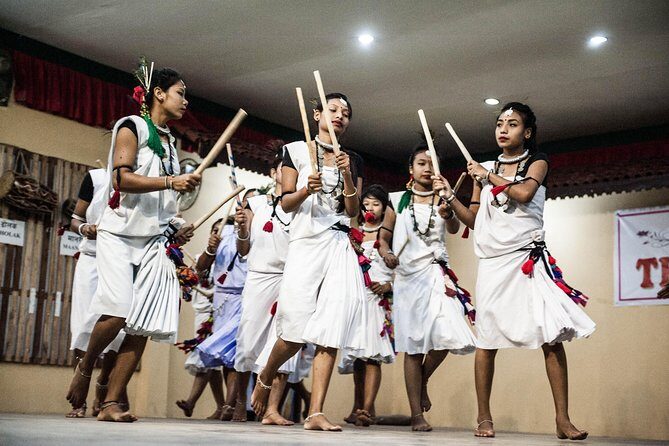
What you’re set up to see here is cultural performance plus a visit to a local museum. That’s not just a side quest. It gives context for why the area is managed the way it is and how local life connects to the forest edge and river systems that also shape animal movements.
Expect admission tickets included for this part of the day, and plan for a long, active day. This isn’t a “relax and arrive” day. It’s the day you get oriented: where things are, how the community welcomes visitors, and how the trip’s rhythm works.
Day 2: Rapti River canoe time and morning bird watching
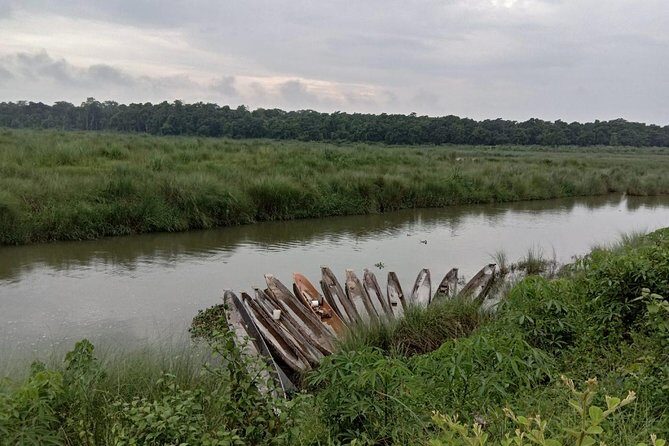
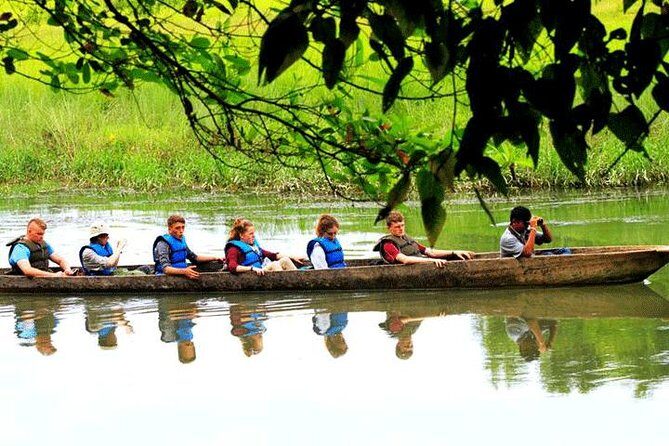
Day 2 begins with an early wake-up call and a simple plan: morning tea, then a buffet breakfast, then out the door. In the schedule, that’s bird watching and canoe riding along the Rapti River, starting in the 7:00 am range.
Here’s why this part of the itinerary is a standout: you’re moving slowly through habitat, which is perfect for spotting wildlife that doesn’t care about big engines. Canoes also tend to be quieter. That quiet helps you notice small action—ripples, eye-shines near the bank, and the signs guides watch for.
Even the “bird watching” piece isn’t just for bird people. It’s a chance to read the morning environment. When you learn what’s active early, you understand why the river matters later in the day.
If you’re the type who gets restless waiting around, this day is your best friend. You’re up early, then you’re doing something almost continuously.
Jeep safari time: how to get the most out of it
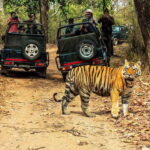
Chitwan is famous for game drives, and this tour includes a jeep safari as part of its wildlife programming. A key advantage of a jeep safari is mobility: you can cover different zones faster than you could on foot, and your guide can shift strategy based on tracks, sightings, and time of day.
From real experience feedback, the jeep safari can pay off. One past guest described seeing a few animals during the jeep portion and having their guide actively follow up after spotting a rhino earlier. That’s the kind of “work the moment” behavior you want from a good guide: not just finding something once, but trying to connect you with it again when possible.
What to keep expectations realistic: you’re seeing wildlife by chance and pattern, not by guarantee. Plan to be patient. When the guide stops, it’s usually because something is close—so your job is to stay quiet, hold your position, and watch what the guide is already noticing.
A few more Kathmandu tours and experiences worth a look
Wildlife you should watch for (and what it means when you see it)
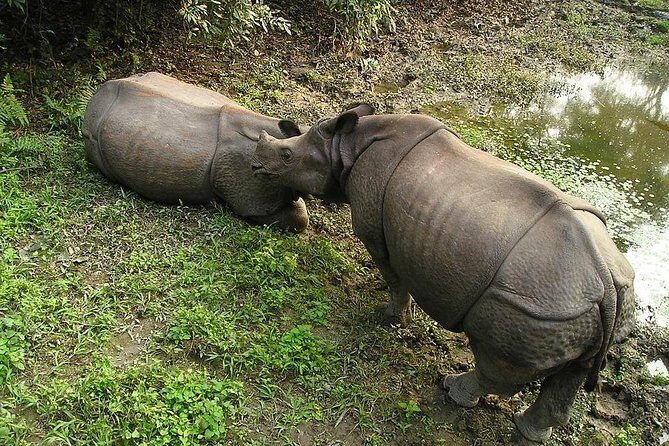
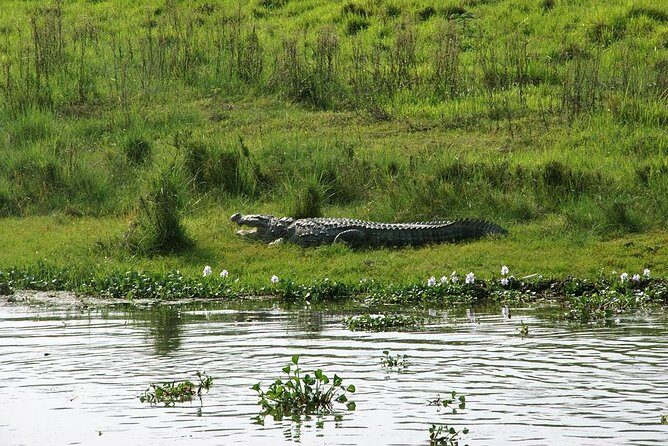
The tour is designed around the big-ticket targets: deer, rhinos, crocodiles, and tigers. Those names can sound dramatic, but they also represent different habitat zones and different times of day.
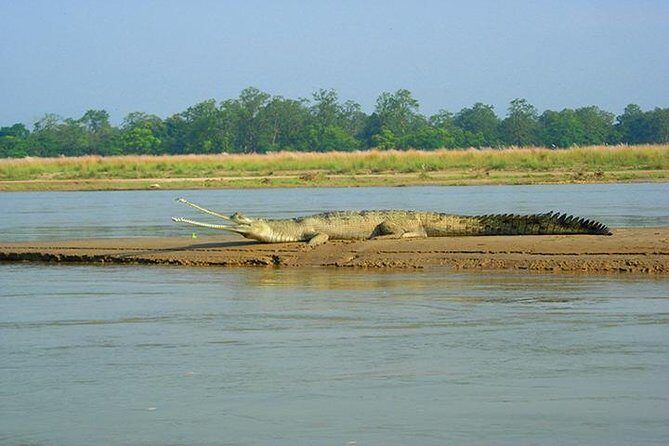
- Crocodiles: the river cruise is where you’re most likely to catch them resting near the banks.
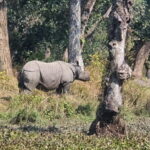
- Rhinos: often show up when guides are targeting the right feeding or movement paths—so jeep and guide timing matter.
- Deer: can appear around grass edges and open areas, sometimes earlier in the day.
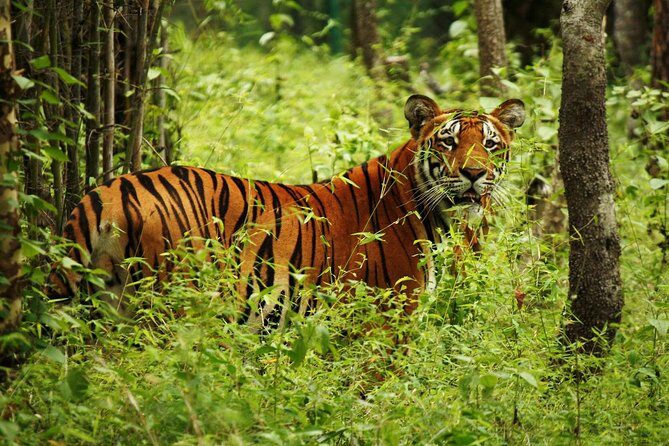
- Tigers: the rarest and most unpredictable. If you see one, treat it as a bonus, not the plan.
Also: this kind of wildlife watching is affected by your behavior. That’s why the tour guidance on clothing matters. Don’t wear bright colors or busy patterns. Stick to greens, browns, and khakis so you don’t stand out and scare animals off. Yes, it feels like a small thing. In a wildlife setting, it’s not.
Where you’ll sleep: 3-star hotel base and how to judge it
You’re included for two nights in a 3-star category hotel or resort in Chitwan, with options like Chitwan Paradise Hotel or similar. You’ll be in a twin/double-sharing setup. If you’re traveling solo, the tour provides a single room.
Food and comfort are part of the value because you’re doing early starts and long days. One guest specifically mentioned Maruni Sanctuary Lodge as their stay, describing it as clean and quiet with food that felt reasonable. That’s a good sign because it means you can recharge without a lot of drama.
What I’d tell you to do in advance: pack an easy-to-grab layer and something for cool mornings and warm afternoons. The Terai can be brutally hot in summer—over 37°C in places—while winters tend to run roughly 7°C to 23°C. That temperature range is enough to wreck your comfort if you only pack for one season.
Meals and the timing that makes the safari work
This tour includes breakfast and other meals during the Chitwan days: two breakfasts, two lunches, and two dinners. Lunch is not provided on the third day once you’re back in Kathmandu.
Why this matters: when you’re doing wildlife activities, delays happen. Having meals handled cuts one source of stress. It also keeps you from hunting for food at the wrong time—right when you should be near the river or in the jeep.
The meals are described as buffet style. That’s useful on a trip like this because it gives you options without long ordering waits. If you have dietary needs, the tour asks you to advise specific requirements when booking, so I’d do that early.
Price and value: what $392 actually buys you
At $392 per person, the cost can look high or reasonable depending on what you’d do yourself. Here, the price includes the big expense items that add up fast if booked separately: transport Kathmandu–Chitwan–Kathmandu by tourist coach, two nights’ accommodation, hotel pickup/drop-off, a jungle safari guide, park fees and conservation area fees, plus most meals.
It also includes admission tickets for listed activities, and staff insurance and taxes are covered. Drinks are not included (unless specified), so budget for water and any non-included items.
My practical way to judge value: if you want a guided trip where you don’t have to coordinate timing, pay separate park fees, arrange transfers, and find meals around the schedule, this package is the “pay once, show up, go” option. It’s less flexible, but it’s simpler—and for a short visit, simplicity often wins.
Logistics watch-outs: where things can go sideways
Most of the feedback points to smooth transport and clean accommodations. Still, there’s one clear caution from a complaint about return day pickup: the agency wasn’t present at the bus stop to transfer someone back to their hotel, even though they expected that service.
This doesn’t mean the tour is always like that. It does mean you should protect yourself with two simple moves:
- Confirm the exact return pickup plan the day before travel.
- Save contact numbers so you can reach the team if you’re delayed or if you’re not met at the planned spot.
The tour also notes that you can call for inquiries or to reach the team on the day of travel. Use that tool. Don’t just wait in silence.
Also note: the tour is described as a private tour/activity with only your group participating. At the same time, it mentions group discounts. That combination is usually a sign you should clarify how groups are managed, especially if you’re sensitive to schedules or want a quieter experience.
Tips to boost your wildlife odds (and keep things comfortable)
The tour guidance on clothing is your easiest win: skip bright colors and busy patterns, and wear greens, browns, and khakis. This helps you blend in and not spook animals.
Next, think about heat and sun. The Terai can top 37°C in summer. Bring a hat, sunscreen, and a light layer for early mornings. A small towel or wet wipes can also feel like magic after a long day outdoors.
If wildlife is your top priority, embrace patience. When you hear the guide’s instructions, don’t treat it like “tour chatter.” It’s part of the method. Stay quiet, stay seated when asked, and avoid sudden movements.
And one more ethical nudge based on past advice: if you’re offered an elephant ride option as an add-on, I recommend declining. Chitwan has enough wildlife moments that you don’t need to add an animal-backed experience to your itinerary.
Who should book this 3-day safari
This tour fits best if you:
- Want a guided Chitwan National Park experience without organizing transport and park logistics.
- Have limited time and still want canoe cruising plus a jeep safari.
- Like structured days with early starts and built-in meals.
It’s also a good match for solo travelers because a single room is included.
You might consider a different option if you:
- Hate long bus rides. The trip is short, so travel time takes a bigger slice of your days.
- Want a more flexible schedule with lots of free time. This itinerary is packed.
One important note: the minimum age is 13.
Should you book this tour?
If you’re coming to Nepal for a real taste of Chitwan wildlife and you want the whole package handled—pickup, guides, park fees, accommodation, and meals—this 3-day itinerary is a solid way to do it. The canoe morning on the Rapti plus the jeep safari rhythm is exactly the kind of combination that turns a short trip into real sightings.
I’d book it with one mindset: confirm return-day pickup details and be ready for a long road day. With that taken care of, you’re set up for a memorable mix of wildlife + Tharu culture—the part that makes Chitwan more than just a checklist.
FAQ
What’s included in the tour price?
The tour includes hotel pickup and drop-off in Kathmandu (for hotels inside the ring road), two-night accommodation in a 3-star hotel or resort, a jungle safari guide, activities as per the itinerary, Kathmandu–Chitwan–Kathmandu by tourist coach, and meals (two breakfasts, two lunches, and two dinners). National park and conservation fees, taxes, and staff insurance are also included.
Are park fees and admission tickets included?
Yes. The tour includes national park fees and conservation area fees, and admission tickets are included for the activities listed on the itinerary.
Is lunch included on the last day?
No. Lunch is not provided on the third day when you return to Kathmandu.
What kind of accommodation is provided?
You get two nights in a 3-star hotel or resort in Chitwan (examples include Chitwan Paradise Hotel or similar). Rooms are twin/double sharing, and solo travelers get a single room. Bed and breakfast or full meal service depends on the included schedule, which covers breakfast and other meals during the Chitwan days.
How early does the day start?
Day 1 involves very early morning pickup and transfer, with the morning routine starting around the 6:00 am range, and the overall activity start time is listed as 7:00 am at the meeting point. Expect an early start.
What should I wear for safari and wildlife viewing?
Bring clothes in greens, browns, and khakis and avoid bright colors or busy patterns, since those can attract attention and scare off wildlife.