REVIEW · KATHMANDU
3 Days Chisapani Nagarkot Trek
Book on Viator →Operated by himalayan sanctuary adventure private limited · Bookable on Viator
One breath of mountain air is a wake-up call. This trek strings together Chisapani to Nagarkot views with solid logistics: a guide, a porter, a national park permit, and meals cooked for you along the way. You’re also getting a culture hit on the way back with Changunarayan Temple and time near Bhaktapur Durbar Square.
I particularly like that the trip is built around your comfort. You get all meals while hiking (so you’re not hunting for lunch bars on steep paths), plus a porter to help with luggage. I also like the private setup for your group, so pacing and stops don’t feel like a cattle call. One thing to consider: the Himalayan views depend on weather, and day 2 is a long walk (about 6–7 hours), so bring a steady pace and expect a proper workout.
You’ll start with a morning Kathmandu pickup and a drive to Sundarijal, then climb through pine and oak forest, sleep in a lodge in Chisapani, and finish with sunrise views from Nagarkot before heading to the temple and back to the city.
In This Review
- Key things I’d bookmark before you go
- Why Chisapani and Nagarkot are a strong 3-day plan
- Getting started: Kathmandu pickup and the Sundarijal drive
- Day 1: Sundarijal to Chisapani for forest walking and village views
- Day 2: Chisapani to Nagarkot for a longer hike and big-sky reward
- Day 3: sunrise at Nagarkot, Changunarayan Temple, and Bhaktapur on the way back
- Meals and porter support: the comfort multiplier
- Price and value: what $320 covers on this trek
- What to bring for a trek with sunrise plans
- Who should book this trek?
- Should you book the 3 Days Chisapani Nagarkot Trek?
- FAQ
- What time does the trek start?
- Where do we begin hiking?
- Are meals included during the hike?
- Is there an English-speaking guide and porter?
- Is the trek private?
- What sightseeing is included besides the trek?
- What is included in the transportation?
- What costs are not included?
Key things I’d bookmark before you go
- Private trek for just your party: the schedule feels more human than group tours.
- Porter support (1 for 2 trekkers): your pack is lighter, especially on the longer day.
- Meals included while on the hike: breakfast/lunch/dinner are handled, including your mid-trek stop.
- Sunrise and sunset focus at Nagarkot: you plan around the views instead of just walking past them.
- National park permit included: it removes one small administrative headache.
- Bhaktapur Durbar Square and Changunarayan: you finish with heritage, not just trekking fatigue.
Why Chisapani and Nagarkot are a strong 3-day plan
This is the kind of trek that works when you want real mountain time without a week of trail. You start at higher ground in the Kathmandu valley region, then move to Nagarkot, a classic viewpoint where the timing matters.
Chisapani is your first taste of the hike. It sits at about 2,115m, and the route brings you into pine and oak forest—plus you may hear and spot birds along the way. It’s also a place where you’ll notice everyday village life, not just scenery.
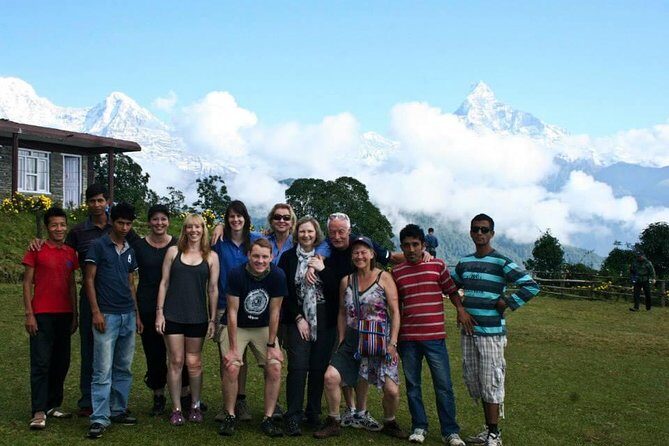
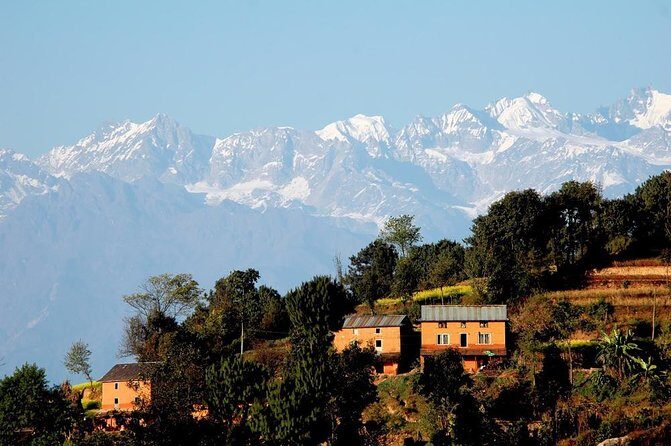
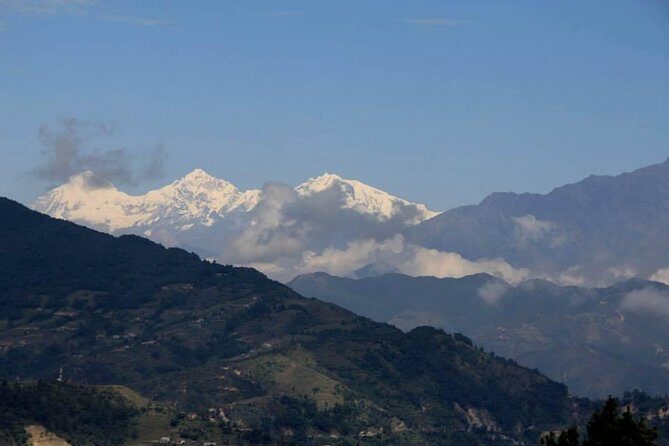
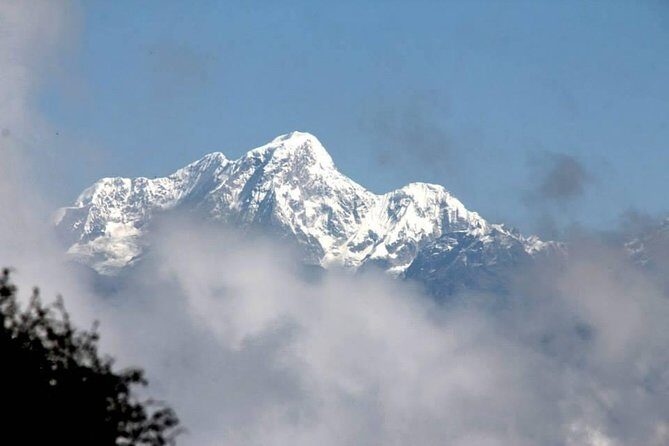
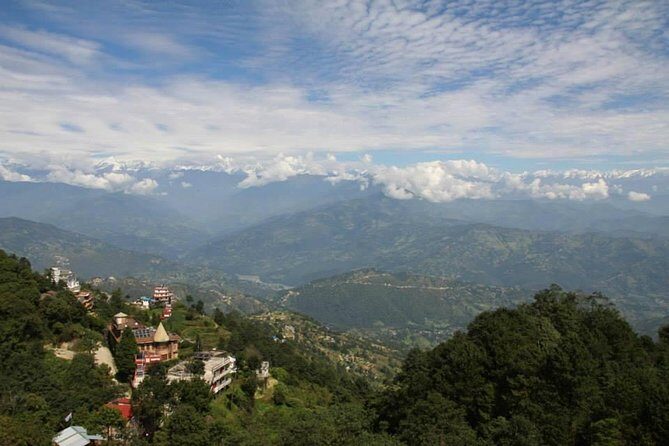
Nagarkot is where the effort pays off. At around 2,195m, it’s set up for wide panorama views, and the itinerary explicitly leans into sunrise and sunset. The plan also mentions visibility of major ranges such as Annapurna, Langtang, and Everest on a clear day. Even if you don’t see everything, the act of waking early for the view changes how the trek feels.
You can also read our reviews of more hiking tours in Kathmandu


Getting started: Kathmandu pickup and the Sundarijal drive
Your day begins at 7:45am, with a pickup from Kathmandu and a transfer to Sundarijal, where the trail starts. Expect roughly 1–2 hours of driving based on the route timing given, then you shift gears from traffic and city noise to a forested hillside start.
This matters more than you might think. A fast start helps you reach Chisapani before nightfall, especially since day 1 involves uphill hiking. You’re also arriving at the right moment to settle in at the lodge without rushing dinner.
If you’re the type who gets cranky when walking starts late, this early start is a plus. If you like sleeping in, you’ll have to compromise.
Day 1: Sundarijal to Chisapani for forest walking and village views
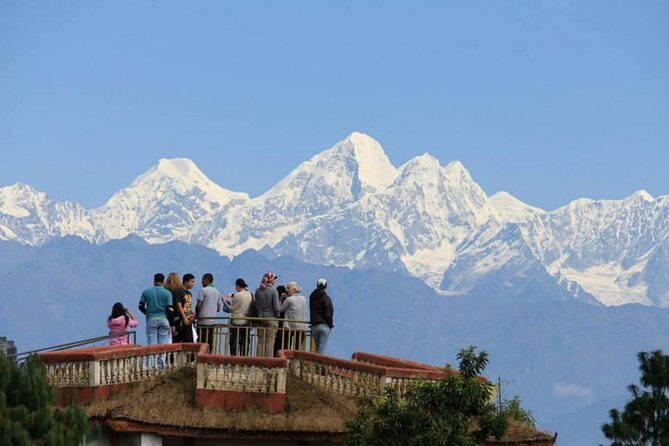
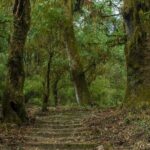
The first day is the climb. The walk is listed at around 4–5 hours, and the trail is described as gradually uphill through pine and oak forest. You’ll start with an ascent from Sundarijal and follow the path toward Chisapani (about 2,115m).
A nice detail here is the reference to Shivapuri National Park as a good spot for bird watching. You don’t need to be some kind of twitching nerd with binoculars to enjoy it. Just take the slower moments to look and listen. Those small breaks are what keep a long hike from feeling like punishment.
You’ll reach Chisapani and sleep at a lodge overnight. The itinerary includes lunch and dinner on day 1, so once you arrive, the main work is settling in and eating. Chisapani is also associated here with Sherpa community presence, and you’ll likely get a sense of local life in the way the village sits around the trekking route.
Possible drawback of day 1: it’s mostly uphill at a steady pace. If you go out too fast, you’ll feel it more on day 2. If you pace yourself, day 1 becomes a warm-up rather than a toll booth.
Day 2: Chisapani to Nagarkot for a longer hike and big-sky reward
Day 2 is your main walking day at about 6–7 hours. After breakfast at the lodge, you follow a stretch described as an unsealed road through the forest for about 2–3 hours. This part is great if you like feeling surrounded by trees instead of staring at dirt.
Then the route descends toward Jhule and Chauki Bhanjyang. You stop for lunch at Chauki Bhanjyang, and the schedule suggests about 3 hours to reach that point before continuing. After lunch, you keep moving—this is where the trail ascends gradually and you work your way toward Nagarkot.
As you climb, the itinerary mentions passing through villages and terraced fields. That’s a good sign. It means you’re not just walking through one scenery type all day. You’ll also get glimpses of village life rather than only forest.
The finish matters: Nagarkot is positioned for maximum mountain visibility. The plan calls out sunset views from Nagarkot and suggests that, on clear conditions, you can see a broad range stretching west past Dhaulagiri and toward Everest and beyond.
At night you stay at a hotel in Nagarkot. Breakfast, lunch, and dinner are included on day 2, so your energy management is mostly handled for you.
Possible drawback: day 2 includes both down and up segments. Even though it’s not described as technical, it’s long. If you have knee issues, take extra care on descents and shorten your stride a bit.
Day 3: sunrise at Nagarkot, Changunarayan Temple, and Bhaktapur on the way back
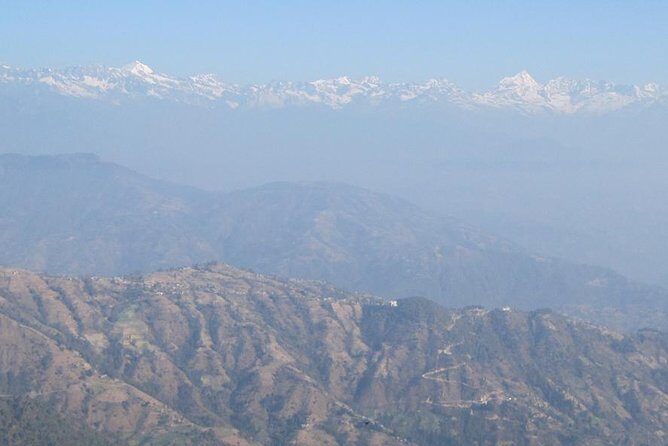
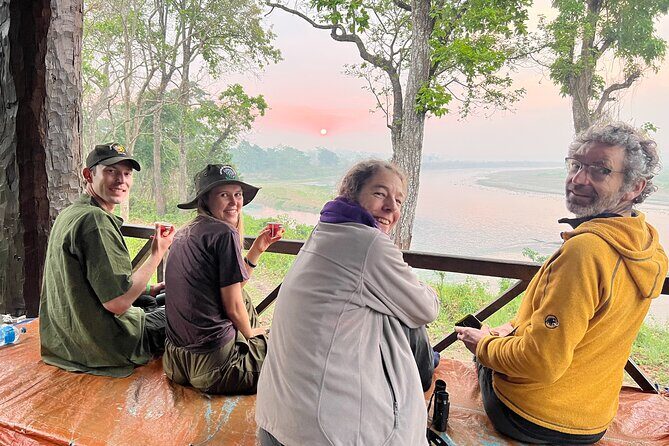
Day 3 is about timing and closure. You’re set up to get sunrise views early because Nagarkot is on a hilltop. If you’re even a little curious about how clouds sit in the valley, this is the morning to catch it.
After breakfast, the plan has you hiking for a couple of hours toward Changunarayan Temple (listed here as UNESCO World Heritage). The route description says you walk down toward Telkot first, then climb a small hill to reach the temple. That mix of descent and a final ascent is a nice change after two full days of walking.
Changunarayan Temple is described as very old and artistic. You’re also not just ticking a box: the itinerary places the temple as your last stop before returning.
Then you visit Bhaktapur Durbar Square on the way back to Kathmandu. Entrance fees for sightseeing are not included, so if you want to go inside specific structures, plan on paying that separately.
Finally, you take a car back to Kathmandu and get dropped at your hotel. The end-to-end structure is practical. You get a mountain sunrise, a cultural finish, and then you’re back in the city before the day turns into a travel blur.
A few more Kathmandu tours and experiences worth a look

Meals and porter support: the comfort multiplier
This trek is unusually clear about food and support. The tour includes all meals while you’re on the hiking days, and that changes the experience in a real way.
Because meals are included, you don’t spend energy bargaining, searching, or guessing portions mid-trail. You know when lunch happens (at Chauki Bhanjyang on day 2), and you can plan your water and snack strategy around that.
There’s also porter help. The deal includes an English-speaking trekking guide and a porter (1 for 2 trekkers to carry luggage). In plain terms: you still hike, but you’re not fighting a heavy bag all day. On longer stretches, that difference can be the thing that keeps you cheerful instead of just surviving.
Also, because the tour is private, your guide can adjust how often you stop. If you want a photo pause, you get one. If you’re steady and want to keep moving, you usually can.
From the feedback shared in booking experiences, guides are praised for keeping solo hikers comfortable and safe. One guide named Ganesh is specifically mentioned for encouragement—like reminding you it’s okay to take your time and look around. Another name that appears in feedback is Bishnu Bhatta, tied to a warm, supportive experience. You can’t count on the same guide every time, but it does suggest the human factor is a real strength here.
Price and value: what $320 covers on this trek
At $320 per person, this is not a budget-only trek, but it’s also not priced like a luxury custom expedition. The value comes from what’s included:
You get:
- Private transportation from Kathmandu to the starting point and back from the end point to Kathmandu
- All meals while hiking (breakfast/lunch/dinner across the trek days)
- National park permit
- Guide lodging and meals while trekking
- English-speaking trekking guide and porter support (with that porter ratio)
- Bhaktapur Durbar Square sightseeing on the return trip
What’s not included is also clearly stated:
- Meals in Kathmandu
- Sightseeing entrance fees
- Travel insurance
- Nepal visa fee
- Personal items like drinks, laundry, tips
- Costs from unavoidable disruptions
Here’s the practical way to think about it: you’re paying for reduced hassle. If you were to do this on your own, you’d still pay for permits, a guide (or risk getting lost), and you’d have to solve the food and transport puzzle. The porter is the big hidden value because it directly affects how hard the trek feels.
If you want maximum independence, you’ll spend time coordinating. If you want a clean, guided route with meals handled, this price starts looking fair.
What to bring for a trek with sunrise plans
The itinerary is built around early mornings and evening views, so pack for changing conditions.
Bring:
- A warm layer for Nagarkot mornings (sunrise means chilly air)
- Rain protection, since forest days can bring sudden weather
- Good hiking shoes with grip for uphill and downhill sections
- A small day bag so you’re not constantly using your porter
- Water and a basic snack plan for between meals (since meals are included, you can keep this light)
Also, remember day 2 is long. Even with porter support, your legs are doing the work. If you pace yourself on day 1, day 2 feels more manageable.
Who should book this trek?
This trek is a strong fit if you want:
- A 3-day trek that still feels like trekking
- Guided, private support with porter assistance
- Mountain viewpoints plus temple and heritage stops
- Less time worrying about logistics and more time hiking and taking photos
It may be less ideal if you want a very relaxed stroll with no long day of walking. Day 2 is the one to watch.
It’s also a good option for solo travelers who appreciate having an English-speaking guide and a built-in plan. The emphasis on comfort and safety in the guide feedback suggests the company understands how to support different fitness levels.
Should you book the 3 Days Chisapani Nagarkot Trek?
I’d book it if you want the classic Kathmandu-region mountain experience without taking a full week off. The best reasons are simple: meals while hiking are included, the trek is private, and Nagarkot sunrise/sunset gives you a payoff that feels earned.
I’d hesitate only if you’re very weather-dependent in your expectations. If clouds roll in, you may not see the full range of mountains. Still, the forest walking, village scenery, and UNESCO temple stop make it more than just a view-chasing day.
If you’re ready to hike 3 days with a real highlight at Nagarkot, this is a smart way to do it.
FAQ
What time does the trek start?
The start time is 7:45am.
Where do we begin hiking?
You drive to Sundarijal first, and the trek begins there.
Are meals included during the hike?
Yes. The tour includes all meals while you are on hiking (lunch and dinner on day 1; breakfast, lunch, and dinner on day 2; breakfast and lunch on day 3). Meals in Kathmandu are not included.
Is there an English-speaking guide and porter?
Yes. An English-speaking trekking guide leads the way, and there is a porter to help with luggage (1 porter for every 2 trekkers).
Is the trek private?
Yes. It’s a private trek for just your group.
What sightseeing is included besides the trek?
On the return trip you include Bhaktapur Durbar Square, and on day 3 you visit Changunarayan Temple.
What is included in the transportation?
You get private transportation from Kathmandu to the trek start and from the trek ending point back to Kathmandu.
What costs are not included?
Not included: meals in Kathmandu, entrance for sightseeing, Nepal travel insurance, Nepal entry visa fee, personal items (like drinks, laundry), and costs from unavoidable events.