REVIEW · KATHMANDU
Annapurna Circuit Trek 12 days
Book on Viator →Operated by Trek Around Himalayas Pvt. Ltd. · Bookable on Viator
You start seeing the Annapurna range in layers. One day it feels like subtropical hiking, and the next it turns into high, cold country. This Annapurna Circuit trek is interesting because the trail works like a living altitude chart, and you get major mountain drama without needing technical climbing.
What I like most is the way the trek is supported: you get a trained, government-licensed guide (with their expenses covered), plus the core permits handled (ACAP and TIMS). I also like the route’s big-name scenery built into it—Tilicho Lake at 4919m and the Kaligandaki gorge, with iconic views that span Annapurna, Dhaulagiri, and Machhapuchhre.
One consideration: you’re paying for the trek logistics and guidance, not for comfort. Meals during the trek are not included, and extras like hot showers, snacks, Wi-Fi, and a porter cost extra—so your personal daily budget matters.
In This Review
- Key things that make this Annapurna Circuit stand out
- Why the Annapurna Circuit feels like the real Nepal
- Kathmandu to the trek start: getting set up without fuss
- Tea houses and the daily grind you should expect
- Forest zones change fast: subtropics to alpine quiet
- Tilicho Lake (4919m): the big high-altitude payoff day
- Kaligandaki Gorge: the canyon that separates worlds
- Pokhara to Jomsom to Muktinath: the spiritual thread
- Price and logistics: is $769.24 good value?
- Guides make the difference: Bimal and Nabin’s kind of support
- Packing and fitness: what moderate really means here
- Should you book this Annapurna Circuit trek?
- FAQ
- How long is the Annapurna Circuit trek?
- Where does this tour start?
- What is the price per person?
- What’s included during the trek?
- What meals are included?
- Are porters included in the price?
- How many people are in the group?
- Is pickup available?
- Do I need permits?
- What if the weather is bad?
Key things that make this Annapurna Circuit stand out
- Tea house trekking (not camping): simpler gear needs, with overnight stays along the trail
- Permits included: ACAP and TIMS paperwork is part of the package
- Tilicho Lake at 4919m: one of the trek’s altitude highlights
- Kaligandaki Gorge pass-through: the world-famous canyon that separates Annapurna and Dhaulagiri
- Small group size: up to 20 travelers, which helps on a busy trail
Why the Annapurna Circuit feels like the real Nepal
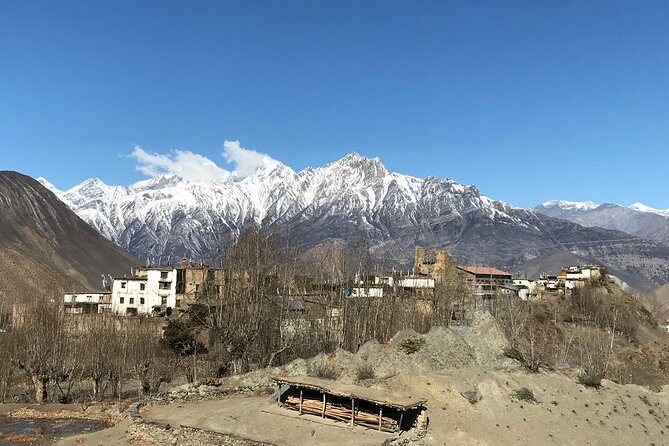
The Annapurna conservation area is huge—7629 sq. km—and it covers everything from valley floors (below 1000m) up to high alpine terrain. Over your 12 days, you feel that shift fast. The same trip can take you from cleared agricultural land and broadleaf forest edges to rhododendron country and then drier conifer zones where the wind does most of the talking.
The biodiversity angle is a big part of why the Circuit feels special. This protected area is home to 101 species of mammals and 474 species of birds, plus reptiles and amphibians. You’re not guaranteed to spot snow leopard or musk deer, but you are hiking in habitat that supports them—and that changes how you experience the forests. Even the birdlife becomes easier to notice as the river noise fades higher up.
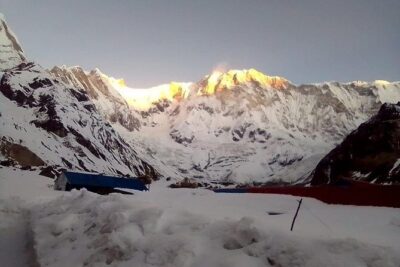
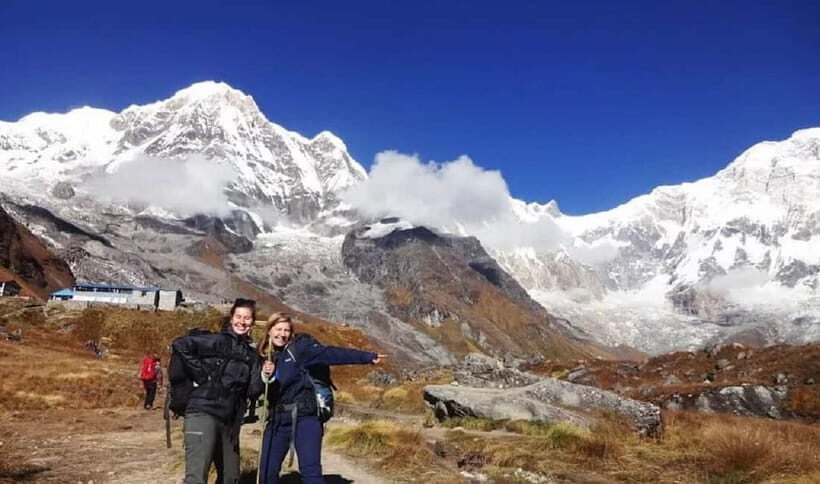
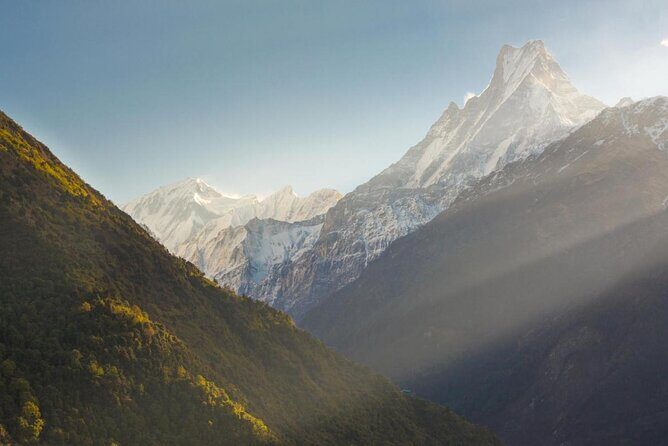
And yes, the mountains are the headline. You’re in range for Annapurna I (8091m), Dhaulagiri (8167m), and Machhapuchhre (6993m). You’ll likely see them in stages as weather opens and clouds move. The Circuit’s strength is that it doesn’t just show you peaks. It shows you how the mountains shape climate, vegetation, and human life.
You can also read our reviews of more hiking tours in Kathmandu


Kathmandu to the trek start: getting set up without fuss
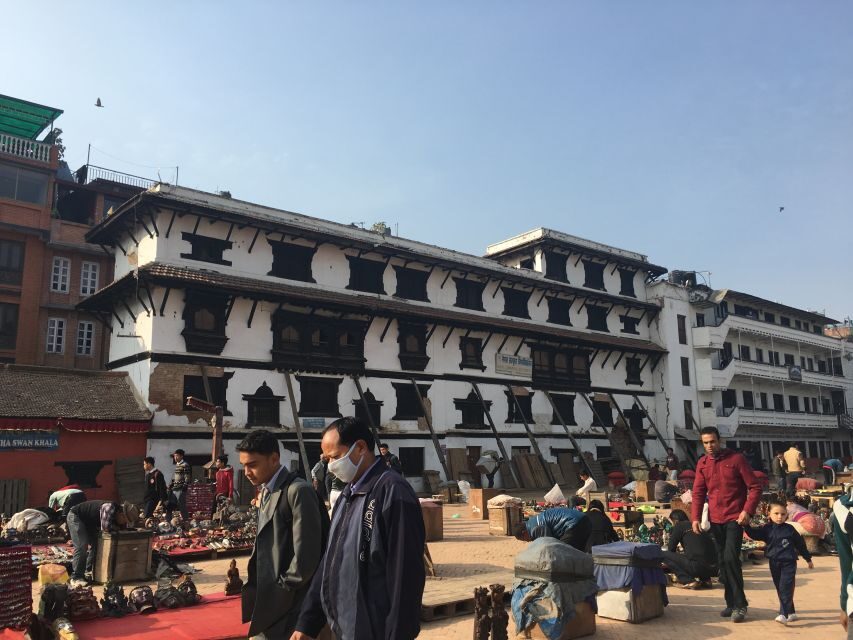
This trip is based out of Kathmandu, and you can expect pickup offered and access that’s close to public transportation. That matters if you’re arriving on your own and want one less stress before your hiking rhythm begins.
You’re also covered on the paperwork side. The package includes the necessary trekking permits—ACAP and TIMS—plus taxes. For most people, that’s the least fun part of planning a Nepal trek, so having it handled is real value, not just a checkbox.
You’ll also have ground transportation included as per the itinerary. While I can’t promise you every exact road and stop without a day-by-day schedule in front of you, the key point is simple: you’re not left figuring out connections in a country where transit can be a puzzle. On a multi-day trek, arriving tired is the silent enemy.
Tea houses and the daily grind you should expect
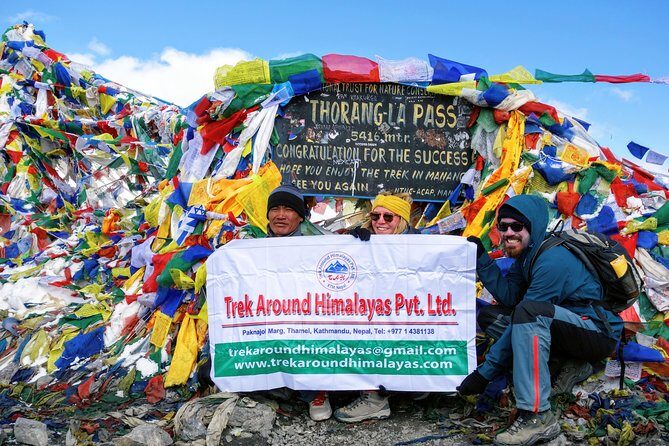
Your trekking accommodation is tea house lodging. Translation: you’ll sleep in basic guest rooms along the trail. This is a huge help for first-time trekkers because you don’t have to carry tents or build camp.
But tea house trekking comes with trade-offs. Meals are not included—so you’ll be buying breakfast, lunch, and dinner as you go. Tea houses usually also mean limited hot water and limited amenities. The package specifically notes extra costs for water, bar bills, Wi-Fi, hot showers, and snacks, so plan to spend some money on-site.
The upside is that the pace stays manageable for most moderate-fitness hikers, if you follow the plan and don’t try to “win” the mountain in day one. A good guide matters here because altitude doesn’t care about your ego. You need a steady rhythm, smart pacing, and help managing the small discomforts before they stack up.
And if you really want a lighter load, remember a porter is available for extra cost. Using one can be a big comfort boost, especially if your pack includes extra layers, camera gear, or a heavy day bag.
Forest zones change fast: subtropics to alpine quiet
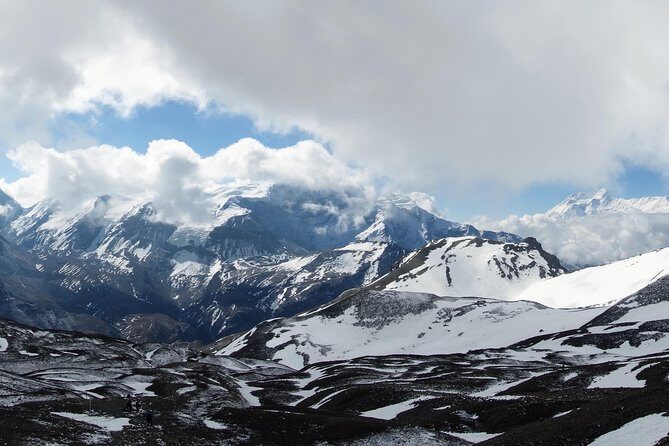
One of the most rewarding parts of the Circuit is the way the trail moves through ecological zones in only a few days. Lower down, paths often wind through land shaped for agriculture. Then you dip into the remaining broadleaf forests—cooler, shaded, and full of small details you can actually notice when you’re not battling steep technical ground.
As you go higher, you enter rhododendron forests, where in spring you can see blooms ranging from red to pink to white depending on altitude. Even if you’re not hiking in spring, the structure of rhododendron country is striking—gnarled branches, pinkish hues on wood, and epiphytic plants hanging in the canopy.
Higher still, conifer forests (often blue pine) become noticeably quieter. That quiet can feel eerie at first. Then it turns into something calming. The wind whistling through trees starts to replace the roar of the river you heard lower down, and suddenly the soundscape belongs to birds and small animals.
Tilicho Lake (4919m): the big high-altitude payoff day
Tilicho Lake is one of the Circuit’s standout reasons to book this trek at all, and the package calls it out clearly: the trek includes Tilicho Lake at 4919m. That’s high enough that you feel altitude’s effects even if you handle it well.
What I love about putting Tilicho into a Circuit itinerary is that it doesn’t feel random. The trail already climbs through ecological changes, so the lake becomes a logical climax. You’re moving from forests and valleys into a more open, alpine world—then you reach a high lake that feels like a separate climate.
The practical takeaway: give yourself the right expectations. At 4919m, the air is thin. The day may feel slow compared to lower stretches. The win is not speed. The win is making it there with energy left for enjoying the view and adjusting to breathing at altitude.
If you’re prone to altitude issues, tell your guide early. A good guide will manage pacing and help you avoid the mistake many hikers make: pushing too hard early because the scenery looks “easy.” Tilicho is a bucket-list moment, but it’s also a reality check. Treat it like one.




Kaligandaki Gorge: the canyon that separates worlds
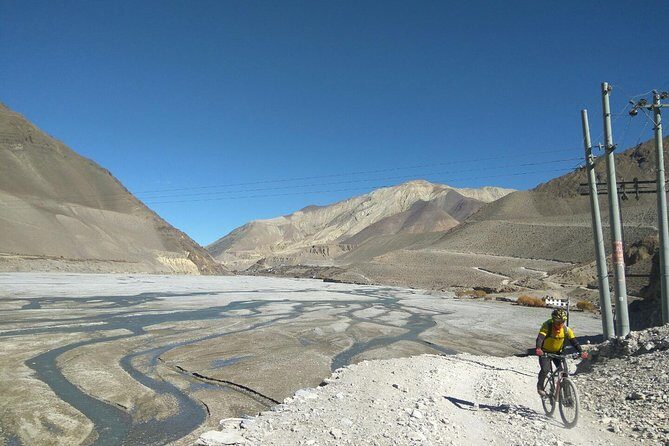
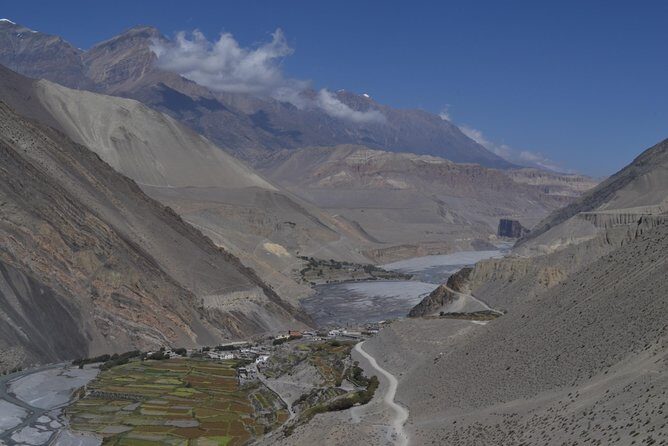
Another highlight built into this trek is passing through the Kaligandaki gorge, described as the world’s deepest canyon. This gorge matters more than it sounds. It’s the kind of place where your eyes constantly look for scale.
The route is set in a dramatic geographic relationship too: the canyon separates Annapurna I on the east and Dhaulagiri on the west. When the weather cooperates, you can get the feeling that you’re not just hiking between villages—you’re crossing an enormous natural divide.
Why I think this is great for your experience: a gorge walk gives you a different kind of mountain feeling than a pure ridgeline trek. It’s more about distance, depth, and the way water and terrain have carved the region over time.
The possible drawback is that gorges can also feel more exposed and windy, depending on your exact route and weather. The package notes the trek depends on good weather. So if fog or clouds roll in, your “wow” moments might come and go. Still, even on less perfect days, the scale and the river-canyon system make the scenery worth it.
Pokhara to Jomsom to Muktinath: the spiritual thread
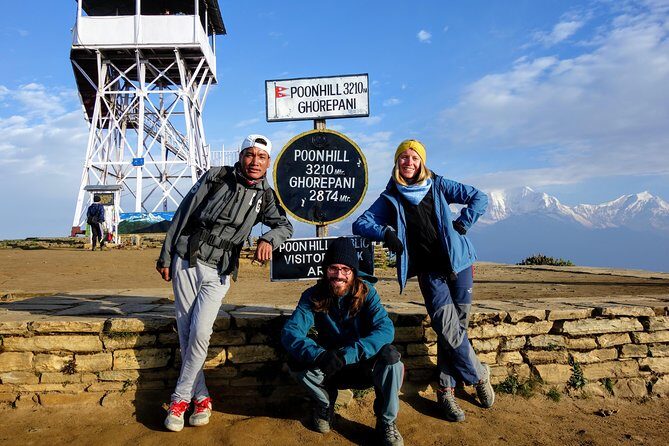
Even if you’re mainly chasing mountain views, this trek has a cultural spine. The trek is described as involving Pokhara, Jomsom, and Muktinath, and you can feel that pilgrimage energy in the places you pass through.
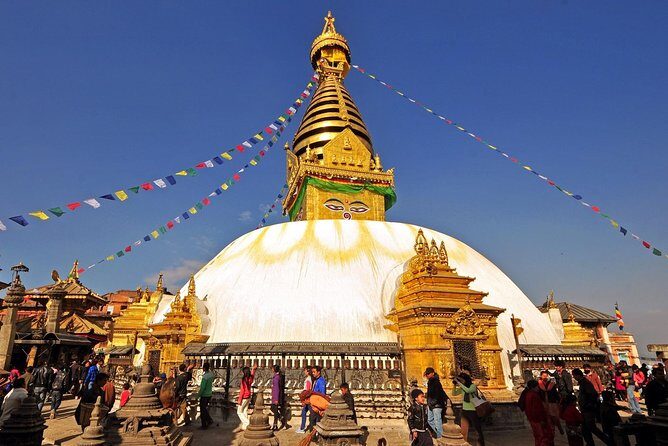
Muktinath is especially important in the Annapurna region trekking story. It’s not just a waypoint; it’s a cultural destination. When you’re out of the mountains for meals and brief breaks, these stops add texture to the journey. You’re still hiking for big scenery, but you’re also moving through places where local traditions and trekkers meet.
What I like about this angle is balance. Many high-elevation treks become a single-note experience: hike, altitude, repeat. Adding cultural nodes like Muktinath helps the trip feel grounded, human, and less like a fitness challenge only.
Also, you’ll learn that Annapurna isn’t only about scenery. The conservation area is home to over 10 ethnic groups. That variety shows up in how you meet people and how communities live alongside the trekking routes.
Price and logistics: is $769.24 good value?
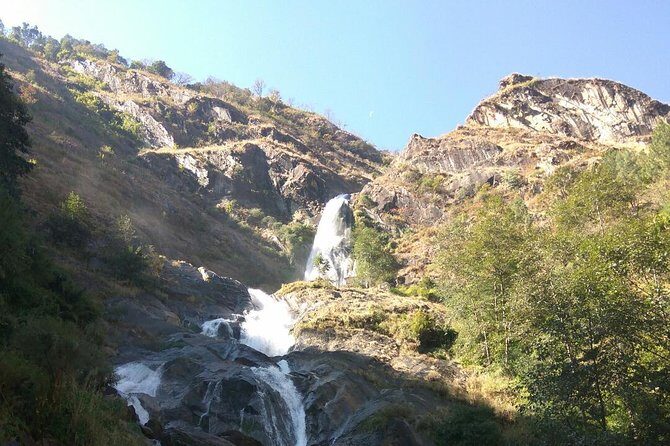
Let’s talk money. The price is $769.24 per person for an approx. 12-day trek. On paper, that can sound either low or high depending on what you compare it to. The value question is what you’re actually getting for that amount.
What’s included:
- Tea house accommodation during the trek
- A highly experienced, govt-licensed trekking guide (including the guide’s expenses)
- ACAP and TIMS permits and required paperwork
- Taxes
- Ground transportation as per the itinerary
What’s not included:
- All meals in city and trekking
- Personal expenses like water, bar bills, Wi-Fi, hot shower, and snacks
- Porter (available for extra cost)
- Tips for guide/porters/staff
Here’s the honest way to judge it: if you’re planning to trek with your own research and handle permits, transport, and an expert guide solo, costs pile up fast. This package concentrates that structure into one price. You’re paying for the planning, the paperwork, and the human support that helps you move through a high-altitude route with fewer mistakes.
Could you cut costs by DIY trekking? Maybe. But in a remote region where weather, altitude, and logistics are part of the challenge, paying for guidance is often the smarter trade. For most first-time trekkers, you’re buying time, calm, and safer decision-making.
Guides make the difference: Bimal and Nabin’s kind of support
Two guide names come up in the experiences linked to this trek: Bimal and Nabin. Both are described as professional and friendly, with strong knowledge of the region and local culture.
That matters because a good guide does more than point at mountains. They set pace. They watch how you’re handling altitude. They help you interpret what you’re seeing and where you are in the bigger story of the Annapurna conservation area.
One particularly important skill is matching your abilities to the route. If your pace or comfort isn’t quite where it should be, a guide can adjust the approach so you don’t blow up early. In a trek like this, feeling safe is not about fearlessness—it’s about good planning, good judgment, and clear communication when conditions change.
Also, the trip runs with a maximum group size of 20 travelers. That’s small enough to get human support without turning into a chaotic herd. You’ll still share tea house spaces and trails with others, but your guide can manage the group better than on mass tours.
Packing and fitness: what moderate really means here
The only fitness guidance given is “moderate physical fitness level,” so I’ll translate that into practical terms: you should be comfortable walking several hours a day, on uneven paths, with some elevation gain, and you should not be planning this trek as your first ever long hike.
Altitude is the real wild card. Even with a guide, your body has to adjust. Your job is simple:
- hydrate,
- move steadily,
- keep your effort smooth,
- tell your guide when you feel off.
Gear-wise, tea house trekking usually means you can pack lighter than a fully self-sufficient expedition. But the higher you climb, the more you’ll rely on layers. Bring enough warmth for cold mornings and evenings, even if the lower valleys feel mild.
If you’re unsure about your pack weight, consider the porter option. It’s extra cost, but it can make a big difference on longer days and high-altitude segments. In other words: paying for a porter can sometimes be the cheapest way to pay for your energy.
Should you book this Annapurna Circuit trek?
I think this is a strong choice if you want the real Annapurna experience—tea house trekking, guided support, major scenery, and a route that includes Tilicho Lake and Kaligandaki gorge—without having to master Nepal logistics yourself.
Book it if:
- you like the idea of watching ecosystems shift from subtropics to alpine country,
- you value having ACAP/TIMS permits handled,
- you want professional guidance from people like Bimal or Nabin who focus on pacing and support,
- you prefer a small group (max 20) feel.
Skip it (or at least ask more questions first) if:
- you’re counting hard on your own meal budget being near zero,
- you hate paying for add-ons like hot showers, snacks, Wi-Fi, or a porter,
- you’re expecting a fully luxury trek. This is adventure travel with structure, not spa travel.
If that sounds right for you, this trip gives you a memorable mix of mountains, altitude, wildlife country, and culture—at a price that makes sense for what’s included.
FAQ
How long is the Annapurna Circuit trek?
The trek runs for about 12 days.
Where does this tour start?
The tour is listed as starting from Kathmandu, Nepal, with ground transportation included as per the itinerary.
What is the price per person?
The price is $769.24 per person.
What’s included during the trek?
It includes tea house accommodation during the trekking, a government-licensed trekking guide (with their expenses), ACAP and TIMS paperwork and permits, government and local taxes, and all ground transportation as per the itinerary.
What meals are included?
Meals are not included. The listing specifically says all meals in city and trekking are not included.
Are porters included in the price?
A porter is available for extra cost.
How many people are in the group?
The maximum group size is 20 travelers.
Is pickup available?
Yes, pickup is offered.
Do I need permits?
Yes. Required permits and paperwork (ACAP and TIMS) are included.
What if the weather is bad?
This experience requires good weather. If it’s canceled due to poor weather, you’ll be offered a different date or a full refund. You can cancel for a full refund up to 24 hours in advance of the experience start time.