REVIEW · KATHMANDU
Discover Nepal’s Treasures: A 9-Day Private Tour
Book on Viator →Operated by KJ Adventure Nepal Private Limited · Bookable on Viator
Nine days can feel like magic.
This private Nepal loop strings together major cultural stops in Kathmandu, wild-life time in Chitwan, big-view mornings in Pokhara, and a hill-station night in Nagarkot. You get a plan that moves you efficiently between regions, with the kind of day-by-day structure that helps you enjoy the places instead of worrying about the next bus.
I especially like two things. First, the Kathmandu route is packed with must-sees: Kathmandu Durbar Square, Swayambhunath, Pashupatinath, and Boudhanath Stupa, all with entrance fees handled. Second, the human side matters here: communication is described as easy and responsive, and the guidance is credited to Kunjan, with English-speaking guide support on key days (Day 2 in Kathmandu and Day 6 around Pokhara).
One thing to consider: the $1,250 price does a lot, but it does not cover international flights, the Nepal visa fee, or meals like lunch and dinner in Kathmandu and Pokhara. You’ll want to budget for those extras and also plan for tips and personal expenses.
In This Review
- Key highlights I’d circle on your checklist
- How the 9-day Kathmandu–Chitwan–Pokhara–Nagarkot loop helps you
- Your Kathmandu day: Durbar Square, Swayambhunath, Pashupatinath, Boudhanath
- Kathmandu Durbar Square (royal roots and temple detail)
- Swayambhunath (a stupa with big symbolism)
- Pashupatinath Temple (major Hindu shrine, Shiva Lingams)
- Boudhanath Stupa (one of the world’s biggest old Buddhist monuments)
- Guide support on the right day
- Getting set up: airport transfer, hotel check-in, and the Kathmandu reset
- Chitwan National Park: wildlife time with a Rapti River canoe ride
- Day 3 travel to the park and scenic drive time
- Day 4: canoe ride, bird watching, and crocodiles
- Pokhara: the road to views, then Sarangkot before sunrise
- Day 5: the drive to Pokhara
- Day 6: Sarangkot at 1,592m for sunrise views
- Bhaktapur’s Durbar Square and a Nagarkot night for the final view
- Bhaktapur Durbar Square: Kathmandu Valley heritage beyond the capital
- Nagarkot: a hill station close enough for one unforgettable night
- Price and what you really get for $1,250 per person
- Logistics you should plan for before you go
- Timing and walking
- Meals: know where you’re covered
- Transfers and meeting point
- Mobile ticket convenience
- Should you book this Best of Nepal 9-day private tour?
- FAQ
- Where does the tour start and what time?
- Is this a private tour?
- Do you get airport pickup in Kathmandu?
- What hotels are included?
- Are entrance fees included for sightseeing?
- What Chitwan activities are included?
- Are guides provided in English?
- What meals are included during the tour?
- Is international airfare or the Nepal visa fee included?
- Can I cancel for a full refund?
Key highlights I’d circle on your checklist
- Temple-heavy Kathmandu day with Durbar Square, Swayambhunath, Pashupatinath, and Boudhanath, plus entrances included
- Chitwan wildlife focus with a Rapti River canoe ride, bird watching, and jungle activities led by a naturalist
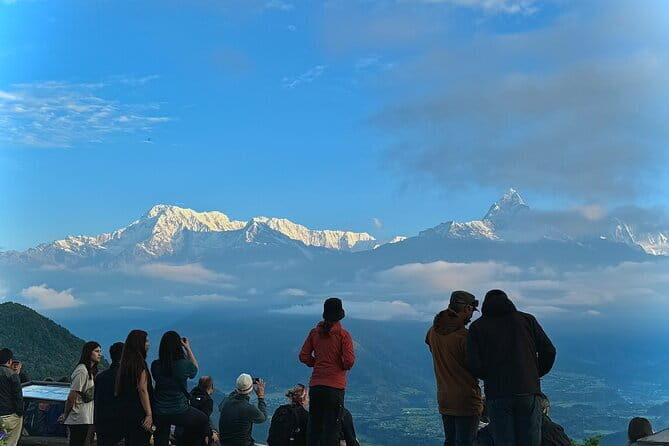
- Pokhara views timed at sunrise with an early Sarangkot excursion at 1,592m
- Comfortable base plan using 3-star twin-share hotels and set meal coverage (with Chitwan including all meals)
- Private surface transfers between Kathmandu, Chitwan, Pokhara, back to Kathmandu, then Nagarkot
How the 9-day Kathmandu–Chitwan–Pokhara–Nagarkot loop helps you
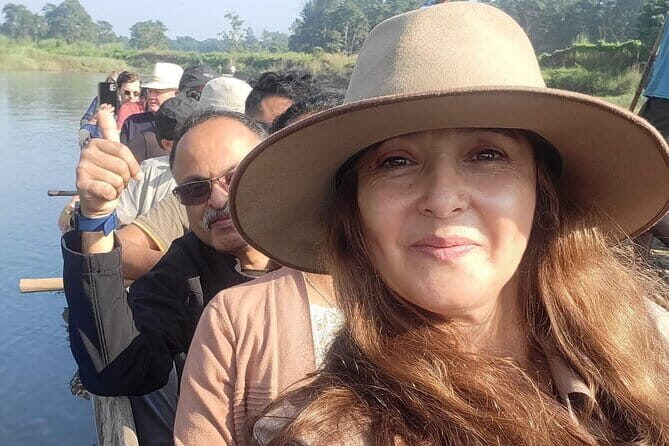
This tour is built around a simple idea: don’t just visit Nepal’s famous sights, connect them in a way that keeps travel time reasonable. You start in Kathmandu, spend time in the valley temples, then pivot to wildlife in Chitwan, shift again to Pokhara’s mountain scenery, and finish with Nagarkot’s hill-station vibe.
What you get is not just a list of places. It’s pacing. Each region has its own “job”:
- Kathmandu = heritage and religious landmarks
- Chitwan = animals, rivers, and jungle walking time
- Pokhara = viewpoints and early-light scenery
- Bhaktapur and Nagarkot = added heritage plus a final nature-leaning night
The private format helps. Even though the tour is advertised as private (only your group participates), you still get local English-speaking guidance on the days that benefit most from interpretation and timing.
You can also read our reviews of more private tours in Kathmandu
Your Kathmandu day: Durbar Square, Swayambhunath, Pashupatinath, Boudhanath
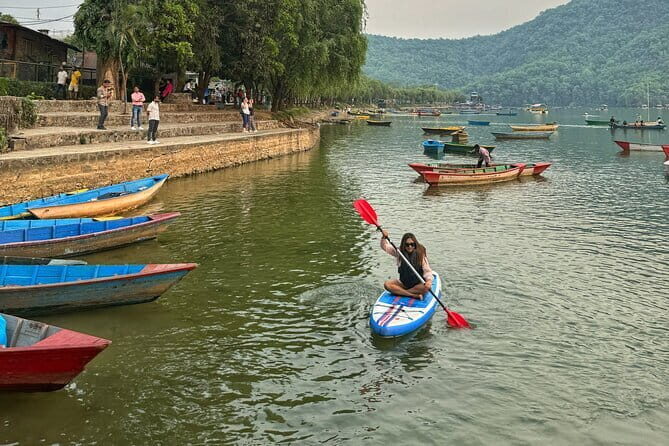
Kathmandu is where this trip earns its cultural points fast. On Day 2, you’ll cover four major stops, each with about a couple of hours allocated. Entrance fees are included, which matters because these sites can be expensive if you’re counting every rupee.
Kathmandu Durbar Square (royal roots and temple detail)
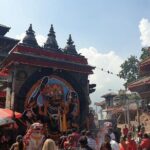
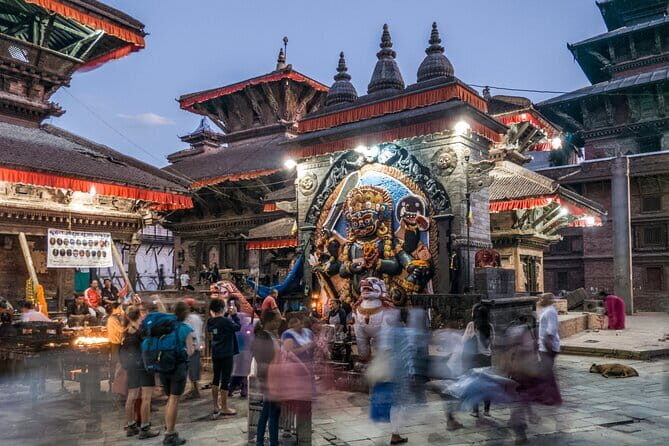
Kathmandu Durbar Square sits in the center of the city and is tied to the ancient royalties of Nepal. It’s known for the royal square and temples dedicated to Hindu deities. If you like old stonework and tight alley-scale walking, this is a good day starter. It also sets the tone: Kathmandu isn’t just scenic; it’s also ceremonial and historical in a very physical way.
Practical note: this kind of site is great for photos, but wear shoes you trust. Even with organized time blocks, you’ll be on uneven ground.
Swayambhunath (a stupa with big symbolism)
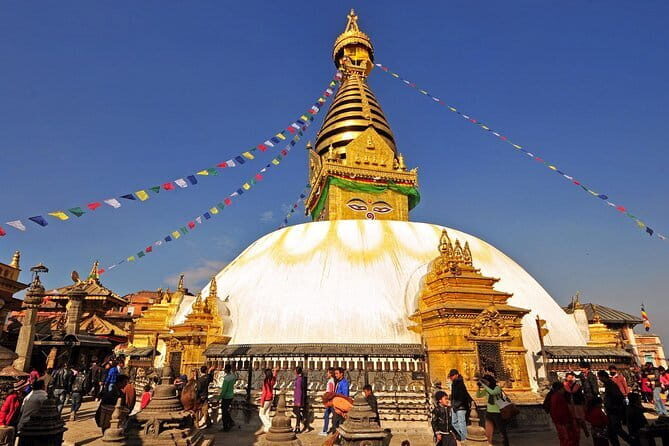
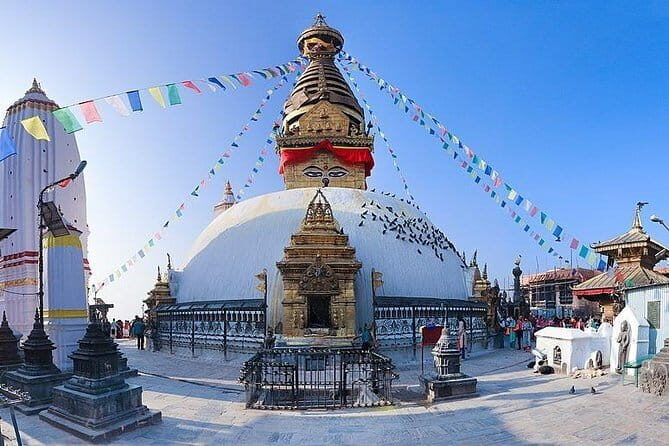
Next up is Swayambhunath, a Buddhist stupa on a hillock west of the city center. It’s considered one of the top attractions in Kathmandu and is known for ancient architecture and symbolism.
Why it works on a tour like this: it’s visually different from the Hindu-heavy stops. You get a shift in viewpoint, literally and spiritually, which keeps the day from feeling repetitive.
Bring something simple for comfort. You’ll likely be climbing stairs, and you’ll want sun protection.
Pashupatinath Temple (major Hindu shrine, Shiva Lingams)
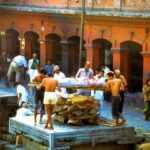
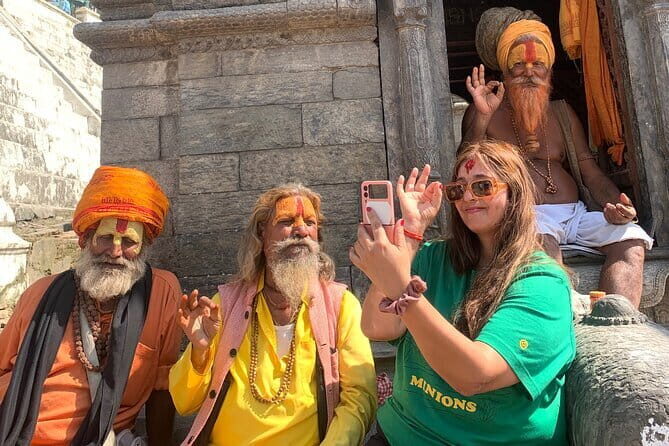
Then comes Pashupatinath, one of the holiest Hindu shrines in South Asia. The tour description highlights it as a major and large temple complex with iconic Hindu figures and hundreds of Shiva Lingams.
This stop is intense in a quiet way. Even if you don’t plan to study every detail, the place communicates importance. It’s a strong anchor in the Kathmandu set.
Boudhanath Stupa (one of the world’s biggest old Buddhist monuments)
You close the Kathmandu circuit at Boudhanath Stupa, described as one of the biggest and oldest Buddhist monuments in the world. It’s also considered the tomb of Kassapa Buddha, and it’s a major Buddhist destination.
This is a good finale for the day because it feels expansive. You go from temple-to-temple to a stupa-centered world where the atmosphere changes again.
Guide support on the right day
This entire Day 2 segment is paired with an experienced English-speaking tour guide for Kathmandu sightseeing. That’s a big deal here. These sites are full of context, and having someone explain what you’re looking at can turn a photo stop into a real understanding stop.
Getting set up: airport transfer, hotel check-in, and the Kathmandu reset
Day 1 is straightforward: you’re met at Tribhuvan International Airport or your hotel by a representative from K.J. Adventure Nepal, then transferred to your hotel. That matters because arriving in a new country with luggage is where mistakes happen.
Day 7 brings a Kathmandu reset. After the Pokhara portion, you return to Kathmandu and get escorted to your hotel so you can freshen up.
A small but practical detail: the tour ends back at the meeting point. That reduces the stress of trying to figure out a late-day pickup when you’re tired.
If you like to travel light, you’ll appreciate how the tour design uses private surface transfers and scheduled sightseeing blocks instead of leaving you to assemble plans.
Chitwan National Park: wildlife time with a Rapti River canoe ride
Chitwan is where the trip stops being stone-and-ritual and starts being about nature. The tour gives you two full days tied to Chitwan National Park.
Day 3 travel to the park and scenic drive time
After breakfast, you head from Kathmandu toward Chitwan on a route via the Mugling–Narayanghat road. The drive takes roughly 5–6 hours, and you’ll pass through terraced fields, green valleys, and plains views along the way (the trip description notes plenty of scenic scenery and a change in atmosphere).
This is one of those “you’ll remember the motion” legs. Nepal changes fast as you descend.
Day 4: canoe ride, bird watching, and crocodiles
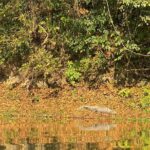
Day 4 is the big wildlife day with regular jungle activities. You’ll go for a canoe ride along the Rapti River, with bird watching and a chance to see crocodiles. The itinerary notes the marsh mugger as one of the rare species you might spot, plus another rare crocodile species.
A naturalist plus the canoe setting is a smart pairing. The canoe ride slows things down. It also helps you see wildlife behavior rather than just waiting around.
One more practical note: wildlife days can be physically uneven. You may be moving between boat and shoreline areas, and jungle time is not designed to be comfortable in the hotel sense. Pack accordingly and keep your schedule flexible.
Pokhara: the road to views, then Sarangkot before sunrise
Pokhara is where many people go to decompress after temple days, and this tour targets that with timing.
Day 5: the drive to Pokhara
You travel from Kathmandu to Pokhara in a scenic 5–6 hour drive via the Prithvi Highway route. The route is described as offering terraced fields, green valleys, and views of the occasional bazaars. Even if you focus on the destination, you get a sense of Nepal outside the capital.
Day 6: Sarangkot at 1,592m for sunrise views
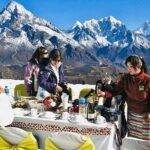
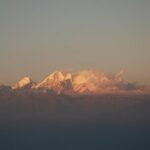
You start before sunrise for a Sarangkot excursion. Sarangkot sits at 1,592m and is described as a famous viewpoint for sunrise with incredible glimpses from the hilltop.
This is not a late breakfast kind of day. It’s a wake-up-and-go plan. If you struggle with early mornings, build in extra rest the night before.
What I like about this choice: the tour puts the big sunrise moment on the calendar instead of leaving it as a maybe. That’s the difference between seeing sunrise and just hearing about it.
Also, Pokhara sightseeing on Day 6 includes an English-speaking guide and entrance fees for the sightseeing sites. That helps when you’re trying to connect viewpoint names to what’s physically in front of you.
Bhaktapur’s Durbar Square and a Nagarkot night for the final view
On Day 8, you add two stops that balance heritage and nature.
Bhaktapur Durbar Square: Kathmandu Valley heritage beyond the capital
After breakfast in Kathmandu, you drive to Bhaktapur Durbar Square. Bhaktapur is an ancient city in the eastern part of the Kathmandu Valley, and it’s known for its culture.
This stop is included with entrance fees. It’s a nice change from Kathmandu’s main cluster because Bhaktapur offers a different feel while still being in the same broader heritage zone.
Nagarkot: a hill station close enough for one unforgettable night
After Bhaktapur, you drive to Nagarkot, about 32 kilometers north of Kathmandu. Nagarkot is described as a popular hill station known for startling sunrise and sunsets.
You stay at Hotel Mystic Mountain, with breakfast and dinner included for the night.
This final night is a good end to the itinerary because it slows the pace. You’re not swapping cities; you’re letting the mountain light do the work.
Price and what you really get for $1,250 per person
The advertised price is $1,250 per person for about 9 days. On paper, that can look either like a good deal or a lot, depending on what you think you’d spend DIY.
Here’s what the price covers, in plain language:
- 3 nights in Kathmandu and 2 nights in Pokhara at 3-star twin-share hotels with breakfast
- 2 nights in Chitwan at Green Park Chitwan or similar, with all meals included
- 1 night in Nagarkot at Hotel Mystic Mountain, with breakfast and dinner
- Private surface transfers for Kathmandu, Chitwan, Pokhara, return to Kathmandu, then Nagarkot
- Jungle entry fees in Chitwan
- Regular jungle activities with a local English-speaking naturalist
- English-speaking guides for Kathmandu sightseeing (Day 2) and Pokhara sightseeing (Day 6)
- Entrance fees for Kathmandu and Pokhara sightseeing sites
- A farewell dinner
- Taxes handled, plus a mobile ticket option
What’s not included is equally important:
- International airfare
- Nepal visa fee
- Lunch and dinner in Kathmandu and Pokhara
- Travel insurance and rescue insurance
- Personal expenses and tips for guide and driver
My take: the price makes sense if you value not planning logistics across four regions. The private transfers and guided sightseeing reduce the mental load. If you’d otherwise spend days arranging guides, tickets, and transport, this package becomes more attractive fast.
If you’re the type who enjoys total self-planning and you already know the routes and sites, you might find cheaper DIY options. But you’d trade comfort and coordination for savings.
Logistics you should plan for before you go
A few details from the tour setup are worth thinking about now, so your trip feels smooth later.
Timing and walking
Several parts of this itinerary depend on being ready for early starts (Sarangkot before sunrise) and on walking through temple sites. Bring comfortable shoes and sun protection. You won’t need hiking boots, but you do need grip and comfort.
Meals: know where you’re covered
Meals are included in key segments, but not everywhere. Breakfast is included most days, Chitwan includes all meals, and Nagarkot includes breakfast and dinner. Lunch and dinner in Kathmandu and Pokhara are not included, so plan for some independent meals on those days.
Transfers and meeting point
The meeting point is Nepali Ghar Hotel, 26 Amrit Marg, Kathmandu 44600. The tour start time is listed as 8:00 am, and the tour ends back at the meeting point.
If you want a calm arrival day, use Day 1 for getting settled and don’t schedule anything too ambitious after you land.
Mobile ticket convenience
A mobile ticket is included, which often means less paper hassle. Still, keep digital copies handy on your phone and as a backup.
Should you book this Best of Nepal 9-day private tour?
I’d book this tour if you want a clean, efficient Nepal plan that hits major highlights without you building the machine yourself. It’s especially a good fit if:
- you care about getting context at the big Kathmandu sites
- you want Chitwan wildlife time that includes a Rapti River canoe ride
- you prefer your sunrise moments scheduled (Sarangkot) instead of guessed
- you’re traveling as a couple or small group and want private surface transfers
I’d hesitate if:
- you want full control of meals every day, since lunch and dinner in Kathmandu and Pokhara aren’t included
- you have a tight early-morning limit, because Sarangkot is before sunrise
- you’re trying to minimize extra costs tied to tips and personal spending
Given the mix of guided city sightseeing, naturalist-led wildlife time, and organized transport, this is the kind of itinerary that tends to feel good for first-time Nepal visits and for anyone who wants less stress and more done each day.
FAQ
Where does the tour start and what time?
The tour starts at Nepali Ghar Hotel, 26 Amrit Marg, Kathmandu, with a start time listed as 8:00 am.
Is this a private tour?
Yes. It’s described as private, meaning only your group participates.
Do you get airport pickup in Kathmandu?
You’re met either at Tribhuvan International Airport or at your hotel in Kathmandu, then transferred to your hotel.
What hotels are included?
Kathmandu and Pokhara use 3-star category twin-share hotels with breakfast. Chitwan uses Green Park Chitwan or similar with all meals included. Nagarkot uses Hotel Mystic Mountain with breakfast and dinner.
Are entrance fees included for sightseeing?
Yes, entrance fees for sightseeing sites in Kathmandu and Pokhara are included.
What Chitwan activities are included?
Chitwan includes regular jungle activities with a local English-speaking naturalist, plus jungle entry fees. The plan includes a canoe ride along the Rapti River for bird watching and possible crocodile viewing.
Are guides provided in English?
Yes. An experienced English-speaking tour guide is included for Kathmandu sightseeing (Day 2) and Pokhara sightseeing (Day 6). Chitwan includes a local English-speaking naturalist.
What meals are included during the tour?
Breakfast is included 7 times. Lunch is included 2 times, and dinner is included 4 times. Lunch and dinner in Kathmandu and Pokhara are not included. Chitwan includes all meals.
Is international airfare or the Nepal visa fee included?
No. International airfare and the Nepalese visa fee are not included.
Can I cancel for a full refund?
You can cancel up to 24 hours in advance for a full refund. If you cancel less than 24 hours before the start time, the amount paid is not refunded. Cut-off times use local time.