REVIEW · KATHMANDU
Everest Base Camp Budget Trekking
Book on Viator →Operated by Global Holidays Adventure P. Ltd · Bookable on Viator
Lukla to Everest Base Camp is pure uphill drama. This 14-day budget trek strings together the classic Khumbu route with smart acclimatization days and a private setup you can actually relax into. I like how straightforward the plan feels day to day, and I really like that the itinerary doesn’t rush altitude. The main drawback: you still need to respect the mountain—high days and a few long walks mean you can’t treat this like a casual hike.
I also appreciate the practical support behind the scenes: an English-speaking trekking guide, porters, permits handled, and even a sleeping bag included. And when you’re coordinating from the US, having a named contact like Surya (with Samsher) organizing the moving parts can make the whole trip feel less intimidating. One more consideration: your trek meals and drinks are on you, and hot showers aren’t part of the deal.
In This Review
- Key highlights to know before you go
- Everest Base Camp on a budget: what $900 really gets you
- Kathmandu start: airport pickup and an easy launch
- Lukla flight day: short, scenic, and not to be trifled with
- Phakding to Namche: your first taste of the Khumbu
- Namche acclimatization day: don’t skip it
- Tengboche and Dingboche: altitude climbs with a purpose
- Lobuche and the route to Base Camp: where the miles feel different
- Kalapattar (5,545m): the big view hike and the big effort
- The way back: Namche, Lukla, and the transition out of altitude
- Guides, porters, permits, and staff support you’ll actually feel
- Sleeping bag and first aid: small items that matter at altitude
- Value vs. costs: what’s included, what you must pay for
- Who should book this Everest Base Camp budget trek?
- Should you book Everest Base Camp Budget Trekking?
- FAQ
- Where does the trek start and end?
- How long is the Everest Base Camp trek?
- What is included in the price for transport?
- How much luggage can I bring on the Lukla flights?
- Do I need previous climbing experience?
- What about acclimatization during the trek?
- Are meals included during the trekking days?
- Is a guide provided?
- Are hot showers and drinks included?
Key highlights to know before you go
- Lukla flights included: Kathmandu–Lukla–Kathmandu are built into the plan, but luggage is limited to 15 kg
- Two acclimatization days: a rest day in Namche and a second one in Dingboche to reduce altitude stress
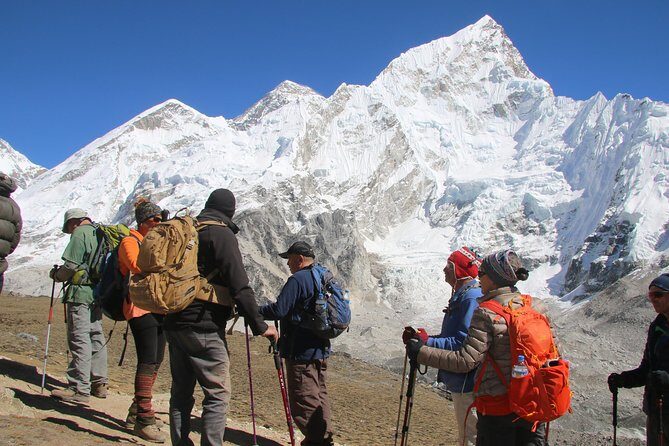
- Classic Everest day: Everest Base Camp at about 5,160m, plus the return to Gorak Shep area
- Kalapattar at 5,545m: one of the big payoff hikes, then a descent to Pheriche
- Permits and park/community fees included: TIMS and Everest National Park permissions are handled
- Private group format: it’s private, so only your group participates
Everest Base Camp on a budget: what $900 really gets you
At $900 per person, this is positioned as a budget-friendly way to do Everest Base Camp without DIY chaos. The value is in what’s included rather than what’s missing. You get flights between Kathmandu and Lukla, staffing (guide and porters), permits and required cards, plus logistics like transportation for the airport transfers.
But you should go into it with clear expectations about costs on the ground. Your trek food is not included, and neither are beverages, mineral water, boiled water, or alcohol. That means your “budget” will still have daily expenses once you’re on the trail—think along the lines of lodge meals and basic drinks, not just snacks.
If you want the classic Everest experience while keeping the planning mostly out of your hands, this package is a solid match. If you’re hoping for an all-inclusive price where you buy nothing once trekking starts, you’ll want to budget separately.
You can also read our reviews of more hiking tours in Kathmandu


Kathmandu start: airport pickup and an easy launch
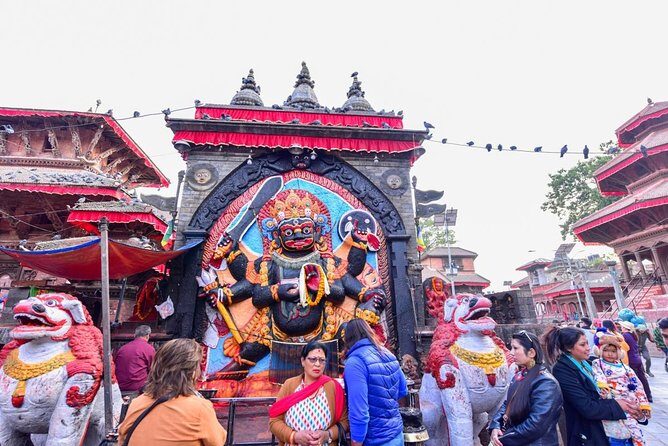
Day 1 is simple: you’re picked up at the international airport in Kathmandu and transferred to your hotel. That matters more than it sounds. Kathmandu can feel loud and fast after a long flight, and having someone responsible for the transfer helps you get your bearings quickly—then you can spend your remaining time on hydration, light walking, and packing checks.
You’ll also be able to confirm what’s needed for the Lukla flight. The biggest practical item to watch is luggage weight. This trip includes the Kathmandu–Lukla flight fare, but flights allow only 15 kg luggage per person, so plan like you’re hiking to a place where extra things become extra work.
Lukla flight day: short, scenic, and not to be trifled with
The plan sends you to Lukla on Day 2. The trek begins immediately in the Khumbu region, with a short hiking day to Phakding (about 2,652m). Even though it’s only 3/4 hours of walking, it’s still a useful “warm-up” into trekking rhythm.
Real talk: flights to Lukla can be weather-sensitive. This package covers helicopter charter fees? No. That means if a flight delay or cancellation happens, you wouldn’t get helicopter help included. In practice, trekking operators often work around it, but you should plan for the possibility of waiting time.
The payoff is that you’re not spending days driving and scrambling into remote trailheads. That’s the trade: you accept the flight variability so you can start trekking in a way that’s efficient and more typical for Everest Base Camp routes.
Phakding to Namche: your first taste of the Khumbu
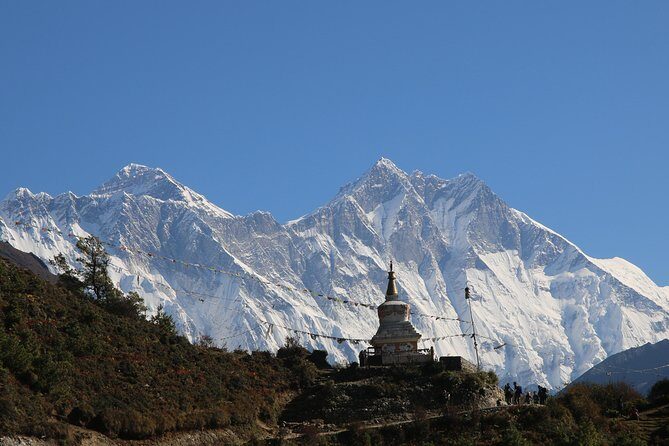
Day 2 finishes in Phakding at about 2,652m. Day 3 climbs to Namche Bazaar (about 3,440m), with a walking time around 5–6 hours. This is where you feel the change. Even when the trail is well traveled and lodge networks are strong, your breathing starts telling you the truth.
Namche Bazaar is more than a waypoint—it’s a high-altitude hub for shops, lodges, and views. You’ll spend the next day acclimatizing here, which is a big deal for your safety and comfort.
Namche acclimatization day: don’t skip it
Day 4 is specifically an acclimatization day in Namche. The itinerary then continues with another big step later, but this pause is designed to help your body adjust. Altitude on Everest treks isn’t a vibe check; it’s a real health factor.
Because many trekkers climb above 4,500m, acute mountain sickness (AMS) is a serious risk in this region. That’s why the plan includes rest and slow altitude progress. I like this structure because it acknowledges something you can’t out-will: your physiology needs time.
If you’re tempted to “push through” on acclimatization days, this is where you should resist. Walk gently, hydrate, and keep the day low intensity. Your future self will thank you around Dingboche.




Tengboche and Dingboche: altitude climbs with a purpose
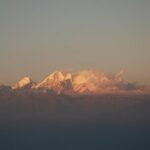
Day 5 treks to Tengboche (about 3,860m) in about 5–6 hours. This is a classic stretch of trail where you’ll feel more consistently high than you did on the first days. It’s also the kind of day where you’ll start noticing how quickly temperatures drop in the shade.
Day 6 continues to Dingboche (about 4,410m) with another 5–6 hour walk. That’s a meaningful jump in altitude. Day 7 is your second acclimatization day in Dingboche, built into the plan for a reason: the trek keeps rising quickly.
This is also where your pacing matters. The route is popular and the trail network is established, but altitude still punishes fast walkers. You’ll usually do best by moving steadily, taking short breaks, and keeping your breathing calm.
Lobuche and the route to Base Camp: where the miles feel different
Day 8 goes to Lobuche (about 4,910m) in about 5–6 hours. At this elevation, every extra layer counts and energy management gets real. You’re working at a point where the air is thin enough that even comfortable hiking can feel heavier.
Day 9 is the Everest Base Camp day (about 5,160m). The plan is to trek to Everest Base Camp and then return to the Gorekshep area, with another 5–6 hours. This is one of those days where you might feel a little split between excitement and fatigue.
Practical tip: treat this day like a mission, not a victory lap. Don’t sprint to Everest Base Camp. Aim for steady progress so you have enough reserves to enjoy the moment and handle the return.
Also, because EBC sits at high altitude, lodge stays and rest might not feel like a normal sleep. Build in patience with yourself that night.
Kalapattar (5,545m): the big view hike and the big effort
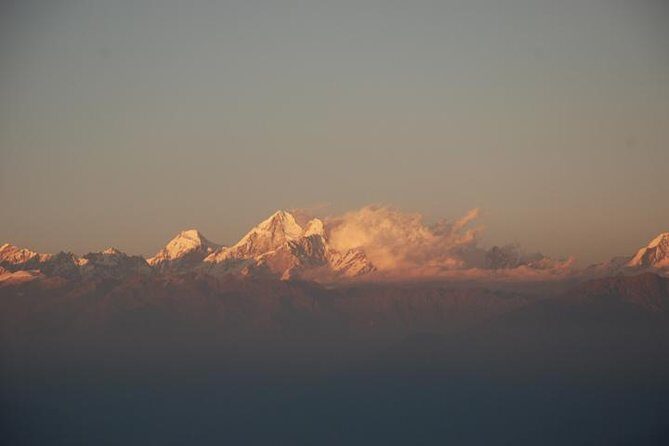
Day 10 includes hiking to Kalapattar (about 5,545m) and then trekking down to Pheriche (about 4,210m) in around 6–7 hours. This is a demanding day for a reason: you gain elevation again to chase one of the best vantage points in the region.
Even if the goal is views, you still need smart hiking. Keep your steps short, your pace slow, and your rest breaks frequent. If you start feeling lightheaded, don’t “push through” just because you’re close. Everest treks reward caution.
Then comes the descent to Pheriche. That drop in altitude can feel like relief, even if the trail is still work. You’ll sleep higher than you started the day, but not nearly as high as Kalapattar.
The way back: Namche, Lukla, and the transition out of altitude
Day 11 returns to Namche (about 6–7 hours). Day 12 goes back to Lukla (about 6–7 hours). At this point, your legs are doing a different kind of work: fewer dramatic altitude increases, but still steady walking on trails that can be tiring under fatigue.
Day 13 is the flight back to Kathmandu at about 1,337m. Going from Khumbu altitude down to Kathmandu is a major physical shift. Even if you feel better right away, give yourself an easy day in the city. You’ll likely be tired in a very specific trek way: legs sore, lungs a bit grateful, mind buzzing.
Day 14 is your final departure to your onward destination. If you’re catching a same-day flight, plan extra buffer time, because travel days in Nepal don’t always move at your preferred speed.
Guides, porters, permits, and staff support you’ll actually feel
This trek includes one professional English speaking trekking guide and necessary porters. You also get permits and required trail paperwork handled: the Everest National Park permit, local community fees, and the TIMS (Trekking Information management System) card fees.
I think this is a meaningful part of the value. Paperwork delays and trail uncertainty are real problems when you do things independently. When your guide team is responsible for permissions and local requirements, you can spend your brain on the trail.
The organization also seems to be a strength. In the feedback connected to this operator, Surya and Samsher are named as key people in keeping the planning organized for people coming from abroad. That kind of communication matters when you’re trying to line up flights and gear from far away.
Sleeping bag and first aid: small items that matter at altitude
You’re provided good quality sleeping baggage during the trek, and it’s refundable after you finish. That’s not just comfort—it’s also practical in cold nights. You’re going to feel temperatures drop fast at elevation, and having proper sleep gear reduces the chance you’re miserable and under-rested.
There’s also a first aid kit included. It’s not the same as having a personal doctor in your daypack, but it does show the trip is set up with basic safety in mind.
Value vs. costs: what’s included, what you must pay for
Here’s the clean way to think about it:
Included that reduces your hassle:
- Kathmandu–Lukla–Kathmandu flights (15 kg luggage limit)
- Guide, porters, staff logistics, insurance, equipment/medicine for staff
- National park permit, community fees, and TIMS card fees
- Sleeping bag for trekking use
- A complementary farewell cultural Nepali dinner on the last day
- Airport transfers in Kathmandu
Not included that affects your daily budget:
- Nepal entry visa fees and your international airfare
- Any meals during the trek
- Beverages and drinks during the trek (including mineral water, boiled water, and alcohol)
- Hot shower during the trekking
- Travel insurance and emergency rescue coverage
- Helicopter charter fees if a flight is delayed or canceled due to weather
If you’re trying to budget responsibly, the biggest surprise for many people is the cost of food and drinks on the trail. Plan for lodge breakfasts, lunches, and dinners, plus warm drinks to stay functional in cold air.
Who should book this Everest Base Camp budget trek?
This itinerary is aimed at people who are moderately fit. The trek is described as suitable for all kinds of people who are moderately fit, and you don’t need previous adventure experience. That said, you should treat it as a real trekking challenge. Running, swimming, and walking are recommended as preparation, and people with pre-existing medical flaws should seek medical advice before considering the trek.
I think it fits best if you:
- Want a structured plan with acclimatization built in
- Prefer a guide-led experience rather than self-navigation
- Like the classic Khumbu trail and want the standard Everest Base Camp + Kalapattar combo
It may not be the right match if you:
- Want an all-inclusive price with meals and drinks covered
- Get anxious about high-altitude health risk and would struggle to slow down
- Have limited flexibility if Lukla flights face weather delays (because helicopter charter fees aren’t included)
Should you book Everest Base Camp Budget Trekking?
I’d book this trip if you want the Everest Base Camp experience with solid logistical support, clear altitude pacing, and a price that stays relatively reasonable for what it includes—especially the Lukla flights and the permit paperwork.
I’d hesitate if you’re trying to make the total cost fully predictable without adding daily trek meals and drinks. Also, take the altitude seriously. Two acclimatization days help, but they don’t erase risk. If you’re prone to altitude issues, or if your training level is low, spend time preparing first.
If you’re ready to work steadily, respect the mountain, and enjoy the lodges and trail towns that make Khumbu trekking feel human, this is a strong way to do it.
FAQ
Where does the trek start and end?
The trip starts in Kathmandu, with airport pickup and a hotel transfer on Day 1. You fly back to Kathmandu on Day 13, and Day 14 is for your final departure to your onward destination.
How long is the Everest Base Camp trek?
The duration is approximately 14 days.
What is included in the price for transport?
You get airport transfers in Kathmandu and the flight fare from Kathmandu to Lukla and back to Kathmandu. The plan also specifies that guides have KTM–LUKLA–KTM flights included.
How much luggage can I bring on the Lukla flights?
The luggage allowance is 15 kg per person.
Do I need previous climbing experience?
No previous adventure experience is required. You should have a moderate physical fitness level, and some running, swimming, and walking are recommended before the trek.
What about acclimatization during the trek?
There are acclimatization days built into the itinerary: one in Namche Bazaar and another in Dingboche. The trek also climbs above 4,500m, so ascending slowly and using rest days is important.
Are meals included during the trekking days?
No. Lunch, dinner, and other meals expenses in Kathmandu are not included, and the trek foods during the walking days are also not included.
Is a guide provided?
Yes. The trek includes one professional English-speaking trekking guide and necessary porters.
Are hot showers and drinks included?
Hot showers during the trek are not included. Beverages, alcoholic drinks, mineral water, and boiled water during the trekking are also not included.