REVIEW · KATHMANDU
Everest Base Camp Trek
Book on Viator →Operated by Adventure Blossom Treks and Expedition Pvt.Ltd · Bookable on Viator
That first look at Everest changes your brain. This Everest Base Camp trek is built around getting you from Kathmandu to the base-camp foothills with the practical support that makes a high-altitude trek feel manageable. I like that the package doesn’t just name-drop a destination—it includes the core logistics: domestic flight to Lukla, overnight stays in Kathmandu, and a staffed team to help you move safely.
I also like the human touch you can feel in how the guides operate. The people behind this trip (including Sunita and Himal) show up in the details—clear guidance, extra care, and a real sense of safety during the trek. One consideration: altitude is serious, and the trip expects moderate fitness, so you’ll want to plan your pacing and acclimatization mindset before you go.
In This Review
- Key highlights to know before you commit
- Kathmandu first: getting set up like a real trek, not a tourist bus ride
- Lukla flight and the trek “switch”: when the adventure becomes real
- Tea-house meals: what you’re really paying for (comfort and consistency)
- Your guide team: safety, pace, and the “above and beyond” stuff
- Gear rental: down jacket and sleeping setup (and what to add yourself)
- Altitude reality: moderate fitness is a real requirement
- Everest Base Camp: the goal, the feeling, and the view that justifies it
- Price and value: why $1,820 might make sense for the full package
- Timing and weather: the mountain runs the show
- Who should book this Everest Base Camp trek
- Should you book it? My honest take
- FAQ
- Where does the trek start?
- What is included in the package for meals?
- Are beverages included?
- Do I need to bring a down jacket and sleeping gear?
- Is this a private tour?
- Is pickup available from the airport?
- Does the price include the domestic flight to Lukla?
- What about international flights and travel insurance?
- Is the experience refundable if I cancel?
- What happens if the trip is canceled due to weather?
Key highlights to know before you commit
- Private group format so it’s just your group, not a chaotic free-for-all
- Airport pickup and drop-off by private vehicle from Kathmandu
- Lukla flight included via domestic flight cost, which saves you a lot of planning hassle
- Tea-house meals included (11 each of breakfast, lunch, dinner) plus 1 cup of tea/coffee per overnight stay
- Downjacket and sleeping gear on a rental basis to reduce what you must pack
- English-speaking guide + assistant guide + porters sized to your group
Kathmandu first: getting set up like a real trek, not a tourist bus ride
Even if your feet won’t hit trail right away, the Kathmandu portion matters. The package includes 3 nights in a standard twin-sharing room on a bed-and-breakfast basis, which means you start from something stable: you can sleep, eat, and sort your gear without scrambling. After a long travel day, that is not a small win.
I also like that the trip includes airport pickup and drop-off by private vehicle based on your group size. In Kathmandu, that kind of door-to-door help can save you from the classic first-day confusion—where your body is tired, your phone battery is low, and your directions are… optimistic.
One more practical detail: you’ll use a mobile ticket. That helps if you prefer not to carry paperwork around while you’re dealing with altitude preparation, layering, and timing.
You can also read our reviews of more hiking tours in Kathmandu


Lukla flight and the trek “switch”: when the adventure becomes real
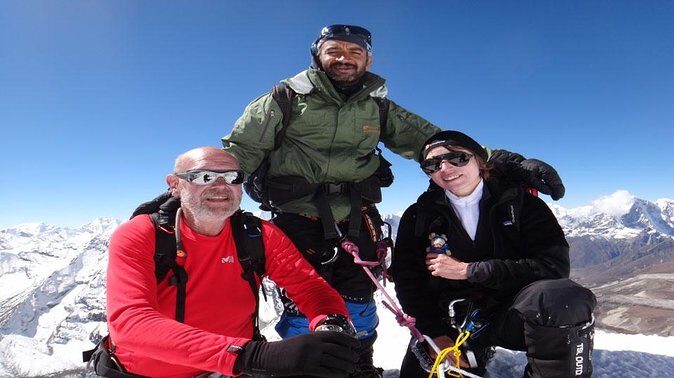
The package explicitly includes the domestic flight cost to Lukla, plus private vehicle support around Kathmandu. That matters because Lukla isn’t a casual stop—it’s the jump-off point that turns a travel dream into an actual trek.
If you’re price-comparing packages, don’t underestimate that detail. People often shop based on the trek rate alone, then discover later that flights are the expensive add-on. Here, the flight component to Lukla is built into the cost, which usually makes it easier to plan your total spend without surprises.
One thing I’d treat as a must: you’ll want to be mentally ready for the fact that flights in Nepal can be weather-dependent. The experience also states it requires good weather, so the mountain doesn’t care about your itinerary preferences.
Tea-house meals: what you’re really paying for (comfort and consistency)
This package includes a full set of tea-house meals: 11 breakfasts, 11 lunches, and 11 dinners, plus 1 cup of tea/coffee with the overnight stay. That’s a big deal for two reasons.
First, it reduces decision fatigue. On a trek, you spend enough energy just staying warm and keeping your footing. Knowing meals are handled helps you focus on breathing and pacing.
Second, it helps you manage altitude-day logistics. Tea houses are where trekkers actually rest, eat, and reset for the next push. When meals are included, you’re not constantly negotiating what’s available at each stop or worrying about whether you’ll find something compatible with your appetite and energy.
What’s not included is also important: any kind of beverage isn’t covered (beyond the tea/coffee cup mentioned). If you’re a big water buyer or you like other drinks, budget for that.
Your guide team: safety, pace, and the “above and beyond” stuff
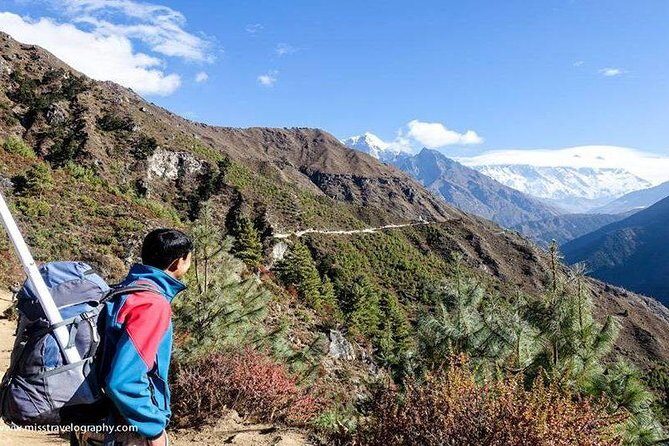
The most consistent praise for this kind of trek is rarely about the mountain itself. It’s about the people who keep you moving at the right speed and watching the small signals that mean you should slow down.
This experience includes an English-speaking trekking guide and an assistant guide, plus porters sized to your group. That team structure matters:
- The guide handles routing, timing, and decision-making.
- The assistant helps keep the group together and supports the flow.
- Porters reduce your load, which can be the difference between finishing strong and arriving wrecked.
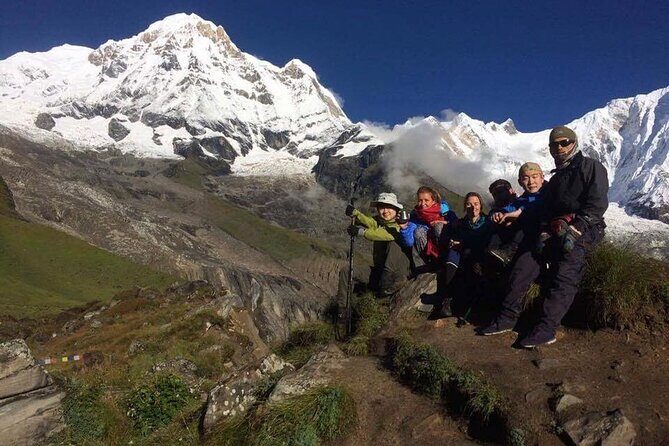
In the reviews, the strongest compliments were about being well cared for and feeling safe. That’s not fluff. On an altitude trek, you want someone who can read conditions, answer questions clearly, and adjust pace when your body asks for mercy.
Also, one review directly points to staff working hard to accommodate last-minute changes. That’s a good sign if your trip planning isn’t perfectly rigid.
Gear rental: down jacket and sleeping setup (and what to add yourself)
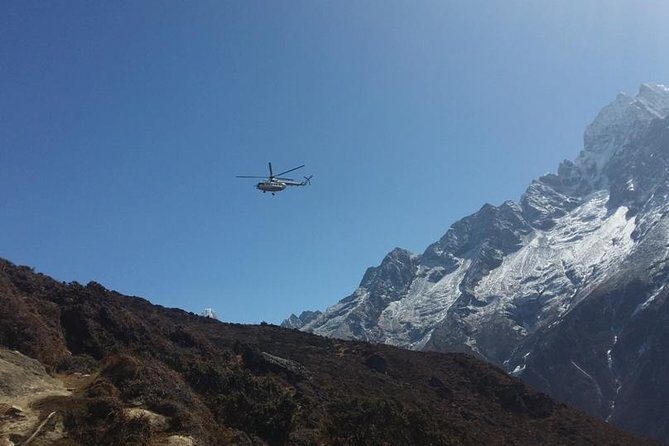
Included on a rental basis are a downjacket and sleeping gear. For many hikers, this is the main “packing relief” perk of the package. It can be a lot easier to show up with a solid base-layer strategy rather than trying to lug bulky sleeping equipment across multiple legs of travel.
That said, rental gear isn’t magic. You’ll still want to bring what keeps you comfortable and functional:
- Layers you can manage on cold mornings and warmer afternoons
- Footwear that you’ve actually worn before (not new shoes on day one)
- Essentials for hygiene and warmth that may not be covered
I’m not guessing what else is or isn’t provided beyond the list. But I am saying this: if rental gear is included, you’ll want to confirm how the rental process works and what condition the gear is in, so you don’t get stuck with something that doesn’t fit right.





Altitude reality: moderate fitness is a real requirement
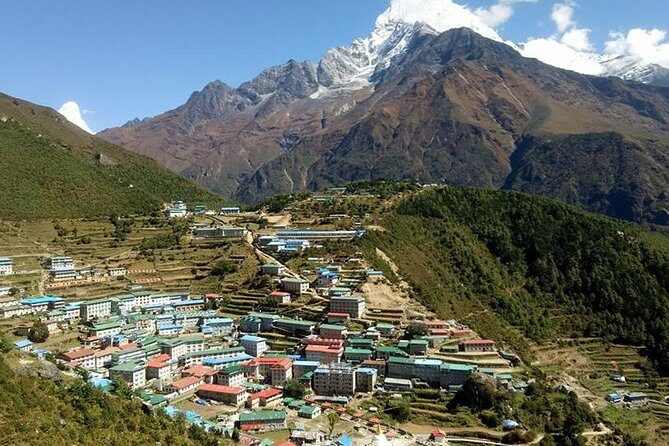
The experience is clearly set up for people with moderate physical fitness. That doesn’t mean you need to be a mountain athlete. It does mean you need to handle long days, slow climbs, and the way altitude changes your breathing and appetite.
Altitude is the big consideration here, and it’s the one that most people underestimate emotionally. You can be strong at sea level and still feel wiped out when the air thins. So treat the trek like a training plan, not a speed contest.
If you’re tempted to push harder than your body wants, remember: this trip expects you to follow the guide team’s pace. The reviews also emphasize safety and care, which tells me the team takes that seriously.
Everest Base Camp: the goal, the feeling, and the view that justifies it
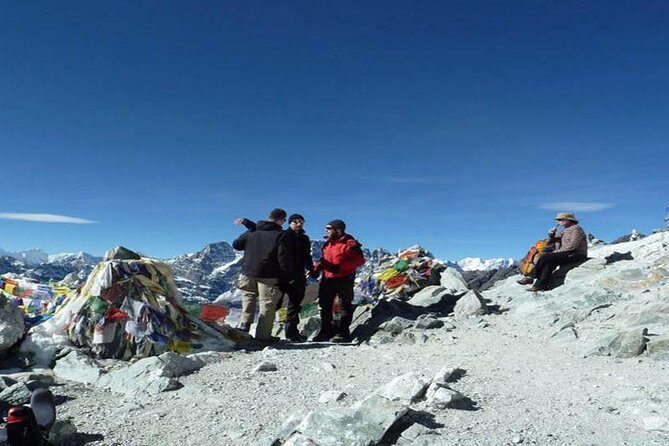
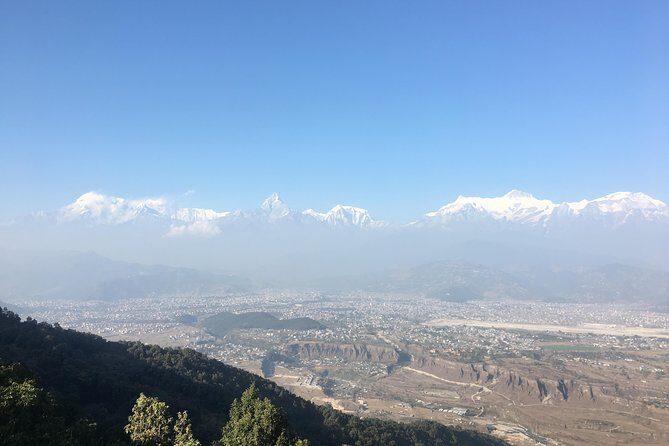
The whole point of an Everest Base Camp trek is to stand in the foothills of the world’s tallest mountain. Even if you’ve read every fact sheet on Everest, the experience itself is still about scale—how big the Himalaya feels when you’re surrounded by it, not watching it through a screen.
This is also why the included tea-house structure matters. You’re not just hiking to a waypoint; you’re living the trekking rhythm: climb, rest, eat, sleep, repeat. The package is built around that rhythm with consistent meals and a guide team to keep things moving.
One interesting twist in the provided tour description: it also talks about an Everest helicopter sightseeing option for visitors who aren’t physically fit to trek. If you’re considering that route instead, I’d take it seriously as an alternative, not a casual add-on. For people who can’t do high-altitude trekking, helicopter viewing can still deliver major mountain visuals without the physical strain.
Price and value: why $1,820 might make sense for the full package
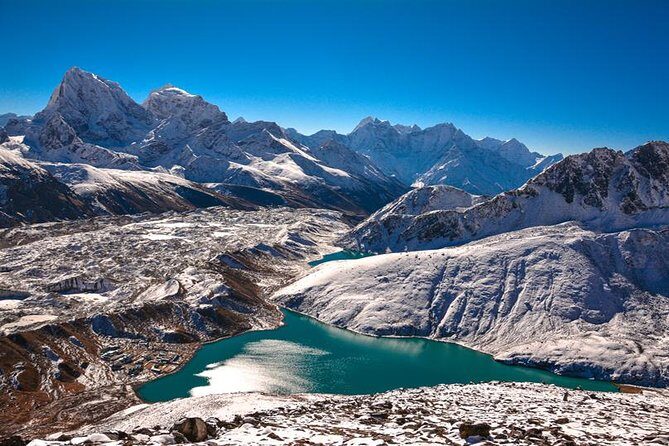
Let’s talk money in a grounded way. The price is $1,820 per person. On paper, that can sound steep—until you price out the components you’d otherwise have to assemble yourself.
Here’s what’s included that usually costs real money:
- 3 nights in Kathmandu (standard twin sharing, bed-and-breakfast)
- Airport pickup and drop-off by private vehicle
- Domestic flight cost to Lukla
- Downjacket and sleeping gear rental
- Tea-house meals (11 breakfasts, 11 lunches, 11 dinners) plus tea/coffee with overnight stay
- English-speaking guide, assistant guide, and porters based on group size
Now compare that to what’s excluded:
- Beverages
- International airfare
- Travel insurance
- Tips for guide/porter
- Anything not listed
For me, the value comes from risk reduction. When a trek includes logistics, meals, and staff, you spend less time coordinating on the fly. You also tend to get a smoother experience because the team is already set up for the rhythm of the trek.
Is it overpriced? It depends on what you’d pay if you booked everything separately. But if you want one package that covers the big operational pieces, this cost can be reasonable.
Timing and weather: the mountain runs the show
The experience states it requires good weather. If weather ruins plans, you’ll be offered a different date or a full refund.
That’s not a minor detail. On Everest-region trips, weather is the wildcard. It can affect flight schedules, visibility, and comfort. So I’d plan for flexibility. If your overall trip is strict and you can’t shift dates, make sure you understand how weather-based changes will affect your wider travel plans.
Also, the description stresses the idea of clear conditions for mountain views (especially early in the day in helicopter-style sightseeing). For a trek, that translates into a simple truth: mornings can bring better visibility, and cooler air can feel easier for climbing—until you factor in wind and warmth.
Who should book this Everest Base Camp trek
This trek fits best if you:
- Want the full Everest foothills experience without trying to DIY the logistics
- Prefer having an English-speaking guide team and porters for safety and comfort
- Have moderate fitness and understand that altitude is part of the deal
- Like the idea of tea-house living where meals and rest are part of the plan
If you already know you can’t handle altitude trekking, the helicopter option mentioned in the description may be more suitable. The right move is the one that matches your body, not just your wish list.
Should you book it? My honest take
I think this is a solid choice if you want an organized Everest Base Camp trekking experience with staffing and core costs handled. The strongest signals are human: guides who explain well, staff who look out for safety, and a team that can handle changes when travel plans get messy. The inclusion of Lukla flight cost, tea-house meals, and gear rental also makes it easier to budget and pack.
But don’t ignore the biggest caution: altitude and fitness. This is not a stroll. If you go in with realistic expectations, good pacing, and respect for the climb, you’ll get a memorable, deeply “I’m really here” kind of trip.
FAQ
Where does the trek start?
The experience is based in Kathmandu, Nepal, with airport pickup and drop-off included by private vehicle.
What is included in the package for meals?
The package includes 11 breakfasts, 11 lunches, and 11 dinners at tea houses, plus 1 cup of tea/coffee with the overnight stay.
Are beverages included?
No. The experience notes that any kind of beverage is not included.
Do I need to bring a down jacket and sleeping gear?
You get a downjacket and sleeping on a rental basis as part of the experience.
Is this a private tour?
Yes. This experience is listed as private, meaning only your group participates.
Is pickup available from the airport?
Yes. Airport pickup & drop by private vehicle is included as per group size.
Does the price include the domestic flight to Lukla?
Yes. The package includes domestic flight cost to Lukla (as part of the included items).
What about international flights and travel insurance?
International flight fare and travel insurance are not included.
Is the experience refundable if I cancel?
No. The experience is non-refundable and cannot be changed for any reason.
What happens if the trip is canceled due to weather?
If it’s canceled due to poor weather, you’ll be offered a different date or a full refund.
If you want, tell me your travel month and your current fitness level, and I’ll help you sanity-check whether the trekking version vs the helicopter alternative (mentioned in the description) is the better fit for you.