REVIEW · KATHMANDU
Everest Base Camp Trekking 14 days
Book on Viator →Operated by Walk Mountain Pvt Ltd. · Bookable on Viator
One of Earth’s toughest walks comes with a smart plan. Everest Base Camp for 14 days combines real Himalayan elevation with the practical structure you need to handle it, starting with a scenic Lukla flight and building acclimatization in Namche Bazaar. You also get strong day-by-day pacing toward Gorakshep and the base camp area, then a classic viewpoint push for Kala Patthar.
What I like most is how clearly the itinerary is staged for altitude acclimatization. Namche isn’t treated like a quick stop; you get an exploration day in the Khumjung and Khunde area, then another acclimatization day near Dingboche before the higher push. I also like the on-the-ground team setup: you travel with an English-speaking, government-licensed trekking leader plus an insured porter, commonly organized as 1 porter for 2 guests, which keeps logistics smoother on steep, long days.
A key drawback to consider is simply this: the trek is at high altitude for many days, with long walking days such as the push to Gorakshep and Everest Base Camp. Even with Diamox and bottled logistics support, you still need to be ready for cold mornings, thin air, and the possibility of weather-related flight changes.
In This Review
- Key things that make this Everest Base Camp trek work
- Kathmandu setup: where your Everest trip actually starts
- Lukla to Phakding: the flight that makes the rest possible
- Namche Bazaar and the acclimatization days that keep you moving
- From Tsengboche/Tengboche monastery to Dingboche’s big views
- Lobuche, Gorakshep, and the walk into Everest Base Camp
- Kala Patthar at 5,545m: deciding with your body, not hype
- Trek back toward Lukla: Tyangboche and the long return rhythm
- Price and value: what $1,440 buys (and what it doesn’t)
- Altitude support, meals, and what you should pack anyway
- Seasons, weather, and crowds in the Khumbu
- Who this trek suits best
- Should you book this 14-day Everest Base Camp trek?
- FAQ
- What’s the starting point and start time for the trek?
- Are flights within Nepal included?
- Is there a sleeping bag provided?
- What meals are included during the trek?
- Who leads the trek and is there porter support?
- What about altitude sickness support?
- Do I need travel insurance?
- Is the Nepal visa fee included?
- Is cancellation free?
Key things that make this Everest Base Camp trek work
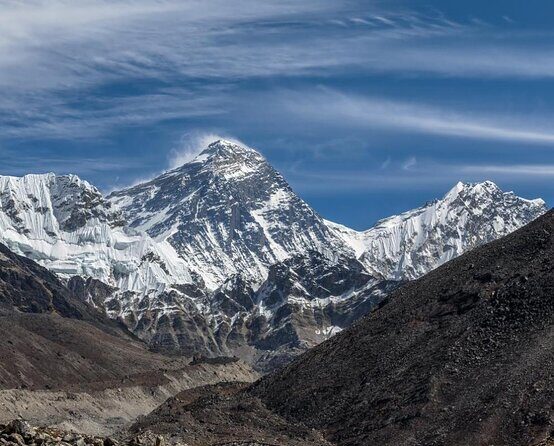
- Lukla flight + valley walking: you trade a long road approach for a classic start that gets you into the Khumbu rhythm fast.
- Two meaningful acclimatization blocks: Namche day and Dingboche day help your body adjust before you go higher.
- Named stops with real character: Monjo gate into Sagarmatha National Park, Tengboche/Tsengboche monastery, and Hillary-linked sites around Khumjung/Khunde.
- Base camp day is built for your pace: the plan supports reaching Gorakshep first, then going on to Everest Base Camp.
- Kala Patthar is treated as a goal, not a gamble: it’s optional in the schedule, so you can decide based on how you feel.
- Small group size: maximum 12 travelers keeps the trek feeling manageable rather than chaotic.
Kathmandu setup: where your Everest trip actually starts
In Kathmandu, the experience begins with practical care: pickup and drop, plus a real head start at a three-star hotel (Hotel Bliss International or similar) for two nights. You get breakfast included, and the itinerary also includes a welcome dinner and farewell dinner, which is more useful than it sounds. You’ll use that time to confirm gear details, understand timing, and do a final run through what you still need for the mountain.
You also get last-minute shopping time. That matters in Kathmandu because a trekking kit can be incomplete in small ways: a spare headlamp battery, a better warm hat, or UV sunglasses that actually handle glare. If you’re coming from abroad, the hotel night before the flight helps you sleep without rushing.
One thing I’d plan around: your start time is 6:30 am, so you don’t want a late dinner, a caffeine spiral, or an overpacked carry-on. This trek rewards getting your routine steady early.
You can also read our reviews of more hiking tours in Kathmandu


Lukla to Phakding: the flight that makes the rest possible
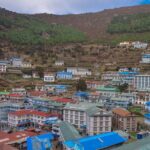
Day 2 is a big jump: Kathmandu to Lukla by scenic flight (about 40 minutes). That short hop is one of the most iconic parts of the Everest Base Camp approach, but it also sets expectations—because Lukla flights can be weather-sensitive. When weather causes delays, the team has a track record of working to get you onto the first possible onward flight once conditions allow. That’s reassuring when the trek schedule is tight.
After Lukla, you walk to Phakding (about 3–4 hours on the schedule). The key value of this day is not just the scenery. It’s your first “real walking” with pack weight on uneven trails, while altitude is rising but still forgiving compared to later days.
Phakding is also the first taste of Khumbu lodge life: local guesthouses and tea houses with basic rooms, usually twin share, and meals included through the trek portion. You’ll learn fast how quickly cold mornings change your comfort level—and why hot drinks and warm layers matter.
Namche Bazaar and the acclimatization days that keep you moving
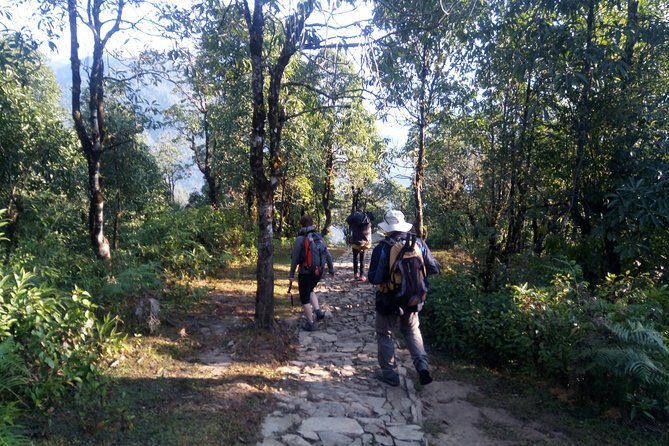
Day 3 climbs toward Namche Bazaar (about 5–6 hours). You’ll pass through Monjo, including the entrance gate for Sagarmatha National Park. This is a satisfying transition point: you go from valley trails into the heart of the protected Khumbu region. Namche sits at 3,440 meters / 11,283 feet, and even though this stage is manageable for many walkers, you’ll feel the altitude if you move too fast.
Then comes the part that makes this itinerary feel more thoughtful: Day 4 is a full acclimatization and exploration day in Namche. You’ll visit sites around Khumjung and Khunde Valley, including the Hillary School and Hillary Museum. There’s also time to check out the Everest View area and more Sherpa community landmarks.
I love this approach because it turns acclimatization into something you can enjoy rather than just “another day of sitting.” You get movement, light sightseeing, and context for the people who live and work at altitude—exactly the kind of experience that makes Everest Base Camp more than just a summit-chase.
If you’re the kind of person who hates wasting time on rest days, this is your proof-of-concept that acclimatization can be active and interesting.
From Tsengboche/Tengboche monastery to Dingboche’s big views
Day 5 moves from Namche to Tsengboche (Tengboche) around 5–6 hours. Tengboche is known in this region for its monastery, and the schedule includes visiting the oldest Tsengboche monastery. This is one of those trail moments where the day feels culturally anchored, not only scenic.
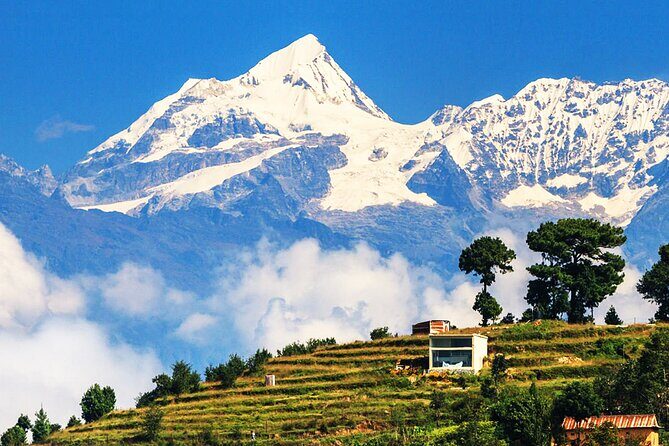
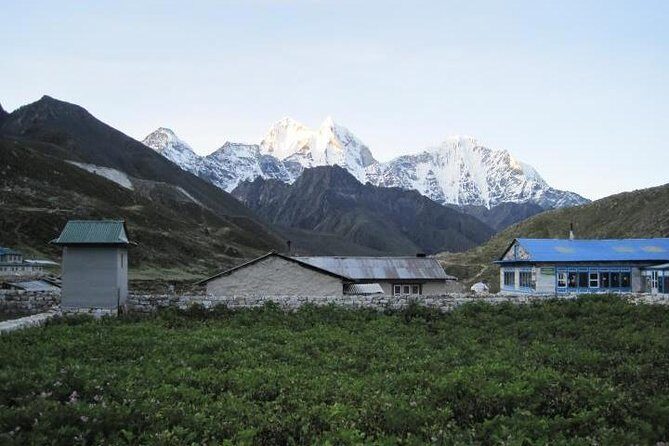
Day 6 brings you to Dingboche (about 5–6 hours). You’ll cross through rhododendron forest and you should enjoy close mountain views, especially Ama Dablam and the Thamsherrku area as described in the route overview. Dingboche sits at about 4,360–4,260 meters in the given plan, and that’s where the trek stops being a casual hike and starts being proper high-altitude trekking.
Day 7 is another acclimatization day. You’ll do a hiking loop around Chukkung and Dingboche at the same elevation level listed. This matters because it reduces the odds of getting hit hard when the trail rises again toward Lobuche and the higher plateau zones.
A quick reality check: acclimatization days only work if you pace yourself. The guide team will help you keep a sensible rhythm, but you still need to follow the basic rules—slow steps, plenty of fluids, and no sprinting for photos.
Lobuche, Gorakshep, and the walk into Everest Base Camp
Day 8 is the push to Lobuche (scheduled 2–4 hours). The plan mentions climbing via Khumbu Glacier, plus “panchromatic” mountain views. Even if the color palette sounds poetic, the practical truth is this: the trail around Lobuche feels exposed and serious, with big views and long shadows in the morning.
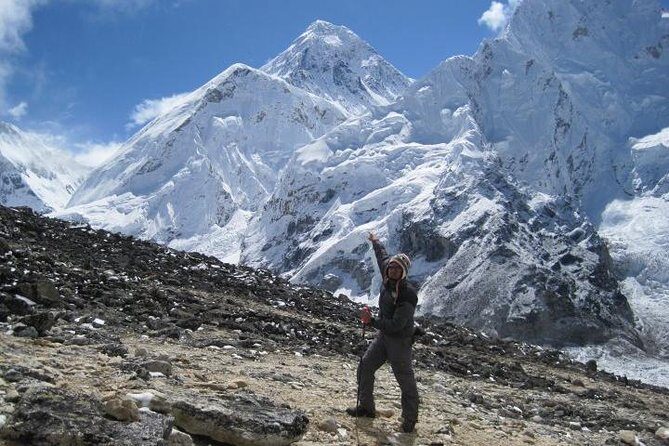
Day 9 is the long, headline day: Lobuche to Gorakshep, then on to Everest Base Camp (listed at 5,364m / 17,594 feet). Expect about 8–9 hours on the schedule, plus walking to the Khumbu Ice-fall area and exploring around base camp after a lunch stop in Gorakshep.
This is also where you’ll understand why the itinerary includes a pre-base camp night in Gorakshep. It positions you so the base camp visit feels like a mission you can complete, rather than a death-march all in one go.
Logistically, you’ll put luggage at Gorakshep first. Then you go forward to base camp and return to stay overnight in Gorakshep. If you’re trying to take photos, remember that cold hands turn “easy” tasks into slow tasks. Bring warm gloves you can operate while holding a camera.
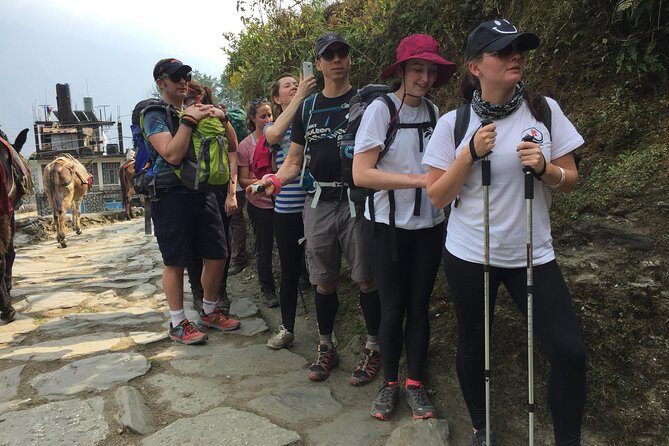
The most praised part of this trek in the feedback you provided is the overall organization and safety mindset. Having an experienced guide, like Ramesh (named in the responses), plus a capable porter team, is exactly how a day like this stays controlled when weather shifts or energy runs low.






Kala Patthar at 5,545m: deciding with your body, not hype
Day 10 is the big viewpoint day: Gorakshep to Kala Patthar and then down to Pheriche (about 8–9 hours total on the schedule). Kala Patthar is listed around 5,545–5,555 meters, and the plan describes an optional hike to get the best look at Everest’s south face without technical climbing.
This is your “work for the view” moment. It’s also where smart decision-making matters. Optional doesn’t mean “skip it if you’re bored.” It means you use how you feel in the morning—headache level, breathing, energy—to decide. If you choose to go, go slow. Don’t chase other people’s pace up.
After the viewpoint, you descend to Pheriche (around 4,730 meters / 15,518 feet in the plan). Descents help, but they also stress knees if your legs are cold and stiff. Trek poles can be worth their weight in calm.
Trek back toward Lukla: Tyangboche and the long return rhythm
Day 11: Tyangboche is on the list, about 4–5 hours. Day 12 is back to Lukla (around 5–6 hours). This return phase matters for two reasons.
First, it lets your body recover from the higher elevations. Second, it gives you a different perspective on the same valleys. The mountains are still there, but your brain starts reading the trail differently—less survival mode, more “I can appreciate this.”
By Day 12, you’re also already thinking about the flight back. That flight on Day 13 is Kathmandu-bound (listed fly back to Kathmandu at about 1,300 meters elevation). Day 14 is departure from Kathmandu.
Price and value: what $1,440 buys (and what it doesn’t)
At $1,440 per person for roughly 14 days, the value isn’t just the trek. It’s the package: domestic flights Kathmandu–Lukla–Kathmandu, Kathmandu hotel nights, meals during the trek, and a licensed guide plus an insured porter arrangement (1 porter for 2 guests). You’re also covered for official trekking government taxes and expenses, and you get a trekking map.
You also get actual gear support that reduces costs upfront: sleeping bag provided through the trip (returned after completion) and a map. That can be a meaningful budget win if you’re traveling light or renting gear elsewhere.
What’s not included is where you need to plan carefully:
- Nepal visa fee (cash USD and two passport photographs are mentioned)
- International airfare
- Travel and health insurance, especially emergency helicopter rescue insurance (recommended)
- Kathmandu lunch and dinner
- Tips for guide, porter, and driver
- Alcohol, cold drinks, mineral water, and beverages during the trek
- Hot shower and battery charges (available for extra cost or free in some lodges)
For me, the “value check” is this: you’re paying to remove guesswork. The itinerary includes meals and lodging coordination at tea houses, plus a professional leader. That’s what keeps the trek from becoming a logistics test.
Altitude support, meals, and what you should pack anyway
The plan mentions several forms of support for altitude and cold:
- A guide with first aid kits
- Diamox for altitude sickness if needed
- Water purification pills
- A sleeping bag rated down to zero degrees F
That’s helpful, but I’d still treat this as a do-your-part trek. Bring warm layers you trust, and don’t rely on supplements as a substitute for pacing and hydration.
Meals: during the trek, breakfast, lunch, and dinner are included. The food is described as not as fancy as Kathmandu, but organic, delicious, and quite healthy. In practical terms, you’ll likely eat a familiar cycle of warm staples in tea houses. It won’t be fine dining, but it’s real fuel for cold, high-walking days.
Comfort notes:
- Hot water may be available in tea houses with 24/7 hot water facility but charged
- Battery charging can cost extra or be free at some lodges
- Rooms are twin share; some places may have private bathrooms
Gear is mentioned in detail, and it’s exactly the type of list you should follow. Don’t ignore it just because you’re excited. Key items that matter on Everest Base Camp:
- Sunglasses with UV protection
- Light balaclava or warm fleece hat
- Headlamp with spare bulbs/batteries
- Waterproof shell jacket and shell pants
- Thick wool socks plus thin inner socks
- Trekking poles (highly useful)
- Sunscreen and a sun hat/scarf setup
Also, your daypack matters. Keep essentials accessible: water, snacks, lip balm, and a warm layer for quick weather changes.
Seasons, weather, and crowds in the Khumbu
The best seasons given are autumn (Sept. to Nov.) and spring (March to May) for sunny conditions and strong visibility. Weather is more forgiving then, so your base camp and Kala Patthar views are more reliable.
Winter (Dec.–Feb.) is listed as an option if you want fewer crowds, with the tradeoff that winter temperatures can be harsh. Monsoon/summer (June–Aug.) can bring rain, and rain can affect trail conditions and flight reliability.
Also, this trek runs with a maximum of 12 travelers, so even in busier seasons it won’t feel like an ant trail. Still, Everest Base Camp is a famous destination; you should expect a sense of shared momentum at key stops.
Who this trek suits best
This Everest Base Camp plan is a great fit if you want:
- A structured acclimatization route with clear high-altitude pacing
- A guided experience led by an English-speaking, government-licensed trekking leader
- Teahouse trekking with included meals and coordinated lodging
It’s also a good fit for people who want cultural context while trekking. The time around Khumjung and Khunde, plus monastery visits, gives you more to talk about than weather and altitude alone.
You’ll want moderate fitness. The schedule includes days with 8–9 hour walking and higher elevations from Dingboche upward, so train for long, steady hikes with an emphasis on endurance.
Should you book this 14-day Everest Base Camp trek?
Yes—if you want a well-run route that protects your energy, supports altitude with practical tools, and doesn’t make you piece together logistics on your own. The strongest promise here is not just the mountain. It’s the combination of small group size, licensed leadership, and consistent meal and lodge planning that keeps you focused on the walk.
I’d hold off or ask tough questions if you’re unsure about altitude tolerance or you’re counting on hot shower comfort and charger convenience daily. Those are variable at tea houses and can cost extra.
If you’re ready for cold mornings, long days, and the mental game of high altitude, this trek is a serious choice with real payoff—especially on the Gorakshep-to-base-camp day and the Kala Patthar viewpoint decision.
FAQ
What’s the starting point and start time for the trek?
The meeting point starts at 6:30 am, with airport pickup/drop included.
Are flights within Nepal included?
Yes. The package includes Kathmandu–Lukla–Kathmandu flights with airport taxes.
Is there a sleeping bag provided?
Yes. You receive a sleeping bag for the trip, and it is returned after trip completion.
What meals are included during the trek?
During the trek, you get breakfast, lunch, and dinner. Kathmandu includes breakfast, plus welcome and farewell dinners.
Who leads the trek and is there porter support?
You travel with an English speaking, government licensed trek leader and an insured porter. The plan states 1 porter for 2 guests.
What about altitude sickness support?
The additional info says guides carry first aid kits and the trip provides Diamox for altitude sickness if needed, along with water purification pills.
Do I need travel insurance?
Travel and health insurance, including emergency helicopter rescue insurance, is not included and is the most recommended item to arrange.
Is the Nepal visa fee included?
No. The Nepal visa fee is not included. You’ll need small denomination cash USD and two passport photographs.
Is cancellation free?
Yes. Free cancellation is available up to 24 hours in advance of the experience start time for a full refund.