REVIEW · KATHMANDU
Everest Base Camp Trekking
Book on Viator →Operated by Above the Himalaya Trekking · Bookable on Viator
Everest Base Camp feels close on paper, but hard in real life. The good news: this trek handles most logistics for you, so you can focus on walking, breathing, and taking in Sagarmatha National Park. I especially like the permits and park fees bundled and the private, staffed pace with a trained guide and porters. One fair drawback: you still need solid hiking fitness, and Lukla flights can be weather-sensitive.
What makes the experience feel practical is the human support. The owner, Puru, is described as responsive even before you depart, and guides like Sitaram Lamacchne, Suresh Adhikary, Phuldin, Shiva, Ram, and porter Deb show up as real problem-solvers in the mountains. The main consideration for your planning is that not all comforts are included, like hot drinks, hot showers, and tips.
In This Review
- Key things to know before you go
- What You Actually Get for $1,998 (and why it can be good value)
- From Thamel to Lukla: the early start that shapes your day
- Phakding and Namche: walking in, then slowing down on purpose
- Namche to Deboche: Tengboche Gompa gives the trek its spirit
- Dingboche and the gradual push higher
- Gorakshep, Everest Base Camp, and Kalapatthar: where the trek becomes unforgettable
- Heading back down through Pheriche, Tengboche, and Monjo
- Guides, porters, and the people layer that changes everything
- Teahouses and meals: what’s included, what to expect, what costs extra
- Packing for Everest Base Camp without overpacking
- Who this private Everest Base Camp trek suits best
- Should you book this Everest Base Camp trek with Above the Himalaya?
- FAQ
- How long is the Everest Base Camp trekking experience?
- Where does the tour start and what time?
- What does the price include?
- What is not included?
- Do I need trekking permits?
- Are guides and porters provided, and is there altitude-sickness training?
- Is travel insurance included?
- Is there free cancellation?
Key things to know before you go
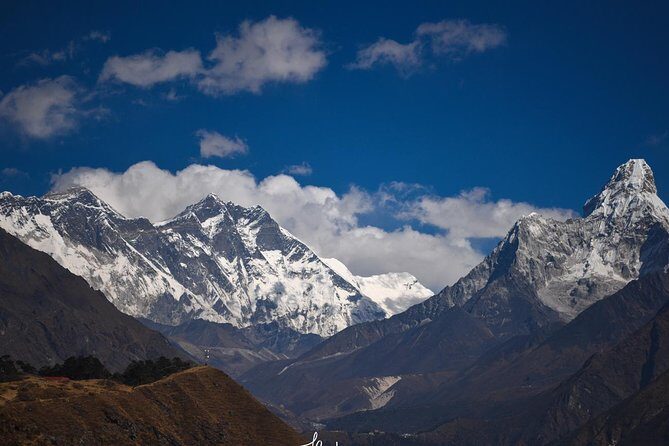
- Permits and Sagarmatha National Park fees included, so you avoid the paperwork scramble.
- Teahouse accommodation and most meals are covered, which cuts down daily decision fatigue.
- Guide training matters: wilderness first aid and altitude sickness know-how are part of the team.
- Private trek with porters (1 porter for every 2 trekkers) helps you keep energy for the climb.
- Weather happens on Everest routes, and the team is praised for fast adjustments.
What You Actually Get for $1,998 (and why it can be good value)
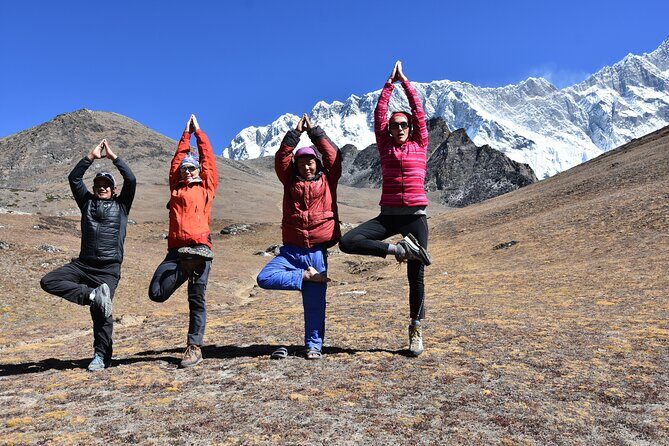
At $1,998 per person for about 12 days, the headline number looks “tour-y” until you unpack what’s included. You’re not just buying a guide’s time. You’re also paying for permits, national park fees, TIMS, teahouse lodging, and daily meals chosen from the menu during the trek, plus transfers by private vehicle.
That bundling matters because it removes a lot of the hidden costs that hit people mid-trek. A big one is logistics: airport-to-hotel-to-airport transfers are handled, and the trek is run like a real schedule, not a series of loose promises. You’re also getting pre-departure information and a trip dossier, which helps you show up with the right expectations about altitude, food, and daily trekking rhythm.
There are also added “soft value” items included with the trip: Above the Himalaya Gifts like a t-shirt and pashmina shawl, a duffel bag (if you requested it before booking), and trekking certificates. These won’t change your summit photo, but they signal you’re working with a company that thinks about the full trip, not just the mountain days.
The part you should watch: what’s not included is mostly the extras—alcohol, hot and cold drinks, hot showers, tips, and personal expenses. If you’re the kind of trekkers who stops for snacks and pay-per-minute comfort often, your real cost will creep up.
You can also read our reviews of more hiking tours in Kathmandu


From Thamel to Lukla: the early start that shapes your day
Your trek begins at Thamel in Kathmandu (the meeting point). The start time listed is 1:15 am, which means you’ll likely be up early and moving fast to catch the flight plans. After pickup and transfers, you’ll fly from Kathmandu to Lukla in about 25 minutes, then start trekking toward Phakding for around 3–4 hours.
This first day has two jobs. First, it gets you into the Everest region without adding a stressful multi-day travel bridge. Second, it sets the pace for how you’ll feel the rest of the trek—legs warm, mind awake, and expectations grounded.
A practical note: even if the trek is private and well-organized, you’re still dealing with Nepal’s mountain aviation reality. It’s smart to keep some flexibility in your schedule and keep your packing light enough that adjustments won’t ruin your day.
Phakding and Namche: walking in, then slowing down on purpose
After arriving in Lukla, Day 1 heads to Phakding and ends in a teahouse. This isn’t just a warm-up stroll; it’s the transition day where the air gets thinner slowly and your body starts adapting. Teahouses are a key part of the experience because you’ll learn the rhythm: walk, eat, rest, and keep hydration steady.
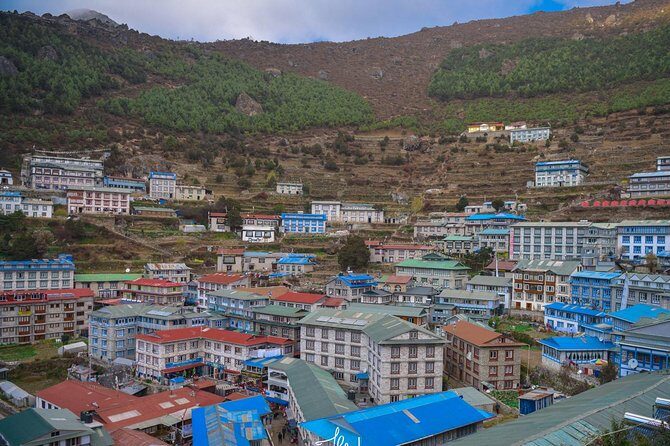
Day 2 moves you from Phakding to Namche Bazaar in roughly 3–4 hours of trekking. Namche is where the trip turns from “getting there” to “getting ready.” You’ll spend the night in a teahouse, then Day 3 is an acclimatization day at Namche.
That acclimatization day is one of the smartest pieces of the whole plan. You don’t gain altitude quickly every day, and you’re given time to adjust before heading higher. You’ll still work—acclimatization doesn’t mean doing nothing—but the goal is to reduce the chance of feeling crushed by elevation.
If you’re the type who hates slow days, this is where you’ll need to trust the logic. A smoother acclimatization phase often makes the later days feel less like a fight and more like steady progress.
Namche to Deboche: Tengboche Gompa gives the trek its spirit
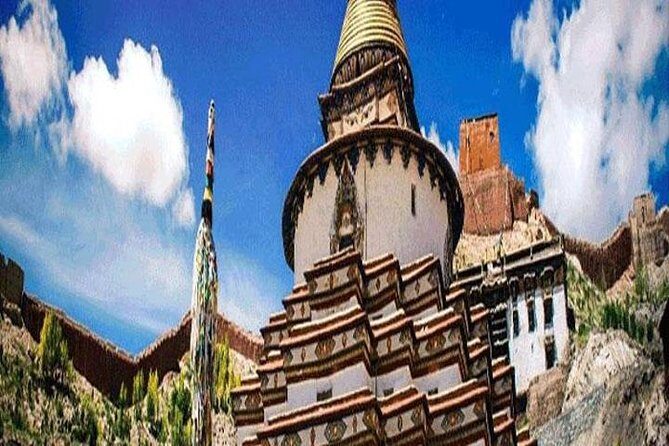
From Namche, the trek takes you toward Tengboche Gompa (listed as Tengboche Gompa) with an overnight in Deboche, with a trekking day around 4–5 hours. This is a great “feel” day because the scenery is dramatic, but the pace stays realistic.
Tengboche area days often feel like a shift in mood: you’re no longer just hiking through high valleys. You’re entering a place where Sherpa culture and mountain life are visible in everyday details, from community routines to the spiritual rhythm around the gompa.
The practical benefit is that this is also a good place to build confidence. You’re higher than before, but you’re not jumping into the hardest sections immediately. You can test your clothing layers, get your trekking routine dialed, and let your breathing settle.
If you tend to get impatient with pauses, remember: short breaks here can save you from longer struggles later.
Dingboche and the gradual push higher
After Deboche, you’ll trek from Deboche to Dingboche (about 5–6 hours), then further move toward Lobuche via Duglha (with days in the 3–6 hour range depending on the segment). This part of the trek is about slow gains, not heroic leaps.
Dingboche is commonly a turning point for how your body feels. Your trekking becomes more about consistency: smaller steps, steady breathing, and calm pacing. The guide’s role here is bigger than just navigation; a good guide helps you interpret your effort level so you don’t overdo it on a day that feels easier than expected.
This trek is built for people with hiking experience, and that shows here. You’ll enjoy the sense of progress most if you can walk for several hours while staying mindful of pace. If you’re brand-new to sustained hiking, you might still manage it—but you’ll want to choose a slower personal pace and be honest with your guide about how you’re feeling.






Gorakshep, Everest Base Camp, and Kalapatthar: where the trek becomes unforgettable
Your route continues toward Gorak Shep, then includes a day that visits Everest Base Camp and returns in the evening, with about 6 hours total for that day. Another day includes trekking from Gorakshep to Kalapatthar and then on to Pheriche, about 6–7 hours.
This is the heart of the trek, and it’s planned with an eye toward how your stamina usually works at this elevation level. Reaching Gorakshep sets you up for the Base Camp visit without wasting energy on long, scattered segments.
When you go to Everest Base Camp, you’re not just chasing a landmark. You’re stepping into the atmosphere of a mountain project—people, gear, and a sense of the expedition world—even though base camp itself is mostly a temporary hub. The fact that your guide is trained in altitude sickness and wilderness first aid is also a comfort here. You’re far from help if something goes wrong, so having expertise in the group matters.
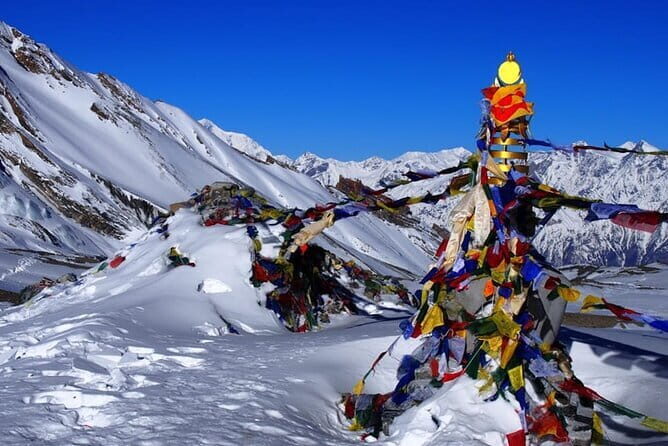
Kalapatthar is the payoff stop for views, and it also tests your legs. You’ll want to treat it like a hike within the hike: keep moving, don’t sprint for photos, and plan to stop before you feel breathless.
One thing to remember: the weather can change quickly in the Everest region. If visibility is reduced, you’ll still gain a lot from being there. If conditions are great, it turns into that rare experience where the work feels worth every step.
Heading back down through Pheriche, Tengboche, and Monjo
After the high-point days, the return trek goes back through Pheriche, Tengboche, and Monjo, then finally down toward Lukla for your flight back to Kathmandu.
Your day from Pheriche to Tengboche is listed around 5–6 hours, then Tengboche to Monjo around 5–6 hours, and Monjo to Lukla about 4–5 hours. This descent is when your knees and ankles do the arguing. It’s also when your mind relaxes a little, because you’re no longer climbing into the unknown.
Teahouse stays continue each night, which helps you keep the routine simple. You’ll still need to eat well and drink enough, because fatigue can make you careless.
Even on the way down, this trek stays meaningful culturally. Tengboche area days keep that Sherpa and gompa presence in the mix, and it helps the trek feel less like a straight-line hike and more like a journey through a living region.
Guides, porters, and the people layer that changes everything
This is where I see the strongest praise. The company owner, Puru, is repeatedly described as accessible, organized, and responsive—often before departure via WhatsApp and even through Zoom-style meetups. That pre-trip support matters because trekking is anxiety-prone if you don’t know what to expect. When your questions get answered quickly, you show up steadier.
Guide names you may encounter include Sitaram Lamacchne, Suresh Adhikary, Phuldin, Shiva, and Ram. In the feedback provided, their English is described as strong, and they’re credited with keeping trekkers confident.
Porter Deb is mentioned as part of that supportive team dynamic. And it’s not just “they carried things.” The setup includes porters with their own food, accommodation, salary, equipment, accidental insurance, clothing, and medicine—plus a ratio of 1 porter per 2 trekkers. That ratio can make a real difference if you pack even slightly heavy.
The biggest practical point: the guide team includes training in wilderness first aid and altitude sickness. That doesn’t make risks disappear, but it changes how quickly problems get handled if you run into real issues.
Teahouses and meals: what’s included, what to expect, what costs extra
You’ll stay in teahouses throughout the trek, and the trip states that teahouse accommodation and most meals are included. Meals are chosen from the menu during the trek, which is a big deal if you’re picky. You’re not stuck with one pre-packaged option each day.
At the same time, some comfort items are not included: hot and cold drinks, hot water, hot showers, and alcoholic drinks are all listed as not included. That means you should plan cash for small add-ons if you want them. It also means you should prepare for variable shower routines and limited hot-water availability, depending on conditions and electricity.
Practical food strategy: treat breakfast as your fuel day and don’t wait until you feel shaky to eat. When you’re walking for hours at high altitude, appetite can swing. A solid rhythm beats trying to “make up for it” later.
Packing for Everest Base Camp without overpacking
The packing list provided is detailed, and it’s worth taking seriously because weight and comfort affect everything. You’re asked to keep your packed trek bag at no more than 33 pounds or 15 kg. That’s not just “recommended”—it’s the difference between enjoying the trek and constantly fighting gravity.
You’ll want a 60–70 liter backpack with comfortable shoulder straps and a backpack cover, plus waterproof trekking shoes with spare laces. Camp shoes are recommended for evenings in the teahouses, and layers are key: track pants, fleece, and a down or Gore-Tex heavy jacket are in the suggested gear.
Gloves, a sun hat or wool cap, lip balm/cold cream, and sun protection cream all show up in the list. Those items aren’t fancy; they’re the small protections that keep your skin from turning into an ongoing complaint.
One smart add-on: walking stick. It’s recommended to have at least one. On descents, it can save your knees from doing all the work.
If you’re traveling light, pick items that handle wet and cold. A waterproof shell layer is often more useful than another thin sweater, even if it’s not as satisfying to pack.
Who this private Everest Base Camp trek suits best
This trek says it’s best suited for travelers with hiking experience, and that matches how the days are structured: multiple multi-hour walks, including a full day to Base Camp and a separate day to Kalapatthar. You’re getting a supportive staff setup, but you’re still doing the hard work on your own legs.
It’s also framed as a private tour/activity, meaning only your group participates. That matters if you want a consistent pace and fewer coordination issues. The feedback also points to solo trekkers feeling safe with this setup, which lines up with the guided and porter-supported structure.
If you like mountains and cultural stops, you’ll enjoy the mix: Tengboche area gompa time, Sherpa culture along the way, and the Everest-focused summit energy near the end.
If you’re expecting luxury, you’ll likely feel disappointed. This is a trekking experience with teahouses and basic comfort. If you’re happy trading plush for authentic, you’ll enjoy it a lot.
Should you book this Everest Base Camp trek with Above the Himalaya?
I’d consider booking this if you want logistics handled, not guessed. The included permits and park fees, the teahouse stays and most meals, and the trained guide plus porter system are strong reasons the trek feels manageable on paper and workable in real life.
I’d think twice if you’re not ready for physical effort at altitude. The plan can be adjusted by your pace, but it still requires sustained walking for many days. Also factor in the cost of extras you’ll likely want: tips, drinks, hot water/showers, and any personal expenses.
If you want a mountain trip where the owner is reachable and the guiding team can handle problems when weather or emergencies appear, this one has the right vibe. And if you’re the kind of trekkers who enjoys structure but still wants to move at your own pace, the private setup is a good match.
FAQ
How long is the Everest Base Camp trekking experience?
It’s listed as 12 days (approx.), ending with a flight back to Kathmandu.
Where does the tour start and what time?
The meeting point is Thamel, Kathmandu (44600, Nepal). The start time is listed as 1:15 am.
What does the price include?
The price includes teahouse/lodges accommodation during the trek, permits and Sagarmatha National Park fees, TIMS card fee, a trained trekking guide and porters, group medical supplies, daily meals chosen from the menu (breakfast, lunch, and dinner), and airport/hotel transfers by private vehicle. It also includes trip dossiers and paper works/service charges and government taxes, plus trekking gifts and certificates.
What is not included?
Not included are alcoholic and non-alcoholic drinks, hot and cold drinks, hot water, hot and cold showers, tips, personal expenses (like laundry and phone calls), personal trekking gear, and international airfare. Nepal entry visa fee is also not included.
Do I need trekking permits?
Yes. Sagarmatha National Park fees and TIMS card fee are included in the package, and the trip states that all necessary permits and government taxes are covered.
Are guides and porters provided, and is there altitude-sickness training?
Yes. You’ll have a government licensed experienced trekking guide trained in wilderness first aid and altitude sickness, plus porters (with a stated ratio of 1 porter for between 2 trekkers). The porters have food, accommodation, salary, equipment, and accidental insurance included.
Is travel insurance included?
Travel insurance is not included, and it is stated as essential. It should include emergency evacuation coverage while trekking up to 5500+ meters.
Is there free cancellation?
Yes. Free cancellation is offered up to 24 hours in advance of the experience’s start time for a full refund.