REVIEW · KATHMANDU
14 Days Private Tour Everest Base Camp Trek
Book on Viator →Operated by Nepal Mountain Adventure · Bookable on Viator
Everest starts with a tiny flight. This private 14-day trek is built for the full experience: Kathmandu prep, a Lukla flight, tea-house walking, acclimatization days, and a sunrise push toward Kala Patthar. Along the way you pass through Khumbu towns and checkpoints that shape how the journey feels day to day.
I especially love the private, guided setup and how it keeps things moving without turning the trek into a stress-fest. I’ve also been impressed by how often guides are praised by name in this route’s history—Tek, Dil, Ram, Som Kumar Tamang, Mingmar, and Keke show up again and again in feedback—plus you get a porter support system with a 2:1 carry ratio.
The main drawback to plan for is altitude and weather. Even with acclimatization built in, you’re still stacking long hiking days at elevation, and Lukla flights depend on conditions.
In This Review
- Key things I’d pencil into your trip plan
- Kathmandu’s Thamel start: you get organized fast
- The Lukla flight: gorgeous views and a reality check
- Phakding: the first day of “work,” not chaos
- Namche Bazaar: the acclimatization day that actually counts
- Tengboche: monastery time with real mountain focus
- Dingboche: a glacier-and-views transition day
- Nangkartsang Peak: acclimatization that turns into a confidence boost
- Lobuche and the Everest Memorial: why the trek feels personal
- Everest Base Camp day: Gorakshep first, then the payoff
- Kala Patthar sunrise: the early start that earns its reputation
- Heading back: same trail, different mind
- Private tour value: what $1,600 buys you (and what it doesn’t)
- Guide and porter support: the difference between surviving and thriving
- Health and pace: how to make the altitude less scary
- Should you book this Everest Base Camp private tour?
- FAQ
- What’s included in the price for this Everest Base Camp trek?
- Are flights between Kathmandu and Lukla included?
- How does the tour handle acclimatization?
- What kind of lodging and meals should I expect?
- What fitness level do I need?
- What happens if the trek is canceled due to weather or if I need to cancel?
Key things I’d pencil into your trip plan
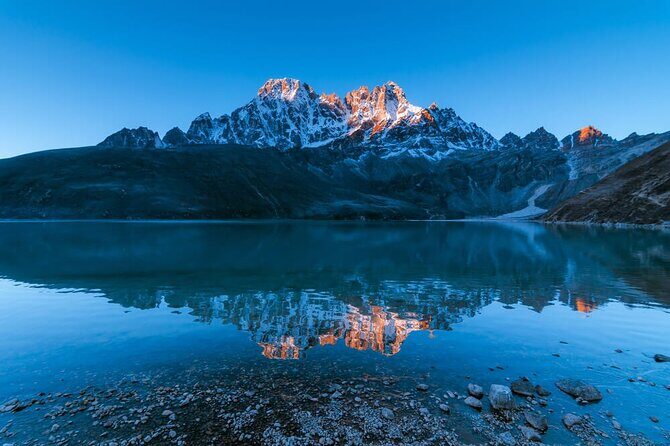
- Private trek logistics: only your group participates, with airport pickup and door-to-door transfers in Kathmandu.
- Lukla flights included: Kathmandu to Lukla, then back to Kathmandu at the end.
- Acclimatization built in: an extra day at Namche Bazaar and a hike toward Nangkartsang Peak from Dingboche.
- Tea house rhythm: standard tea houses on the trek, so you’re living in the same travel ecosystem as most hikers.
- Safety gear included: first aid kit with an oximeter and pulse meter checker.
- Meals and permits covered: permits and national park fees are included, and most trek meals are included too.
Kathmandu’s Thamel start: you get organized fast
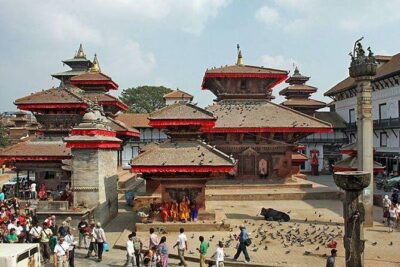
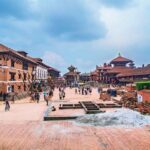
Your first day in Kathmandu centers on Thamel, the area most trekkers use as their base. You’ll be met after landing and taken to your pre-arranged hotel, then given a quick orientation about trekking prep. If you’ve ever arrived jet-lagged with a thousand questions, this is the part that saves you from scrambling.
I like that the tour takes the guesswork out of early logistics with private vehicle transfers and a clear start point. It also gives you time to settle and start thinking like a trekker: less museum mode, more “what do I wear tomorrow?” mode.
One practical thing to keep in mind: city meals beyond what’s included are on you. That means it’s smart to budget for lunch/dinner in Kathmandu rather than assuming everything is bundled.
You can also read our reviews of more private tours in Kathmandu


The Lukla flight: gorgeous views and a reality check
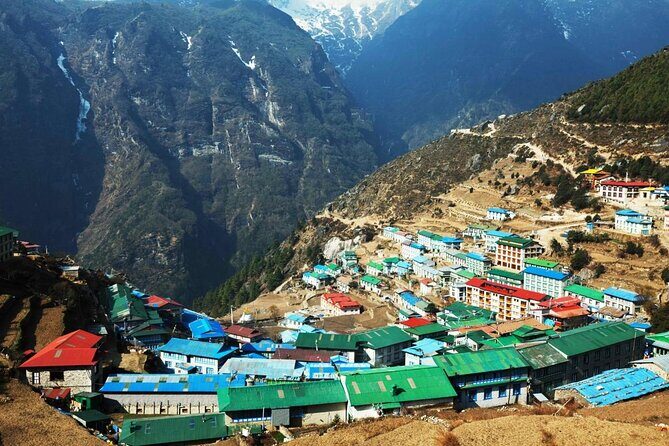
Next comes the signature jump-off: a morning trip to the airport, then the flight to Lukla. The flight itself is short but scenic, with views of the Kathmandu valley as the plane heads toward the mountains. This is one of those moments where the trek feels real—fast.
Because this is a weather-dependent route, you should be mentally ready for schedule changes. The tour’s included flight is a big value point, but altitude country runs on mountain conditions, not human timetables. Think of Lukla as the kickoff button—and also as the one part you can’t fully control.
If you’re the type who hates uncertainty, I’d still go. Just don’t plan anything tight immediately around the flight dates.
Phakding: the first day of “work,” not chaos
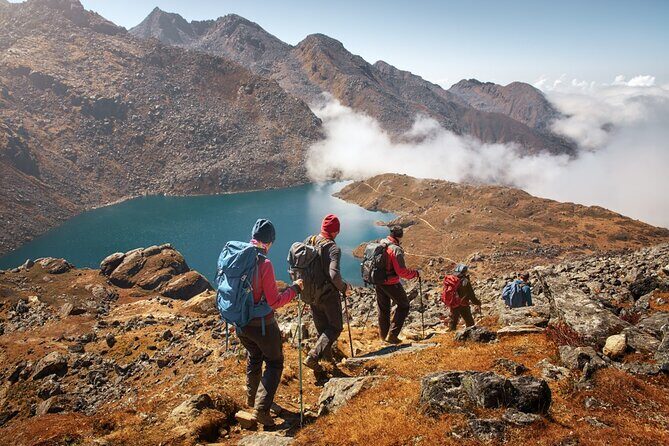
The trek proper begins after arriving in Lukla. You head to Phakding with a straightforward rhythm: some downhill at the start, rocky footing, and time walking alongside river terrain. It’s not a casual stroll, but it’s a good on-ramp—your legs learn the style of the trail without throwing you straight into the deepest altitude.
Overnight in Phakding is where you start experiencing tea-house trekking as a system. You’ll move at a steady pace, stop when it makes sense, and settle in for basic comfort while the mountain closes in around you.
Why this day matters: it sets your pace and teaches you how to drink, eat, and keep warm. The rest of the trek punishes bad habits. Phakding is where you build better ones.
Namche Bazaar: the acclimatization day that actually counts
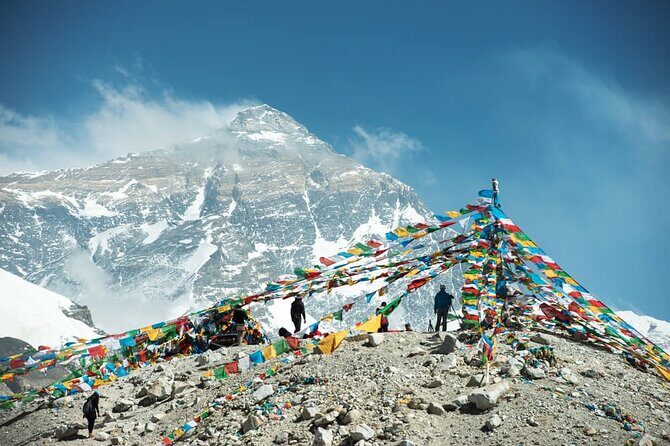
By the time you reach Namche Bazaar, the trail has already trained your body with suspension bridges and steady climbs. You’ll cross rivers and valleys, and you’ll get those famous Khumbu views—Everest and Nuptse show up along the way when weather cooperates.
Then comes the key move: an extra day in Namche for acclimatization. This isn’t a “sit and shop” day. It’s the day your body practices handling altitude while your schedule stays structured.
I like that the tour’s design respects acclimatization as a process, not a box-check. The Namche stop also sets you up culturally: this is a main trading hub in the Khumbu region, so the trekking world feels concentrated here.
My only caution: if you feel tempted to push hard on the acclimatization day, don’t. The goal is to help your body adjust so later days don’t hit like a surprise wall.
Tengboche: monastery time with real mountain focus
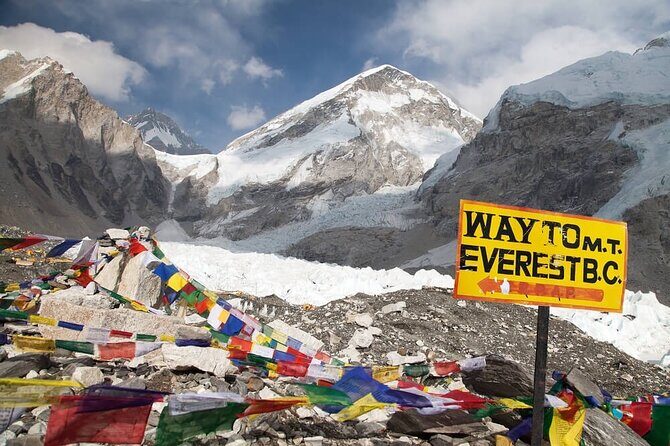
On the way from Namche toward Tengboche, you go through rhododendron forest sections and a mix of climbs and descents. The terrain can feel irregular, which is exactly what you’ll want after acclimatization: steady hiking with changing footing.
Tengboche is known for its monastery, the main pull in the area. If you enjoy quiet places and you like understanding how local communities interpret the mountain, this is a meaningful stop. Even if you don’t plan to attend ceremonies, you’ll feel the calm center of the trek.
This day also gives you big-view payoff: Ama Dablam, plus broader Himalayan silhouettes, can appear with strong clarity depending on conditions.
Drawback to watch for: religious sites can be cold and windy in the evenings. Pack layers that you’ll actually use, not just “technically brought.”
You can also read our reviews of more hiking tours in Kathmandu


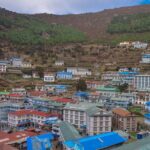

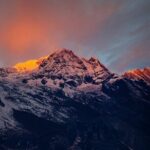
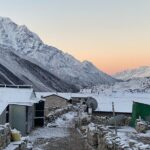
Dingboche: a glacier-and-views transition day
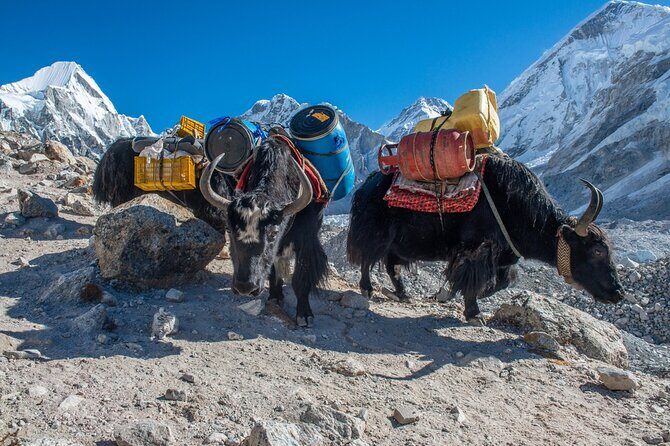
From Tengboche, the trail toward Dingboche includes more dramatic scenery as you move higher. You’ll pass through areas with glaciers and snowy mountain views, and the day includes descents and crossings that make the walk feel varied.
The route also highlights a mix of Khumbu villages and river valleys. Ama Dablam can feel closer as you work through the terrain near Pangboche, and then you continue uphill to Dingboche.
Why Dingboche is such a key stop: it’s where you start to feel the trek’s mid-to-high altitude seriousness. Nights here matter because your recovery strategy gets tested. Sleep, hydration, and slow eating become performance factors.
Nangkartsang Peak: acclimatization that turns into a confidence boost
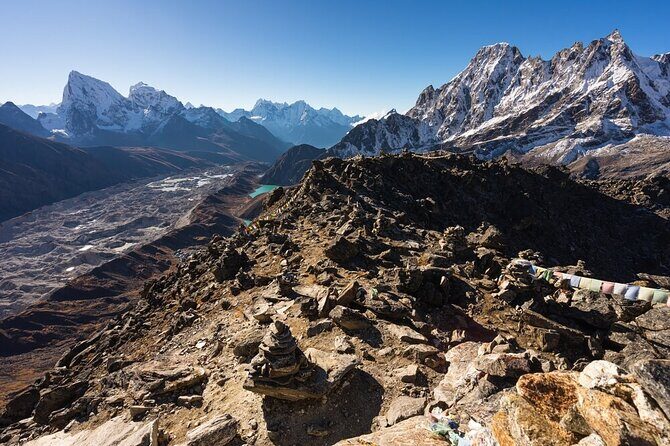
The second acclimatization day is built around a hike toward Nangkartsang Peak just above Dingboche. This is the kind of ascent that helps your body learn what altitude feels like while keeping you on track with the tour plan.
From the top, the views can be wide—Lhotse, Makalu, Cho Oyu, Ama Dablam, and more. Then you hike back on the same path to Dingboche.
This is where you learn a subtle trek truth: acclimatization isn’t about winning; it’s about practicing effort at the altitude you’ll face later. If you treat this climb like a workout you can brag about, you’ll probably pay for it. If you treat it like training, you’ll likely arrive at later days in better shape.
Lobuche and the Everest Memorial: why the trek feels personal
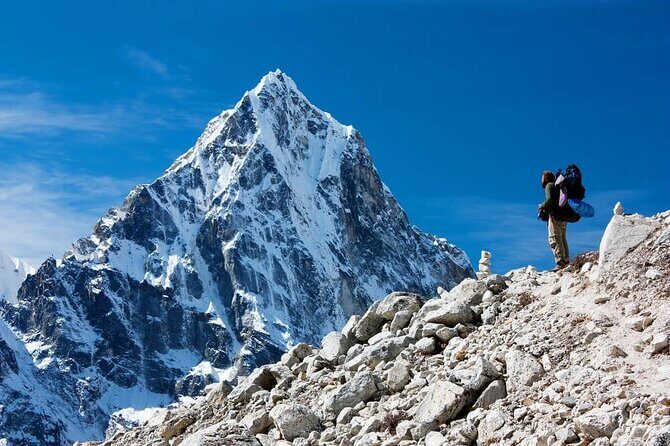
The trek toward Lobuche includes a climb to a moraine after leaving Dingboche. You move through Pheriche and cross through Thukla, then you reach the Everest Memorial and the Khumbu glacier area after a long ascent. The Everest Memorial is built to remember climbers who died attempting Everest’s summit.
This part hits differently because it brings the trek’s purpose into sharp focus. You’re not just chasing scenery; you’re walking through the emotional geography of Everest.
Then you continue on to Lobuche for overnight. Your body is working harder now, so you’ll want to keep your energy routine consistent—warm layers, frequent sips, and simple meals.
Everest Base Camp day: Gorakshep first, then the payoff
The route toward Everest Base Camp continues with a gradual climb after leaving Lobuche. You’ll deal with two key stages: the highest elevation trekking hub area (Gorakshep) and then the walk that leads toward base camp.
You’ll hike beside the Khumbu glacier, and depending on weather you may even catch a view of Everest’s summit. To get to Gorakshep, you cross Lobuche Pass, which is one of those sections where your breathing becomes the main conversation.
Once you’re at the base camp area, this is the moment most people dream about. The trek feels like it finally turns into a story you can tell with details. The hard part is done; now you just have to stay present.
Practical note: cold can arrive fast once you’re at higher elevations. Pack and wear your warmth early rather than waiting until you feel miserable.
Kala Patthar sunrise: the early start that earns its reputation
A sunrise plan is built into the trek, with an early start to catch the view from Kala Patthar. The route is simple to follow, and as you walk, the view of Everest grows clearer.
This is the day where accomplishment feels physical. Standing beneath the world’s highest mountain is hard to describe, but you’ll understand it when you’re there. After you enjoy the moment, you return along the same route and then keep descending for breakfast around the Gorakshep area before heading on to Pheriche for overnight.
Why I think this day is the heart of the trek: it turns the hardest altitude push into a reward you can actually see and remember. You’re paying attention with your whole body.
Heading back: same trail, different mind
After Kala Patthar, the trek becomes return work: steady downhill and medium climbs as you work back through familiar hubs. The route goes from Pheriche toward Namche Bazaar again, passing by Pangboche and then continuing via Tengboche.
This “backtracking” matters because your mind changes on the way out. Coming down, you often feel more in control—even if your legs are tired. You know what to expect now, and you can pace yourself better.
Then you continue down to Lukla from Namche, reaching Phakding along the way before finishing the trek loop. Finally, it’s back to Kathmandu to recharge, with staff meeting you at the airport and taking you to your hotel.
Private tour value: what $1,600 buys you (and what it doesn’t)
Let’s talk value in a way that helps you decide.
At $1,600 per person, the biggest value points are the “expensive bits” that many solo trekkers end up piecing together: Kathmandu–Lukla flights round trip, permits and national park fees, airport pickup and transfers, and the guiding and porter setup. You also get a structured plan for acclimatization and a first aid kit that includes an oximeter—that’s a real comfort item at this altitude.
The included accommodation is also meaningful: three nights in Kathmandu with breakfast, plus standard tea-house stays during the trek. Meals are covered in bulk for the trek portion (breakfasts, lunches, and dinners are listed as included), and you get welcome and farewell cultural dinners.
What’s not included is also clear: personal expenses like charging, and drinks like mineral water and soft drinks are on you. Hot showers and Wi-Fi aren’t guaranteed, either. If you like constant connectivity, you’ll want to budget accordingly.
In short: you’re paying for reduced uncertainty and reduced hassle—plus altitude support. If you want to self-organize everything, you could likely find cheaper. But if you want the trek to feel “managed” without removing adventure, this price can make sense.
Guide and porter support: the difference between surviving and thriving
This trek is physically demanding, but the mental load is big too. One reason this tour gets such high praise is the consistent emphasis on guides who keep people calm and moving with clear knowledge and good energy. Names like Tek, Dil, Ram, Som Kumar Tamang, Mingmar, and Keke appear in the trek story again and again, and that pattern matters.
You’ll also travel with a porter support ratio of 2:1, with a strong porter carrying two members’ bags (and their meals). That means you can hike with less weight and focus on the basics: pace, breath, and staying warm.
I also appreciate that the guide isn’t just “walk with you.” The tour includes permit handling support and helps with the logistics around trekking days. In practice, that can turn a stressful trek into a manageable one.
Health and pace: how to make the altitude less scary
This is where I’m blunt, because it’s the truth. Everest Base Camp is reachable for many hikers, but it’s still a high-altitude trek with real risk. The tour is geared to people with moderate physical fitness, and that’s a reasonable starting point.
Still, the biggest factor is how you manage altitude day by day. Use your acclimatization days the way they were meant to be used: slow, steady, and careful with effort. Don’t treat climbs like time trials.
Also plan your gear strategy around cold and wind. The trek includes monastery areas, glacier country, and an early morning Kala Patthar push. Cold shows up fast at elevation, and the difference between okay and miserable is often just one layer you put on early.
Should you book this Everest Base Camp private tour?
If you want Everest Base Camp with a private group, included flights, permits, guide support, and a schedule that respects acclimatization, this is a strong option. It’s also a great fit if you value having someone handle the mountain admin so you can focus on walking and soaking in the views.
I’d reconsider if you’re looking for a very casual hike, or if you’re unwilling to deal with weather-driven timing (especially with Lukla). This trek rewards patience. If you can do that, you’ll likely find the whole experience worth the effort.
FAQ
What’s included in the price for this Everest Base Camp trek?
The tour includes airport pickup and final departure by private vehicle, welcome and farewell cultural dinners, Kathmandu and trekking meal services (breakfast/lunch/dinner listed as included for the trek portion), standard tea-house accommodation during the trek, and three nights in Kathmandu with breakfast. It also includes Kathmandu–Lukla and Lukla–Kathmandu flights, seasonal fruits, permits and national park fees, ground transportation, and a first aid kit with an oximeter and pulse meter checker. A government licensed guide and porter support are included.
Are flights between Kathmandu and Lukla included?
Yes. Kathmandu to Lukla and Lukla back to Kathmandu are included.
How does the tour handle acclimatization?
There’s an acclimatization day in Namche Bazaar, and another acclimatization day from Dingboche with a hike to Nangkartsang Peak and back. The plan also includes an early start for the Kala Patthar sunrise.
What kind of lodging and meals should I expect?
You get three nights in Kathmandu with breakfast, then standard tea-house lodging during the trek. Meals are listed as included for breakfasts, lunches, and dinners during the trekking days, while lunch and dinner during the city stay aren’t included.
What fitness level do I need?
The tour states that travelers should have a moderate physical fitness level.
What happens if the trek is canceled due to weather or if I need to cancel?
The experience requires good weather. If it’s canceled due to poor weather, you’ll be offered a different date or a full refund. For cancellations, you can cancel up to 3 days in advance for a full refund; if you cancel less than 3 days before the experience starts, the amount paid is not refunded.