REVIEW · KATHMANDU
Ghorepani Poon Hill Trek 6-Days
Book on Viator →Operated by NEPAL LION TOURS AND TREKS PVT LTD · Bookable on Viator
Sunrise is the whole point here. This 6-day trek leads you to Poon Hill (3,210m) for jaw-dropping sunrise views while still keeping the days friendly, with most walking at lower elevations in the Annapurna Conservation Area. I especially like the way the route pairs big mountain moments with a softer pace, so you get the drama without feeling like you’re grinding your way up a high pass.
I also like the cultural angle baked into the experience. You’re not just chasing photos; you’re guided through ethnic and community life along the way, with a professional English guide and a small group size (max 15), which usually means less waiting around and more real interaction. One thing to consider: this is designed for people who prefer not to walk long hours, so if you’re craving a tough, high-altitude grind, this route may feel intentionally gentle.
In This Review
- Key Things I’d Call Out Before You Go
- The Big Idea: Easier Trek Days With Real Mountain Payoff
- Pokhara First: Why That Lake-and-View Start Is Smart
- Trekking in Annapurna Conservation Area: The Lower-Elevation Advantage
- Poon Hill at Sunrise: How the View Becomes the Story
- The Cultural and Ethnic Tour Part That Makes It Feel Like More Than Hiking
- Organization and Group Size: Why It Feels Easier Than DIY
- Price and Value: What You’re Actually Paying For
- What Might Feel Challenging (Even Though It’s Designed to Be Easier)
- Who This Trek Fits Best
- Should You Book the Ghorepani Poon Hill 6-Days?
- FAQ
- Where does the tour start?
- What time does the experience start?
- How long is the trek?
- How much does it cost?
- What’s included in the price?
- What should I budget for that’s not included?
- How big is the group?
- What fitness level do I need?
- Is early cancellation available?
Key Things I’d Call Out Before You Go
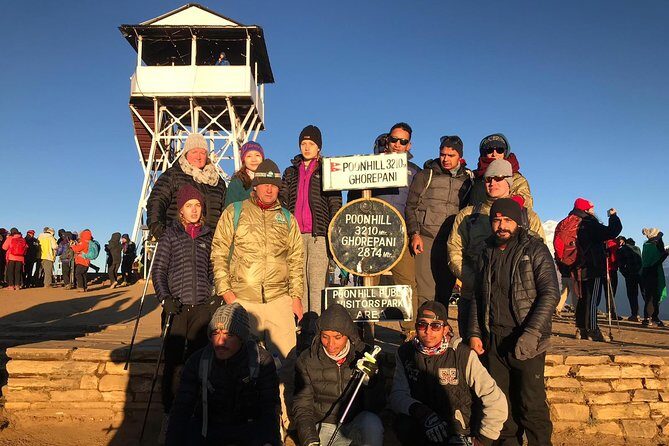
- Poon Hill sunrise at 3,210m: the classic viewpoint for wide, early-morning mountain panoramas
- Lower-elevation trekking focus: most of the walking stays easier than many Annapurna routes
- Pokhara + Phewa Lake views: you get scenic city-and-lake energy before and around the trek
- Multiple peak viewpoints: Dhaulagiri, Annapurna, Ganesh, plus others on clear mornings
- Small group experience (max 15): easier logistics and a more personal feel
- Guides who handle adjustments well: past participants highlighted smooth guidance and safety-focused support
The Big Idea: Easier Trek Days With Real Mountain Payoff
The best part of this trek is the payoff-to-effort ratio. You’ll still get that full trekking feel—getting out early, walking through Nepal’s terrain, and building anticipation—without the kind of nonstop uphill schedule that turns some hikers into zombies by day two.
The route is built around Poon Hill, which matters because Poon Hill is all about what you see at the top. The view isn’t a quick peek. It’s a sunrise moment designed to show you a big chunk of the mountain world at once. The itinerary also aims to keep things at lower elevations, and that’s not just marketing—it’s what helps most people stay comfortable enough to enjoy the hike rather than simply survive it.
There’s also a strong “not just hiking” vibe. Alongside the trek, you’re set up for cultural and ethnic touring, which helps the days feel grounded in real places instead of moving through the mountains like a photo conveyor belt.
You can also read our reviews of more hiking tours in Kathmandu


Pokhara First: Why That Lake-and-View Start Is Smart
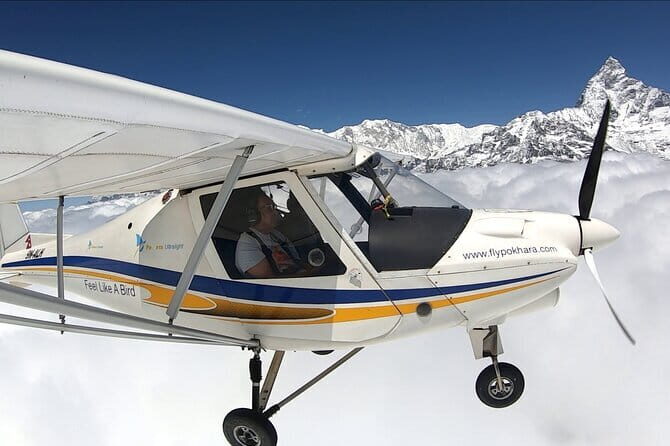
Even before you start serious hiking, this experience takes you through Pokhara. That’s not just a transfer stop. Pokhara gives you a softer entry into Nepal’s mountain world, with the chance to see Mt. Fishtail and Phewa Lake as part of your broader experience.
For me, this is a practical choice. When you start with city comfort plus scenery, it’s easier to get oriented—mentally and logistically. You’re not trying to launch into an intense physical challenge the moment you arrive. Instead, you get a visual warm-up, meals covered, and a clear plan for what comes next.
Also, Pokhara is one of those places where your brain stops going into sprint mode. You can breathe. You can focus on packing needs, asking questions, and setting expectations so you don’t feel rushed later.
Trekking in Annapurna Conservation Area: The Lower-Elevation Advantage
This trek is centered in the Annapurna Conservation Area, which is one reason it feels so “Nepal” and not just “mountains.” Conservation areas usually mean more variety in what you pass—villages, walking trails, and community life—rather than a purely wilderness-only trek.
What you should expect here is a walking schedule that’s described as less demanding overall. Most trekking happens at lower elevations, which is the key to why many people can do this without needing months of specialized training. You still need moderate physical fitness, but the design is clearly aimed at hikers who want the trek experience without long, brutal hours.
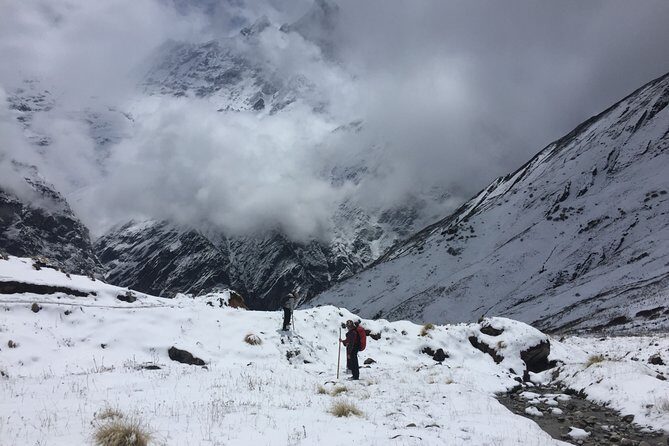
Here’s the balanced truth: you’ll still be walking on mountain paths. That means some steep sections, some uneven ground, and plenty of early starts. But because the plan isn’t built around extreme altitude days, you’re more likely to enjoy the scenery and the guide’s explanations along the way—rather than just counting minutes.
Poon Hill at Sunrise: How the View Becomes the Story
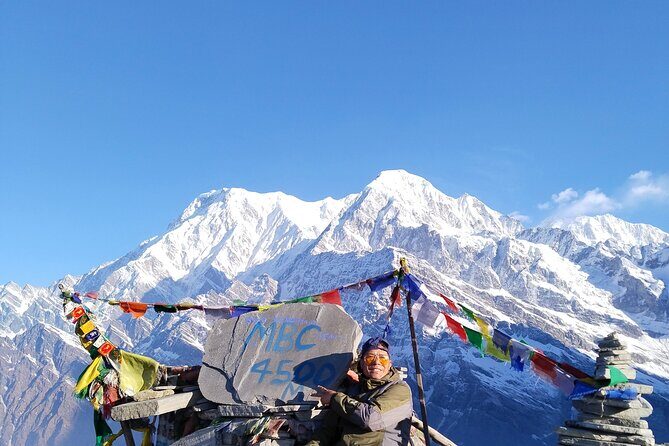
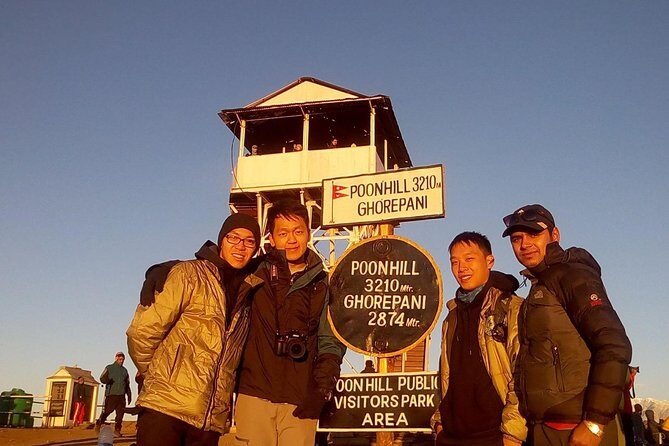
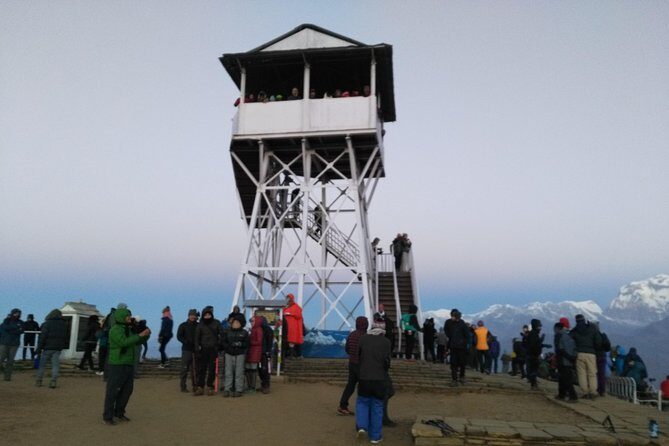
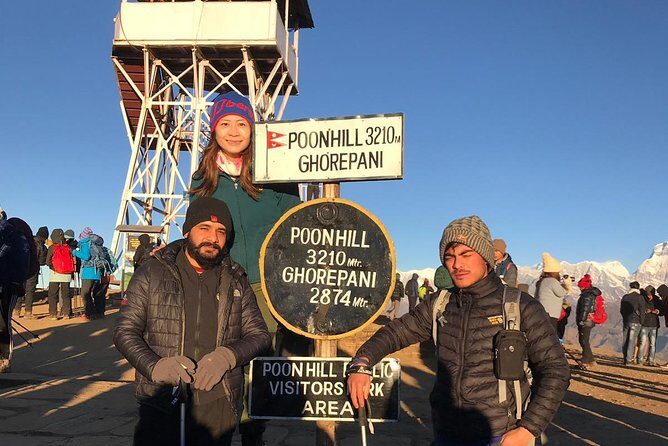
The heart of this trek is reaching Poon Hill at 3,210m and catching the sunrise panorama. This is where the itinerary earns its reputation.
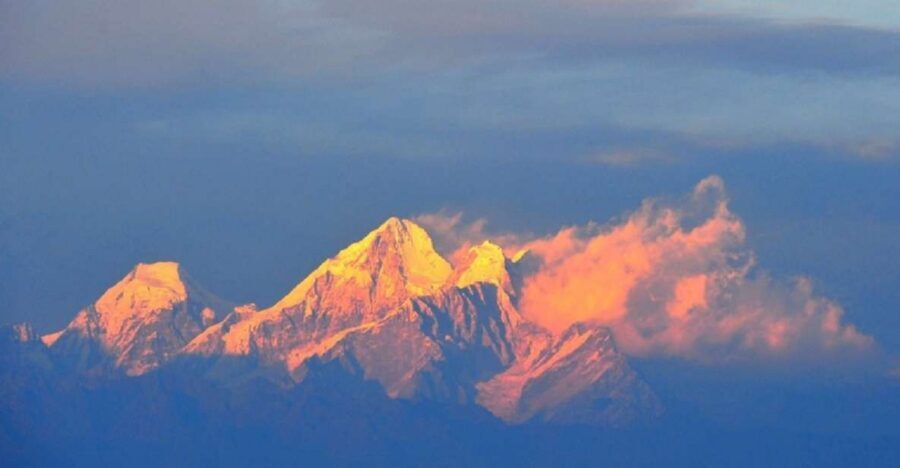
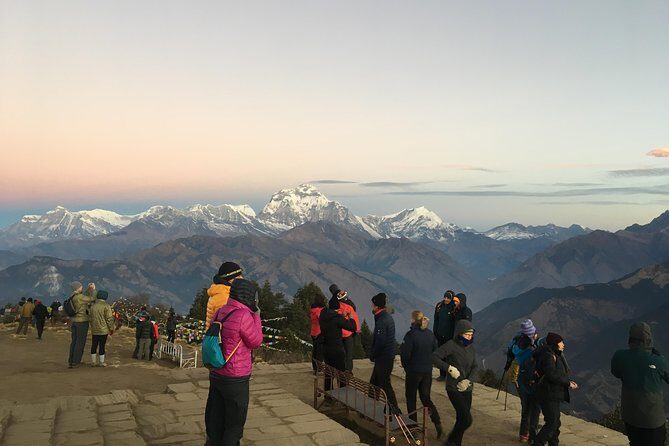
From Poon Hill, you’re set up to see major names in the region, including Mt. Dhaulagiri, Mt. Annapurna, and Mt. Ganesh, along with other Himalayan ranges and peaks on clear mornings. The idea isn’t just to look at one peak—it’s the broad, layered view that makes you feel like you’re standing in the center of a mountain map.
Also, sunrise matters because morning light changes everything. Even when you’re cold and a little tired, sunrise-view hikes tend to snap you awake. You go from moving through trail life to suddenly understanding scale—how far the ranges stretch and how dramatically they layer against the sky.
One practical consideration: a start time of 6:15am (from Thamel, Kathmandu) signals early-morning momentum. That’s good for sunrise access, but it also means you’ll want to plan for fatigue and set your expectations: you’re trading comfort for that early view.
The Cultural and Ethnic Tour Part That Makes It Feel Like More Than Hiking
A common complaint about short treks is that they feel like a race from checkpoint to checkpoint. This one is structured to avoid that. You’ll include cultural and ethnic tourism elements as part of the trek experience, which helps explain the places you’re passing rather than treating them as scenery.
In the reviews, this human side comes up again and again through guidance quality. People specifically thanked guides such as Binod Adhikari and Rajendra Lamichane for getting them through safely and making the experience memorable. Another participant praised Bijay Adhikari for support and for adjusting the itinerary to personal likes.
That matters because on a trek, the itinerary is only half the story. The other half is what your guide notices—how they explain what you’re seeing, how they time rest stops, and how they keep the group moving at a pace that feels manageable.
So when you book this trek, don’t treat the cultural part as a side dish. Treat it as one of the main flavors.






Organization and Group Size: Why It Feels Easier Than DIY
This is one of those tours where the logistics aren’t an afterthought. It includes hotel pickup and drop-off and includes a professional English guide. It’s also capped at 15 travelers, which is a big deal on a trek. Smaller groups usually mean fewer delays, less “where is everyone?” time, and better flexibility when the day needs it.
I also like that you get mobile ticket support and confirmation at booking time. Those details reduce the usual pre-departure stress. You’re not scrambling to figure out what paper you need and when.
And the way reviews describe support matters. One person noted the organizer made sure they had the right equipment before the trek started, which is a simple but high-value touch. Trek success often comes down to small early readiness steps, not heroics on day four.
Price and Value: What You’re Actually Paying For
At $468.59 per person, this tour isn’t the cheapest option in the broader Nepal market. But when you look at what’s included, it starts to make sense.
Included highlights:
- 5 nights accommodation
- Meals (breakfast, lunch, dinner) as per the itinerary
- All taxes, fees, and handling charges
- Professional English guide
- Hotel pickup and drop-off
Not included:
- International airfare and visa charges
- Travel and medical insurance
- Extra hotel expenses in Kathmandu or Pokhara after the package ends
- Personal expenses like shopping, bar bills, hot showers, laundry, and snacks
- Emergency expenses (like a chartered helicopter)
- Tips for guides and porters
So here’s how I’d judge value: you’re paying for fewer decision points. Accommodation and meals are covered for the trek portion, plus guide time and core transport support. If you’ve ever tried to cobble together a short trek DIY-style, you know how quickly “cheap” turns into “complicated.”
If you already have a guide you trust and a ready plan, you might compare costs and choose differently. But if you want a smooth, guided experience with meals and lodging handled, this pricing can feel reasonable.
What Might Feel Challenging (Even Though It’s Designed to Be Easier)
This trek is marketed toward people who don’t want long walking days. That’s a real advantage, and it’s also why the itinerary appeals to a lot of first-timers.
Still, I wouldn’t call it effortless. You should be ready for:
- Early mornings (including the 6:15am start time from Thamel)
- Mountain trail walking on uneven ground
- Cold early temperatures during sunrise efforts (even if daytime feels mild)
- The need for moderate physical fitness
If you’re okay with that, the trek is likely to feel enjoyable rather than punishing.
If you’re expecting a fully low-effort “stroll with views,” adjust your mindset. It’s trekking. You’ll walk. You’ll just do it on a route built to keep your energy for the best moments—especially sunrise at Poon Hill.
Who This Trek Fits Best
This one fits well if:
- You want Annapurna trekking vibes without the longest, toughest day-by-day grind
- You care most about a sunrise mountain panorama rather than technical hiking challenges
- You want a mix of trekking and cultural/ethnic touring
- You prefer a guided, organized plan with a small group and English support
You might skip it if you’re training for a very high-altitude trek or if you specifically want a more intense, all-day walking schedule. This is designed for a gentler approach and that’s a feature, not a defect.
Should You Book the Ghorepani Poon Hill 6-Days?
If your dream includes Poon Hill sunrise and you want a trek that stays lower elevation for most of the walking, I’d say this is a smart booking. The package includes the core comforts—accommodation, meals, guide, pickup/drop—and the small group size keeps it from feeling chaotic.
My one caution is to match expectations. This is not a hardcore expedition style of trekking. It’s a guided, sunrise-centered trek with cultural stops and a more manageable pace.
If you’re the kind of traveler who wants the mountains to feel close, the schedule to feel handled, and the experience to be more than just walking for walking’s sake, this is a strong fit.
FAQ
Where does the tour start?
The meeting point is Thamel, Kathmandu 44600, Nepal.
What time does the experience start?
The start time is 6:15am.
How long is the trek?
The trek is 6 days (approx.).
How much does it cost?
The price is $468.59 per person.
What’s included in the price?
Included items are 5 nights accommodation, meals as per itinerary (B, L, D), all taxes/fees/handling charges, a professional English guide, and hotel pickup and drop-off.
What should I budget for that’s not included?
Not included are international airfare and visa charges, travel and medical insurance, hotel expenses in Kathmandu or Pokhara after the package ends, personal expenses, emergency expenses (like chartered helicopter), and tips for guides and porters.
How big is the group?
There’s a maximum of 15 travelers.
What fitness level do I need?
You should have moderate physical fitness.
Is early cancellation available?
Yes. You can cancel for a full refund up to 24 hours in advance of the experience’s start time.