REVIEW · KATHMANDU
Ghorepani – Poon Hill yoga Trek – 10 Days
Book on Viator →Operated by Welcome Nepal Treks P.ltd · Bookable on Viator
Sunrise at Poon Hill meets mat-time yoga. This 10-day Annapurna-area trek pairs big mountain panoramas with English-speaking yoga and meditation sessions, run for a small group capped at 15. I like the daily yoga coaching led by an English-speaking yoga guide, and I love the Poon Hill moment when the peaks line up at dawn.
One thing to plan for: you’ll be trekking at elevations up to about 3,180m on the Poon Hill day, while still doing yoga sessions and walking 5 to 6 hours most trekking days. If you want a slow stroll with no altitude pressure, you’ll probably feel better choosing a different route.
In This Review
- Key points worth knowing before you go
- Why Poon Hill and yoga work so well together
- Price and logistics: what you truly pay for at $1,000
- Kathmandu warm-up: Thamel’s convenience on day one
- Drive to Pokhara: the valley shift you’ll feel quickly
- Trek Day 1 from Nayapul to Tikhedhunga: building rhythm, not heroics
- Trek Day 2 to Ghorepani: the Ulleri connection and Annapurna views
- Trek Day 3: Ghorepani to Poon Hill at sunrise, then Tadapani
- Ghandruk: the Gurung village culture day (and a comparatively easier trek)
- Trek back down to Nayapul, then Pokhara downtime
- Yoga and meditation during the trek: what to expect in real life
- Where you sleep and how meals fit the rhythm
- Practical tips: altitude, pace, and packing sanity
- Who this trek suits best (and who might want a different plan)
- Should you book this Ghorepani Poon Hill Yoga Trek?
- FAQ
- How long is the Ghorepani Poon Hill Yoga Trek?
- What time does the tour meet on the first day, and where?
- Is airport pickup and drop-off included?
- What’s included during the trek in terms of stays and permits?
- Does the package include yoga equipment and instruction?
- What meals are included, and what is not?
- Is travel insurance and cancellation coverage included?
Key points worth knowing before you go
- Small group size (max 15): easier pacing and a calmer trek vibe
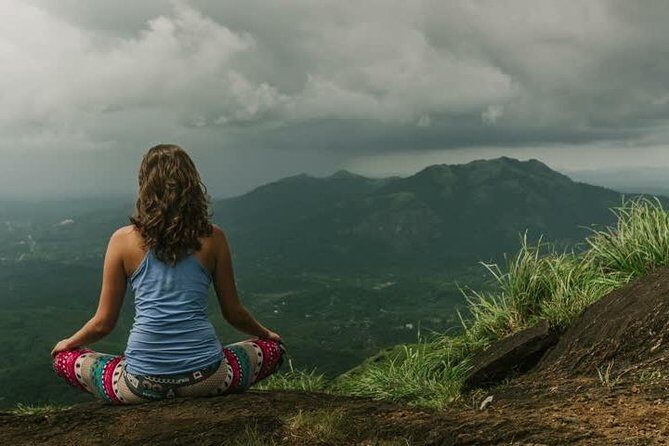
- English-speaking yoga expert throughout: yoga and guidance are built into the schedule, not tacked on
- Poon Hill sunrise with a serious peak list: from Dhaulagiri and Annapurnas to Machhapuchhre and more
- Ghandruk Gurung village day: museum and village culture, plus one of the easier trek days
- Lodges/tea houses included on trek: you’re not left hunting for beds each night
- Permits and TIMS handled: less paperwork stress before you start climbing
Why Poon Hill and yoga work so well together
This route is designed for people who like two things at the same time: mountains and a body-and-mind routine that keeps you steady. You get standard tea-house trekking over classic Annapurna territory, then add energy-boosting yoga and meditation sessions led by an English-speaking yoga teacher who also works as a tourist guide.
The key detail is that yoga isn’t treated like a souvenir activity. It’s part of the daily rhythm. That matters because trekking can feel like a mechanical grind if you only focus on legs and breath. With structured stretching, breathing, and meditation, you’re more likely to feel coordinated rather than crushed.
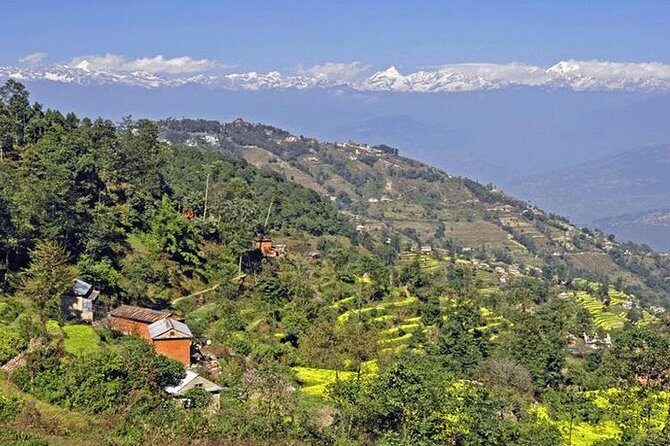
I also like that the views aren’t just one highlight. You build toward them. Ghorepani brings you into the Annapurna high country, and then Poon Hill gives you the big sunrise payoff. After that, the trip keeps moving through places like Tadapani and Ghandruk, where the scenery and village life change day by day.
You can also read our reviews of more hiking tours in Kathmandu


Price and logistics: what you truly pay for at $1,000
At about $1,000 per person, this trek isn’t a budget cram. It’s pricing that reflects structure: guided trekking, yoga instruction, permits, and transport, plus a real hotel start and finish.
Here’s what you can treat as “value anchors”:
- Airport pickup and drop-off (private vehicle) to reduce stress on day one and day ten.
- Kathmandu hotel with free breakfast, plus two nights in Pokhara in standard accommodation.
- TIMS permit and conservation paperwork handled.
- Lodges/tea houses included for trek nights.
- Yoga mats provided during the trip (returned after).
- A guide/porter support setup, including food, drinks, accommodation, transportation, and insurance for staff.
What’s not included matters for budgeting. Meals in Kathmandu and Pokhara are not included, and drinks are extra. You’ll also want travel insurance on your own, since it’s explicitly not part of the package.
If you’re comparing costs, don’t just compare the trekking days. The yoga instruction, permits, and the Kathmandu–Pokhara–Kathmandu transport pieces are a big part of why the total price is what it is.
Kathmandu warm-up: Thamel’s convenience on day one
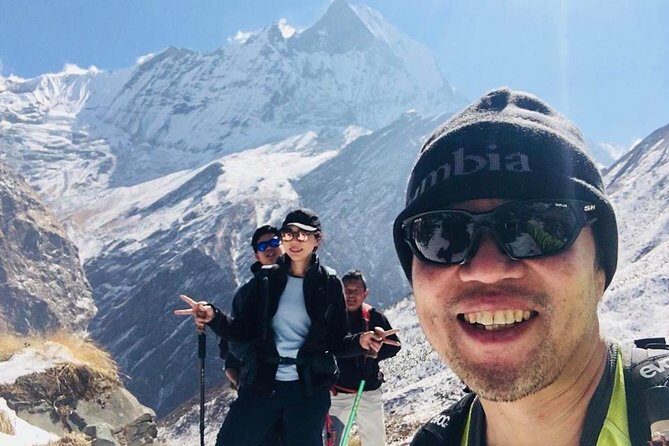
Your trip begins at Tribhuvan Airport with a pick-up and a 7:15 am meeting time. Day one is all about getting grounded fast. You check in to a 3-star hotel in the Thamel area (the plan names Thamel Eco Resort or Skyline Hotel) and then you have time to hang around Thamel, the main tourist pocket.
This is the smart staging. You’re not straight into the mountains the same day. You get time to:
- sort gear,
- buy anything you forgot,
- and get your bearings in a place where English is common and help is easy to find.
One practical drawback: the itinerary doesn’t include Kathmandu meals, so you’ll want to budget food yourself on this day. The upside is you can choose what suits your stomach after a flight.
Drive to Pokhara: the valley shift you’ll feel quickly
Day two is a long drive from Kathmandu to Pokhara (around 914m). The plan includes time to observe the green hills, valleys, and distant mountain views along the way. Pokhara is treated as a natural and cultural hub—lakes, caves, temples, and classic viewpoint energy.
You’ll also be able to notice the big mountain ranges that frame the region, including the Annapurna and Dhaulagiri ranges, with a view around Phewa Taal (Fewa Lake).
Why this day is more than just transportation: Pokhara helps reset you. The air and pacing feel different. Also, by the time you’re trekking, you’ll have already spent a night in the region, so Day 3 doesn’t feel like the first time you’re processing Nepal.
Trek Day 1 from Nayapul to Tikhedhunga: building rhythm, not heroics
On Day 3, you start trekking from Nayapul (around 1,050m). You drive up to Nayapul from Pokhara first, then walk toward Tikhedhunga (around 1,577m) via Birethanti (around 1,065m). Total trekking time is listed at about 4.5 hours on this day.
This is a good entry day. It’s long enough to get moving, but it’s not presented as a brutal grind. You’re setting the pattern: steady walking, stopping for views, and getting used to tea-house timings.
If you’re someone who gets cold early, this first day is where you learn your layering rhythm. You’ll likely move from warmer valley feel into cooler higher air as you go.





Trek Day 2 to Ghorepani: the Ulleri connection and Annapurna views
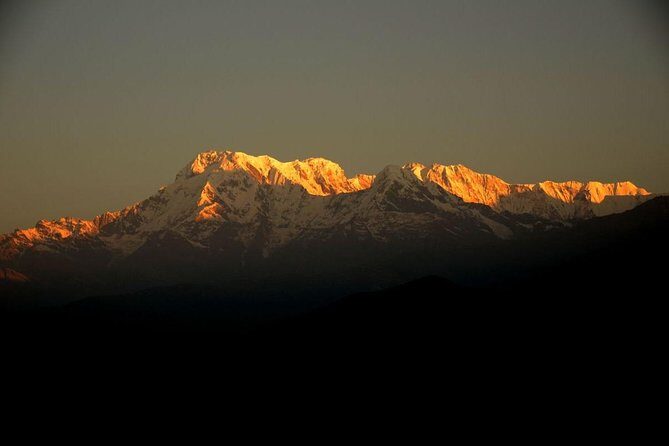
Day 4 is a scenic step-up. You trek from Tikhedhunga to Ghorepani (around 2,675m). The route passes Ulleri (around 2,070m) and Banthanti, through Magar villages.
The plan calls out a major feature: you can see Machhapuchhre, Huinchuli, and Annapurna South along the way. That’s a big reason people choose this route. You’re not just walking through fog. The trail positions you so the peaks keep showing up at intervals.
What you should consider: Ghorepani is high enough that your legs might feel it, even if the trekking time is around 6 hours. Treat this day as training for what’s coming next, not a day to race your own pace.
Also, this is a night where you’re likely thinking ahead to Poon Hill sunrise the next morning. The trek is set up so the best view isn’t random—it’s a planned payoff.
Trek Day 3: Ghorepani to Poon Hill at sunrise, then Tadapani
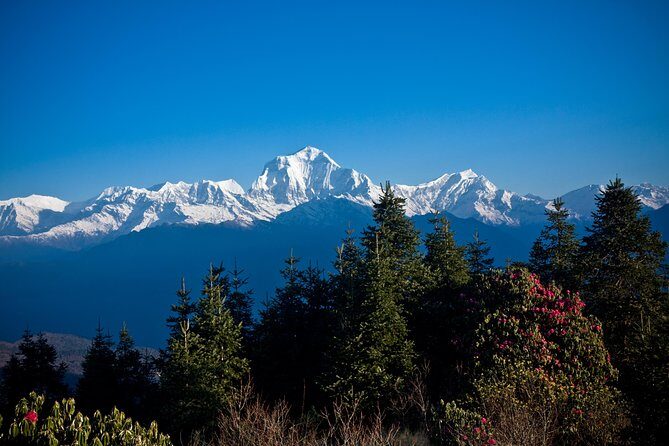
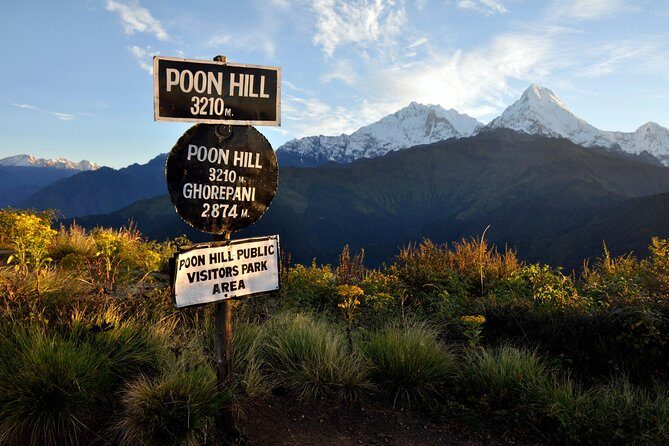
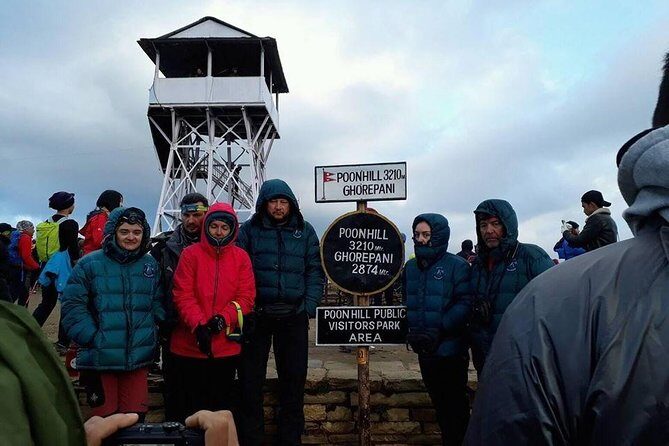
Day 5 is the showstopper. You trek from Ghorepani up to Poon Hill (around 3,180m) for sunrise, then continue on to Tadapani (around 2,675m). Total walking time is listed at about 5.5 hours, but sunrise changes the feel. Expect an early start.
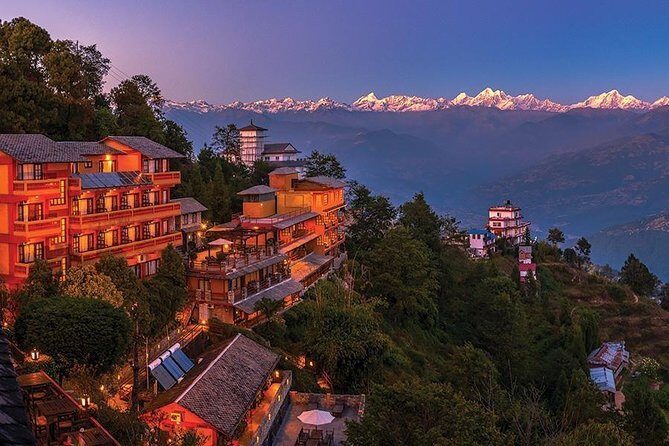
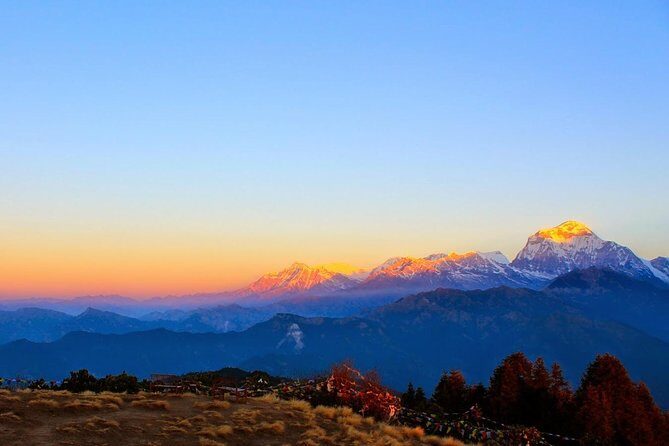
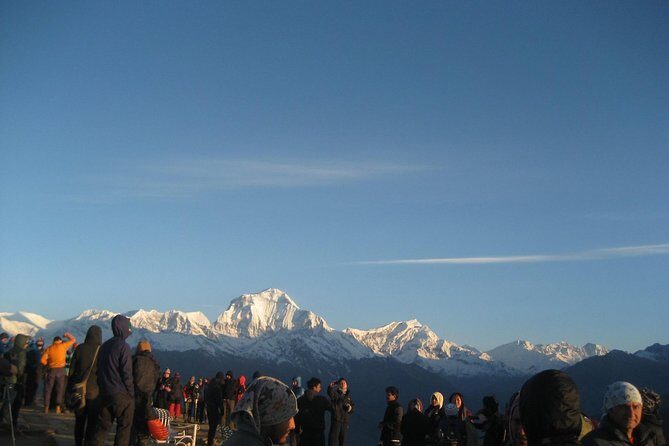
The itinerary includes a long list of peaks you can see from Poon Hill at dawn: Dhaulagiri, Tukuche Peak, Nilgiri, Varaha Shikhar, Annapurna I, Annapurna South, Annapurna III, Machhapuchhre, Annapurna IV, Annapurna II, Lamjung Himal, and more.
That list isn’t there to impress you. It’s a useful reminder that the view is wide, not just one mountain photo. If you’re the kind of person who likes to recognize peaks, sunrise here gives you plenty of targets.
After sunrise and breakfast back at Ghorepani, you trek to Tadapani through forests of rhododendron, bamboo, and oak. The plan mentions waterfalls, rocks, wild animals, birds, and green valleys. Even when you’re not “hunting” for wildlife, that mix of forest types usually makes the walking day feel more interesting than a dry trail.
The trade-off: Tadapani is still high, and the day has multiple phases. You’ll need energy, so plan your snacks and pace like a smart person.
Ghandruk: the Gurung village culture day (and a comparatively easier trek)
Day 6 takes you from Tadapani (around 2,675m) to Ghandruk (around 1,950m). The itinerary describes this as the easiest trek day of the trip. You walk through forests of rhododendron and oak, and the plan notes birdsong and bird-friendly vibes.
Ghandruk is a major Gurung village with a handicraft centre and a Gurung museum. The views from here include Annapurna South, Hiunchuli, Gangapurna, Annapurna III, and Fishtail. The village is also listed as a World Heritage Site in the program description.
This day is valuable even if you’re not a museum person. Village culture gives your brain a break from altitude math. It also gives you context for what you’ve been walking through—people live here, not just weather and trails.
There’s also a cultural program in the evening on demand. That can be a nice end to an easier day, as long as you’re ready for a bit of community performance energy.
Trek back down to Nayapul, then Pokhara downtime
Day 7 drops you from Ghandruk to Nayapul (around 1,990m), with a gentle descent through Dhampus and Pothana village (around 1,900m). Trek time is listed at about 6 hours, followed by a drive back to Pokhara from Nayapul.
This is where your body usually changes gear. The altitude is lower, so breathing feels easier. Your legs might still feel it, because downhill can be rough on knees. If you want a practical trick, shorten your steps and keep your weight centered.
Once you’re back in Pokhara, Day 8 is lighter. You have breakfast and then time for sightseeing like Davis Falls, a cave, and the World Peace Pagoda—or simply rest in Pokhara.
This downtime is not filler. It helps you recover before the long return to Kathmandu.
Yoga and meditation during the trek: what to expect in real life
The trip is built around yoga and meditation sessions with the same English-speaking yoga expert tourist guide throughout. The program also highlights learning the benefits of yoga and making yourself healthier, which points to instruction, not just movement.
In practice, this means you’re likely to use yoga to manage:
- breathing when you climb,
- muscle tightness from walking,
- and mental focus when you’re tired.
The reviews also back this up. People highlight the daily yoga sessions as a standout part of the experience, and they specifically mention the sunrise view from Poon Hill as another top moment. That combo tells me the trip is designed to balance effort with recovery.
One practical note: bringing a sense of humor helps. If you’ve never tried yoga on a mountain trail, expect to feel a little silly at first. Then you’ll feel how useful it is.
Where you sleep and how meals fit the rhythm
Your Kathmandu stay is in a 3-star Thamel hotel with free breakfast. During the trek, accommodations are in lodges/tea houses, and those nights are included. In Pokhara, you get two nights in standard accommodation.
Meals included are clearly counted:
- Breakfast: 8
- Lunch: 5
- Dinner: 5
Food while in Kathmandu and Pokhara is not included, and drinks are also not included. That’s common, but it changes how you plan meals after the trek ends each day. In other words: you won’t be fully on someone else’s schedule in Kathmandu.
For your trekking days, plan around tea-house meals rather than trying to control everything. The included lunches and dinners are part of how the route stays organized and timed for yoga and trekking.
Practical tips: altitude, pace, and packing sanity
This trip reaches up to around 3,180m at Poon Hill and includes multiple days with elevations from roughly 1,900m to 2,675m. Even though this is a relatively classic, doable trekking profile, you still need basic altitude respect.
Here’s how to use the itinerary itself as guidance:
- Day 4 is your ascent into Ghorepani.
- Day 5 spikes to Poon Hill at sunrise, then shifts down toward Tadapani.
- Day 6 is a drop to Ghandruk and is described as the easiest trek day.
- Day 7 continues the descent toward Nayapul.
That pattern helps acclimatization. Still, you should pace yourself on the days that climb or have early starts. If you try to power-walk every section, you’ll feel it fast once you add yoga.
Pack for consistency. You’ll be walking for around 4.5 to 6 hours most days, and you’ll want layers for mornings and evenings, especially near Poon Hill.
Finally, bring a plan for personal comfort. Yoga mats are provided during the trip (and returned after), but you’ll still want your own basics—water, sunscreen, and any personal meds—so you aren’t improvising at altitude.
Who this trek suits best (and who might want a different plan)
This tour is best for you if:
- you want trekking with a structured yoga and meditation component,
- you like a guide who speaks English and also explains the region,
- you’re okay with steady walking days and a planned early sunrise climb,
- you value small-group energy (max 15).
You might rethink if:
- you hate early mornings,
- you’re looking for a gentle stroll only,
- or you’re sensitive to altitude climbs and want a lower-elevation route.
The good news is the itinerary includes a comparatively easier trek day on Day 6. That gives you a built-in recovery feeling in the middle of the program.
Should you book this Ghorepani Poon Hill Yoga Trek?
Yes, if you want a classic Annapurna trekking experience with something intentional added: daily yoga, meditation, and guided interpretation from an English-speaking yoga expert.
I’d book it when:
- you care about the combination of movement and mindful practice,
- you want permits and logistics handled,
- and you like the idea of Poon Hill sunrise as a planned highlight, not a lucky accident.
I wouldn’t book it if:
- your budget can’t stretch to a guided yoga trek with permits and included trek lodging,
- or you prefer zero yoga and a purely hiking-focused itinerary.
If you do book, use the Kathmandu hotel night and Pokhara rest time well. Sleep, hydrate, and treat the sunrise day with respect. The best views here come to people who show up prepared.
FAQ
How long is the Ghorepani Poon Hill Yoga Trek?
The trek is listed as 10 days (approx.).
What time does the tour meet on the first day, and where?
The meeting point is Tribhuvan Airport in Kathmandu, with a start time of 7:15 am.
Is airport pickup and drop-off included?
Yes. The itinerary includes airports pick up and drop by private car/van/bus.
What’s included during the trek in terms of stays and permits?
You get deluxe accommodation in Kathmandu (Thamel Eco Resort or Skyline Hotel), lodge/tea house accommodations during the trek, and two nights in Pokhara. Paperwork like conservation entry permits and TIMS permit are included.
Does the package include yoga equipment and instruction?
Yes. An English-speaking yoga expert is included throughout the trekking, and yoga mats are provided during the trip (returned after the trek).
What meals are included, and what is not?
Breakfast is included 8 times, lunch 5 times, and dinner 5 times. Food in Kathmandu and Pokhara is not included, and drinks are not included.
Is travel insurance and cancellation coverage included?
Travel insurance is not included. Cancellation is free if you cancel up to 24 hours in advance for a full refund.