REVIEW · KATHMANDU
Kanchenjunga Circuit Trek 19 Days
Book on Viator →Operated by Nepal Nirvana Trails · Bookable on Viator
Kanchenjunga feels remote for a reason. This 19-day circuit runs through jungle woodland, quiet Nepali villages, and big mountain views, including both North and South base camp angles. I also like that the route is newer than many classic treks, which helps keep the trail calmer.
What really wins for me is the support. With a government-licensed trekking guide and first-aid readiness, plus a porter system (about 1 porter for every 2 trekkers), the trek feels organized without turning it into a mass-tour grind. In feedback I saw, guides like Raj and Jangbu get praised for being steady, helpful, and genuinely warm, and that matters when the trail turns demanding.
One thing to think about: you spend real time in jeeps and 4×4 rides. The trek starts after flights and then long drives, and that can feel like a slog if you prefer hiking to begin fast.
In This Review
- Key points before you go
- Kanchenjunga’s newer route: why it feels quieter
- Getting from Kathmandu to the trail: flights, permits, and long drive days
- The trekking rhythm from Taplejung to Ghunsa: bridges, forests, and acclimatization
- Khambachen and the acclimatization window: pines, wildlife chances, and glacier day trips
- North Base Camp on Pang Pema: the big effort and what to expect
- Sele Le and the high passes: Sinion La, Mirgin La, and Sinelapche Bhanjyang
- Yalung Glacier days: close-up views toward Rathong and Kabru
- Descent to Tortong and Yamphudin: keeping legs happy
- Finishing with Kanyam and Bhadrapur: tea cultivation, flights, and a smoother landing
- Tea-house food and comfort: what basic really means on this circuit
- Guides, porters, and small groups: why names keep coming up
- Price and value for $2,000: what you get for the money
- Who this Kanchenjunga circuit is best for
- Should you book this trek?
- FAQ
- What’s included in the trekking package?
- How do you travel from Kathmandu to the trek start?
- Are porter services included?
- What’s the group size limit?
- What kind of accommodation and food should I expect?
- Do I need travel or evacuation insurance?
Key points before you go
- Less-crowded route by design: a newer trail means fewer people than the bigger-name circuits.
- North base camp called Pang Pema: you get a dedicated push uphill for the north side views.
- High passes on the way back: Sinion La, Mirgin La, and Sinelapche Bhanjyang add altitude pressure.
- Teahouse trekking with meals included: breakfast for the full trip, plus lunch and dinner most days.
- Small group limit (max 8): easier pace control and less crowd energy on the trail.
- Be prepared for basic food: you’ll want a simple plan for what you’ll eat each day.
Kanchenjunga’s newer route: why it feels quieter
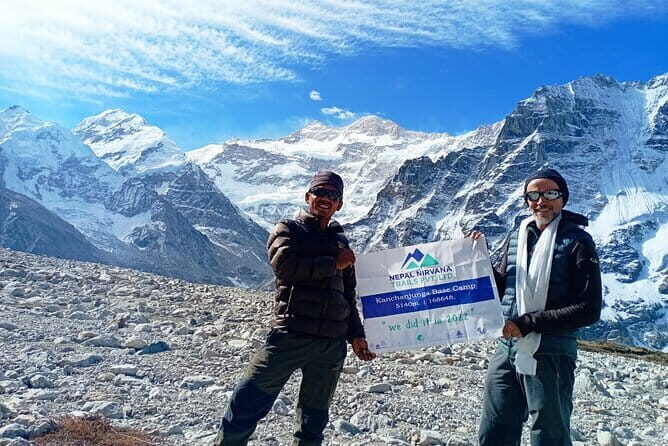
This circuit is the kind of trek that rewards patience. The idea is simple: you go where the trails are still growing, so villages along the way tend to be less set up for heavy tourism. Even in busier months, you’re more likely to feel like you’re sharing the path with local life and a small number of trekking groups, not competing for every viewpoint.
That quiet shows up in the day-to-day feel. Some sections move through dense woodland and stretches where settlements are sparse, so the trek rhythm becomes about your breathing, your footing, and the scenery that keeps changing with elevation. You’re also more likely to notice small details: stone huts, river crossings, and the way the trail threads through forests and ridges.
For me, this is the main value: you don’t just see mountains. You get time on a route that still feels like someone’s regular mountain world.
You can also read our reviews of more hiking tours in Kathmandu


Getting from Kathmandu to the trail: flights, permits, and long drive days
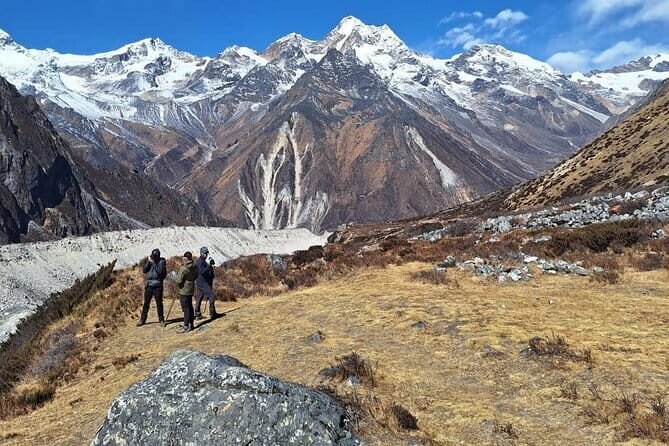
The trek starts in Kathmandu, with airport pickup offered for your arrival. After arrival, you’ll meet the team and handle permits: the operator collects your original passport for permit prep, then returns it in the evening. That’s useful if you don’t want permit paperwork to eat your first day.
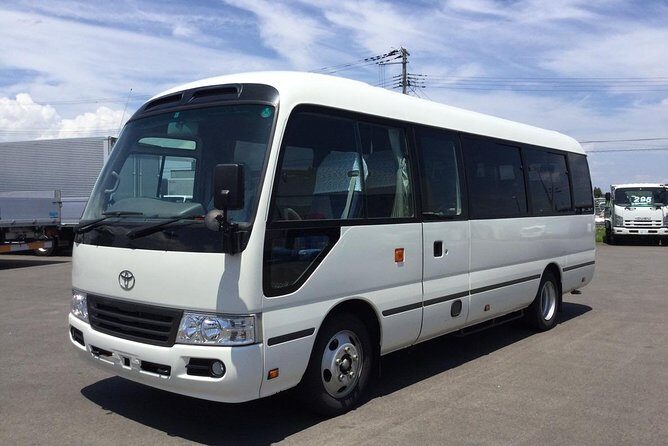
Day 3 is a shift from city logistics to rural Nepal. You fly from Kathmandu to Bhadrapur (about 45–50 minutes), then take a local jeep route through the Taplejung/Sekathum direction. Expect multiple transit segments: these are not quick shuttles. The trek is remote, so the jeeps cover the gap between modern roads and the start of the walking.
Two days later, more driving happens to reach Sekathum, and later in the circuit you’ll also see the pattern again at the finish—jeep transport back toward Chandragadhi/Bhadrapur and then a flight home. If you tend to get stiff after sitting, it helps to bring layers and treat transit days like part of training.
The trekking rhythm from Taplejung to Ghunsa: bridges, forests, and acclimatization
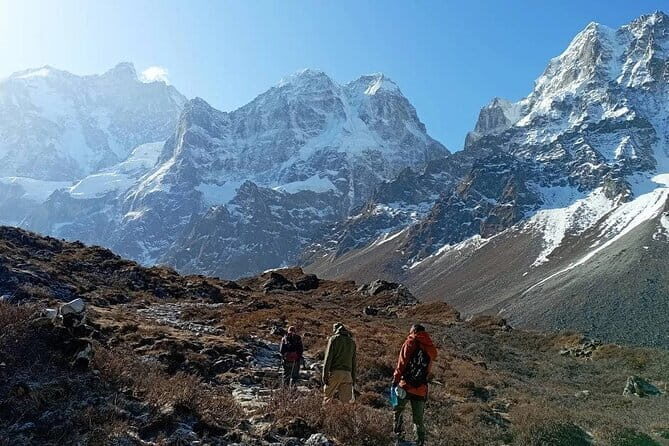
Once you begin walking, the plan is designed to gradually build altitude while giving you natural breaks in between. Day 4 to Day 7 is about easing in and settling your body into long hiking hours.
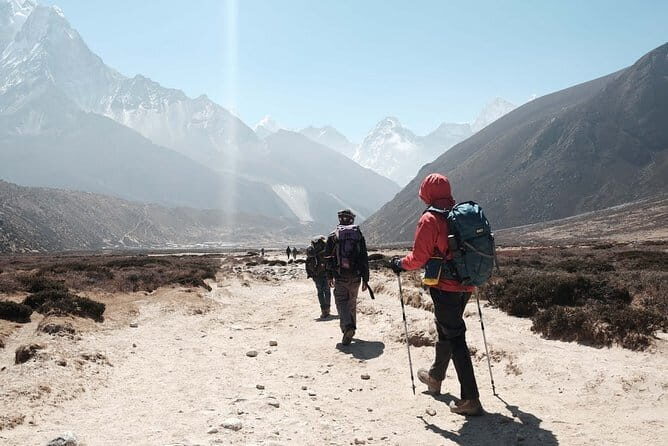
From Sekathum, the trek begins with walking along Ghunsa Khola and across many bridges. That’s a good early mix: less “vertical wall,” more varied terrain that helps you find a comfortable pace. On the way, you also move through areas described as dense forest and stretches with little to no human settlement—great for people who like their trekking days to feel wild rather than village-to-village busy.
Then Ghunsa becomes a key stop. It’s described as a common acclimatization pause, and that makes sense: you’re not just pushing altitude; you’re learning how your body reacts. The overall structure from this point forward matters because you’ll later face high passes and base camp days where weather and fatigue can change fast.
Khambachen and the acclimatization window: pines, wildlife chances, and glacier day trips
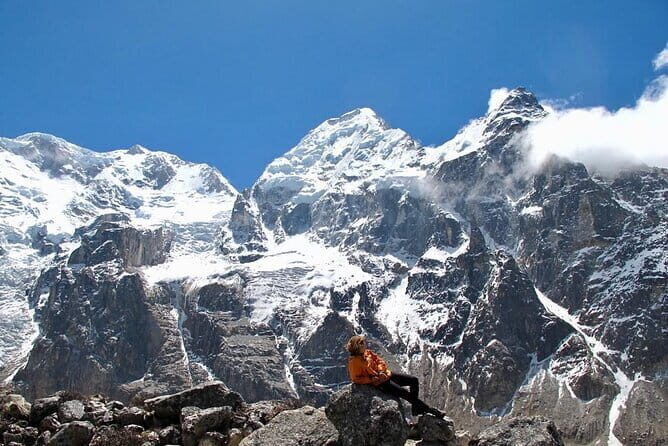
Khambachen is where the trek starts feeling more “Himalayan” in a very practical way. The route moves through open pine forest, and the itinerary calls out the chance to spot blue sheep and snow leopards—nothing is guaranteed, but it tells you the ecosystem is right there and you’re walking through it, not just around it.
There’s also a note that the trail passes through landslide-prone areas in this zone. That matters when you’re planning your gear and your mindset: keep your footing calm and don’t rush descents.
Day 9 is your rest and adjustment day at Khambachen. Instead of another long grind, you take a short hike to nearby glaciers, viewpoints, and lakes. That’s smart for two reasons. First, it helps you practice moving at altitude without the full effort of a normal day. Second, it gives you “reward time” before the circuit’s higher north-side push.
North Base Camp on Pang Pema: the big effort and what to expect
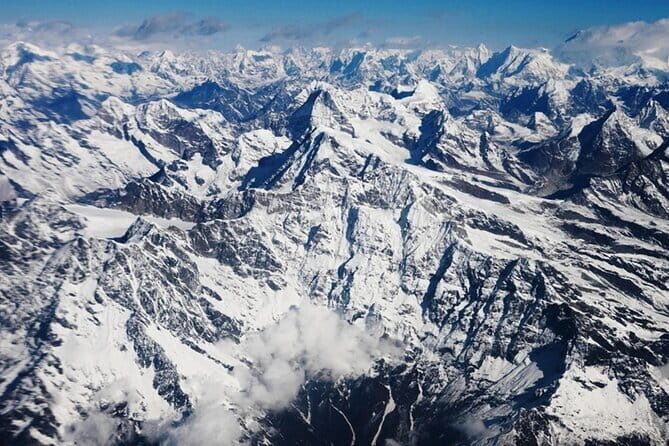
Day 10 and Day 11 are the heart of the Kanchenjunga north-side experience. You’ll move toward the Kanchenjunga glacier route, and the trail description mentions meeting other trekkers heading toward or coming back from North Base Camp during main season. So while this circuit stays quieter overall, you may still feel that classic “team energy” on the north approach.
Day 11 is the dedicated hike to North Base Camp, also known as Pang Pema. The approach follows moraines gradually and reaches base camp after steady trekking. This is where pacing becomes everything: you want to keep moving efficiently without burning yourself out before the top moments.
In practical terms, base camp days usually mean longer focus time—less wandering, more deliberate steps, and more attention to how your body feels at higher elevation. The payoff is the perspective shift: you’re not just chasing height; you’re gathering one of the mountain angles that makes this circuit special.






Sele Le and the high passes: Sinion La, Mirgin La, and Sinelapche Bhanjyang
After the north base camp day, the trek turns into a careful “moving forward with purpose” plan. You retrace part of the track back to Ghunsa, then continue toward Sele Le.
Sele Le is another big psychological step. The description points out the chance to see snow leopards again and mentions dense forest plus isolated human settlements with a few teahouses, some open only in certain seasons. Translation: this is where the trek starts to feel more remote and your routine depends on the day’s conditions.
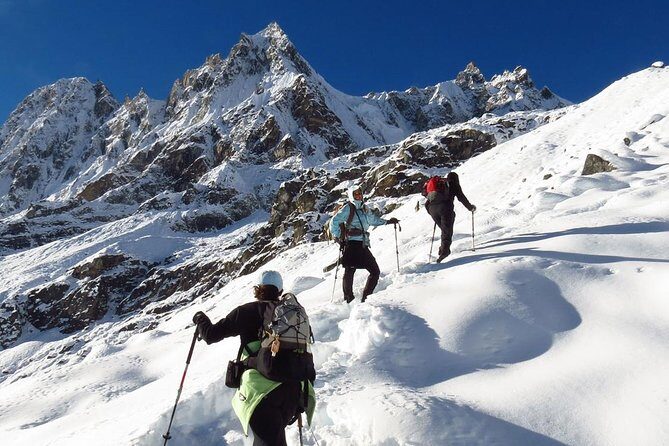
Then comes the high-pass section (Day 14). You’re moving from Sele Le over multiple passes:
- Sinion La at 4440m
- Mirgin La at 4480m
- Sinelapche Bhanjyang at 4645m
That altitude range is no joke on foot. The benefit is that you’re rewarded with spectacular panoramic views (the itinerary calls them out directly), but the real value for you is how the trek teaches altitude management through repeated effort rather than one single shock climb.
Expect colder air, more wind exposure on the passes, and the need for smart pacing. If you tend to go out too fast on day one of a climb, this section will correct that habit.
Yalung Glacier days: close-up views toward Rathong and Kabru
After the passes, the trek moves higher again with Day 15 focused on the Yalung Glacier area. You head forward after an early breakfast, getting closer to big views. The route description mentions the glacier provides views of Rathong (6682m) and Kabru (7412m).
This is one of those “work hard, then look longer” days. The itinerary is also careful about what matters: it’s about getting higher and drawing nearer to glacier terrain, which tends to feel different underfoot and in the air. Even when the walking is steady, the visual focus stays intense.
If you like your trekking days to include both effort and clarity—big sightlines that make the climb feel worth it—this is a highlight zone.
Descent to Tortong and Yamphudin: keeping legs happy
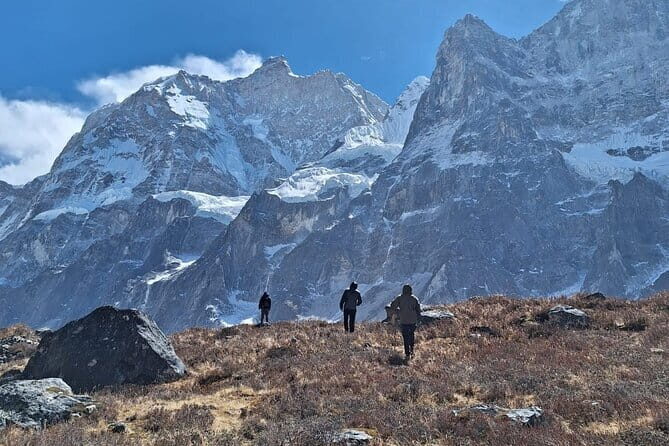
Day 16 starts downhill and ends at Tortong. That sounds like recovery, but downhill over rough terrain can still wear you down. The route includes walking through rhododendron forests, which can feel like a mental reset after high-altitude passes.
Then Day 17 continues the descent toward Amji Khola, passing by Lasiya/Lamite Bhanjyang (3415m) and Dhupi Bhanjyang (2665m) before reaching Yamphudin. The names and altitudes matter here because you’re still crossing elevated terrain even as the overall trend is down. The best approach is to keep your steps short, stay consistent, and avoid letting your enthusiasm turn into shaky footing.
By the time you reach Yamphudin, you’ve done the tough part: you’ve handled altitude, then handled the passes, then handled the return. That’s why the finish still feels like trekking, not just “escape by walking.”
Finishing with Kanyam and Bhadrapur: tea cultivation, flights, and a smoother landing
Day 18 is the final walking and village scenery day. You start exploring landscapes along trails near Kabeli Khola, then leave the mountain villages and take a drive toward Kanyam. After that, Day 19 brings the exit plan.
On Day 19, you’ll have breakfast, then explore the green tea cultivation area for a while. After that, there’s a 2–3 hour drive to Bhadrapur, followed by a short flight (45–50 minutes) back to Kathmandu.
That last day matters more than people think. You’re not just getting to a plane—you’re finishing with enough time to feel human again. Tea cultivation also makes a nice contrast to the glacier-and-pass days: softer visuals, calmer pace, and a sense the mountains have let you go.
Tea-house food and comfort: what basic really means on this circuit
This trek is tea-house based, and the tradeoff is simple: you get flexibility and local immersion, but you don’t get luxury meals or a big menu.
The information explicitly says food on this trek is very basic, and you’ll likely want to choose veg options where available. That’s also practical if you’re sensitive to stomach issues at altitude (or just want predictability after long days). Think of meals as fuel, not dining out.
Comfort-wise, tea houses are also where you’ll manage cold nights, limited hot water, and slower charging options. The good news: you’re hiking most of the day, so the best setup is a sleeping routine that helps you rest when you can.
For value, tea houses keep costs down and keep the trek authentic. Just don’t expect restaurant-level consistency from day to day.
Guides, porters, and small groups: why names keep coming up
This company runs with a licensed trekking guide and a porter plan: between 2 trekkers, you get 1 porter. That’s not just a convenience. It’s a big deal for this route because carrying less can help your legs stay functional for long pass days.
In the feedback I looked at, guides including Raj and Jangbu were repeatedly praised for service that felt premium and personal—hard work, clear knowledge, and a friendly tone that helps when you’re tired. KP also shows up as the friendly organizer in messages, which fits the pattern: you want a team that communicates well before you step onto the trail.
The tour’s maximum group size is 8 travelers. In practice, that means less waiting, less crowding at viewpoints, and a pace that can match your day. For a remote trek like this, small-group control is a real quality feature.
Price and value for $2,000: what you get for the money
At $2,000 per person for about 19 days, this trek isn’t a bargain, but it also isn’t overpriced for what’s included. Here’s what drives the value:
You’re paying for the hard-to-arrange pieces: trekking permits, a 3-star hotel in Kathmandu for 3 nights with breakfast, tea-house accommodations during the trek, and the staffing model (guide + porter with insurance, salary, food, and equipment). You’re also getting flights between Kathmandu and Bhadrapur and private jeep rides for the main transfer legs.
You also get a first aid kit with basic medication and official tax/VAT coverage. In remote trekking, those details reduce friction and uncertainty.
What’s not included is just as important: your travel health insurance (especially for emergency rescue/evacuation) is not included, and personal expenses like charging, extra snacks, and drinks aren’t covered. Tips for guides/porters are appreciated. If you’re budgeting, plan for those gaps early so you don’t end up stressed while you’re tired.
Who this Kanchenjunga circuit is best for
This trek fits you if you want a quieter, off-the-typical-path Himalayan experience and you’re ready for a serious walking schedule. The provided guidance is straightforward: you should have strong physical fitness.
It also makes sense if you like variety in your trekking days: jungle woodland sections, village walking, long glacier-zone approaches, and high-pass work. And because the route is newly established and capped at a small group size, you’re more likely to feel like you’re traveling with a team rather than blending into a crowd.
If you get uncomfortable with long jeep segments, or if you need restaurant-quality food and frequent hot showers, you’ll want to think hard first. This is a trek that asks you to accept basic comforts.
Should you book this trek?
I’d book this Kanchenjunga Circuit Trek if your priority is real remoteness with solid logistics: permits handled, flights and jeep transfers managed, tea-house stays lined up, and a staffed team that shows up well in past experiences (Raj and Jangbu being standout names). The included staffing model and small group size are the two big reasons it feels worth it.
I would hesitate if you’re very sensitive to cold, basic food, or long transit days. This circuit gives you big mountain reward, but it doesn’t pretend the middle is easy.
If you’re the type of traveler who reads a trek as a full journey—not a scenic walk with minimal effort—this one is a strong match.
FAQ
What’s included in the trekking package?
The package includes trekking permits, a 3-star hotel in Kathmandu for 3 nights with breakfast, tea-house accommodations during the trek, and a licensed trekking guide plus porter support (about 1 porter for every 2 trekkers). It also includes a first aid kit with basic medication, private jeep transfers on listed legs, flights between Kathmandu and Bhadrapur and back, and meals (breakfast for 18 days, lunch for 17 days, and dinner for 16 days).
How do you travel from Kathmandu to the trek start?
You fly from Kathmandu to Bhadrapur (about 45–50 minutes), then use a local jeep to reach the Taplejung/Sekathum side of the route. After the trek, you drive back to Bhadrapur and fly to Kathmandu.
Are porter services included?
Yes. The tour includes a porter, with a ratio of about 1 porter between 2 trekkers.
What’s the group size limit?
The maximum group size is listed as 8 travelers.
What kind of accommodation and food should I expect?
You’ll stay in tea houses during the trek. The food is described as very basic, and it’s suggested that you choose vegetarian foods available during the trek.
Do I need travel or evacuation insurance?
Travel and health insurance that covers emergency rescues and evacuations is not included, so you’ll need to arrange that separately.
If you tell me your travel month, your current trekking experience, and whether you prefer longer walking days or more rest, I can help you sanity-check the route fit for your pace.