REVIEW · KATHMANDU
Kanchenjunga Circuit Trek
Book on Viator →Operated by Mount Advenutre Holidays · Bookable on Viator
Kanchenjunga feels like Nepal’s edge. I love the solitude and the chance to meet Rai and Limbu communities, and I love the high base-camp night at Pangpema. The tradeoff is a long, altitude-heavy circuit where pacing matters, especially once you’re above 4,000m.
From the first day, this trek is designed to keep you moving through real villages and real forests, not just scenic pull-offs. I like the way the trip handles the big logistics for you: airport and hotel pickup in Kathmandu, three meals a day on the trail, a government-licensed English-speaking guide, and the permits and conservation fees already taken care of.
In This Review
- Key highlights I’d circle before you book
- Kanchenjunga Circuit: why this trek feels remote (and worth the effort)
- The full 21 days, step by step: what each stage gives you
- Days 1–3: Suketar to the first settling-in villages
- Days 4–6: higher terrain and the approach to the main acclimatization cycle
- Day 7: Cheram acclimatization and rest
- Days 8–10: the Ramche climb, then Selela La
- Days 11–13: Ghunsa to Lhonak, building toward base-camp country
- Day 14: Kanchenjunga base camp, overnight at Pangpema (~5,143m)
- Days 15–17: turning around from Lhonak and dropping toward Ghunsa and Amjilosa
- Days 18–20: down through Chirwa and Phurumbu, ending at Suketar
- Altitude and pacing: the real deal about high passes
- Guides and included gear: where this trip’s structure helps you
- Flora, wildlife, and big-peak views without the crowd noise
- Price and value: what $3,000 buys you for 21 days
- Porter strategy: when you should pay extra (and when you shouldn’t)
- Who this trek suits best
- Should you book the Kanchenjunga Circuit Trek?
- FAQ
- How long is the Kanchenjunga Circuit Trek?
- Where does the trek start in Kathmandu and when?
- Is transportation included?
- What meals are included during the trek?
- Do I need a guide?
- Are permits and conservation fees included?
- Is a porter included?
- Is cancellation free?
Key highlights I’d circle before you book
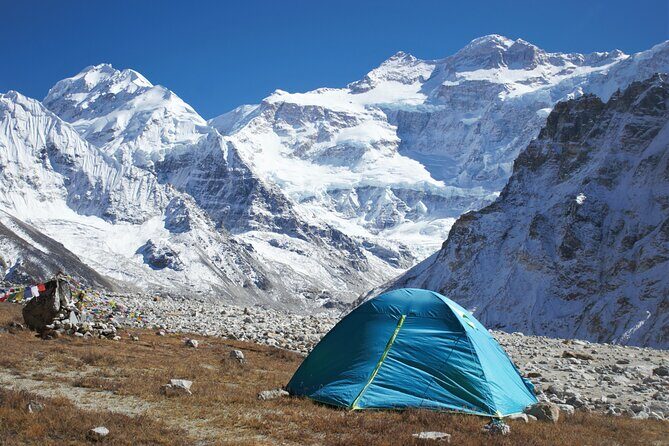
- Pangpema at ~5,143m: an overnight at a true high base-camp feel, not just a viewpoint stop
- High passes included: Selela La (4,290m) and the Mirgin-La crossing around 4,725m shape the whole rhythm of the trek
- A real culture route: you pass through Rai and Limbu country, plus multiple small communities along the way
- Forest-to-alpine variety: oak and rhododendron forests lower down, harsher, windier terrain higher up
- A private trek for your group: only your group participates, with pickup from Tribhuvan Airport at 7:15am
Kanchenjunga Circuit: why this trek feels remote (and worth the effort)
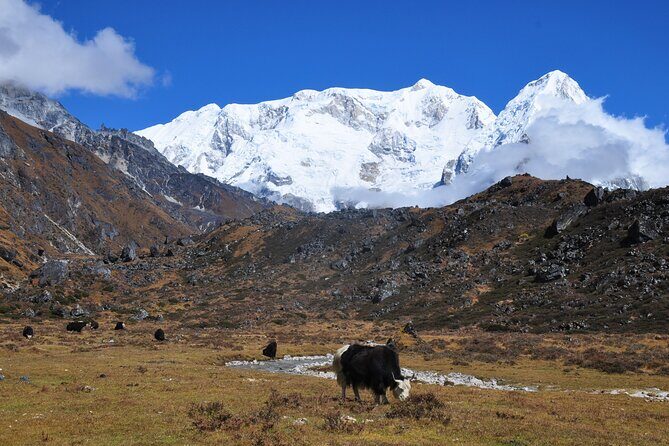
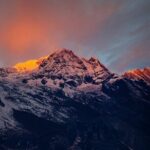
This circuit runs along the far north-eastern corner of Nepal, in the Kanchenjunga Park region where the pace feels slower and the world feels quieter. You’re not trekking a busy postcard line. You’re walking through forests, villages, and high passes where the scenery changes day by day, not hour by hour.
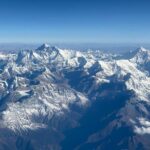
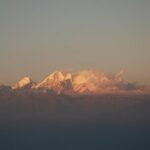
A big part of why I like this route is the sense of moving across different sides of the massif—south, central, and north Kanchenjunga country comes into view as you go. And when you reach the higher points, you’re not only looking at Kanchenjunga; you can also spot peaks such as Makalu, Lhotse, Jannu, and Everest in the broad views toward the Selela area.
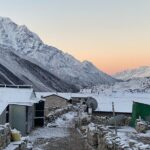
The trek is also built around the human scale of the region: small teahouses, local trails, and the daily work of village life. That matters if you want something more than a list of elevation gains.
You can also read our reviews of more hiking tours in Kathmandu
The full 21 days, step by step: what each stage gives you
This trek starts with a flight from Kathmandu to Suketar (2,420m), then you settle into walking over a full three-week rhythm. The route is structured to gradually raise your altitude, then hit the highest section around the Kanchenjunga base-camp area, and finally descend back through Ghunsa and the lower valleys.
Days 1–3: Suketar to the first settling-in villages
Day 1: Fly to Suketar and trek to Lalikha. This first day is about getting used to the trail tempo and the cooler air at elevation.
Day 2: Lalikharka to Khesewa (2,120m). You’re still in the lower band, where the walk feels more like a transition than a grind.
Day 3: Khesewa to Mamankhe (1,785m). Dropping a bit in elevation here is useful. It gives your body a chance to adjust without feeling like you’re climbing nonstop.
Days 4–6: higher terrain and the approach to the main acclimatization cycle
Day 4: Mamankhe to Yamphudin (2,080m). This is where the trail starts to feel more exposed.
Day 5: Yamphudin to Tortong (2,995m). A clear step up in altitude. Expect colder air and a stronger sense of wind.
Day 6: Tortong to Cheram (3,870m). You’re pushing into real high-country conditions. This is also where you’ll want to keep your warm layers easy to reach.
Day 7: Cheram acclimatization and rest
Day 7: Cheram rest day. This matters on Kanchenjunga treks because the route later climbs into the 4,500m band and above. Use the time to eat well, drink steadily, and keep your activity gentle.
Days 8–10: the Ramche climb, then Selela La
Day 8: Cheram to Ramchaur (Ramche) (4,580m). This is one of your first big jumps into thinner air.
Day 9: Ramche to Yalung Base Camp (4,500m) to Cheram. Even though you go up and then back down the same day, the point is clear: get high, see the base-camp-style scenery, then recover.
Day 10: Cheram to Sele La (4,290m). This is your high-pass day. Crossing at Selela La changes the feel of the trek—conditions often turn harsher as you move into more alpine terrain.
Days 11–13: Ghunsa to Lhonak, building toward base-camp country
Day 11: Sele La to Ghunsa (3,595m). The descent helps your legs, but you’re still in the altitude zone where breathing feels different.
Day 12: Ghunsa to Kambachen (4,050m). A steady climb, with mountain views becoming more constant.
Day 13: Kambachen to Lhonak (4,780m). You’re now near the upper edge of the route before Kanchenjunga base camp proper.
Day 14: Kanchenjunga base camp, overnight at Pangpema (~5,143m)
Day 14: Kanchenjunga base camp, overnight at Pang Pema (5,143m). This is the emotional high point of the trek. You’re spending the night at a real high-altitude base area, which usually makes the entire experience feel more intense than day treks do.
Days 15–17: turning around from Lhonak and dropping toward Ghunsa and Amjilosa
Day 15: Pangpema to Lhonak. This is the first step in coming back down.
Day 16: Lhonak to Ghunsa (3,475m). The altitude drop can feel like a gift. Still, keep moving with care—your body is adjusting again.
Day 17: Ghunsa to Amjilosa (2,308m). You’re heading into more comfortable trekking heights.
Days 18–20: down through Chirwa and Phurumbu, ending at Suketar
Day 18: Amjilosa to Chirwa (1,270m). Big descent day. Trails can feel fast, but your ankles will appreciate slow footwork.
Day 19: Chirwa to Phurumbu (1,549m). A steady finish in the lower elevations.
Day 20: Phurumbu to Suketar. You’re back where the trip started, but with a very different perspective.
Day 21: Fly to Kathmandu. The return flight closes the loop—and it’s when you’ll start noticing how much the high air shapes your body for a few days.
Altitude and pacing: the real deal about high passes
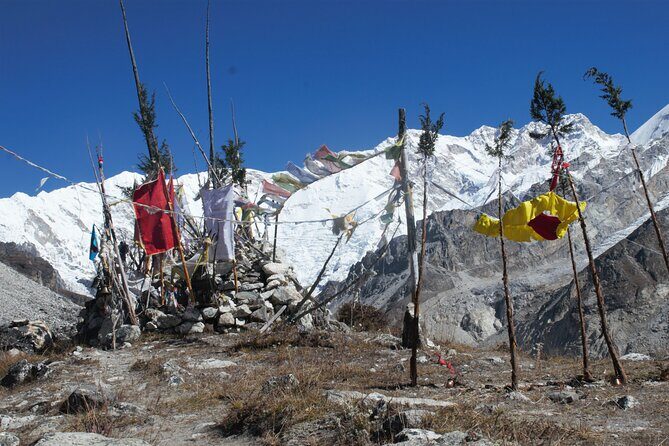
This route takes you high enough that you should treat altitude as a core feature, not a side detail. You’re at or above 4,500m during parts of the circuit (Ramche 4,580m, Yalung Base Camp 4,500m), and you reach even higher at Pangpema (5,143m).
The route also includes Selela La (4,290m) and the Mirgin-La pass around 4,725m. Pass days can be mentally tough because you’re often climbing toward exposed views while the air stays thin. That’s why the Cheram acclimatization/rest day is so important. It’s not filler. It’s part of how the itinerary is shaped to manage the climb.
Practical tip: keep your day plan simple. Eat early, move steadily, and don’t try to “win” the mountain. High-altitude walking rewards consistency, not speed.
Guides and included gear: where this trip’s structure helps you
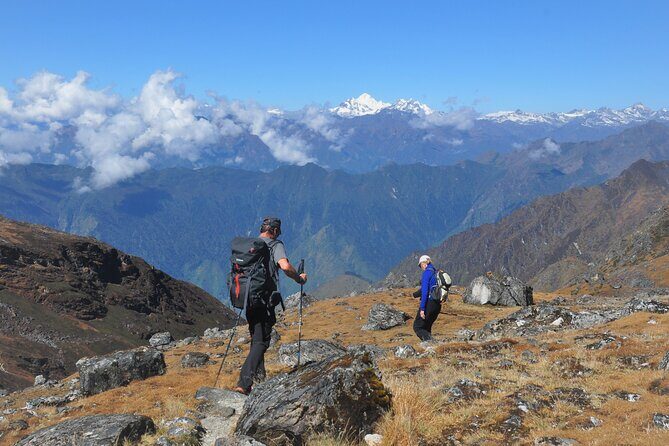
I’m a fan of itineraries that remove the guesswork, and this one does. You get a government licensed, experienced English speaking guide, plus a trekking map per person, and the Kanchenjunga permit and conservation fee handled as part of the package.
There’s also real value in how the trek handles Kathmandu logistics. You get airport/hotel pickup and drop-off by private vehicle, and Kathmandu hotels with breakfast are included. That takes the edge off the start and finish, especially when you’re trying to sleep before a long trekking day.
On the gear side, the trip includes a down jacket and sleeping setup during the trek, and it’s refundable after the trek. Even if you already own warm layers, having a tested system can reduce stress on cold nights.
One more practical win: the trek provides three times meals during the trek and also includes seasonal fresh fruit. Meals matter at altitude because they affect your energy and recovery. If you’re careful about water and timing your food, you’ll feel the difference.
From prior trek experiences with this operator, I’ve seen evidence that guides can make the route feel clearer. One trekker credited Nima Sherpa for being local to the area and very well informed. Another traveler highlighted Pasang for being friendly and well spoken, including airport pickup and hotel transfer in Kathmandu.
And if your diet has special needs, here’s a useful signal: one traveler who is vegan reported no problems eating during the trek. Still, if you’re vegan, ask ahead so the kitchen can plan appropriately.
Flora, wildlife, and big-peak views without the crowd noise
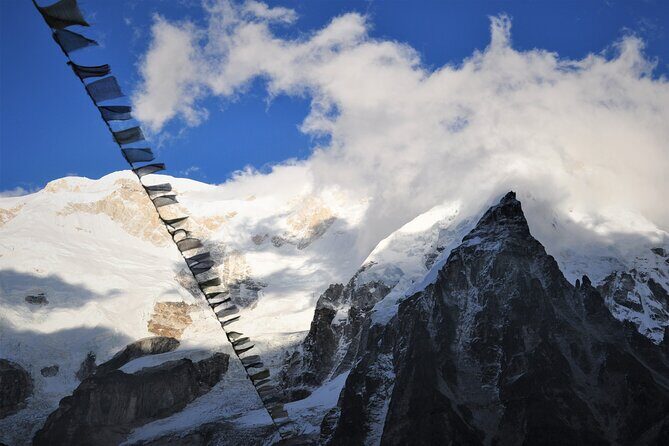
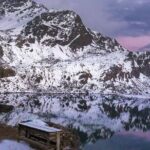
You’ll see a shift from forests into higher and harsher terrain as you climb. In the lower sections, the region is known for oak and rhododendron forests. When you’re higher, the environment opens up, and the mountains dominate more than the trees do.
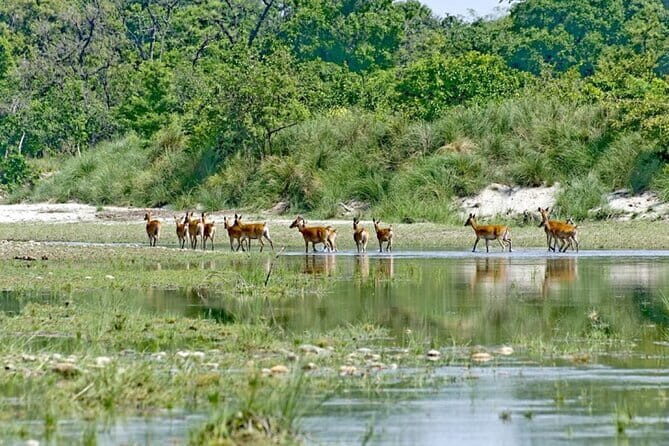
Wildlife is possible rather than guaranteed, but that’s part of the appeal here. You might spot things like snow leopards and mask deer, plus various birds. Even if you don’t see wildlife on any given day, the chances of seeing animal tracks or unusual bird activity can be better on a remote route than on a heavily trafficked trail.
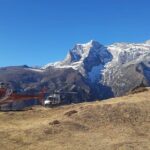
For mountain views, the route is timed so that you catch wide angles toward Makalu, Lhotse, and Everest on the way toward the Selela Pass area. This is the kind of trek where peaks come in waves—one day you notice a certain face, the next day you see it from a different angle and it looks like a different mountain altogether.
Price and value: what $3,000 buys you for 21 days
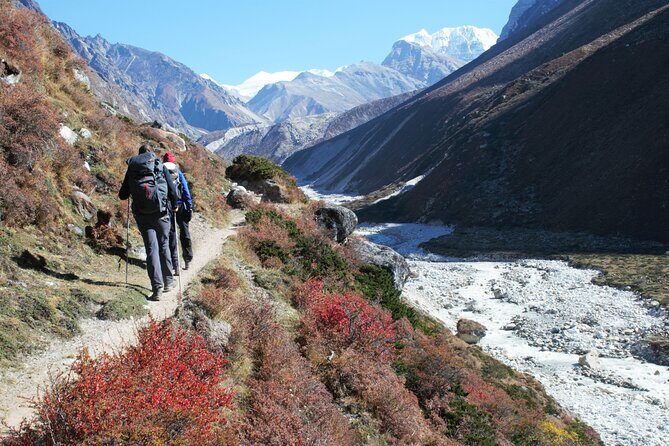
At $3,000 per person for about 21 days, the price is high compared with shorter, lower treks. But this trek includes real cost drivers: domestic flights (Kathmandu to Suketar and back), permits and conservation fees, hotel nights in Kathmandu, a licensed guide, and a large chunk of trail meals.
Here’s what’s included, in plain terms:
- Kathmandu pickup and drop-off via private vehicle
- Kathmandu hotels with breakfast
- Three meals per day during the trek
- Government licensed English-speaking guide
- Kanchenjunga permit and conservation fee
- Trekking map
- First aid kit
- Seasonal fresh fruit
- Down jacket and sleeping provided during the trek (refundable after)
And here’s what’s not included:
- International airfare and Nepal visa fees
- Travel/medical insurance and emergency evacuation
- Personal expenses like drinks, hot showers, laundry, and phone/internet
- Porter services (porters are available for an extra cost)
- Meals and accommodation in Kathmandu if you return early or have late departures
If you want value math: this package does a lot of coordination work for you, so your budget is spent mostly on the big-ticket parts you can’t easily DIY—permits, guide, and the logistical chain of a multi-week high trek. If you’re comfortable managing the on-trail portion independently, you can often find cheaper options. If you prefer a guided, regulated setup with most major pieces handled, this price starts to make sense.
Porter strategy: when you should pay extra (and when you shouldn’t)
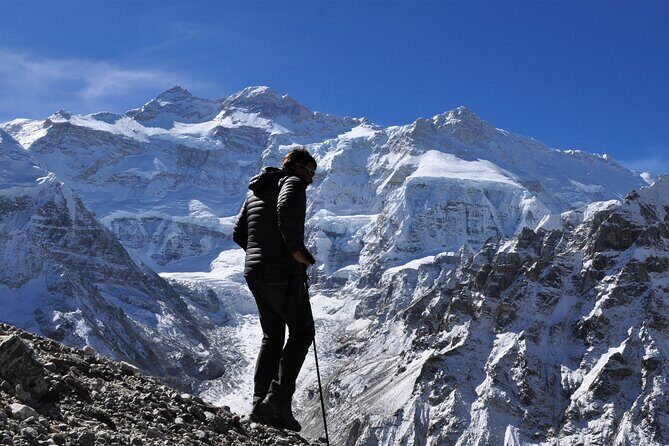
The trek states that a porter is available at an extra cost. For you, the decision usually comes down to what you can carry comfortably at high altitude.
If you plan to bring extra layers, camera gear, and a water system, a porter can reduce fatigue and help you keep a steady walking rhythm—especially on longer uphill days. If you travel light and you’re confident on steep trails, you might choose to go without one. Just don’t treat this like a casual hike. High passes and cold nights change what you’ll want to have on hand.
Even without a porter, the included meals and gear can shrink what you need to pack. The provided down jacket and sleeping setup also reduce your carry load compared with a trek where you must bring everything yourself.
Who this trek suits best
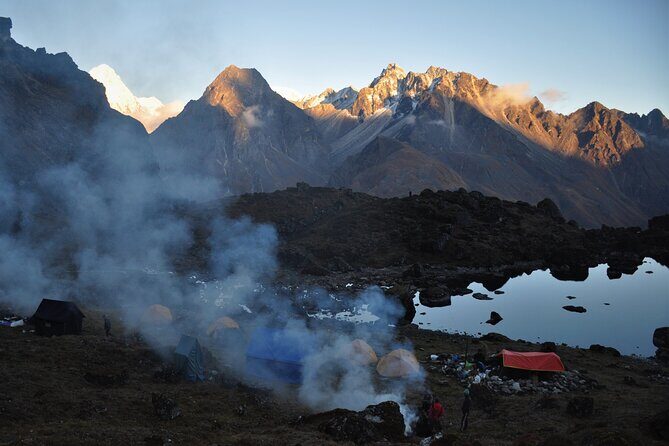
This is a strong match for:
- Trekkers who want solitude and don’t mind a slower, remote pace
- People who enjoy cultural encounters along the way, not just summit photos
- Anyone prepared for significant altitude exposure and pass days
- Small groups who like the idea of a private trek where only your party participates
It may be less ideal if you:
- Prefer short treks with limited altitude variation
- Want flexible daily changes with lots of spare time (this circuit has a defined multi-day rhythm)
- Don’t have the endurance for a 21-day program with multiple high points
Should you book the Kanchenjunga Circuit Trek?
If you’re chasing a remote, high-altitude circuit with genuine village life and a real sense of wilderness, I think this is a smart booking. The included guide, permits, three meals, Kathmandu support, and down jacket/sleeping setup remove a lot of the practical stress that usually turns treks into logistics projects.
My final nudge: make your decision based on altitude readiness and trip length. If you can handle a long trek and you respect the high days—especially Selela and the base-camp night—this is the kind of journey that sticks with you longer than a standard mountain walk.
FAQ
How long is the Kanchenjunga Circuit Trek?
It’s listed as 21 days (approx.).
Where does the trek start in Kathmandu and when?
The start is Tribhuvan Airport, Kathmandu, Nepal, with a 7:15am start time.
Is transportation included?
Yes. You get airport/hotel pickup and drop-off by private vehicle in Kathmandu, plus flights from Kathmandu to Suketar and back to Kathmandu at the end.
What meals are included during the trek?
The trek includes three times meals during the trek, plus seasonal fresh fruit.
Do I need a guide?
Yes. The trip includes a government licensed, experienced English speaking guide.
Are permits and conservation fees included?
Yes. Kanchenjunga permit and conservation fee are included.
Is a porter included?
A porter is not included, but a porter is available for an extra cost.
Is cancellation free?
Yes. You can cancel for a full refund up to 24 hours in advance of the start time. If you cancel less than 24 hours before, the amount paid is not refunded.