REVIEW · KATHMANDU
Kathmandu Cultural Tour – Kathmandu Valley Sightseeing Tour
Book on Viator →Operated by Adventure Vision Treks and Travels · Bookable on Viator
Four UNESCO sites in one Kathmandu day? It’s a fast, guided loop through the Kathmandu Valley where Buddhist stupas and Hindu temple traditions sit side by side, each with its own rules, rituals, and stories. The value here is the structure: you don’t just visit famous places, you get an on-the-ground explanation of what each one means, including the intense (and optional) experience at Pashupatinath.
I like that this tour is hotel pickup to hotel drop-off. It saves you from figuring out transport in a city where traffic and routes can turn a short visit into a long one. I also like the private guide and private vehicle, which makes it easier to move on your schedule and ask questions as you go. Bottled water is included, which sounds small until you’re walking between sites in warm weather.
One thing to consider: entry fees to the World Heritage sites are not included, so you should budget for tickets on the spot. Also, the tour runs best in good weather, since the day is built around outdoor sightseeing.
In This Review
- Key highlights worth knowing
- Why This Kathmandu Valley Loop Works for First-Timers
- Price and Logistics: What Your $78 Really Buys
- Stop 1: Swayambhunath Temple and Its Hilltop Monkey Temple Views
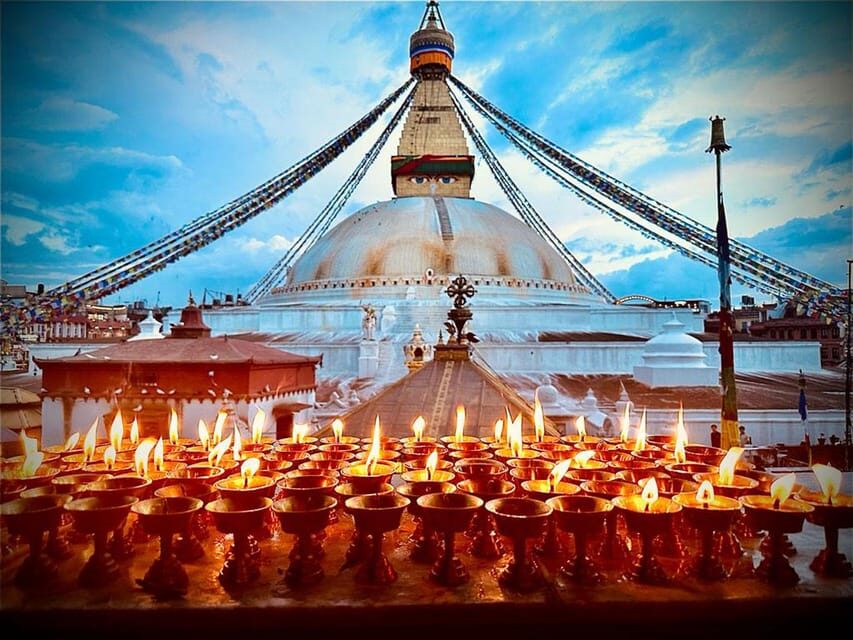
- Stop 2: Boudhanath Stupa and the Rhythm of Tibetan Buddhism
- Stop 3: Pashupatinath Temple, UNESCO Status, and Optional Cremation Viewing
- Stop 4: Patan Durbar Square, 17th-Century Architecture, and Tea Time
- How the Guide Changes the Day From Photos to Meaning
- Weather, Timing, and the Pace You’ll Actually Feel
- Who This Tour Fits Best (and Who Might Skip It)
- Should You Book This Kathmandu Cultural Tour?
- FAQ
- What sites does the Kathmandu Valley Cultural Tour visit?
- How long is the tour?
- Is hotel pickup and drop-off included?
- Are admission tickets to the World Heritage sites included in the price?
- Does the tour include UNESCO World Heritage sites?
- Is this a private tour?
- Do I get a mobile ticket?
- What if the weather is bad?
- Are service animals allowed?
Key highlights worth knowing
- Private vehicle + pickup/drop-off means less time wrestling with logistics
- Four UNESCO World Heritage stops in a single 5–6 hour outing
- Swayambhunath includes a short hill climb and big city views
- Boudhanath is the quieter, Tibetan-Buddhist counterpoint to louder Kathmandu spots
- Pashupatinath is spiritually powerful and can be intense, with viewing optional
- Patan Durbar Square finishes with time to slow down and enjoy the area
Why This Kathmandu Valley Loop Works for First-Timers
This is the kind of tour you take when you want Kathmandu culture fast, but not random. The itinerary is built around landmark variety: hilltop Buddhist devotion at Swayambhunath, large-scale Tibetan Buddhism at Boudhanath, Hindu sacred cremation at Pashupatinath, then royal-square history at Patan Durbar Square. That mix matters, because it shows you how these traditions share space in the same valley.
Timing also helps. You’re looking at about 5–6 hours total, with set time blocks at each stop (for example, 2 hours at Swayambhunath and 2 hours at Patan Durbar Square). That’s long enough to see the main sights without turning the day into a sprint where you only catch photos.
If it’s your first time in Kathmandu and you’re short on days, this plan gives you a concentrated overview. If you have more time, you can use this day to decide what you want to revisit later at your own pace. The tour is especially useful if you’d rather have someone explain significance than just read signs and guess.
You can also read our reviews of more historical tours in Kathmandu

Price and Logistics: What Your $78 Really Buys
At $78 per person, this tour is priced like a practical sightseeing day rather than a budget flight to a highlight reel. The core value is what’s included: hotel pickup and drop-off, transport by a private vehicle, a driver/guide, and bottled water.
That matters because entrance tickets and local transport can quietly add cost and stress on your own. Here, you’re paying to remove uncertainty: you start at your hotel, you move between sites in one vehicle, and you have a guide to connect the dots.
The catch is clear: admission tickets for the World Heritage sites are not included. The tour description also lists admission as not included at each stop, so you should expect to pay entry fees during the day. Budgeting for those tickets keeps the $78 from feeling like a surprise bargain that isn’t really covering everything.
It’s also a private tour/activity, meaning only your group participates. That’s a good fit if you want a more personal day rather than shared group pacing. Just remember that with a private setup, communication is key—ask questions early and confirm the plan for all the listed stops.
Stop 1: Swayambhunath Temple and Its Hilltop Monkey Temple Views
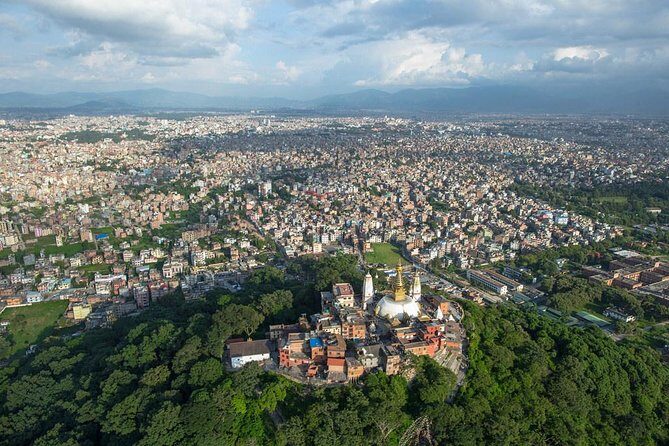
Swayambhunath is the kind of place that immediately gives you perspective. It sits on a hill, and you reach the summit with a short 5-minute walk. At the top, you get panoramic views over Kathmandu city, plus an ancient Buddhist stupa experience that feels like it’s been part of daily life for ages.
The main structure is the stupa itself, surrounded by numerous shrines and temples, so you can explore in layers instead of doing one quick look and leaving. The tone is spiritual and atmospheric, but it also has personality. Swayambhunath is often called the Monkey Temple, and monkeys are part of the scene and local mythology, which makes the visit feel lively in a way that’s different from other hilltop sites.
The tour allots 2 hours here, which is useful. If you only pass through, you miss the chance to slow down and notice the setting—shrines tucked in, views changing as you move, and the overall sense of devotion. If you love photography, plan to spend more time standing back to take in the city view rather than rushing from one corner to the next.
Admission tickets aren’t included for this stop, so factor that in. Also, since this is outdoors on a hill, weather affects the comfort level. If it’s clear, the view is the reward; if it’s misty or rainy, you’ll be glad you have enough time to look around slowly even if the skyline is harder to see.
Stop 2: Boudhanath Stupa and the Rhythm of Tibetan Buddhism
After Swayambhunath, Boudhanath feels like a shift in pace. This stupa is described as the largest Tibetan stupa in the world, and it’s a major symbol of Tibetan Buddhism. You’re in an area often referred to as Little Tibet, and the atmosphere reflects that identity.
Where Swayambhunath can feel energetic—hill views, shrines, monkeys—Boudhanath leans toward calm focus. You’ll notice monks chanting and the rhythmic spinning of prayer wheels. Even if you don’t understand every detail of the rituals, the repetitive motion and sound create a steady feeling. It’s a good stop if you want balance after the earlier spectacle.
The tour gives you 1 hour at Boudhanath. That’s enough to see the main stupa, move around the area, and absorb the mood without turning it into a long lecture. If you’re someone who likes to watch ceremonies quietly, this is a short but meaningful window.
Like the other stops, admission tickets aren’t included, so plan to pay your entry fee here too. The timing also helps: spending less time at Boudhanath can keep the day flowing, especially because Pashupatinath comes next and can be emotionally intense.
If you’re traveling with people who get tired easily, Boudhanath’s calmer feel is often a relief. It gives the day a breath.
Stop 3: Pashupatinath Temple, UNESCO Status, and Optional Cremation Viewing
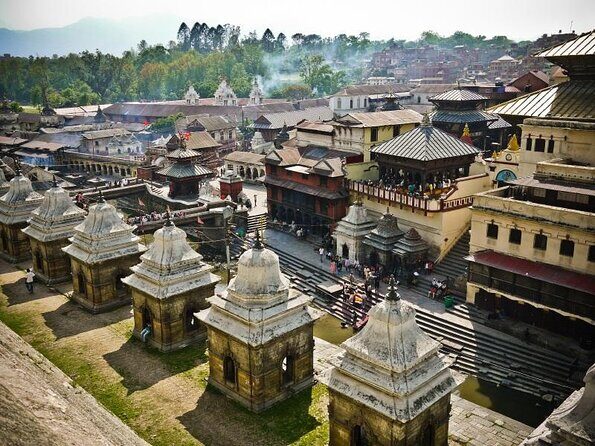
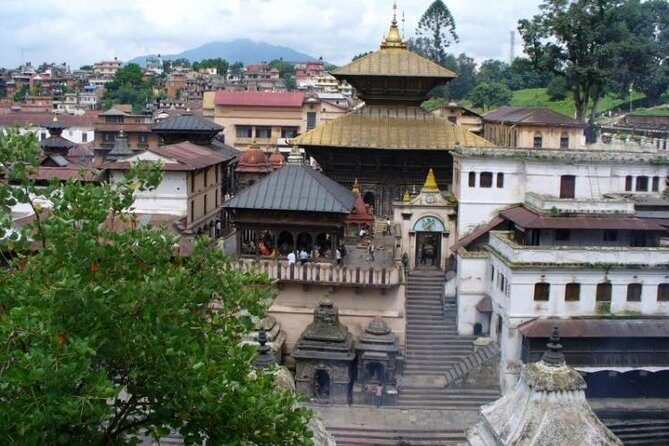
Pashupatinath is the stop that separates a sightseeing day from a life-and-spirituality day. It’s a UNESCO World Heritage site and one of the most sacred places for Hindus. The key detail you should know before you go is that cremation rituals are performed openly along the Bagmati River.
This is not a walk-through museum. It’s a living religious process, and the description makes it clear that it can be deeply reflective for some visitors while feeling intense or unsettling for others. The tour also notes that you can choose whether to observe this aspect.
That option matters. You’re not forced into watching something you’re not ready for. If you prefer to focus on the temple setting itself and the general sacred atmosphere, you can do that. If you’re comfortable with the reality of open cremation and want to understand how it functions in Hindu practice, you’ll likely find it one of the most thought-provoking parts of the day.
You get 1 hour here, which is a sensible time limit. It’s long enough to take in the temple area and decide how you want to approach the cremation zone, and short enough that you’re not stuck feeling overwhelmed for too long.
Admission tickets aren’t included again, so this is another point where the day may cost more once you’re there. Also, if you’re sensitive to intense sights or crowds, consider planning a calmer moment right after this stop—your next destination is Patan Durbar Square, where you can slow down.





Stop 4: Patan Durbar Square, 17th-Century Architecture, and Tea Time
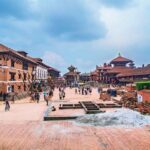
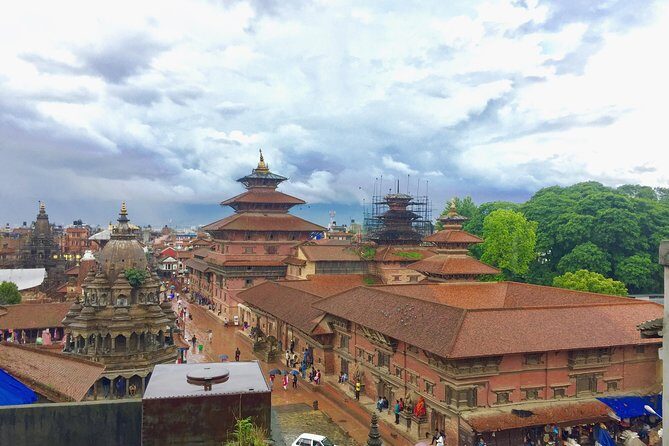
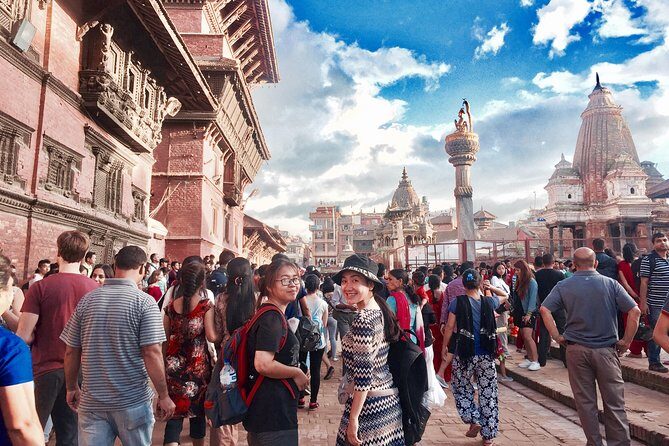
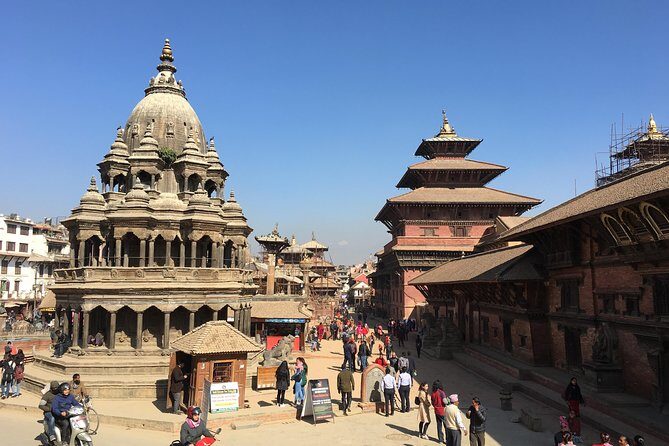
Patan Durbar Square (Patan Darbar Square) brings the day into a different register: royal-square history, art, and a more relaxed end-of-tour vibe. It’s located in Patan (Lalitpur) and is one of the three historic royal squares in the Kathmandu Valley.
The focus here is 17th-century architecture, plus a museum component that adds context for how traditional Nepalese life and craftsmanship were expressed in this space. If the earlier stops were all about religious practice in active spiritual settings, Patan gives you architecture and heritage you can walk through and take your time with.
The tour allots 2 hours at Patan Durbar Square, and that longer block is great for easing your body after earlier walking. This is also the stop where the tour description suggests you can use the time to relax and enjoy the area. It even points you toward a practical local idea: don’t miss a chance to savor authentic Patan tea as you finish.
Admission tickets aren’t included here either, so plan for that entry fee during the day. But because this stop is designed as an ending point, you’ll feel less rushed dealing with payments and logistics. It’s a good place to take a slower final stroll, and it’s also the type of site that rewards observation—doorways, stonework, and how the square functions as a community space.
If you want a closing memory that feels more calm and cultural than intense and reflective, this final stop is doing that job.
How the Guide Changes the Day From Photos to Meaning
This tour is built around interpretation. The description is clear that you’ll learn the significance of each location from your tour guide. In real life, that can be the difference between seeing four famous places and actually understanding why they matter.
In particular, the guide role is most useful for connecting:
- Swayambhunath’s status as an ancient Buddhist stupa with shrines and temples around it
- Boudhanath’s identity as a major Tibetan Buddhist symbol and the atmosphere created by chanting and prayer wheels
- Pashupatinath’s UNESCO significance and why cremation rituals happen openly along the Bagmati River
- Patan Durbar Square’s status as a historic royal square and why its architecture and museum matter
One practical tip: because this is a private tour with your own vehicle, you should treat the first minutes as your chance to set expectations. If something feels off—like the plan not matching the listed stops—ask directly and quickly. This is the kind of tour where a small misunderstanding early can change what you see by the end of the day.
Also, because admission tickets aren’t included, your guide can help you understand when those ticket moments might come up so you’re not scrambling for money with time slipping away.
Weather, Timing, and the Pace You’ll Actually Feel
This experience calls for good weather. That doesn’t mean you can’t do it on a cloudy day, but it does mean the outdoor walking and hilltop viewing can be more comfortable when conditions are decent. Swayambhunath includes that short 5-minute hill walk, and the rest of the day relies on moving between temple and square areas.
The total schedule is built for steady movement rather than long breaks. You’ll have time to spend, but it won’t feel like a slow monastery retreat. Think of it as a guided cultural sampler where each stop has a clear amount of time: 2 hours, 1 hour, 1 hour, 2 hours.
If you’re someone who hates rushing, you can still manage the pace by choosing a priority within each stop. For Swayambhunath, focus on the hilltop view and a careful wander around shrines. For Boudhanath, watch the prayer wheel rhythm and the chanting. For Pashupatinath, decide your comfort level early so you don’t waste mental energy later. For Patan Durbar Square, slow down and take in architecture and the option for tea.
Who This Tour Fits Best (and Who Might Skip It)
This is best for you if:
- You’re a first-time visitor to Kathmandu and you want a clear overview without planning each site separately
- You want private pacing with a driver/guide and hotel pickup/drop-off
- You like UNESCO sites and want to see four World Heritage locations in one day
- You’re curious about both Buddhist and Hindu traditions
You might want to rethink it if:
- You really can’t handle the idea of open cremation rituals at Pashupatinath, even with the choice to not observe them
- You hate paying extra on the day for entry fees, since tickets are explicitly not included
- You prefer to control every detail yourself and don’t want to rely on a fixed 5–6 hour route
One more practical fit note: if you’re traveling with limited mobility or you know you won’t enjoy walking up to Swayambhunath’s hilltop, you may find the day physically tiring. The tour does include pickups and transport, but the short walk up to the summit is still part of the experience.
Should You Book This Kathmandu Cultural Tour?
If your goal is a well-structured cultural day with hotel pickup, a private guide, and a focused route through four UNESCO World Heritage sites, this tour is a strong match. The itinerary makes sense for first-timers: you get hilltop views, Tibetan Buddhist atmosphere, a powerful Hindu site with choice around observation, and a calmer finish at Patan Durbar Square with time to slow down.
I’d book it if you’re ready for the extra cost of World Heritage entry tickets and you know you can handle Pashupatinath’s intensity—or at least confidently choose not to watch the cremation rituals. It’s also smart to confirm the full stop list at the start so you get the planned four-site day.
If those conditions fit your travel style, you’ll likely come away with more than snapshots. You’ll leave with a clearer sense of how Kathmandu’s religious life moves across four iconic spaces.
FAQ
What sites does the Kathmandu Valley Cultural Tour visit?
The tour visits Swayambhunath Temple, Boudhanath Stupa, Pashupatinath Temple, and Patan Durbar Square.
How long is the tour?
It runs about 5 to 6 hours in total.
Is hotel pickup and drop-off included?
Yes. Hotel pickup and drop-off are included.
Are admission tickets to the World Heritage sites included in the price?
No. Entry fees to World Heritage sites are not included, and admission is listed as not included at each stop.
Does the tour include UNESCO World Heritage sites?
Yes. The highlights say you’ll visit four UNESCO World Heritage Sites.
Is this a private tour?
Yes. It’s listed as a private tour/activity, so only your group participates.
Do I get a mobile ticket?
Yes. The experience includes a mobile ticket.
What if the weather is bad?
The experience requires good weather. If it’s canceled due to poor weather, you’ll be offered a different date or a full refund.
Are service animals allowed?
Yes. Service animals are allowed.