REVIEW · KATHMANDU
Langtang Gosainkunda Trek
Book on Viator →Operated by Hiking Adventure Treks · Bookable on Viator
Gosainkunda hits you fast. One of Nepal’s most famous religious lakes, it sits around 4,380 m, and the hike brings you to a “frozen lake” feeling with big Himalayan views. I love how this trek keeps things close to Kathmandu while still delivering that otherworldly drama—Gosainkunda Lake plus a cluster of surrounding lakes and peaks. I also like the care behind the trip: the operator is known for planning in detail and communicating clearly. One drawback to plan around: this experience needs good weather, and the non-refundable setup means you should be ready to be flexible if conditions are poor.
You start with a morning push—meeting time is 7:45 am—and the day-to-day pace expects you to have moderate physical fitness. This is also a private tour/activity, so your group only participates, which usually makes it easier to ask questions, adjust timing, and keep the trek feeling personal.
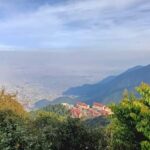
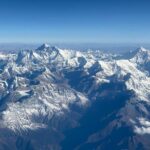
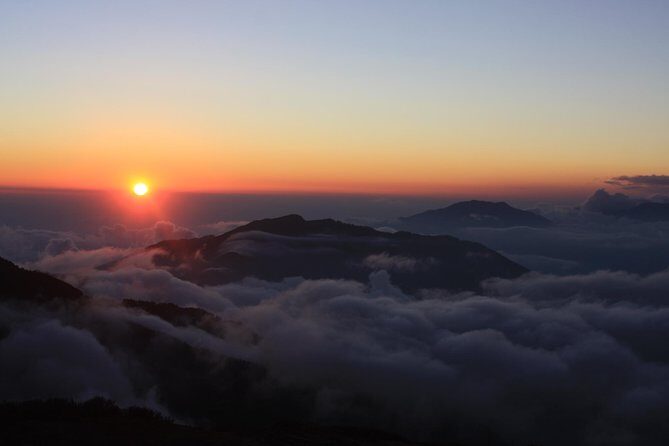
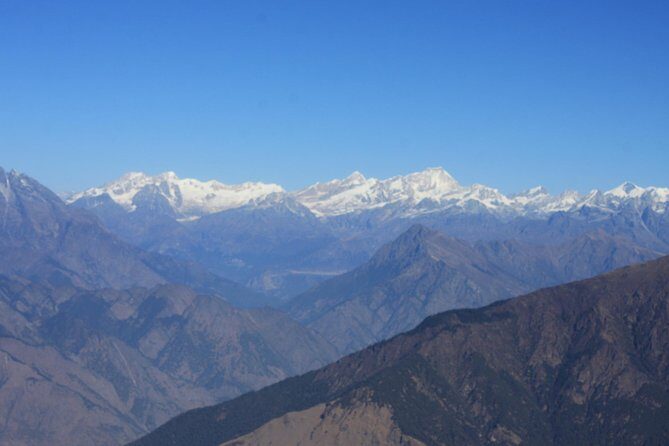
What makes Gosainkunda special is that viewpoint above the lake. From up high, you look down and across the Langtang Valley and out toward a wide range of Himalayan peaks. It’s spiritual scenery, not a theme-park one. Just remember: you’ll be hiking at altitude, so the best “strategy” is slow steps and smart rest.
In This Review
- Key Things I’d Pay Attention To
- Why Gosainkunda Lake Feels Like the Real Nepal
- How This 7-Day Trek Works From Kathmandu (Without the Guesswork)
- Altitude Reality Check: What 4,380 m Means for Your Body
- The Trek Experience: Lakes, Peaks, and the Spiritual Side of the Trail
- Food on the Trek: What’s Included and What That Covers
- The Human Side: Hiking Adventure Treks and Real Care
- Price and Value: What $700 Covers (and Why It Might Be Fair)
- Packing and Pacing Tips That Keep You Comfortable
- Who This Trek Fits Best
- Should You Book the Langtang Gosainkunda Trek?
- FAQ
- What time does the trek start?
- Where does the trek take place?
- How long is the Langtang Gosainkunda trek?
- Is pickup included?
- Is this a private tour?
- What meals are included in the price?
- Is bottled water included?
- Is alcohol included?
- How will I get confirmation after booking?
- What happens if weather is poor?
Key Things I’d Pay Attention To
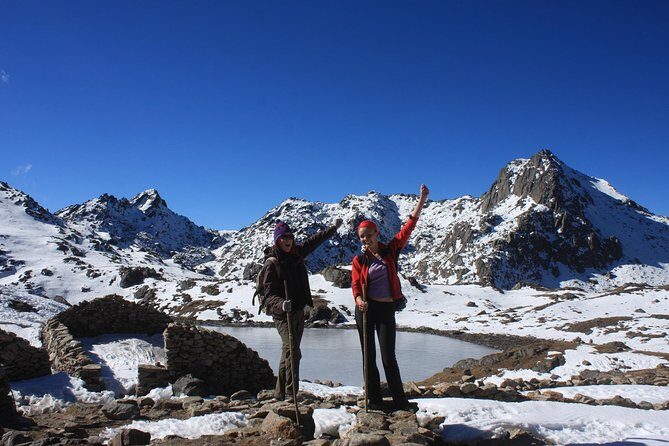
- Gosainkunda’s religious pull: You’re not just hiking for views; the lake has major spiritual importance and a distinct frozen-lake reputation.
- Altitude at 4,380 m: Expect thinner air and plan for slower walking, especially on the higher parts.
- Views that include the Langtang Valley: The payoff isn’t only the lake—it’s the big panorama from above it.
- Private group format: You get your own group, so the experience feels tailored rather than rushed through crowds.
- Hiking Adventure Treks support: Known for careful planning and responsive communication, including dietary coordination and thoughtful handling for clients with special needs.
Why Gosainkunda Lake Feels Like the Real Nepal
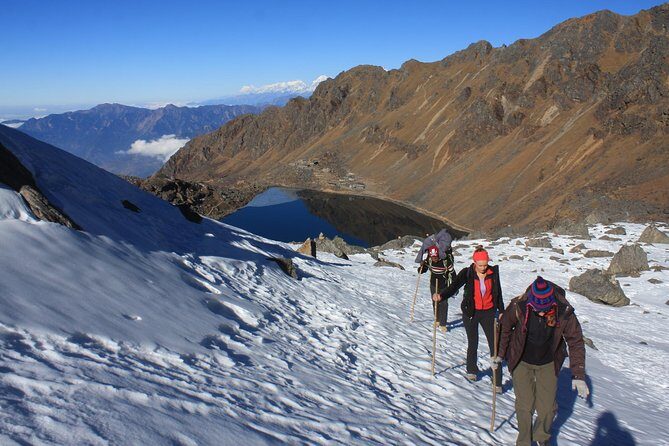
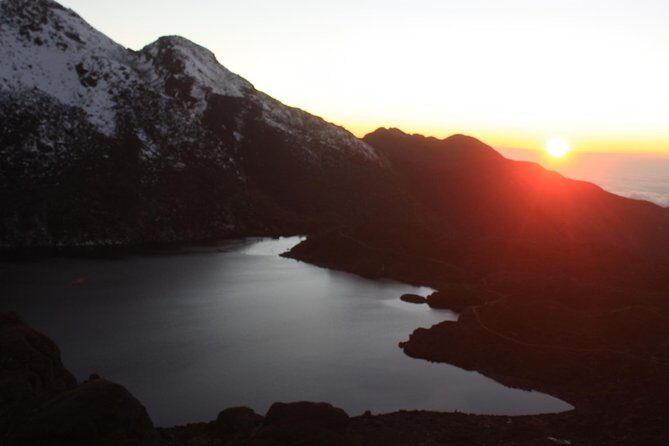
Gosainkunda is one of those places that makes the trip feel “bigger” than the route. You’re in Nepal’s Langtang region, but the draw is the way the lake sits in a high, stark setting—surreal, quiet, and intensely scenic. This isn’t a postcard lake floating in a resort brochure. It has meaning, and the atmosphere reflects it.
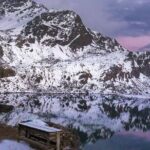
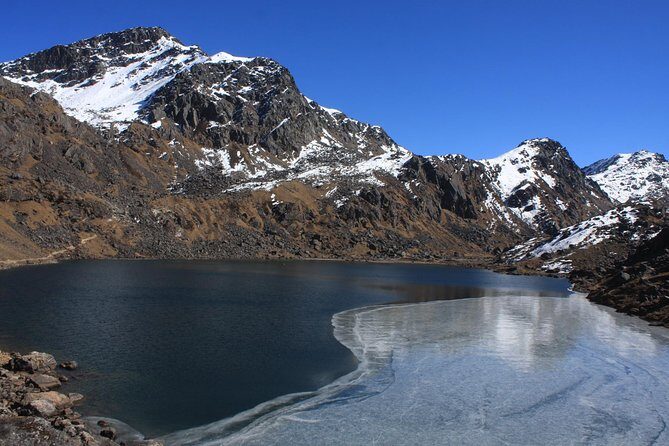
The other reason I’d put this trek on your list is the lake cluster. You’re heading to a group of lakes rather than a single, isolated dot on a map. That matters because your experience changes as you move—some spots feel more open, others more sheltered, and the “frozen lake” reputation makes the place feel even more dramatic depending on the conditions.
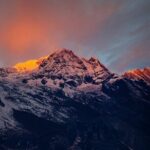
And then there’s the view above the lake. You get an overlook that points back toward the Langtang Valley and across multiple Himalayan directions. It’s the kind of scenery where you stop talking and just look, then take photos like you suddenly learned how to use a camera again.
You can also read our reviews of more hiking tours in Kathmandu
How This 7-Day Trek Works From Kathmandu (Without the Guesswork)
This tour is based out of Kathmandu, with a pickup offered and a 7:45 am start time. That early start is practical: you’re minimizing wasted hours and giving yourself better odds of getting moving while the day is calmer.
The trek itself is described as a short route from Kathmandu, and you can hike to the lake from Dhunche or from Kathmandu. That’s helpful for you if you’re trying to match your comfort level with altitude and time. Dhunche is a common access point for the region, and starting there often means you’re not spending all your energy on “getting to the trek” logistics before the real hiking begins.
Because the duration is listed as 7 days (approx.), treat the middle days as your main trekking window. You’ll spend that stretch gaining altitude gradually, moving between lake viewpoints and surrounding areas, and building enough breathing rhythm to enjoy the high points rather than just survive them.
The final days are about coming back down and re-entering normal walking tempo. Altitude makes the return feel easier, even when your legs are tired. You’ll still want good pacing and steady steps.
Altitude Reality Check: What 4,380 m Means for Your Body
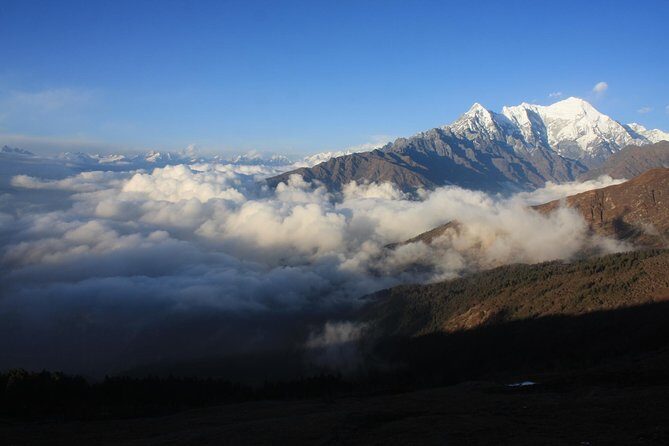
At 4,380 m / 14,368 ft, Gosainkunda is high enough that you’ll feel it. Even if you’re fit, the air is thin, and that changes everything: your walking feels slower, your breathing ramps up faster, and you may notice less appetite.
The tour specifically calls for moderate physical fitness, which is a good sign—it suggests the trek is meant to be doable without requiring technical mountaineering skills. But altitude is altitude. Your main “skill” on this route is listening to your body.
Here’s what I recommend you do to make the altitude section more comfortable:
- Keep your pace slow on the climbs. Your goal is consistent breathing, not speed.
- Take extra breaks if you feel lightheaded. Don’t treat symptoms like a personal challenge.
- Plan your clothing in layers. Cold at altitude can be real, even when the morning starts mild.
If you come with realistic expectations, you’ll enjoy the hike more. If you come like you’re training for a sprint, Gosainkunda will remind you that it’s not interested in ego.
The Trek Experience: Lakes, Peaks, and the Spiritual Side of the Trail
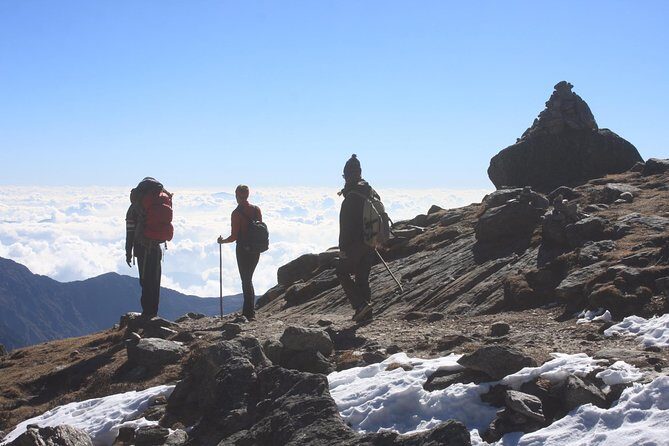
You’re hiking toward Gosainkunda, often described as the frozen lake, and it’s surrounded by other lakes and peaks. That means your “trail payoff” isn’t only one big moment at the end. You get multiple moments as your perspective shifts—especially once you’re near the lake area.
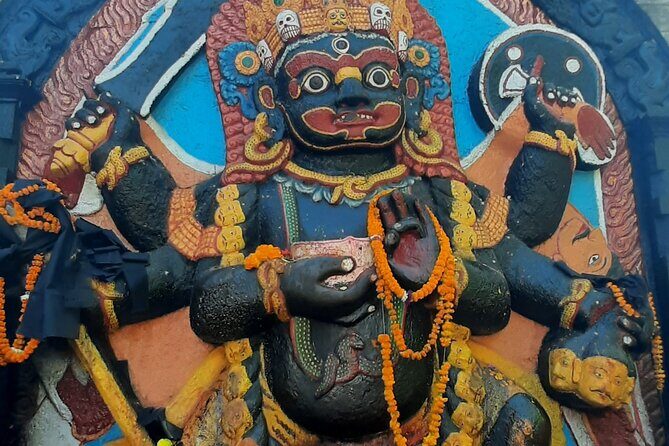
Also, this is a religious destination. That matters because you’ll likely feel the difference in how people move through the space and how the lake is treated. You’re not just walking in scenery; you’re walking in a place with deep cultural meaning.
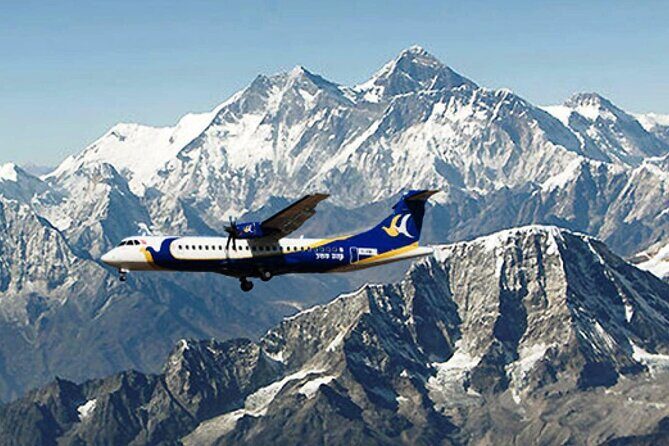
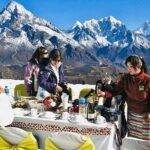
The viewpoint above the lake is a highlight. You’re overlooking the Langtang Valley and a broad range of Himalayan peaks. This is the part that rewards patience: slow steps, steady breathing, and time at the top to take it in without rushing back down.
One more note: the trek is described as something everyone can hike to the lake. Interpreting that practically means it’s not pitched as technical climbing. Still, “everyone” should not be taken to mean “no effort.” You’ll want to show up ready to walk at altitude for multiple days.
Food on the Trek: What’s Included and What That Covers
This is one of the clearer parts of the package. Meals included are:
- Breakfast
- Lunch
- Dinner
- Coffee and/or tea
That’s valuable because trekking days are easier when you’re not deciding every meal from scratch. It reduces planning stress and keeps you focused on walking and rest.
What’s not included:
- Bottled water
- Alcoholic beverages
That doesn’t mean you’ll be stuck without options, but it does mean you should budget for water and plan hydration properly. In the mountains, “I’ll drink later” is how you end up miserable.
If you’re the type who wants coffee or tea breaks, you’re covered. I like that, because small comfort wins matter a lot when you’re at height and moving steadily.
The Human Side: Hiking Adventure Treks and Real Care
The operator behind this trek is Hiking Adventure Treks. The strongest theme from their customer experiences is the level of attention they give before the trek even starts.
One thing I’d call out is responsiveness and planning quality associated with Sajana Tripathi. If you have questions, you want quick answers, especially when you’re trying to confirm details for an 7-day, high-altitude trek. In their service reputation, communication comes across as fast and practical.
There’s also credit given to Ram Barakoti for overall leadership and care. That matters because in Nepal, the trekking company’s real value shows up when there’s no drama—just planning, timing, and support that helps you avoid mistakes.
I also appreciate that their planning has included special dietary needs, including kosher coordination, and that they’ve worked with clients who required extra sensitivity and patience. None of that means every trek will match your exact needs automatically, but it does suggest the company has experience making trips work for different travelers.
And since the trek involves high altitude and multiple days, having a team that organizes the details lets you spend more energy on the trail and less energy on uncertainty.
Price and Value: What $700 Covers (and Why It Might Be Fair)
The price listed is $700.00 per person for a 7-day trek. On paper, that’s not a tiny amount. But when you look at what’s included—pickup offered, included meals (breakfast, lunch, dinner), and coffee/tea—the cost starts to make more sense.
Here’s how I think about value for a trek like this:
- Meals included reduce daily spending and remove decision fatigue.
- Private tour format can justify the price because it’s not squeezing you into a crowded group schedule.
- The operator’s planning and communication matter more than you expect when altitude and weather can affect your comfort.
What you’ll still pay for on your own:
- Bottled water
- Alcohol
- Anything not listed as included
So the best way to decide is to ask yourself: do you want a guided structure that handles food and coordination, while you focus on hiking and enjoying the lake? If yes, this price can feel reasonable. If you’d rather self-organize everything and cook your own plan, you might find cheaper options elsewhere, but with more risk and less support.
Packing and Pacing Tips That Keep You Comfortable
Because the tour calls for moderate physical fitness and includes a trek to a high 4,380 m destination, you don’t need fancy gear—but you do need smart basics.
Pack for cold, then adjust for the fact that you’ll work up heat on climbs. Bring layers you can add or remove quickly. If you hate getting cold mid-walk, you’ll love this strategy.
Footwear matters too. You’re dealing with mountain paths and changing conditions, so choose shoes you already know won’t wreck your feet.
And pacing is not optional. At altitude, slow is fast. If you keep a steady rhythm and take breaks before you feel awful, you’ll arrive with enough energy to actually enjoy the viewpoint above Gosainkunda.
Who This Trek Fits Best
This is a strong fit if:
- You want a short trek from Kathmandu to a major Himalayan religious site.
- You care about both scenery and meaning (lake + spiritual destination).
- You’d rather travel with structure: meals included, pickup offered, and private group format.
- You have moderate physical fitness and are comfortable walking for multiple days with altitude in the mix.
It’s also a decent choice if you’re traveling with a small group and want the schedule to feel controlled instead of crowded.
If you’re expecting a gentle stroll with zero fatigue, you might want a different option. Gosainkunda is high. The air does not care about your intentions.
Should You Book the Langtang Gosainkunda Trek?
I’d book this trek if you want a meaningful destination close to Kathmandu, and you’re ready for high-altitude hiking with a guided setup that handles meals and logistics. The combination of Gosainkunda’s frozen-lake mystique, a cluster of lakes, and the Langtang Valley viewpoint gives you a payoff that feels more like a real mountain journey than a simple day trip.
Skip it or think carefully if:
- You’re sensitive to altitude and want something lower.
- You’re not prepared for the weather requirement. This experience depends on good weather.
If you’re flexible, have moderate fitness, and you want the kind of trek where the care from Hiking Adventure Treks and leaders like Sajana Tripathi and Ram Barakoti shows up before you even hit the trail, this one deserves a spot on your Nepal list.
FAQ
What time does the trek start?
The meeting start time is 7:45 am.
Where does the trek take place?
The tour is in the Kathmandu, Nepal area, and the trek heads toward Gosainkunda, which can be reached from Dhunche or from Kathmandu.
How long is the Langtang Gosainkunda trek?
The duration is listed as 7 days (approx.).
Is pickup included?
Yes, pickup is offered.
Is this a private tour?
Yes. It’s described as a private tour/activity, so only your group participates.
What meals are included in the price?
The tour includes breakfast, lunch, and dinner.
Is bottled water included?
No. Bottled water is not included.
Is alcohol included?
No. Alcoholic beverages are not included.
How will I get confirmation after booking?
You’ll receive confirmation at the time of booking.
What happens if weather is poor?
This experience requires good weather. If it’s canceled due to poor weather, you’ll be offered a different date or a full refund. The experience is also non-refundable and cannot be changed for any reason.