REVIEW · KATHMANDU
Langtang Trekking
Book on Viator →Operated by Trek Mania Nepal · Bookable on Viator
Langtang delivers drama in crisp mountain air. I love how this trek strings together Kyanjin Ri viewpoint views with Gosaikunda lake scenery, so you’re not stuck in one kind of day. I also like the mix of trekking and culture: Tibetan Buddhism stops at big monasteries and smaller hamlets keep the walk from turning into just cardio. One thing to plan for: this isn’t a winter trek, and monsoon conditions aren’t the best, so timing really matters.
You also get a solid base of support for the money. The package includes a government-licensed English-speaking trekking guide, permits, and an air-conditioned vehicle, plus pickup is offered, which helps you start on time. My only caution is that “not included” is a long list: meals (lunch/dinner/breakfast) and trek accommodation are not part of the $699 price, so you’ll need extra cash and thoughtful packing.
If you’re the type who enjoys real villages, monastery courtyards, and long walking days with new scenery each turn of the trail, this route fits. It’s private, so your group sets the pace (within reason), and you start at 7:15 am.
In This Review
- Key Highlights I’d Prioritize
- Why Langtang, Gosaikunda, and Chisapani Work as One Big Route
- Price and Logistics: What Your $699 Actually Buys
- Trek Timing: Seasons That Make or Break Langtang
- The Route at a Human Scale: From Kyanjin Gompa to Chisapani
- Kyanjin Ri Viewpoint: Your Big “Okay, Wow” Moment
- Kyanjin Gompa and Sherpa Gaon: Faith and Daily Life Together
- Shin Gompa: A Smaller Stop With Big Meaning
- Gosainkunda and Its Siblings: The Cold-Air Lake Day
- Mangengoth and Mul Kharka: The Trail Between Big Moments
- Chisapani: Ending With Village Walking Energy
- Guides, Permits, and Why People Matter Here
- Comfort on the Ground: What to Expect Beyond Views
- Who This Trek Suits Best (and Who Should Rethink It)
- Should You Book Langtang Trekking With This Operator?
- FAQ
- What’s the trip duration for the Langtang, Gosaikunda and Chisopani trek?
- Where does the trek start and when is the meeting time?
- Is pickup included?
- What’s included in the $699 per person price?
- What is not included in the price?
- Do I need my own trekking guide or permits?
- What seasons are best for this trek?
- Is this a private tour?
- What’s the cancellation policy?
Key Highlights I’d Prioritize
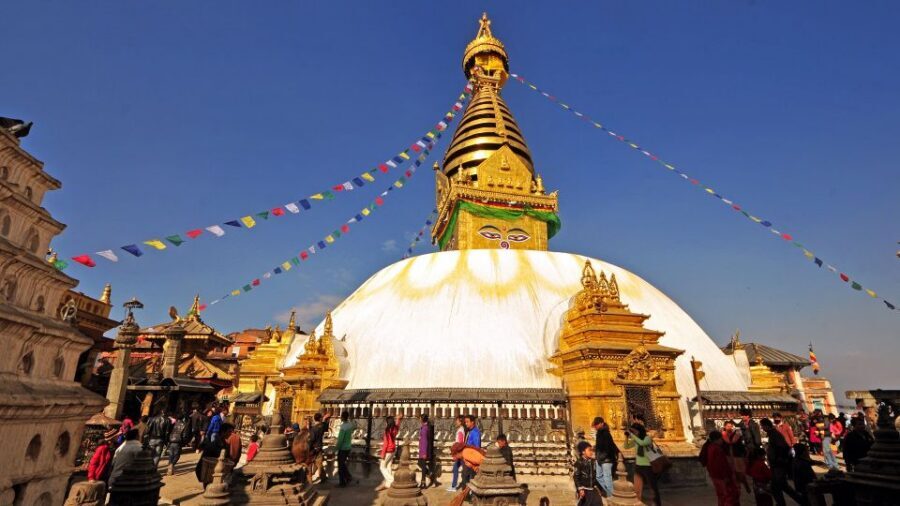
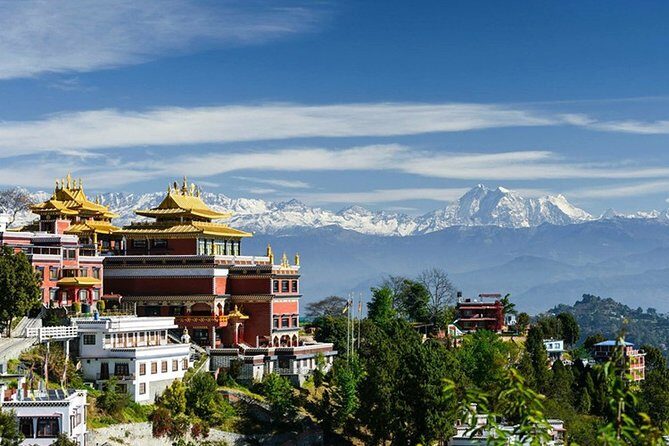
- Kyanjin Gompa and other monasteries: Tangible Tibetan Buddhism, from major sites to quieter religious stops
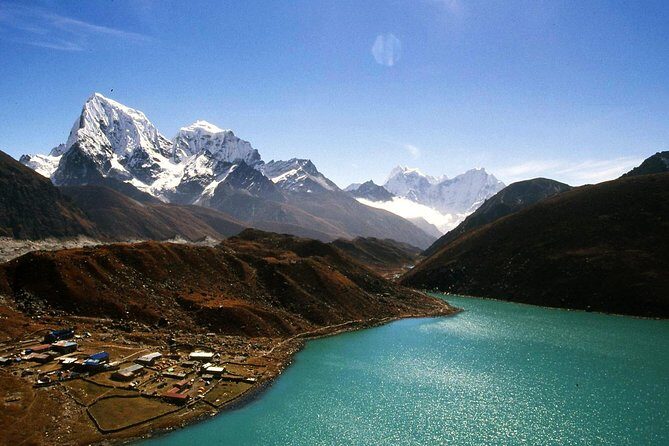
- Gosaikunda and its siblings: That famous turquoise-lake moment comes after cold, high-air trekking time
- Kyanjin Ri viewpoint: A payoff viewpoint that anchors the Langtang valley part of the trek
- Sherpa Gaon and cultural hamlets: You walk through settlements where daily life and faith share the same space
- Well-regarded guides like Kumar and Pradip: Guides described as fun, helpful, and full of answers
- Practical organization: Past trekkers highlighted smooth logistics, including quality food and comfortable lodging at Hotel Chimeki
Why Langtang, Gosaikunda, and Chisapani Work as One Big Route
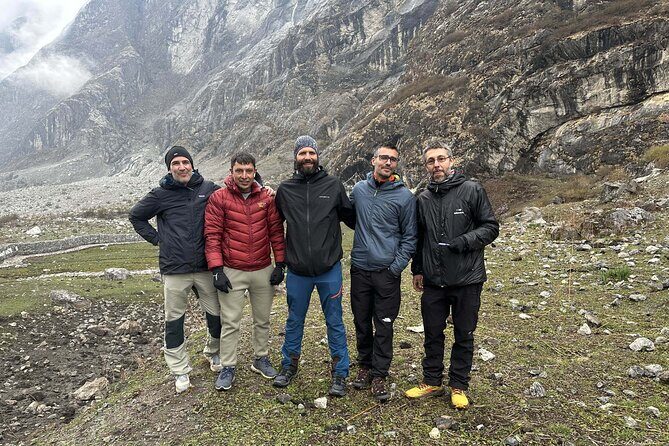
This trek is built around variety, and that’s the whole point. You’re not only chasing peak views; you’re also moving through monastery stops and community life in the northern Himalayas, where Tibetan Buddhism is part of everyday rhythm.
In the Langtang valley section, the emphasis is on mountain drama and religious architecture. The Kyanjin Ri area plus stops like Kyanjin Gompa give you those wide-angle “how is this real” moments, without making the trek feel like a theme-park shortcut.
Then the route turns toward Gosaikunda, and the mood shifts. You’ll feel the cold above the lake and the stillness that comes when you’re high, exposed, and surrounded by rock and snow light. It’s a classic trekking payoff: effort first, scenery second, then a calmer “sit and breathe” feeling for a while.
Chisapani rounds it out with more village walking and a different kind of Himalayan atmosphere. It’s the part that often makes a trek feel complete, because you’re not just leaving the mountains behind—you’re transitioning out with one last stretch of small paths, local guesthouse life, and mountain views.
You can also read our reviews of more hiking tours in Kathmandu



Price and Logistics: What Your $699 Actually Buys
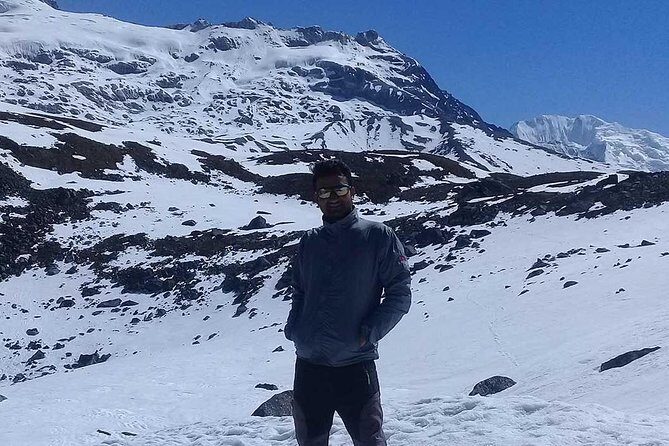
Let’s talk value like adults. The listed price is $699 per person, and what’s included is specific and useful: a government-licensed English-speaking trekking guide, permits, and an air-conditioned vehicle, with pickup offered.
That matters because trekking permits in Nepal aren’t just paperwork; they’re part of how routes stay legal and managed. And the guide is the difference between wandering and understanding what you’re seeing—especially for Tibetan Buddhism sites where explanations really help.
Now the catch: the “not included” list is where your budget can move. Lunch, dinner, breakfast, and accommodation during the trek are not included, and also not included are items like bottled water, snacks, coffee/tea, alcoholic beverages, travel insurance, and tips for guide and porters. So if you’re comparing prices with other tours, compare total spend, not just the headline number.
You’ll start at 7:15 am, so plan for an early departure day. Also, you get a mobile ticket, which is one less hassle item once you’re in-country. And because it’s a private tour/activity, it’s only your group—no shoulder-to-shoulder pacing with strangers.
Trek Timing: Seasons That Make or Break Langtang
You can do this trek in any season except winter. That’s a big deal, because weather windows in the Himalayas can change quickly.
Here’s the practical version:
- Spring and autumn are best: more stable conditions and better trekking comfort
- Monsoon is not so good, but trekking is still possible
So if you’re the “I don’t want surprises” type, lean toward spring or autumn. If you’re flexible and okay with wet trail days, you might still go during monsoon season—but go expecting slower walking and more cautious footing.
Also remember the trek includes a moment with icy air above Gosainkunda Lake. Even when it’s not full winter, higher elevations can feel sharp fast, especially early and late in the day.
The Route at a Human Scale: From Kyanjin Gompa to Chisapani
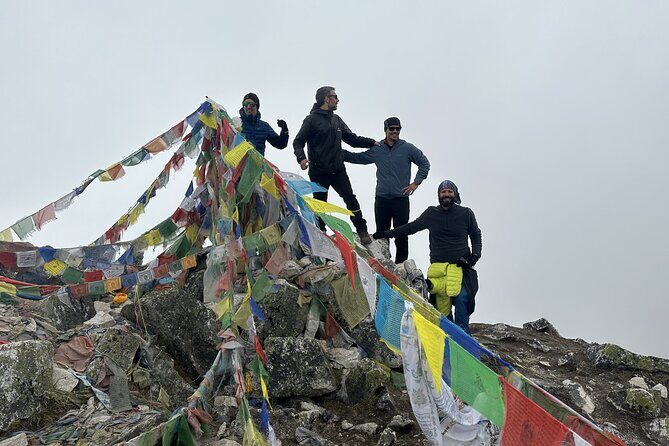
You asked for a comprehensive feel, not a checklist—so here’s how the trek segments tend to read once you’re walking.
Kyanjin Ri Viewpoint: Your Big “Okay, Wow” Moment
The trek highlights include Kyanjin Ri, which is exactly the kind of viewpoint that makes the rest of the hard hours feel worth it. Expect a day structured around reaching the viewpoint and soaking in the views. You’ll likely want your camera ready and your breathing controlled—altitude plus exertion can make even a quick stop feel like a long exhale.
The best part of a viewpoint like this isn’t just the photo. It helps you understand the valley you’re walking through—where monasteries sit, how ridgelines stack, and why certain villages look like they cling to the rock.






Kyanjin Gompa and Sherpa Gaon: Faith and Daily Life Together
Kyanjin Gompa is highlighted as the largest monastery in the Langtang valley, so it’s not a tiny stop. It’s the kind of place where you’ll see religious practice woven into the setting, and you’ll get a better sense of Tibetan Buddhism beyond what you’ve read.
Then comes Sherpa Gaon, which shifts you from religious architecture to settlement life. This is where you slow down and start noticing small details—how people live, how communities organize around the trail, and how trekking routes aren’t separate from normal life.
Shin Gompa: A Smaller Stop With Big Meaning
The trek also includes Shin Gompa (monastery). Smaller monastery stops often feel more personal because you’re not just passing through big-tour territory. Even if the building is less dramatic than the major sites, the meaning can hit harder because you’re closer to the everyday quiet of the practice.
If your guide explains what you’re seeing, this is where the explanations matter most—monasteries are visual, but they also have symbols and traditions that only make sense with context.
Gosainkunda and Its Siblings: The Cold-Air Lake Day
Gosaikunda is the headline, but the route also mentions its siblings—other surrounding lake areas connected to the same sacred geography. The point is to get the full feel of the region, not just one quick lake stop.
You’ll feel the trek’s harder edge here. The overview specifically notes the icy air above the lake, and that’s your cue to keep layers handy and don’t treat “breathtaking” as “comfortable.” If you’re moving slowly to manage cold, that’s smart, not weak.
And yes, the turquoise-lake visual can be a real shock in the best way—especially after hours of rock, snow light, and thin air.
Mangengoth and Mul Kharka: The Trail Between Big Moments
Mangengoth and Mul Kharka are listed highlights, and that’s a clue the trek doesn’t only do the obvious. These are the in-between areas where you’ll likely feel more of the walking rhythm and less of the ceremonial feeling.
This is where you learn your trekking pace, your rhythm for breaks, and your ability to enjoy the trail itself. If you only care about photos, you might miss why these stops matter. If you care about the trek as an experience, these are the glue.
Chisapani: Ending With Village Walking Energy
Finally, you reach Chisapani, another named highlight. This helps the trek feel like a complete arc: you start in the Kathmandu orbit, you move through the Langtang valley religious sites, you hit Gosainkunda’s high-air lake moment, and you come out with one more section of village walking.
Chisapani’s value for most people is psychological. It’s a “we made it” transition zone where the mountains don’t disappear, but the trek starts feeling less like a test and more like a memory you can hold.
Guides, Permits, and Why People Matter Here
The included guide isn’t a small detail. It changes how you experience everything from monastery courtyards to trail explanations.
In the past, guides such as Kumar and Pradip have been described as experienced and friendly, with lots of knowledge about landscapes and cultural sites along the way. One guide, Pradip, was praised for explaining both landscape and cultural context and even helping with very good pictures. Another name that shows up in logistics is Devaraj, tied to organizing the trek smoothly and helping with the itinerary feeling more tailored.
There’s also a Porter named Sunil mentioned in connection with patience during slower walking. That matters because not everyone marches at the same pace, and a trek like this is long-hour walking. When your support team is flexible, you spend less energy fighting logistics and more on enjoying the trail.
The key practical point: for Tibetan Buddhism sites, you’ll get more out of the day if your guide can connect what you see to what it means. That’s why the package’s English-speaking guide is such a big part of the value.
Comfort on the Ground: What to Expect Beyond Views
Your comfort depends on what you budget for because meals and trek accommodation are not included in the $699 price. That’s not a deal-breaker, but it changes how you plan daily costs.
On comfort, one accommodation detail stands out from past experiences: Hotel Chimeki was highlighted as a good place to stay, with food described as great. That’s the kind of difference you notice after long walking days: a reliable base where you can wash up, eat well, and sleep without stress.
For daily trekking gear, stick to simple mountain logic: layers you can adjust, shoes with good traction, and a plan for cold at higher points. The trek includes icy-air time near Gosainkunda, so pack with the expectation that you’ll want warmth even when the day starts sunny.
Water is also an item to budget for. Bottled water is not included, and the “snacks” line isn’t included either, so don’t rely on a spontaneous snack fund.
Who This Trek Suits Best (and Who Should Rethink It)
This trek fits people who can handle long walking hours and want both natural views and cultural stops. The information says it can be attempted by anyone with moderate physical fitness for long hours, and that sounds right for a route that spends days moving between monasteries, lake areas, and village sections.
It’s especially good if you like:
- religious sites and explanations (Kyanjin Gompa, Shin Gompa, and more)
- a mix of big viewpoints and quieter settlement days
- a private-group feel, so your pace isn’t dictated by strangers
If you hate cold at elevation or you only want short walks with lots of rest, this may feel too much. And if you’re set on going in monsoon months, you’ll want realistic expectations about wet trails and slower travel.
Should You Book Langtang Trekking With This Operator?
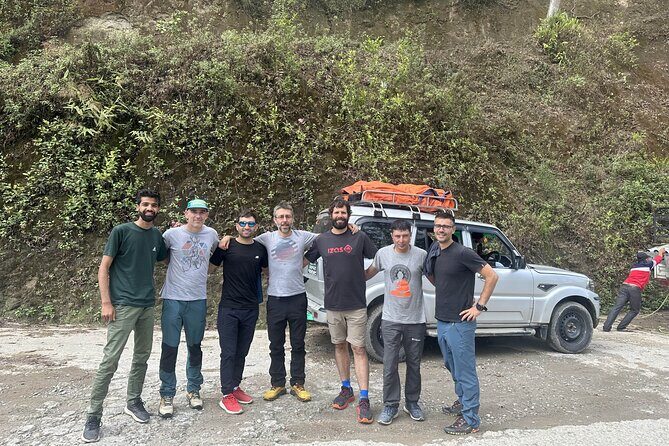
I’d book it if you want a trek that’s built for real Northern Himalayas variety—views plus Tibetan Buddhism plus village life—without having to manage permits and guide arrangements yourself. The included guide license, permits, and air-conditioned vehicle are the kind of practical supports that make the whole trip smoother.
I’d pause and do quick math first if you’re comparing total trip cost, because meals and trek accommodation are not included. Also, choose your season carefully. If you have any control over timing, spring or autumn gives you the best shot at pleasant trekking days.
One more nudge: if you care about guidance, ask questions before you go and take note of how your guide handles cultural explanation. With names like Kumar and Pradip associated with clear explanations and good humor, this kind of leadership seems to be part of the trek’s strongest value.
If you line up the budget for food and lodging, and you pick a good season, this route has all the ingredients for a memorable Himalayan trek that feels grounded in place, not just scenery.
FAQ
What’s the trip duration for the Langtang, Gosaikunda and Chisopani trek?
It runs for about 13 days.
Where does the trek start and when is the meeting time?
The location is Kathmandu, and the start time is 7:15 am.
Is pickup included?
Pickup is offered.
What’s included in the $699 per person price?
The package includes an English-speaking trekking guide (licensed by the government), permits, and an air-conditioned vehicle.
What is not included in the price?
Meals (lunch, dinner, breakfast) and accommodation during the trek are not included, along with snacks, bottled water, coffee and/or tea, alcoholic beverages, visa fee, international flight tickets, travel insurance, and tips for guide and porters. All fees and taxes are also listed as not included.
Do I need my own trekking guide or permits?
No. Permits and an English-speaking trekking guide are included.
What seasons are best for this trek?
It can be done in any season except winter. Monsoon is not so good but trekking is possible. Spring and autumn are best.
Is this a private tour?
Yes. It’s private, and only your group will participate.
What’s the cancellation policy?
Free cancellation is available up to 24 hours in advance of the experience start time for a full refund. If you cancel less than 24 hours before, the amount paid is not refunded.