REVIEW · KATHMANDU
Manaslu Circuit Trek 15 Days.
Book on Viator →Operated by Beyond The Limits Treks & Expedition P ltd · Bookable on Viator
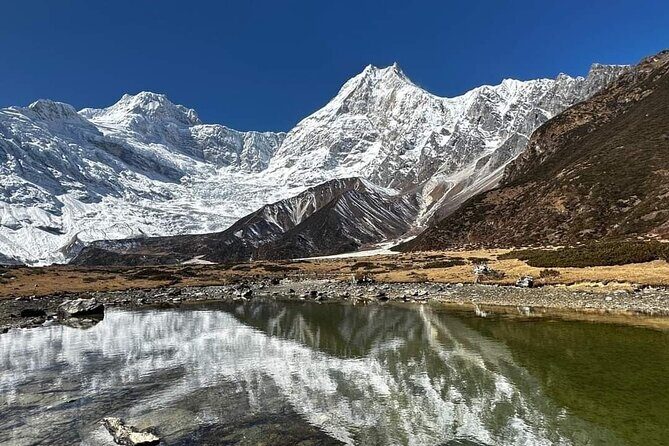
Larkya La Pass will test your legs. This 15-day Manaslu Circuit routes you through river valleys, high alpine pastures, and Tibetan-influenced villages, with Larkya La (5167m) as the big finish-line moment. I also like how the trek feels like an alternative to the busier Annapurna and Everest corridors, while still delivering serious mountain drama.
What I like even more is how this trip handles the trip admin. You get airport pickup, a Kathmandu hotel (Royal suite Kathmandu, Bed and Breakfast for 3 nights), day-by-day guidance, and all the official permits bundled in, including the Manaslu Special Permit plus ACAP and MCAP.
One consideration: you should be ready for long hiking days and real altitude work. The trek includes big climbs and descents (including an 8-hour highlight day), and the fact that there’s a porter shared between two clients means you’ll likely still manage at least some of your own load.
In This Review
- Key things that make this trek work
- Why the Manaslu Circuit feels like a smarter alternative
- Kathmandu warm-up: Thamel, your hotel, and an early game plan
- Days 2–6: from Arughat trailhead to Jagat, Deng, and Namrung
- What to watch for in this section
- Days 7–10: Sho and Lho, then Samdo’s border feeling
- Why the acclimatization day matters for you
- Dharmasala to Larke Phedi, then the Larkya La highlight
- Days 13–15: Tilje, Dharapani, Beshisahar, and the drive home
- Lodges, meals, and what’s actually included
- Guide and porter support: organization that keeps you moving
- Price check: Is $1,395 good value here?
- Who this trek fits best (and who should choose another)
- Should you book Manaslu Circuit 15 Days with Beyond The Limits?
- FAQ
- What time do I start and where do I meet the guide?
- Is airport pickup included?
- Are permits included for the trek?
- How many meals are included during the trek?
- Will I have a guide and porter?
- What if the trek can’t run due to weather?
Key things that make this trek work
- A classic Manaslu itinerary with Larkya La as the headline
- Permits handled up front (ACAP, MCAP, and Manaslu Special Permit)
- Real acclimatization pacing with a dedicated rest day near the middle
- Tibetan culture signals in villages like Sho and Lho (monastery, mani walls, chortens)
- Support in the field: licensed trekking guide plus a porter shared between two people
- Logistics that reduce stress: airport transfers, ground transport, and lodge meals included
Why the Manaslu Circuit feels like a smarter alternative
I get why people chase Annapurna or Everest. You want big peaks and you want the story. But this route often feels more focused. You’re not trying to cram in a dozen famous viewpoints. You’re following the Buri Gandaki river corridor into the Manaslu region, then pushing over Larkya La and dropping into a different rhythm toward the Annapurna Circuit trail.
That matters because the circuit format gives you a clean arc: start in lower villages, climb through forest and alpine zones, then hit the highest pass day and recover as you descend. The Manaslu area also has a cultural mix you can actually notice on the ground—Nepalese communities alongside Tibetan ethnic influence—especially once you’re in the higher villages where you start seeing mani walls and chortens.
You can also read our reviews of more hiking tours in Kathmandu


Kathmandu warm-up: Thamel, your hotel, and an early game plan
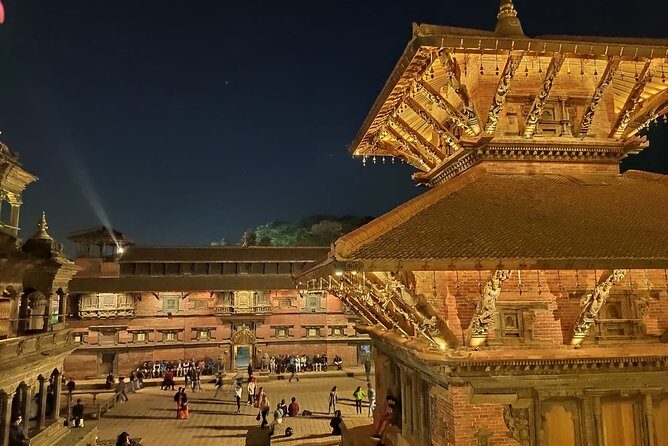
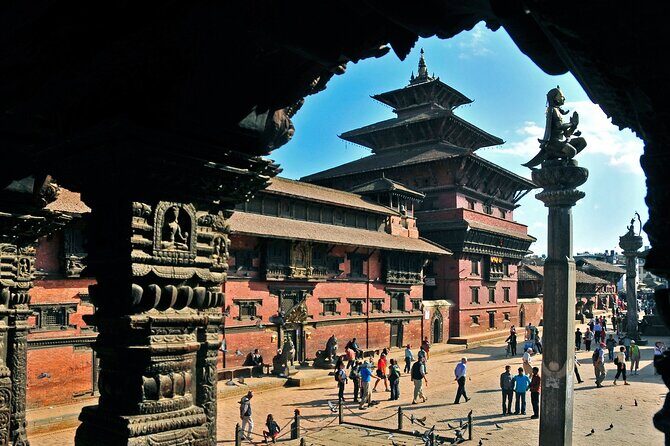
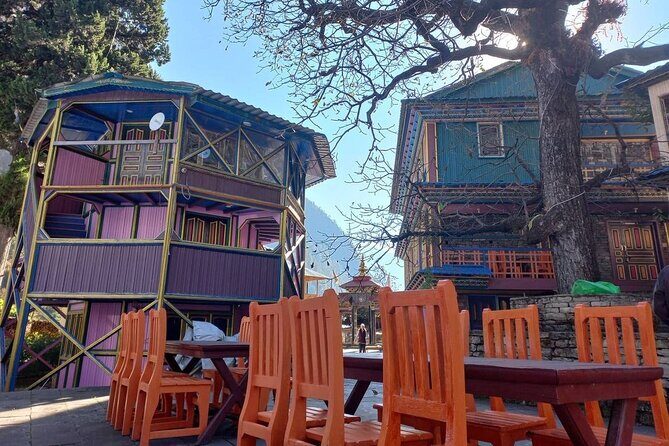
Your trip starts in Kathmandu, with pickup at Tribhuvan International Airport and a transfer to the Royal suite Kathmandu in Thamel. On Day 1, you’ll get a briefing on the itinerary and how the trek days flow, which helps a lot when you’re trying to wrap your head around altitude, walking time, and what you’ll carry.
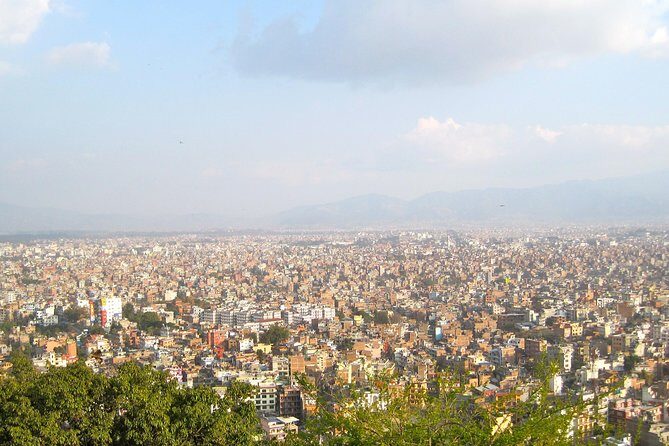
You also get a small but memorable Kathmandu moment: you’ll see the Kathmandu Valley while landing. It’s the kind of quick view that reminds you you’re leaving the city behind soon. After that, you’re back to real rest: you’ll spend the first part of your trip mostly in Kathmandu only long enough to set up well.
For me, the practical value here is simple: a good briefing plus a comfortable base hotel means you arrive calmer. And calmer usually equals better trekking decisions, especially in the first few days.
Days 2–6: from Arughat trailhead to Jagat, Deng, and Namrung
On Day 2, you leave Kathmandu early (around 6:30 AM) and drive to Arughat. From there, you switch to a local jeep and continue to Soti Khola, then overnight at a lodge. This is a classic trekking transition day. You’re not walking all day yet—you’re moving toward the trail with time to settle in.
Day 3 is the first real trekking start: you head toward Machha Khola by bus and then stay overnight at a lodge. The day’s walking time is listed as about 6 hours, and that’s your first taste of the “up-down valley” pattern that you’ll keep seeing throughout this trek.
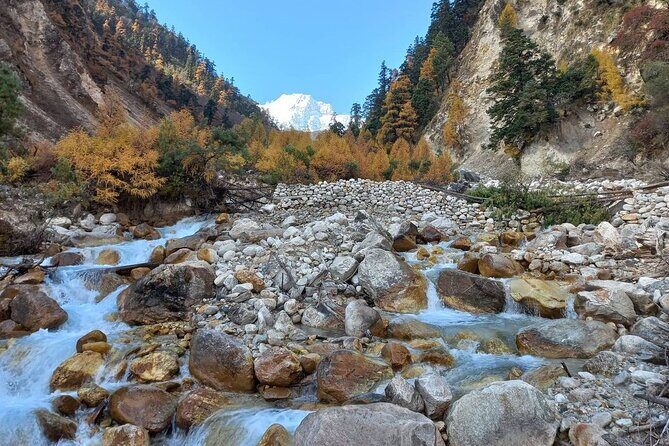
Days 4 and 5 sharpen the picture. On Day 4, the route takes you through Khola Bensi and Tatopani, with suspension bridges along the way. You’ll cross at least one tricky-looking stretch (gravel beds and bridge crossings), then climb toward Jagat, where you overnight with BLD included (breakfast, lunch, dinner).
Day 5 is longer—about 7 hours—and it’s a mix of climbs, descents, and riverside walking. You pass places like Saguleri and Gata Khola for mountain views, then push to Deng. Even when the terrain changes, the rhythm stays familiar: follow the river, climb to the next village bench, then settle in.
Day 6 leans into alpine energy. You’re described moving through alpine territory with mountain views and mani walls, passing the Buri Gandaki, and reaching Namrung. This is where the trek starts feeling more “high Himal” and less like a hike in a valley.
What to watch for in this section
- The suspension bridges and gravel beds can feel awkward underfoot. If you move slowly and keep your balance, you’ll feel more in control.
- Walking times aren’t extreme every day, but the cumulative effect is real. By Day 6 you’ll likely feel like you’ve “started trekking for real,” not just warmed up.
Days 7–10: Sho and Lho, then Samdo’s border feeling
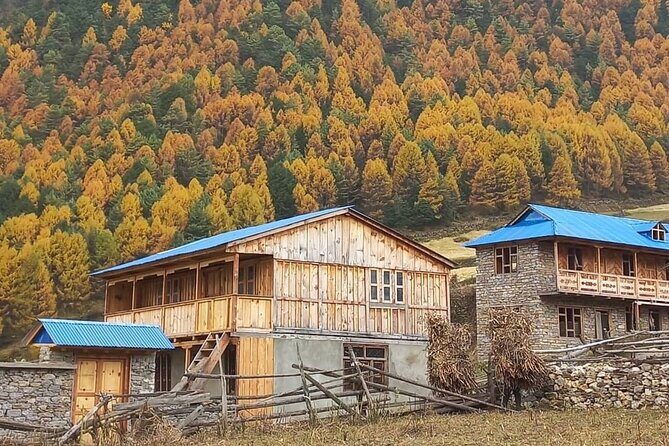
Day 7 is a clear cultural shift. You keep gaining altitude into alpine territory, then reach Sho, described as a Tibetan village. The next stop after Sho is Lho, a larger village where you can see a monastery plus mani stones, mani walls, and chortens. This is one of those days where the scenery is a draw, but the culture is equally noticeable.
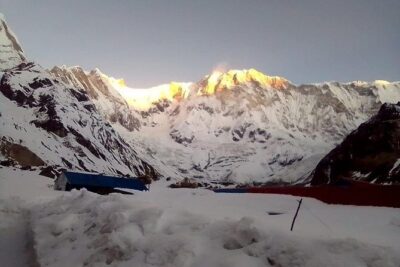
Day 8 connects you to bigger mountain views and the Manaslu core region. You go along the right side of the river with lookout opportunities (including an area where people mention seeing 29 peaks). Then you pass through places like Samagaon and keep moving through Sho, Lho, and Shyala. At Lho, you’ll have strong views of Mt. Manaslu along with nearby peaks such as Himal Chuli and Ngadi Chuli.
Day 9 is your acclimatization day. Instead of forcing a long trek, you rest in the village and prepare for what comes next. You can keep it light with optional side hiking, such as a route toward Manaslu Base Camp or Punggyen Gompa. Even if you don’t do a side hike, simply having a slower day helps your body handle the altitude better.
Day 10 pushes you toward the Manaslu Glacier area. The route is through forests including birch, juniper, and rhododendron, then climbs to Samdo. There’s a described landmark: a stone arch, and once you reach Samdo, the trek trail is described as dividing toward the Tibetan border, which gives the day a “borderland” feeling.





Why the acclimatization day matters for you
That Day 9 rest is not just filler. You’ll have already climbed into the higher villages, and then you’re setting yourself up for a harder run toward Larkya La. If you try to cram too much walking on rest days, you often pay later. Here, the schedule at least gives you a fighting chance.
Dharmasala to Larke Phedi, then the Larkya La highlight
Day 11 moves you from Samdo toward Dharmasala. The trek is described as getting tougher, covering higher altitude and giving views of the Larkya Glacier. You’ll ascend through juniper forests and reach Larke Phedi, a staging point that matters because it sets you up for the pass day.
Then Day 12 is the big one. It’s listed as about 8 hours and described as the highlight. You start with views of Cho Danda and Larkya Peak, then ascend gradually through snow-enclosed rock before tackling the intense Larkya La Pass. From there, you get strong panorama mentions: Kangguru, Himlung, Annapurna II, and Cheo. After the pass, you descend to Bimtang.
This day is why the route is worth it. It’s also why you don’t want to treat the climb like a casual stroll. You’re going high, and you’ll be dealing with wind, cold, and possible snow conditions on that snow-enclosed rock part. The only way this feels manageable is if you keep your pace steady and focus on breathing, not speed.
Days 13–15: Tilje, Dharapani, Beshisahar, and the drive home
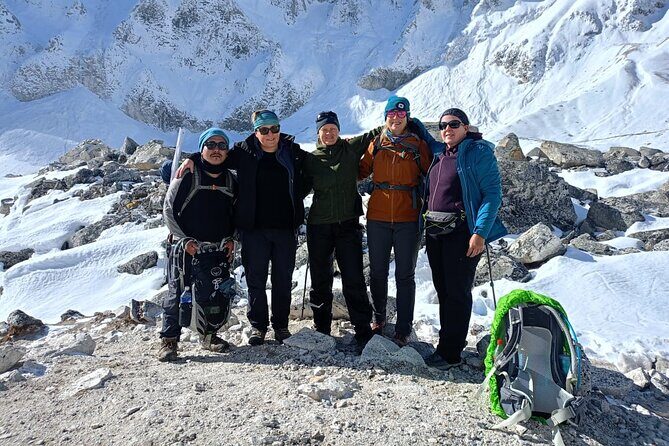
Day 13 is described as a trouble-less trek compared to the pass day, with the route trending downward toward Tilje. You keep seeing big mountain panoramas, then it becomes more village-based: forest, pasture land, and ultimately Tilje—a Gurung village.
Day 14 continues the move down to Dharapani. From there, you transition onto the Annapurna Circuit trail, then take a jeep ride to Beshisahar. The day is listed at about 7 hours overall with jeep time included. You also get a sense of how Nepal road travel can feel scenic and serpentine at the same time, with descriptions of snaking trails and mighty scenes.
Day 15 is your final transport day: jeep back to Kathmandu, with driving along the banks of the Marsyangdi and Trishuli rivers. It’s not just a transfer day. For most people, it becomes a decompression day—your legs are tired, your head is clear, and the scenery reminds you how wide Nepal really is.
Lodges, meals, and what’s actually included
The food plan is one of the most important values in a trek like this. Here, you get 15 breakfasts, plus 13 lunches and 13 dinners while you’re on the trail. Kathmandu meals are not included, but once you’re trekking, the core daily meals are taken care of.
In mountain lodges, that typically means you can spend less time worrying about where your next meal will come from. You’ll still want to treat the food like part of the trek strategy: eat enough to fuel tomorrow, drink what you can, and don’t rely on one meal to save you from skipping the next.
Accommodation-wise, you’ll have 12 nights in the mountains (lodge stays) and 3 nights in Kathmandu at a 3-star hotel (Royal suite Kathmandu) with Bed and Breakfast.
Also, a small but meaningful detail: the included guide setup includes a licensed guide and a porter shared between two clients. This can reduce the burden of hauling everything yourself, but it also means you should still pack smart so you’re not surprised by what you carry.
Guide and porter support: organization that keeps you moving

This trek is supported by a government-licensed trekking guide and a porter shared between two clients. That matters because the Manaslu Circuit isn’t just about hiking; it’s about correct timing, correct routing between villages, and staying safe on a pass day.
From the company’s broader service record, you can see a consistent theme in how guides are described: they plan things clearly and focus on safety and on helping you understand what’s happening each day. Specific guide names that show up include Kumar Neupane and Jaya Gurung, plus other guides like Dipendra and a guide referred to as DB. You shouldn’t assume the same exact guide for your dates, but it does suggest the company emphasizes experienced field leadership and client communication.
And that’s what you want on Day 12 of Larkya La: someone who keeps you calm, keeps the group moving safely, and helps you make good choices when weather or trail conditions change.
Price check: Is $1,395 good value here?
At $1,395 per person, this is not a “cheap” trek. It’s also not overpriced for what’s included. A big chunk of the cost is doing the invisible work: permits, transport, staffing, and most of your meals.
Here’s what the price includes:
- Airport pickup/drop in Kathmandu
- Kathmandu hotel: 3 nights at Royal suite Kathmandu (Bed and Breakfast)
- 12 nights in mountain lodges
- A government license-holder trekking guide
- Porter support (shared between two clients)
- Permits: ACAP, MCAP, and Manaslu Special Permit
- Ground transport by bus/jeep for the route changes
- Government taxes, VAT, and office service charges
- Most meals while trekking (15 breakfasts, 13 lunches, 13 dinners)
What’s not included:
- International airfare
- Meals in Kathmandu
- Drinks during the trek
- Tips for guide and porter
- Personal expenses
For many people, the biggest value is the permit and transport package. Getting those sorted on your own takes time, paperwork, and the risk of mistakes. Having it built in is peace of mind—especially when you’re working with a limited weather window in the Himalaya.
Who this trek fits best (and who should choose another)
This tour is listed as requiring moderate physical fitness. If you’re comfortable hiking for multiple hours daily, handling steep and sometimes rough trails, and you’re willing to deal with altitude, you’ll likely fit.
You should think twice if you:
- Want a mostly flat walk (this is not that)
- Don’t handle cold well (the Larkya La day includes snow-enclosed rock and a very high pass)
- Prefer carrying everything yourself to avoid shared porter logistics (here the porter is shared between two clients)
If you’re looking for a quieter alternative to heavily packed routes, with a cultural layer you can see in monasteries and village art, this trek is a strong match.
Should you book Manaslu Circuit 15 Days with Beyond The Limits?
If your goal is a complete Manaslu Circuit experience—Larkya La Pass, Tibetan-influenced villages, real acclimatization pacing, and guided logistics handled end to end—then yes, this is a solid choice. The daily rhythm and the meal plan remove a lot of stress. The permit bundle and airport transfers reduce hassle in Kathmandu. And the company’s guides being described as safety-conscious and organized is exactly what you want before a high pass day.
My only hesitation is the obvious one: this is a real trek. The pass day is long, and the altitude means you can’t rush it. If you’re the type who plans, hydrates, and keeps a steady pace, you’ll enjoy the sense of accomplishment that comes from finishing Larkya La and descending feeling proud rather than wrecked.
FAQ
What time do I start and where do I meet the guide?
You’ll meet at the Beyond The Limits Treks and Expedition P. Ltd. office in Kathmandu (Chaksibari Marg). The listed opening hours are 6:15 AM to 8:15 PM, Monday to Sunday.
Is airport pickup included?
Yes. Pickup and drop from the International airport in Kathmandu are included.
Are permits included for the trek?
Yes. Permits included are ACAP, MCAP, and the Manaslu Special Permit.
How many meals are included during the trek?
Breakfast is included for 15 days, and lunch and dinner are included for 13 days each. Kathmandu meals are not included.
Will I have a guide and porter?
Yes. The tour includes a government license-holder trekking guide and a porter between two clients.
What if the trek can’t run due to weather?
This experience requires good weather. If it’s canceled due to poor weather, you’ll be offered a different date or a full refund. You can cancel up to 24 hours in advance for a full refund.
Would you like me to tailor this review toward your hiking level (pace, experience, and whether you’ve done high passes before) so you can sanity-check if the Larkya La day matches your comfort?