REVIEW · KATHMANDU
Mardi Himal Trek – 12 Days
Book on Viator →Operated by Eco Holidays Nepal · Bookable on Viator
One trek in Nepal that feels low-key and special is Mardi Himal. You hike away from the busiest routes into the Annapurna Himalaya region, with close views of Mardi and Machhapuchare and a route that starts in warm rice country and climbs toward cool alpine forests. I also like that this package is structured for real logistics—private transport, hotel nights in Kathmandu and Pokhara, and a guided city start so you’re not scrambling.
What I liked most is the trek-side support. You’re traveling with a professional guide plus a strong porter, and the operator includes the key trek meals (breakfast, lunch, dinner) and the necessary trekking permit work. In feedback, guides named Sagar and Suman are mentioned with route experience, and the owner, Dhruba, is described as quick to reply when questions come up.
The only thing I’d watch is clarity on duration. The trek name shown here is Mardi Himal Trek – 12 Days, but the detailed day-by-day outline provided goes through the Kathmandu and Pokhara lead-in and early viewpoints—so you’ll want to confirm the full trekking schedule (and daily altitude profile) before you go. Altitude can also be a factor; at least one trekker in the feedback mentioned altitude sickness and still finished, but that’s a reminder to take acclimatization seriously.
In This Review
- Key takeaways before you pack
- Why Mardi Himal works: the off-main-trail Annapurna angle
- Day 1 in Thamel: a useful soft landing before hills
- Kathmandu Durbar Square and the temple circuit: more than sightseeing
- Pokhara Lakeside: the calm reset you need
- Dhampus View Tower: your first serious Annapurna hit
- The trek concept: rice fields, rhododendron forests, and Mardi-Machhapuchare ridges
- Meals, gear, and the human team: what support feels like
- Transport and stays: where the budget actually goes
- Price and value: is $980.87 a smart deal?
- Who should book this Mardi Himal Trek (and who should pause)
- Should you book this Mardi Himal Trek?
- FAQ
- What time does the tour start?
- Is pickup included?
- What’s included for trekking meals?
- Are Kathmandu temple entry fees included?
- How do you travel between Kathmandu and Pokhara?
- Are trekking permits included?
- Does the tour include trekking equipment?
- Is cancellation free?
Key takeaways before you pack
- Hidden-feeling route: You’re guided away from the main Annapurna trail into quieter Mardi Himal areas
- Guide + strong porter: You’ll have real human support on the hike, not just a map and hope
- Food covered on trek days: Breakfast, lunch, and dinner are included during trekking time
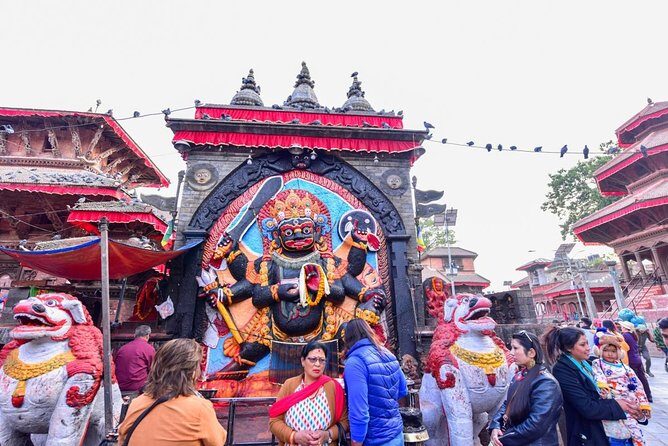
- City warm-up in Kathmandu and Pokhara: Durbar Square and major temples first, then Lakeside calm
- Gear supplied for trekking: Equipment is included and is collected back after the trek
- Value comes from logistics: Flights, hotels, permits, and transport are built into the price
Why Mardi Himal works: the off-main-trail Annapurna angle
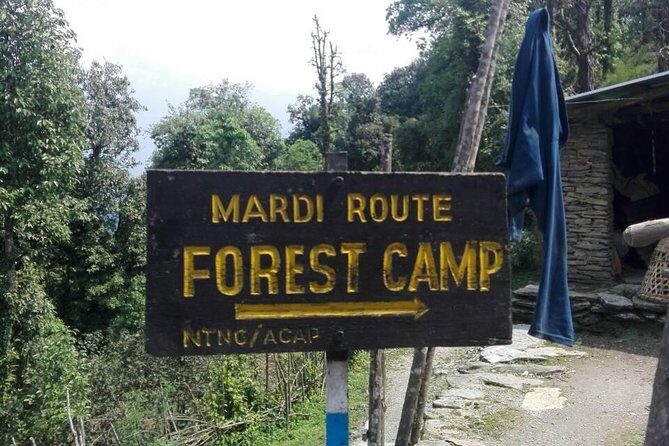
Mardi Himal is the kind of trek that rewards you for paying attention. Instead of constantly fighting crowds, you’re steered away from the main Annapurna trail into quieter parts of the high country. The payoff is a rhythm of change: low and warm starts in rice fields, then cooler alpine hills and dense forest, and finally big ridge viewpoints where the Annapurna skyline shows up in a close, personal way.
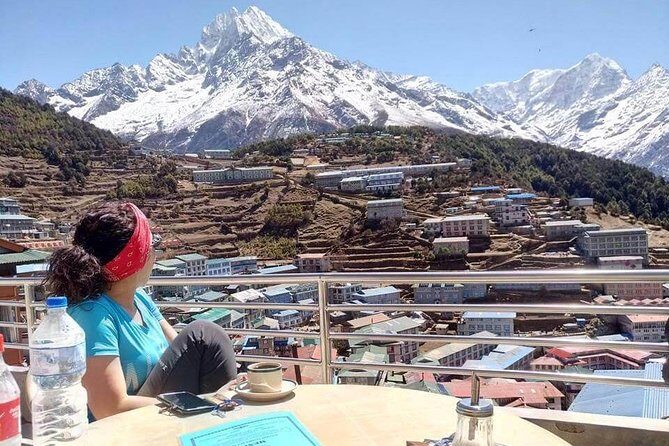
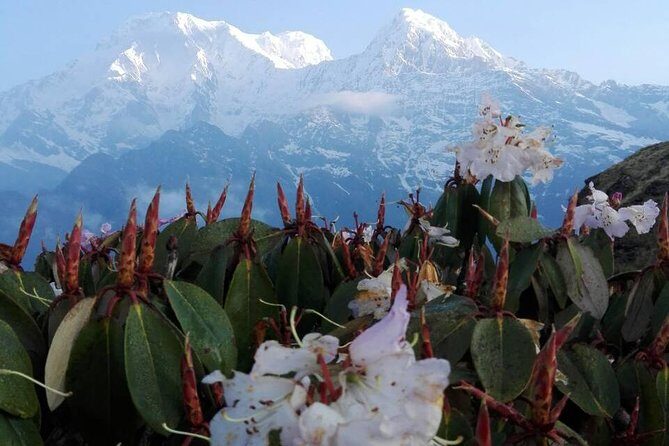
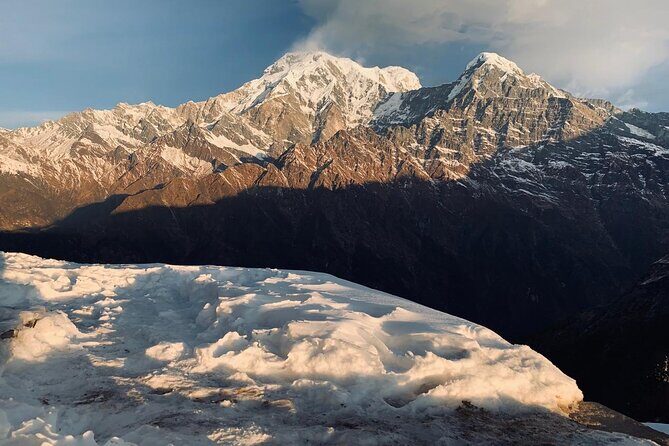
This route is also built around two different kinds of scenery. One is the plant-and-trail day—tall rhododendron-oaks-magnolia-pines and fir lines that turn the middle elevations into a cool, green tunnel (with occasional open sections for photos). The other is the “look up and stop walking” part: panorama views of the Annapurna range, plus tight views of Mardi and Machhapuchare Himal.
And there’s a practical reason this trek can feel more satisfying than some “quick highlight” hikes. You’re moving through different temperature zones and trail types over time, so every new day feels like a shift rather than a repeat. That matters if you’re the type who gets bored when every day looks like the last.
You can also read our reviews of more hiking tours in Kathmandu


Day 1 in Thamel: a useful soft landing before hills
Your tour starts in Thamel, Kathmandu’s tourist hub. I like this approach because it keeps you near food, gear shops, and simple logistics if anything small needs fixing before trekking.
You also get a planned activity window here (about five hours), with an admission ticket included. That’s a gentle start: enough structure to feel like you’re underway, but not so tight you’re exhausted on day one.
If you’re arriving in Nepal the same day, this is exactly the kind of first-day buffer I recommend. Trekking schedules punish sloppy sleep. Thamel being “walkable and fixable” helps you stay calm.
Kathmandu Durbar Square and the temple circuit: more than sightseeing
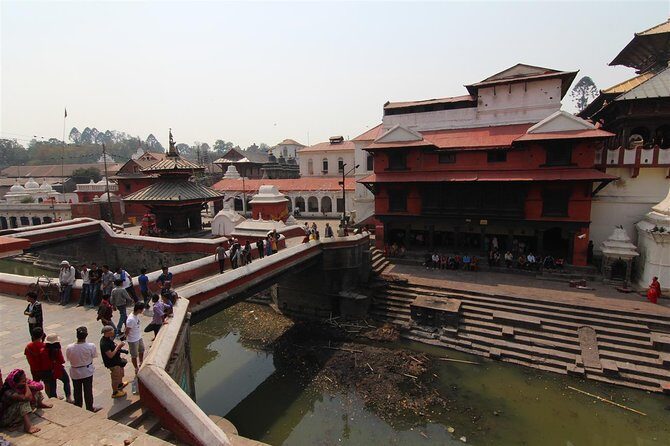
The next day is Kathmandu temple-hopping with Kathmandu Durbar Square plus the big names around it: Pashupatinath, Boudhanth, and Swayambhunath. This is a real cultural warm-up, but also a smart strategy for your trek mindset.
Here’s why: you’re going from city noise and traffic into rural quiet, and those sights help you understand the human side of Nepal before you disappear into the mountains. Durbar Square gives you history in stone and street life; the stupa and temple sites give you a sense of scale and spirituality that still feels present when you’re hiking.
One key note: there’s no admission ticket included for this day’s sights. So budget a bit if you care about entry fees. If you’re trying to control spending, you’ll still enjoy the sights outside paid areas, but don’t assume everything is covered.
Pokhara Lakeside: the calm reset you need
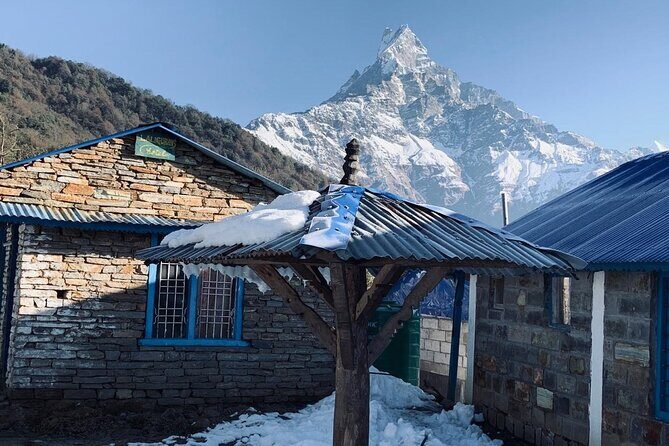
After you fly from Kathmandu to Pokhara, you stay in Lakeside and get time to walk around near Phewa Lake. I love Lakeside as a reset zone. It’s not the real trekking world, but it’s the right kind of comfortable: cafés, lake views, and an easy place to stretch your legs without the pressure of a climb.
You get about two hours here, with an admission ticket included. That’s perfect for collecting yourself after flights and moving from “city logistics” to “mountain logistics.”
Practical tip: use this window to hydrate and eat normally. Trekking gets easier when you don’t arrive dehydrated, and Lakeside is where you can manage that without turning it into a full-day mission.
Dhampus View Tower: your first serious Annapurna hit
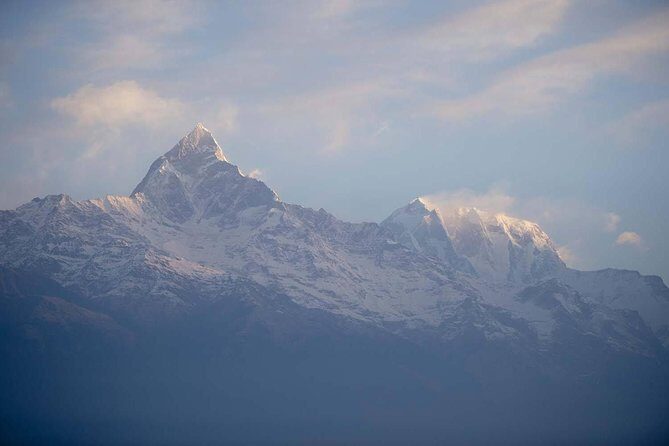
Dhampus View Tower is the first viewpoint stop in this outline, and it’s aimed right at the mountains. You get about an hour of panoramic views of Annapurna, Manaslu, and Fishtail, with green hills and farm villages filling out the middle ground.
This is a valuable stop because it gives you a visual reference. Once you’ve seen these peaks from ground-level viewpoints, the trek’s later ridge views make more sense. You’re not just chasing images—you’re training your eyes to notice shape, distance, and which ridgeline you’ll likely be walking toward.
One small consideration: an hour goes fast. If you’re serious about photos, you’ll want to be ready to move when your group moves, because view hours in Nepal often depend on clouds and timing.






The trek concept: rice fields, rhododendron forests, and Mardi-Machhapuchare ridges
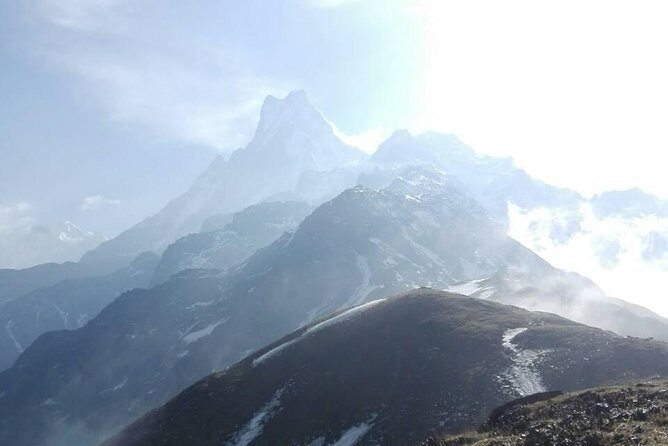
Even though the provided day-by-day details don’t list each trekking day, the trek description itself gives you the core experience. It’s a journey away from the main trail into hidden areas of the Annapurna Himalaya. The walking starts in low, warm rice fields and gradually trends upward into cooler alpine hills.
As you climb, expect thick forest lines—rhododendron, oak, magnolia, pine, and fir—that can feel cooler and shaded, especially compared to lower valleys. These forests can be great for steady walking because the terrain often breaks up into smaller climbs rather than one endless grind. They’re also memorable because the plants here make the “altitude” feel real long before you reach the highest passes.
Then comes the big payoff: incredible panorama of the Annapurna range with close views of Mardi and Machhapuchare Himal. This part is what most people come for, and it’s the reason the trek has a reputation for feeling rewarding without needing a super long expedition.
If you’re planning for conditions, plan like this is a mountain trek with weather swings. Clouds can change what you see, so early starts and flexible mornings matter more than perfect timing.
Meals, gear, and the human team: what support feels like
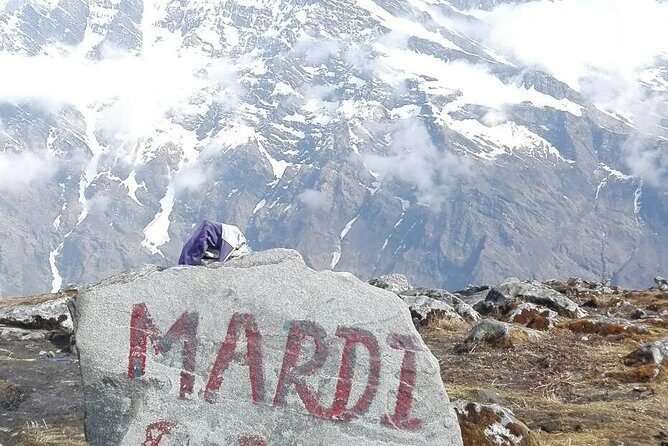
This package is built around hands-on support. You get three meals per day during trekking time (breakfast, lunch, dinner). It means you’re not stopping every day to negotiate food options or hunting for meals that fit your energy needs.
On top of that, you get trekking equipment that’s supplied and later returned after the trek. In customer feedback, sleeping bags, down jackets, and duffel bags are described as excellent. That’s a big deal if you’re traveling light or you don’t want to buy winter gear you’ll use once.
And then there’s the staffing. A professional trekking guide runs the show, and there’s a strong porter during the hike. In a trek like Mardi Himal, that support can make the difference between “I survived it” and “I enjoyed it.” You stay focused on walking, views, and acclimatization instead of micromanaging every detail.
Names like Sagar and Suman show up in the feedback, and the owner Dhruba is mentioned as responsive. I can’t guarantee you’ll get the exact same people, but it’s a good sign that the operator uses guides with route knowledge and stays engaged when questions pop up.
Transport and stays: where the budget actually goes
This price isn’t just “guiding.” It’s tied to logistics.
You’ll have:
- private vehicle transfers (as stated in the included transport)
- Kathmandu hotel nights (three nights in tourist standard accommodation, twin sharing)
- Pokhara hotel nights (two nights in tourist standard accommodation, twin sharing)
- Kathmandu to Pokhara by flight included
- Pokhara to Kathmandu by tourist bus included
- a guided city tour in Kathmandu (entry fees for that tour are not included)
That combination can save real time. Flights help you avoid a long road day before trekking. The bus on the way back is cheaper and keeps you inside the plan without extra scheduling.
If you’re the type who hates coordinating separate tickets and hotel check-ins mid-trip, you’ll probably appreciate this built-in structure. It’s also a good value angle because hotels and transport costs add up quickly if you book them separately.
Price and value: is $980.87 a smart deal?
At $980.87 per person, you’re paying for a package that includes several “expensive-but-boring” items: permit work, a guide, porter support, trek meals, hotels in Kathmandu and Pokhara, and the main transport segments (including the Kathmandu–Pokhara flight).
What’s not included matters too:
- personal expenses and drinks
- city tour entry fees
- extra night hotels in Kathmandu and Pokhara
- Pokhara to Kathmandu by flight (that flight option is not included)
So the value depends on what you normally pay for yourself. If you’d otherwise hire a guide, buy permits, and arrange hotels plus transport, this price can look fair. If you already have gear and you plan to DIY logistics, it may feel less like a bargain—but you’re still paying to remove hassle.
The biggest value lever here is support. A guide plus porter plus included meals is hard to replicate cheaply without giving up time or comfort.
Who should book this Mardi Himal Trek (and who should pause)
This trek is a good fit if you:
- want a less crowded feel in the Annapurna region
- like guided structure but still want the mountains to do the talking
- have moderate physical fitness (not extreme, not couch-to-summit)
- prefer having meals and key gear handled
It’s worth pausing if you:
- want a fully detailed day-by-day schedule before booking (the outline shared here only lists early Kathmandu/Pokhara days and one viewpoint day)
- are very altitude-sensitive or have had trouble in high-elevation conditions in the past
Altitude is real in Nepal. Even if the route is manageable for many people, you should treat acclimatization seriously and follow your guide’s pacing.
Should you book this Mardi Himal Trek?
If your priorities are support, simple logistics, and a trek that heads off the main trail for close Mardi and Machhapuchare views, I’d say this booking is worth considering. The package strength is that it bundles the hard-to-organize pieces—permits, guide + porter, meals, hotels, and transport—so you can focus on the hike instead of paperwork and schedules.
Before you commit, do two practical checks:
- Confirm the full trekking calendar for the “12 Days” label so you know exactly how many days you’ll be hiking and how the altitude ramps up.
- Ask what equipment you’re getting for cold nights and whether the supplied down jacket/sleeping bag matches your comfort level.
If those answers look solid, Mardi Himal is one of those Nepal treks where you’ll feel like you found your own pace—and that’s usually the best kind of trip.
FAQ
What time does the tour start?
The meeting/start time is listed as 7:45 am.
Is pickup included?
Yes, pickup is offered.
What’s included for trekking meals?
Three meals per day are included during the trek: breakfast, lunch, and dinner.
Are Kathmandu temple entry fees included?
The city tour entry fees are not included (Kathmandu Durbar Square/Pashupatinath/Boudhanth/Swayambhunath is listed with entry fees not included).
How do you travel between Kathmandu and Pokhara?
Kathmandu to Pokhara is included by flight, and Pokhara to Kathmandu is included by tourist bus.
Are trekking permits included?
Yes, necessary permits for trekking are included.
Does the tour include trekking equipment?
Yes, necessary trekking equipment is included and it is returned after the trek is complete.
Is cancellation free?
Free cancellation is available. You can cancel up to 24 hours in advance for a full refund.