REVIEW · KATHMANDU
Short Everest Base Camp Trek 10 Days
Book on Viator →Operated by Welcome Nepal Treks P.ltd · Bookable on Viator
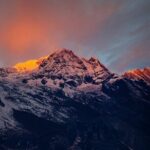
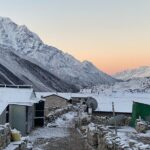
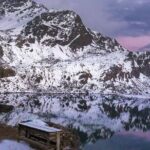
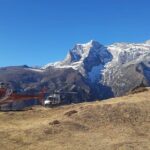
10 days is short, but Everest still hits hard. This trek gives you the classic Khumbu route—flying into Lukla, walking through Namche Bazaar, then pushing on toward Everest Base Camp and a sunrise moment at Kala Patthar. You’ll be moving through Sherpa country, with big views of Everest-area giants along the way.
I like two things a lot. First, the logistics are set up so you’re not chasing details: flights in and out, transfers, permits, and a guide (with porter staffing built into the cost, though porters are optional). Second, the itinerary is built around the view payoff—especially the day that connects Gorakshep to Everest Base Camp and then the Kala Patthar morning. One possible drawback: it’s a fast 10 days, so you’ll want a solid fitness level and realistic expectations about altitude on a short schedule.
In This Review
- Key highlights at a glance
- Why this short Everest Base Camp trek works (even without extra days)
- Price and logistics: what $1,400 really buys you
- Day 1: Lukla flight and the Phakding warm-up
- Day 2: Phakding to Namche Bazaar (3,440m) and altitude reality checks
- Day 3: Namche to Tyangboche (3,867m) and the famous viewpoint feel
- Day 4: Tyangboche to Dingboche (4,260m) through rhododendron country
- Day 5: Dingboche to Lobuche and the push toward Gorakshep
- Day 6: Lobuche to Gorakshep (5,140m) and the rewarding Base Camp corridor
- Day 7: Kala Patthar sunrise (5,545m) and descending to Pheriche
- Day 8: Coming back down to Namche Bazaar, with village time on the way
- Day 9: Namche to Lukla and one last long trek day
- Day 10: Lukla to Kathmandu transfer and farewell dinner
- Guides, group size, and why small details make the difference
- How to pack and how fit you need to be (for a short itinerary)
- Who this trek suits best (and who should think twice)
- Should you book this short Everest Base Camp trek?
- FAQ
- What is the meeting time for the trek?
- How many days is the trek?
- Is pickup offered in Kathmandu?
- Are flights included?
- What about permits—are they included?
- Does the price include trekking meals?
- Are porters included, and do they cost extra?
- Is emergency helicopter rescue included?
- What if I need to cancel?
- How fit do I need to be?
Key highlights at a glance
- Fly into Lukla, then trek in on day one to reduce travel hassle and get to the mountains fast
- Guides who plan clearly and keep you moving safely, with names like Mohan, AJ, Padam, and Anjan mentioned in past experiences
- Acclimatization stops in places like Namche, Dingboche area, and Pheriche to help your body adjust
- Everest Base Camp via Gorakshep for that signature final stretch
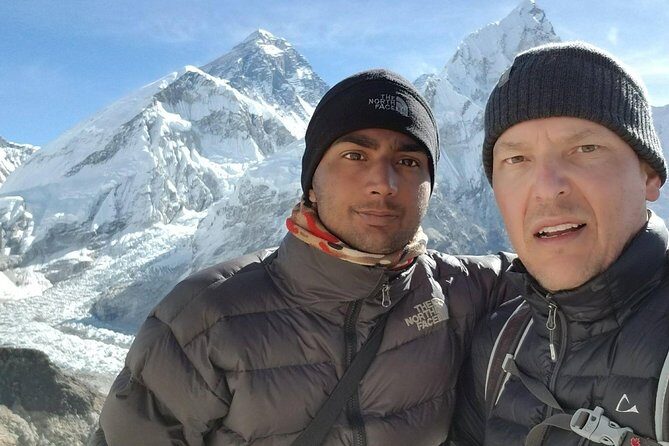
- Kala Patthar for sunrise with big Everest-area photo potential
- Small group size (max 15) for a more manageable trek rhythm
Why this short Everest Base Camp trek works (even without extra days)
Everest Base Camp is popular because it’s a clear goal. You can point to it on a map and still feel the magic when you reach it. This version is “short” for a reason: it’s designed to keep you in the mountains long enough for the real experience, without turning the trip into a month-long project.
You’ll also benefit from the route design. The walk builds altitude gradually, with key towns spaced out so you’re not just climbing all day every day. That matters because altitude isn’t a switch you flip—it’s something your body negotiates.
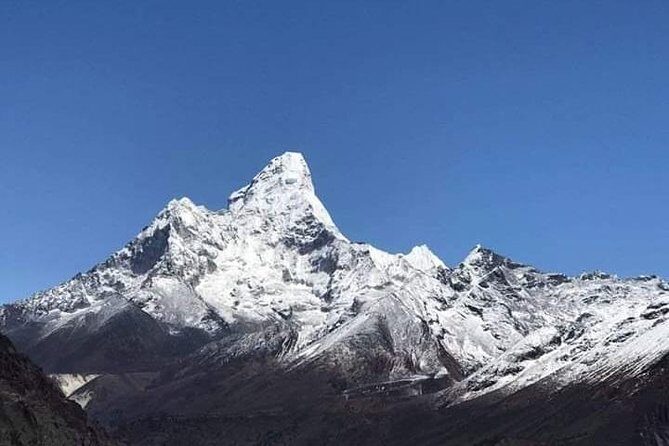
And you’ll be in the right mindset for the final moments. The trek puts you where you can look for Everest from multiple angles: trail viewpoints along the way, Base Camp itself, and then the famous overlook from Kala Patthar.
You can also read our reviews of more hiking tours in Kathmandu
Price and logistics: what $1,400 really buys you
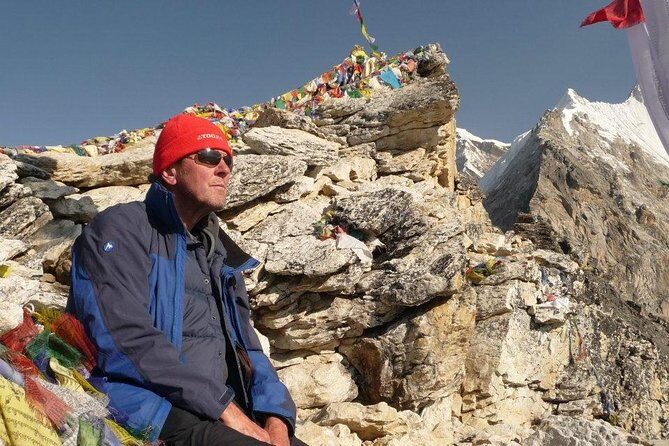
At $1,400 per person, this trek isn’t cheap on paper—but it includes a lot of the stuff that usually creates headaches. You’re paying for:
- Round-trip domestic flights (Kathmandu–Lukla–Kathmandu), including airport taxes
- Hotel/airport transfers by private vehicle
- Lodges/tea houses during the trek
- A guided trek (experienced English-speaking guide) with guide expenses covered
- Permits and taxes tied to the trek area
What’s not included is also important to budget correctly. Standard meals (breakfast, lunch, dinner) are listed as not included, and personal trekking equipment isn’t included. Tips for your guide/porter are expected too.
So the value question becomes simple: do you want someone else to handle the big pieces, leaving you to focus on walking and acclimatizing? If yes, this price is more reasonable than a “bare-bones” option.
Day 1: Lukla flight and the Phakding warm-up
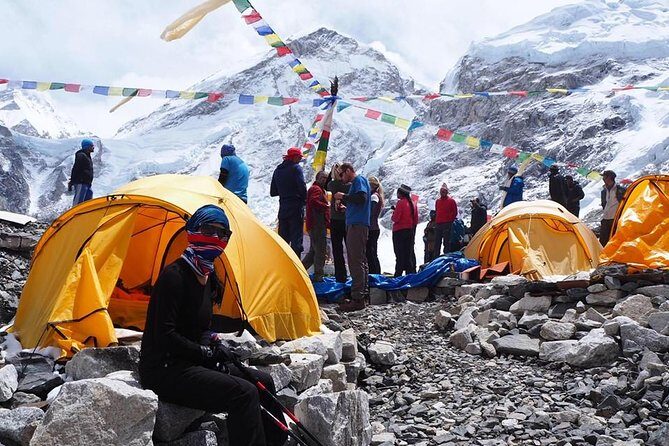
Your day starts early (the meeting time is 6:15 am). The big hook is the commercial flight to Lukla, then a first trek into Phakding, usually taking about 3.5 hours after landing. It’s a smart way to start because it gets you into the Khumbu quickly instead of spending the first day on long surface travel.
Phakding also works as a warm-up psychologically. You’re not yet in the highest terrain, but you’re already walking in the Everest-region rhythm—trail, river valleys, tea house stops, and that steady “getting higher” feeling.
Practical note: the flight experience is weather-dependent in real life. The plan includes the flight fare, but you should still treat the day as “mountains first” and keep your schedule flexible.
Day 2: Phakding to Namche Bazaar (3,440m) and altitude reality checks
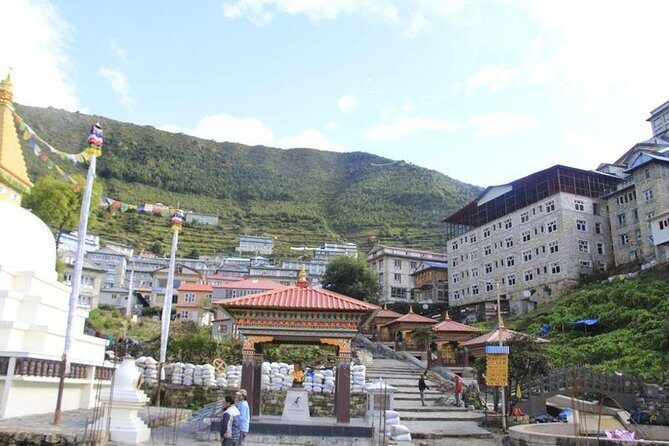
Day two climbs you up to Namche Bazaar (3,440m). The trail follows the right bank of the Dudh Koshi, with Thamserku showing from across the river. This is where you start noticing how quickly the air feels different.
The best part of Namche isn’t just the altitude. It’s the way it resets you: markets, cafes, and plenty of locals moving through daily life. This is also a key acclimatization town on the Everest route, so treat your time there as “practice for living high,” not a race to sightsee.
One thing I’d do here: keep your effort steady. Namche is exciting. That’s when people often walk too hard just because the views are pulling at them.
Day 3: Namche to Tyangboche (3,867m) and the famous viewpoint feel
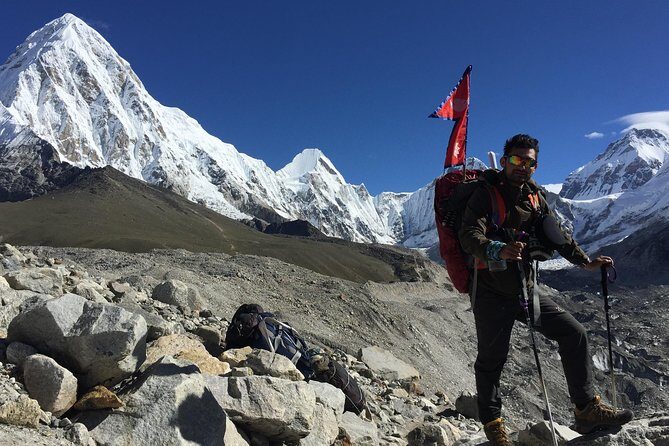
Tyangboche (3,867m) is the next target. The trek runs along trails that can drop steeply toward the Dudh Kosi. Even when you’re not climbing hard, the terrain keeps you awake.
This is a day where the scenery becomes “look down, look up, then look straight ahead.” You’re surrounded by Himalayan giants, and the route gives you periodic breaks where you can catch your breath and watch how the clouds move over ridges.
If you’re prone to rushing, this day is a good counterbalance. A slower pace makes the day feel longer in a good way, and you’ll arrive fresher for the next altitude step.
Day 4: Tyangboche to Dingboche (4,260m) through rhododendron country
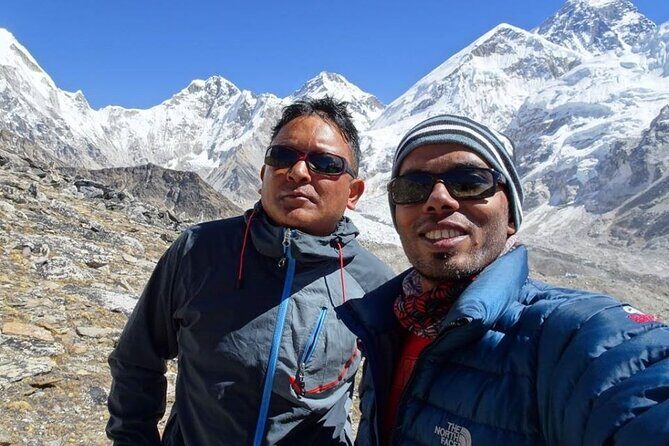
Today brings you to Dingboche (4,260m). The route includes a rhododendron forest section and a suspension bridge crossing at Imja Khola area. Dingboche sits higher, so even a “normal” walking day feels more demanding.
This is exactly the kind of town that helps you adapt. When you’re living at higher elevations, acclimatization isn’t a single activity—it’s a few nights, a few rest moments, and a pattern of gentle exertion.
It also helps that you’re still in village-based trek country. The teahouse culture means you’re not “roughing it” in a way that forces you to spend energy on survival tasks. You can focus your energy where it matters: getting up the hill safely.
Day 5: Dingboche to Lobuche and the push toward Gorakshep
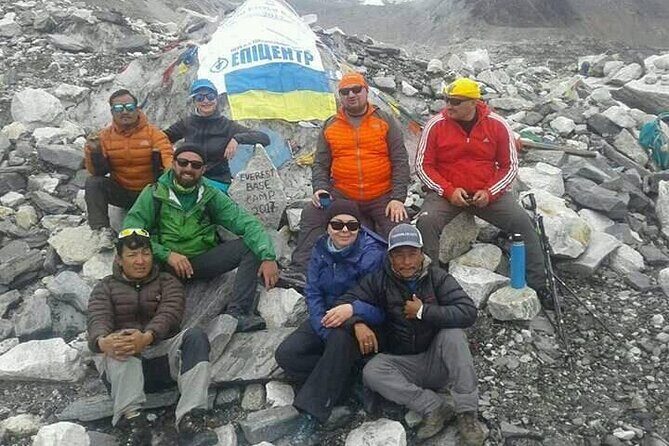
Lobuche (via the route from Dingboche, about 5.5 hours normal walk) is your stepping stone toward the Everest Base Camp approach. The trail goes gently up to Pheriche village along the way, and then continues toward Lobuche’s higher-feeling terrain.
This day is often a turning point. After several days of “climb, acclimatize, climb,” your body starts to understand what’s coming. That can be motivating, but it can also trick you into moving too fast because you feel like you’ve got a routine.
I’d keep your pace controlled. If you want Kala Patthar sunrise to feel like a win instead of a slog, conservation starts earlier than you think.
Day 6: Lobuche to Gorakshep (5,140m) and the rewarding Base Camp corridor
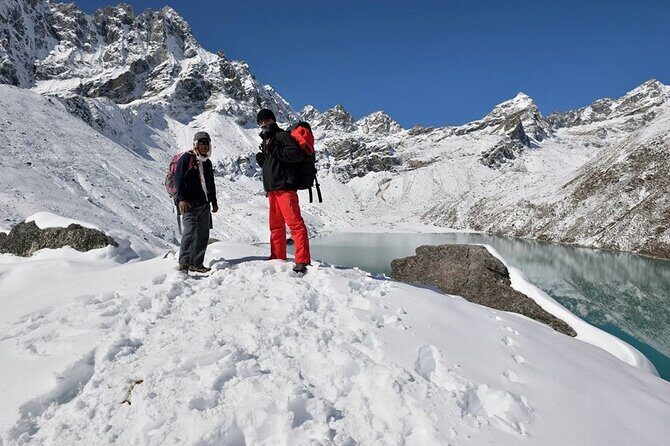
From Lobuche, you’ll trek to Gorakshep (5,140m), and this is described as the most rewarding section. Expect a long day (around 8 hours) with rocky terrain and a section that connects toward Khumbu glacier scenery.
This is the psychological lead-up to Base Camp. Gorakshep is high, remote-feeling, and it sets the stage for the “final push” next day. Views start to sharpen, and the air feels thinner in a way that’s hard to ignore.
If you’re sensitive to altitude, this is where you’ll notice it. That doesn’t mean you’re in trouble—it means you should tighten up your routine: slow steps, warm layers, hydration reminders, and sleep that’s good enough to work the next day.
Day 7: Kala Patthar sunrise (5,545m) and descending to Pheriche
Day seven is the one many trekkers talk about. You go from Gorakshep toward Kala Patthar (5,545m) and then continue on to Pheriche (4,243m). The timing is built for early movement: you’ll get ready to climb for sunrise and see Everest and the wider Everest-area peaks in the morning light.
Kala Patthar is demanding because you’re high already, and you’re asking your body to work near the limit. But it’s also one of the best ways to earn that “I’m really here” feeling—because Everest looks close, and the terrain feels massive in every direction.
After sunrise, you’ll head down to Pheriche. That descent matters. Don’t treat it like a victory lap you can speed through. Your legs will feel the altitude, and your joints still need careful steps.
Day 8: Coming back down to Namche Bazaar, with village time on the way
Today turns into a return day. The plan brings you back toward Namche Bazaar (3,440m) and mentions a route that visits traditional villages like Khumjung and Khun… (the name is cut off, but Khumjung is clearly included).
This is a great day to slow your brain down. You’ve already done the big altitude moments. Now you’re reconnecting with the everyday human scale of the region—villages, teahouses, and the trail feeling less like a countdown and more like travel.
Keep an eye on your energy. Returning down can trick you into feeling invincible, and that’s when people take bigger risks with foot placement.
Day 9: Namche to Lukla and one last long trek day
The trek back to Lukla takes about 7 hours (from Namche Bazaar). It’s the last trekking day, with lunch served along the way, then you arrive and refresh in town.
This day is about finishing strong, not pushing hard. Your body has done the work for you already. The best version of this day feels calm: hydrate, rest, and protect your feet so you don’t turn a celebration into soreness.
Teahouse lodging at Lukla helps too. You’re not waiting around in transit limbo—you’re in the small town rhythm, able to eat, sleep, and prepare for the flight out next morning.
Day 10: Lukla to Kathmandu transfer and farewell dinner
On day ten, you board an early flight from Lukla to Kathmandu. Once you land at TIA, representatives meet you and transfer you to your hotel.
The plan also includes a farewell dinner served in Bhojan Griha. It’s a simple but satisfying wrap-up: a chance to mark the end of the trek with a proper sit-down meal and a moment to process the whole journey.
If you’re planning more time in Nepal, this is a good day to keep your evening light. Your legs will tell you the trek was real.
Guides, group size, and why small details make the difference
This trek runs with a maximum of 15 travelers. That matters more than it sounds. On popular routes, the group size affects how quickly things move, how crowded tea houses feel, and how easily your guide can manage the pace.
Your guide is a central part of the value here. Past experiences specifically praised guides like Mohan, AJ, Padam (Padam dai), and Anjan for being helpful, organized, and attentive to staying healthy. The theme across those comments is clear: having someone who plans the day and keeps you calm makes altitude feel more manageable.
Also, there’s an emergency helicopter service arrangement included in the sense that it’s set up through insurance. Your travel insurance needs to cover emergency high-altitude rescue and evacuation, since the plan says the helicopter cost is paid by your travel insurance company. In other words: don’t skip insurance; treat it as part of the trek setup, not an afterthought.
How to pack and how fit you need to be (for a short itinerary)
The trip specifically says you should have a strong physical fitness level. That’s because “short” doesn’t mean “easy.” You’re still going up high, dealing with thin air, and walking long days—especially around the Gorakshep/Base Camp approach and the Kala Patthar morning.
For packing, the big rule is to be ready for cold mornings and changing weather. Personal trekking equipment isn’t included, so you’ll want your essentials before you go. Standard meals aren’t included either, so you should budget for food purchased during the trek.
If you’re worried about gear, one past experience mentioned that Welcome Nepal loaned gear without charge. I wouldn’t assume that will happen for everyone, but it’s worth asking if you’re short on anything basic before you depart.
Who this trek suits best (and who should think twice)
This is a good match if:
- you want a 10-day Everest Base Camp experience without adding weeks
- you’re comfortable with daily walking in changing altitude
- you like the structure of guided routes and teahouse stays
- you want the sunrise payoff of Kala Patthar
Think twice if:
- you’re new to trekking and not confident with long days
- you’re expecting extra acclimatization time the way longer itineraries provide
- you hate early starts or you get easily discouraged by altitude discomfort
Should you book this short Everest Base Camp trek?
If you want the Everest Base Camp goal with a realistic, guided plan and you’re fit enough for sustained altitude walking, I think this is an excellent value. The included flights, permits, transfers, and guided support remove the biggest sources of stress, and the itinerary focuses hard on the big moments: Base Camp, plus Kala Patthar sunrise.
Just go in knowing it’s a tight schedule. If you’re honest with your fitness and you take acclimatization seriously, you’ll get what you came for: a powerful trek in Sherpa country, ending with the kind of views that don’t feel real until you’re standing there.
FAQ
What is the meeting time for the trek?
The start time is listed as 6:15 am.
How many days is the trek?
The duration is about 10 days.
Is pickup offered in Kathmandu?
Yes. Domestic hotel/airport transfers are included by private vehicle, and pickup is listed as offered.
Are flights included?
Yes. The package includes Kathmandu–Lukla–Kathmandu flight fare with domestic airport tax.
What about permits—are they included?
All necessary trekking permits are included.
Does the price include trekking meals?
No. Standard meals (breakfast, lunch, and dinner) during the trek are listed as not included.
Are porters included, and do they cost extra?
Porters are not included by default; porter availability is mentioned at an extra cost (1 porter for 2 people). The guide is included, and porter-related staffing expenses are covered as part of the overall inclusions, but porter use can be an additional add-on.
Is emergency helicopter rescue included?
An emergency helicopter service arrangement is included, but the plan says it will be paid by your travel insurance company. You still need travel insurance that covers emergency high-altitude rescue and evacuation.
What if I need to cancel?
Cancellation is listed as free. You can cancel up to 24 hours in advance for a full refund; within 24 hours, there is no refund.
How fit do I need to be?
You should have a strong physical fitness level, since the trek includes high-altitude walking and long day hours.