REVIEW · POKHARA
Pokhara: 3-Day Ghorepani, Poon Hill & Ghandruk Trek
Book on GetYourGuide →Operated by Snow Peak Tours and Travels pvt.ltd. · Bookable on GetYourGuide
Three days, three altitude surprises. You get Poon Hill sunrise drama and real Ghandruk village views without needing advanced climbing skills. I especially like how the trek is paced for a short trip, and how the guide uses clear explanations to help you understand what you’re seeing.
One thing to plan for: the included meal option can feel pricey compared with buying tea house meals directly, so it helps to ask what’s covered and what you can choose.
In This Review
- Quick Hits Before You Go
- Pokhara-to-Trek Transport: why your time stays efficient
- Day 1: Ulleri to Ghorepani (2,840 m) for your first real mountain day
- Day 2: Poon Hill sunrise at 3,210 m, then Tadapani through rhododendron forest
- Day 3: Ghandruk village day for culture, terraced views, and a simpler pace
- Tea houses, meals, and the real cost of eating on the trail
- Guides and the small details that make the hike feel easier
- What the $190 price includes (and where it can surprise you)
- Who this trek suits best (and who should think twice)
- Should you book this 3-day Ghorepani, Poon Hill & Ghandruk trek?
- FAQ
- How long is the trek?
- Where can you get picked up in Pokhara?
- What languages are available for the trekking guide?
- Are permits and trek fees included?
- Is a porter included in the price?
- Is travel insurance required?
Quick Hits Before You Go
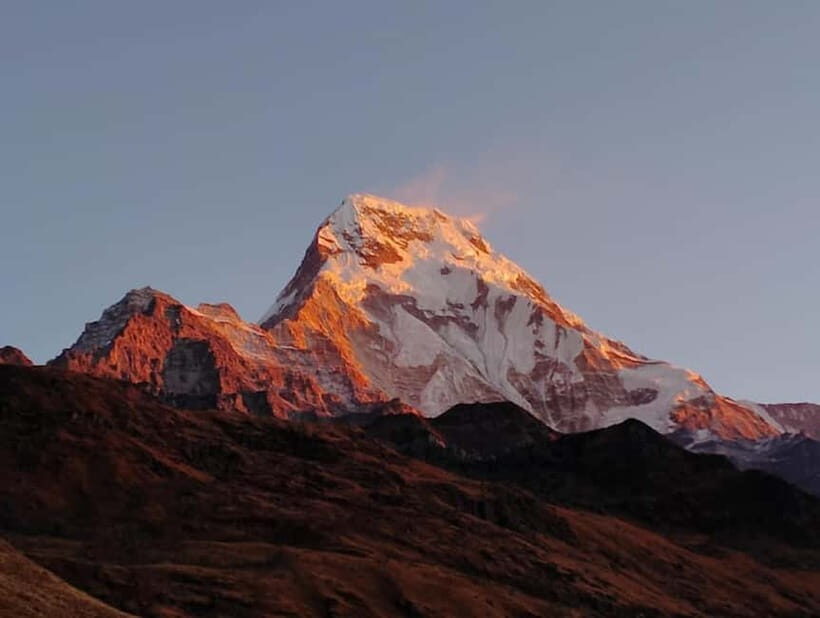
- Poon Hill sunrise timing at 3,210 m means very early starts and cold hands, but big payoff.
- Ghorepani at 2,840 m gives you that Himalayan-atmosphere feeling on Day 1.
- Rhododendron forest trekking on the way to Tadapani at 2,630 m brings calmer walking and bird noise.
- Guides who point things out: Jeet, Anil, and Sanjay are mentioned for clear, friendly guidance and spotting details on the trail.
- Simple tea houses or lodges mean you sleep where trekkers actually live, not in fancy bubbles.
Pokhara-to-Trek Transport: why your time stays efficient
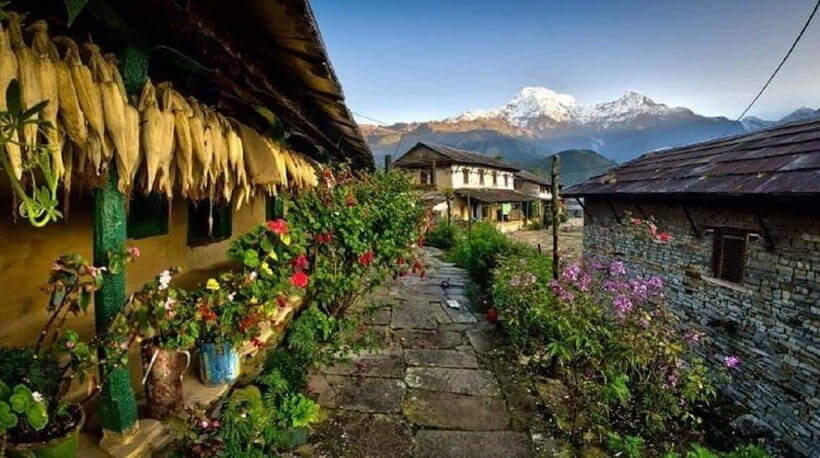
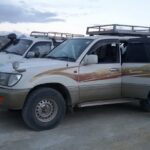
This trek works because the heavy moving is done for you from Pokhara. You’ll use a mix of driving (including Jeep/SUV and bus/coach legs) to get between town and trail start, which keeps a 3-day schedule realistic. The route also hits Ulleri as the jumping-off point for the uphill section, so you don’t waste your limited daylight on long transfers.
I like that you’re not left figuring out logistics between mountains and cities. Round-trip transport is included between your hotel and the trek starting area, plus between the end point back to Pokhara. That matters because Pokhara can eat your time with traffic, lakeside detours, and general “one more thing” moments.
If you’re short on vacation days, this setup is a smart fit. You’ll spend your energy where you want it: on the walking and the views, not on negotiating rides at sunrise.
You can also read our reviews of more hiking tours in Pokhara
Day 1: Ulleri to Ghorepani (2,840 m) for your first real mountain day
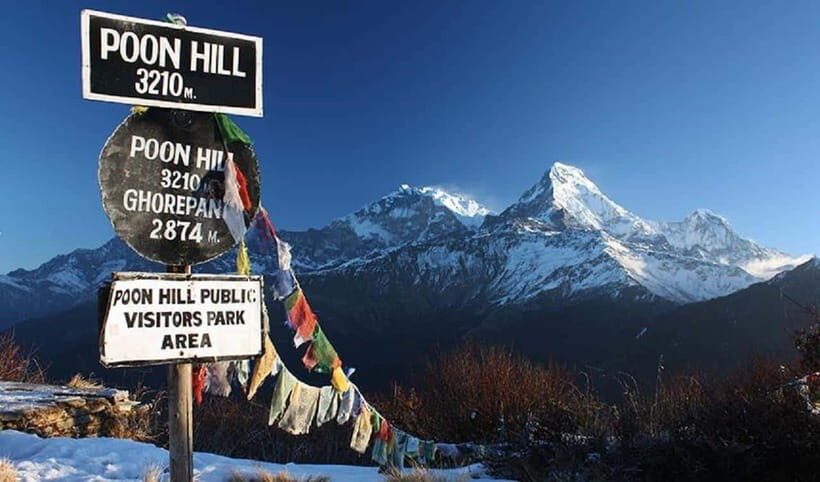
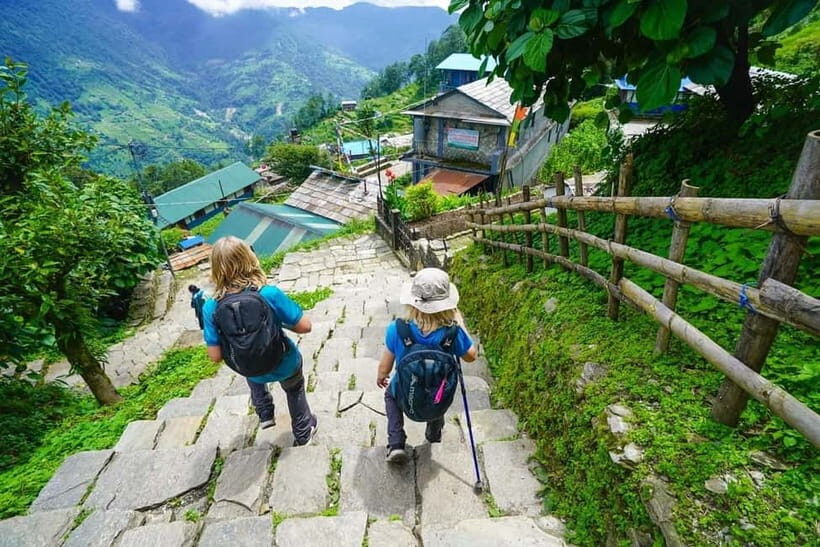
Day 1 starts with a scenic drive from Pokhara toward Ulleri. When you begin trekking, you immediately feel the Annapurna foothills changing under your feet: stone steps, steady uphill, and forest going from lush and green to cooler and sharper as altitude climbs.
Ulleri is where the trek finds its legs. You’ll stop along the way for breaks and photo moments, and then you start the climb through the kind of path Nepali locals have been walking for generations. Expect a mix of steps and trail that gradually lifts your effort level. It’s not technical, but it’s enough to make you notice your breathing.
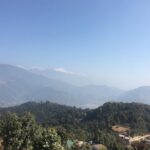
Your finish is Ghorepani at 2,840 meters, a classic base for Poon Hill mornings. You arrive into crisp mountain air and wide views, the kind that make you look up without trying. The tea house stay here is simple, but that’s part of the charm. You get real trekking rhythm: warm drinks, a short walk when you feel like it, and an early-ish night because tomorrow begins before dawn.
Tip that’s worth taking seriously: pack a warm layer for evenings. Even if it’s pleasant in Pokhara, the air at these elevations can cool down fast after sunset.
Day 2: Poon Hill sunrise at 3,210 m, then Tadapani through rhododendron forest
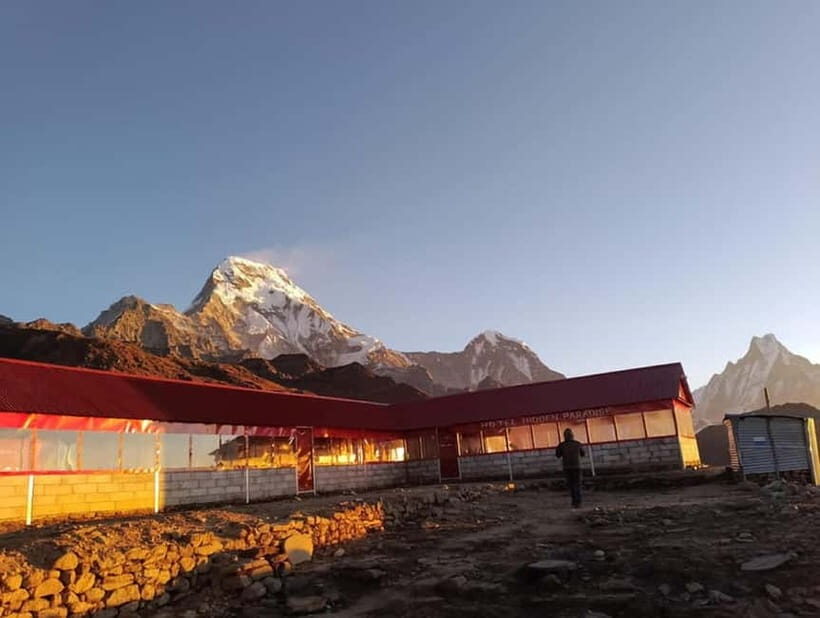
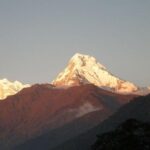
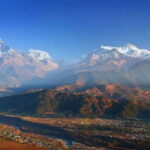
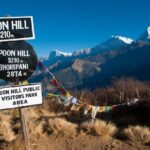
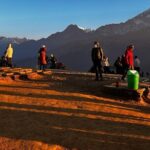
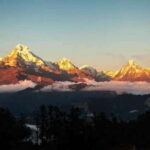
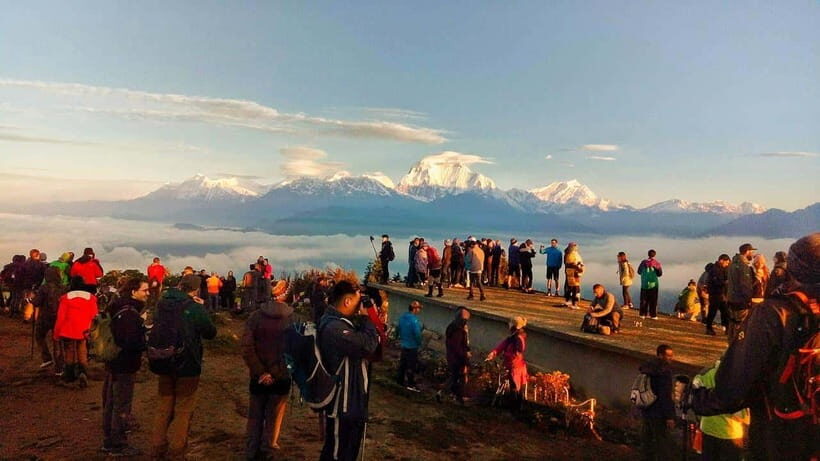
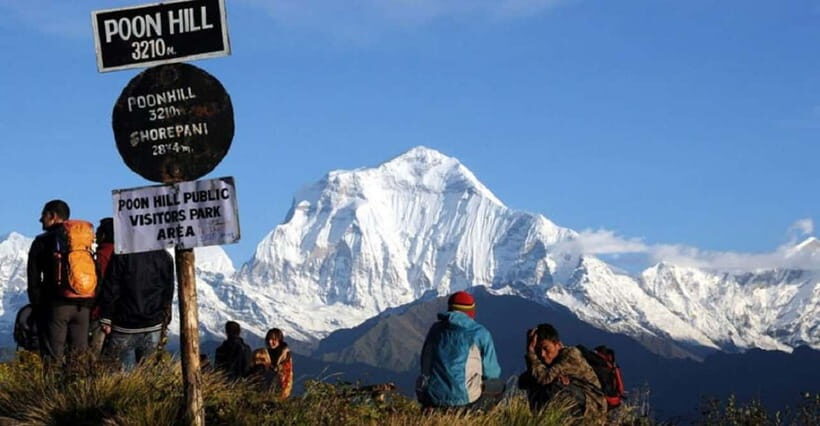
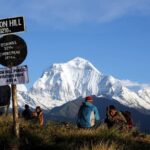
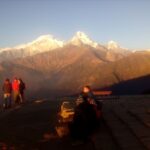
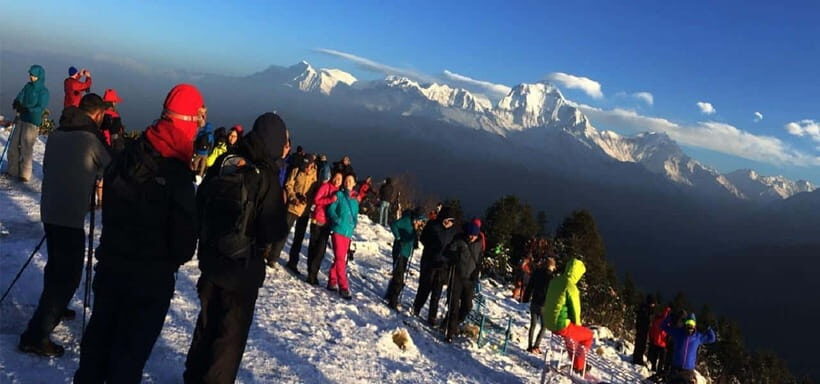
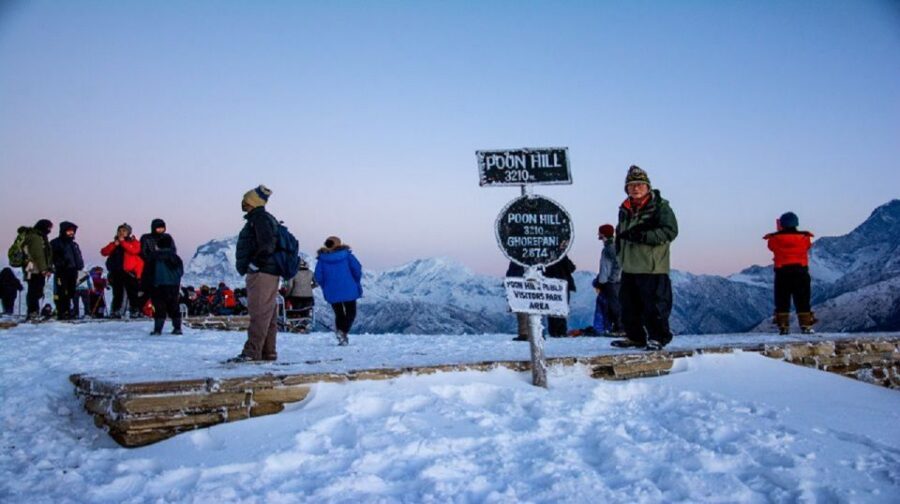
This is the day most people remember: the Poon Hill sunrise push. Poon Hill sits at 3,210 meters, and you’ll start before dawn to catch the first light hitting the peaks. The big idea is simple: be awake, be ready, and let the sky do its thing.
Plan for cold. Even if you sleep warm, mornings at this altitude can make your hands stiff and your nose a little impatient. Bring gloves if you have them, and keep your warm layer accessible so you’re not rummaging in the dark. Once you’re up there, the effort turns into a view show—pink, orange, and gold tones rolling across the horizon and snow-capped silhouettes coming into focus.
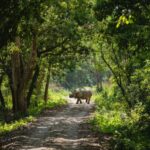
After sunrise, you don’t just vanish back to Pokhara. You continue walking toward Tadapani at about 2,630 meters. This section is gentler in mood, with the trail passing through rhododendron forests. It’s the kind of walk where you pause more often—not because you must, but because the forest noise and bird calls make the minutes feel slower.
You finish Tadapani for the overnight. You’ll feel tired in a good way: Day 2 mixes the drama of sunrise with a calmer forest trek, so you get both payoff types—mind-blowing and peaceful.
Day 3: Ghandruk village day for culture, terraced views, and a simpler pace
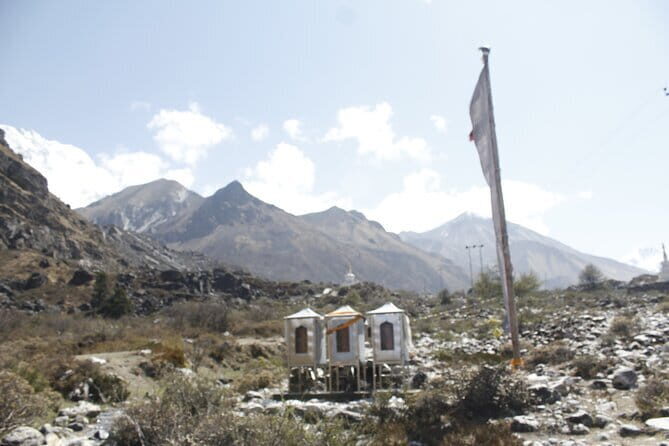
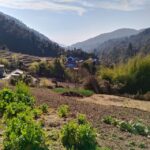
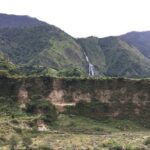
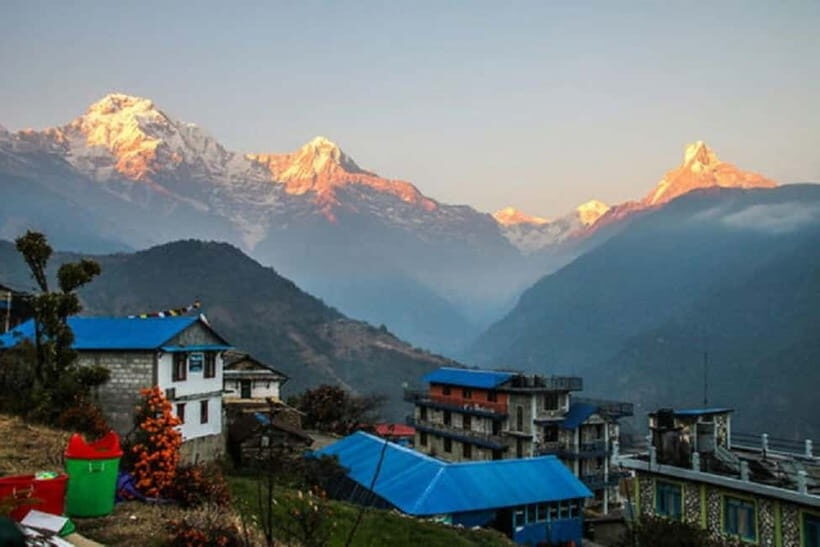
On the final day, the walking shifts from “chasing views” to “settling into a place.” You trek toward Ghandruk, a Gurung village known for traditional homes, colorful prayer flags, and terraced fields that step down toward the valleys.
This is where you slow down naturally. The scene is more village than wilderness: stone houses, agriculture terraces, and people going about their day. You’ll have time to explore, take photos, and spend a bit of time with locals. It’s also a good day for lingering because your route is shorter than you might fear for a three-day trek.
What I like about Ghandruk is that it doesn’t feel like a scenic stop designed only for tourists. It feels like a real community where mountain life shapes everything—from the buildings to the way paths curve through the village.
After that, you head back to Pokhara by driving. That last transfer matters more than people think. You end the trek without needing one more steep day of walking just to get back to a shower and a meal.
Tea houses, meals, and the real cost of eating on the trail
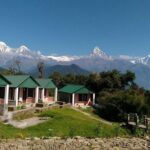
Tea houses on this route are described as simple, and that’s exactly how to think about them. You should expect basic rooms and shared trekking comfort, not a hotel bed with turn-down service. The tradeoff is you’re sleeping inside the trekking system—where warm blankets and hot drinks are part of the deal.
Meals are included depending on your chosen option, but here’s the practical caution: one clear complaint was that the meal plan could feel expensive (notably, a comment mentioned NR 40k for 3 days). If that cost doesn’t match your expectations, you may prefer buying some items directly at tea houses, where pricing can be easier to control.
Because the exact inclusions depend on your selected meal option, you’ll get the best value by doing two things before Day 1:
- Ask what meals are actually covered and what’s left out.
- Decide your strategy for snacks and drinks, since personal items are not included.
Also remember: the higher you go, the more you’ll want warm liquids. That’s normal. Just don’t assume everything will be unlimited or low-cost.
A few more Pokhara tours and experiences worth a look
Guides and the small details that make the hike feel easier
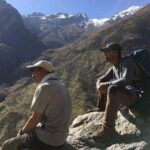
A strong guide can turn a trail into something you actually understand. On this route, guides are listed as experienced and certified, and you’ll have live interpretation in English, Hindi, and Nepali. That matters because the mountains you see from Poon Hill are not all random peaks. A good guide helps you connect names to shapes, so the view becomes more than pretty.
In the feedback you provided, guides like Jeet are described as genuinely upbeat and helpful. Anil is highlighted for friendly, clear explanations that make you trek with peace of mind. Sanjay is mentioned as excellent, with a knack for pointing out details like Himalayan mountain names you can see, monkeys hiding in trees, vegetation at your feet, and even beehives built on rock walls.
Those details are a big deal on short treks. When you only have 3 days, your guide’s ability to explain what you’re looking at becomes part of your value, not an extra.
You also get a bit of comfort support: trekking gear includes items like trekking sticks and sleeping bags as needed. That can save you money and hassle if you’re traveling light.
What the $190 price includes (and where it can surprise you)
At $190 per person for a 3-day trek, you’re paying for more than walking. The included value covers:
- Round-trip transportation between your hotel, Pokhara International Airport (where applicable), and the trek starting point
- Permits and fees
- Accommodation in simple tea houses/lodges
- Meals throughout the trek depending on your chosen option
- A certified trekking guide, plus all guide expenses (meals, accommodation, insurance, salary, transportation, equipment)
- Trekking gear such as trekking sticks and sleeping bags as needed
That’s a lot bundled into one rate. For many people, the biggest value is not the paperwork. It’s the guide and the support system that keeps you moving on schedule.
The possible surprise is meal pricing if you opt into a meal plan that feels too expensive. Since personal snacks and beverages are not included anyway, you should also plan to budget a little extra for what you want between meals.
Porter service is optional at $15 per day. If you’re carrying minimal gear and you’re fit, you may skip it. If you want to keep your legs fresher—especially on Day 1’s uphill—you might find it worth it. The data you shared doesn’t require a porter, but it gives you the option.
Who this trek suits best (and who should think twice)
This is a short, guided Annapurna trek style route. It suits you if you want:
- A big viewpoint reward in a tight timeframe
- Sunrise scenery without complicated mountaineering
- Tea house nights where your day ends with something warm and simple
It’s also a good match for private groups. The guide experience can feel more tailored when you’re not stuck in a crowded pack of strangers.
You might think twice if you dislike early mornings. Poon Hill sunrise is the whole show, and it starts before dawn. You’ll also be walking uphill and at altitude, including reaching around 3,210 meters on the sunrise day.
If you’re planning this trip, make sure you have travel insurance. The info you shared says it’s mandatory, and from a practical standpoint, this is exactly the kind of activity where being covered matters.
Should you book this 3-day Ghorepani, Poon Hill & Ghandruk trek?
I’d book it if your goal is a classic Annapurna taste: Poon Hill sunrise, a tea house night in the Ghorepani area, and a final day in Ghandruk that feels like a real village rather than a scenic stop. The $190 price makes sense because it’s not just transportation and a guide—it’s also permits, lodging, and on-the-ground support.
Before you go, do two quick checks:
- Ask what your meal plan includes so you don’t get stuck with a cost you don’t love.
- Bring warm layers for sunrise mornings and evenings, even if Pokhara feels mild.
If you want a guided 3-day trek with meaningful views and a cultural ending, this is the kind of route that delivers.
FAQ
How long is the trek?
The trek duration is 3 days.
Where can you get picked up in Pokhara?
Pickup options listed include Pokhara International Airport (PIA), Pokhara Lakeside (including Lakeside Road and Lakeside-6), and Sarangkot.
What languages are available for the trekking guide?
The live tour guide is available in English, Hindi, and Nepali.
Are permits and trek fees included?
Yes. All required permits and fees for the trek are included.
Is a porter included in the price?
A porter is not included by default. Porter service is optional at $15 per day.
Is travel insurance required?
Yes. Travel insurance is mandatory for safety and peace of mind.