REVIEW · KATHMANDU
Private Half Day Kirtipur Trip With Newari Food Tasting
Book on GetYourGuide →Operated by Liberty Holidays · Bookable on GetYourGuide
Kirtipur turns Kathmandu into a hilltop story you can walk. In just 4 hours, you’ll roam winding old streets, visit standout religious sites, and finish with a hands-on Newari food tasting that shows why this cuisine is a must-try in Nepal. The trade-off: the traditional feast is famously a bit spicy, and drinks aren’t included.
I like how this trip mixes quick city views with real, local texture: old brick houses, carved window and door frames, and the feel of a traditional village tucked above Kathmandu. You’ll also get a guided introduction to the Newar people, one of Nepal’s distinct ethnic communities and the original inhabitants of the Valley, which helps everything you see make sense.
One heads-up for planning: if you’re watching your spice tolerance, eat slowly and pace yourself during the lunch. If you don’t mind heat, this is an efficient, high-impact way to see a quieter side of the Kathmandu Valley beyond the usual stops.
In This Review
- Key highlights worth your time
- Kirtipur’s hilltop streets and old brick details
- What to do with the walking time
- Bagher Bhairab temple stop: how local faith shapes the streets
- Why this stop is more than a checkmark
- Chilancho Stupa shrine: a quiet pause with valley scale
- A good moment to refocus
- Uma Maheshwar temple: pagodas, details, and Newar religious mixing
- What’s useful to pay attention to
- Theravada Buddhist monastery: a different pace and a different feel
- How to act so you get the best experience
- The Newari lunch and food tasting: spicy, shared, and worth it
- What makes this lunch feel like travel, not just eating
- Views of Kathmandu and Patan: when the short day pays off
- If you love photos, plan your pace
- Price, private timing, and how to get value from 4 hours
- One real consideration: you can go alone, but you’ll trade comfort for context
- Best fit for this kind of day
- Practical planning: what to bring, what to wear, and what to skip
- Should you book this Kirtipur half-day with Newari food tasting?
- FAQ
- How long is the Kirtipur trip?
- What does the tour cost?
- Where does the tour take place?
- Is this a private tour?
- What’s included in the price?
- Are drinks included with lunch?
- What religious sites are visited during the tour?
- What languages is the guide available in?
- How does pickup work?
- Is the tour suitable for wheelchair users?
Key highlights worth your time
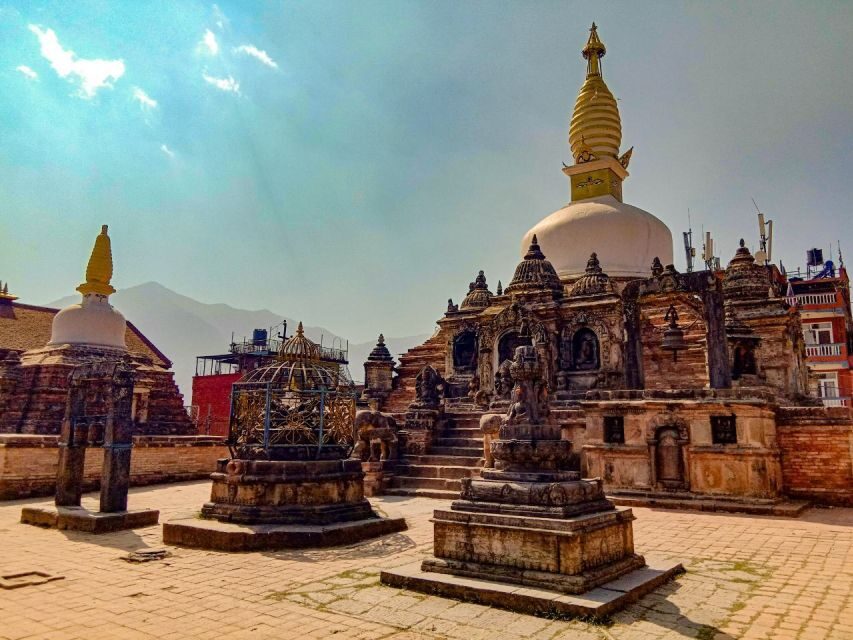
- Kirtipur hilltop streets: cobblestones, old brick buildings, and temple steps that feel lived-in
- Newari culture context: you’ll learn who the Newar are and why their architecture matters
- Chilancho Stupa shrine: a distinct sacred stop with valley views built into the experience
- A Theravada monastery visit: a different Buddhist flavor than the monuments you might expect
- Newari feast tasting: a traditional lunch experience where the flavors do the talking
- Kathmandu and Patan views: you get sweeping panoramas without spending all day on the road
Kirtipur’s hilltop streets and old brick details
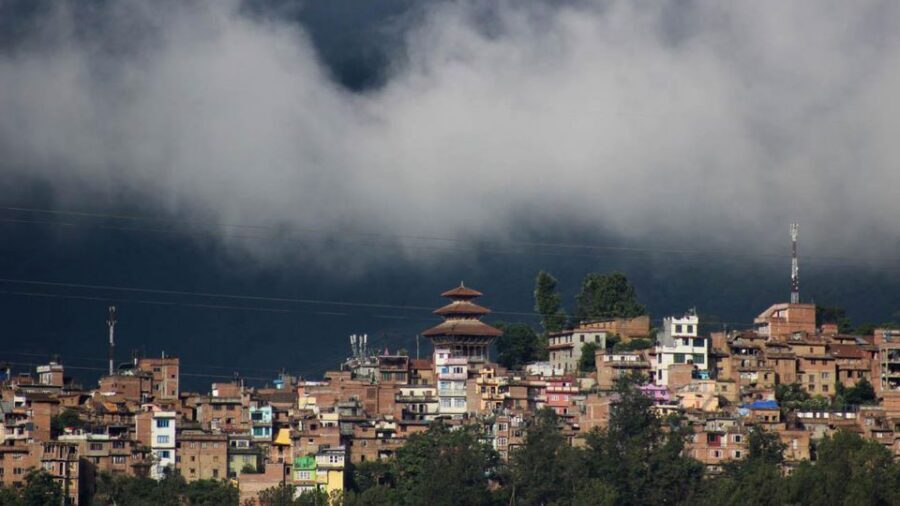
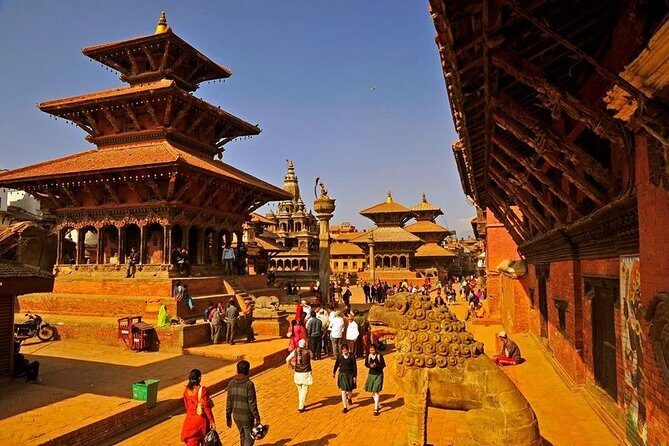
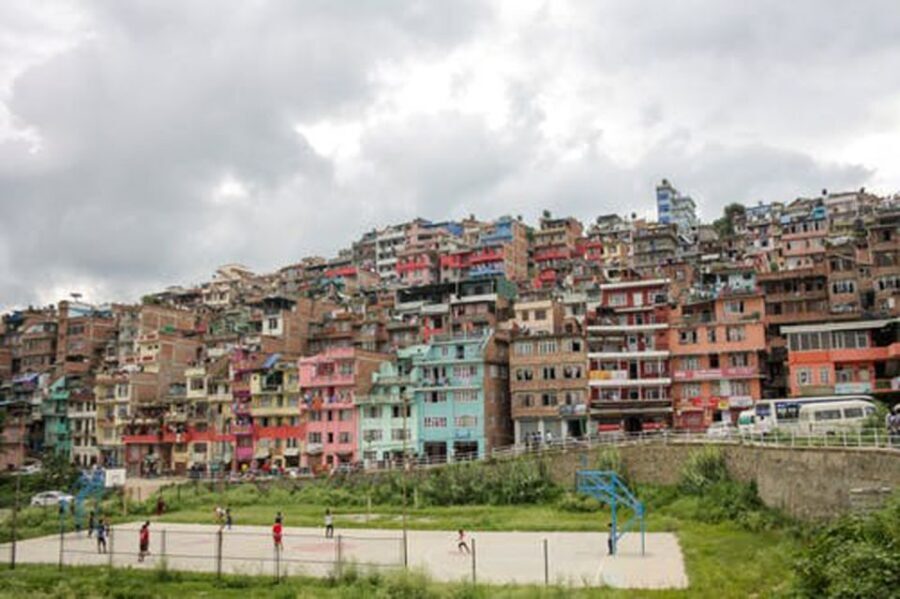
Kirtipur sits on a hill southwest of central Kathmandu, above one of the Valley’s busiest areas. Even if you only have half a day, the setting changes the mood fast. From street level, you’re in winding lanes that feel more like a traditional Nepali village than a modern neighborhood. As you walk, you notice the details that make Kirtipur more than a photo stop: cobblestone paths, old brick homes, and ornate door and window frames carved with care.
This is also one of the older settlements in the Kathmandu Valley. That matters because you’re not just touring landmarks—you’re seeing a place where people built religious and civic life close together over time. Many kingdoms around the Valley were once independent, and Kirtipur is one of the towns that carried that identity forward into today’s greater Kathmandu.
You’ll also appreciate how the views become part of the sightseeing. The elevation gives you wide angles over sprawling Kathmandu and out toward Patan. In a single walking circuit, you get both the close-up feel of the streets and the “oh wow” moment when the city opens up below you.
You can also read our reviews of more food & drink experiences in Kathmandu

What to do with the walking time
This isn’t a museum tour where you stand still. You’ll be doing a guided walk with time for scenic viewing along the way, plus some free time. I’d treat your shoes like they’re the main equipment—comfortable soles help a lot on cobblestones and temple steps. If you’re the type who likes to slow down for door carvings, window patterns, and little courtyard scenes, you’ll get extra value from the walking pace.
Bagher Bhairab temple stop: how local faith shapes the streets
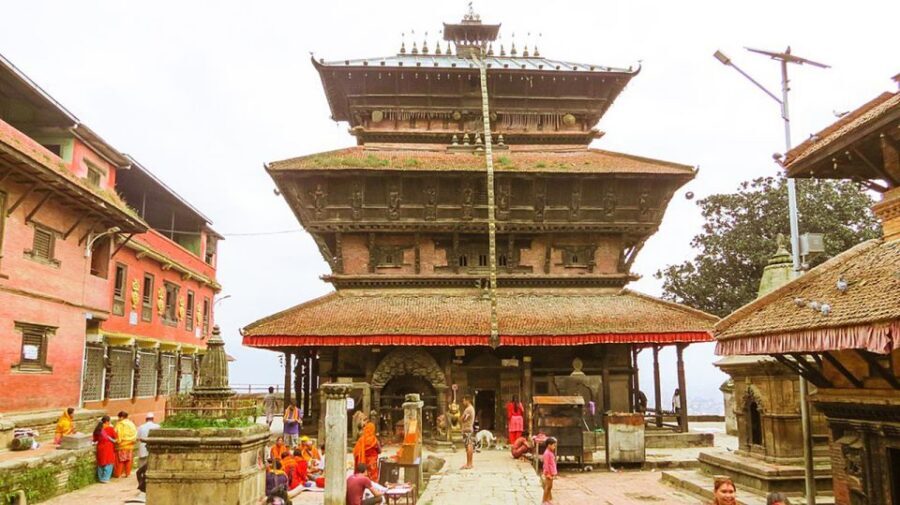
Your morning (or midday) route includes Bagh Bhairab temple, a name that signals the Newar style of religious life. In Kirtipur, temples aren’t isolated. They sit where people live and move, so the whole town feels structured around faith and daily rhythm.
At this stop, the goal is not just to look up at architecture—it’s to understand why it’s built here and why it keeps drawing attention. Newar religious culture is interwoven with community life. When you’re standing near a temple, you’ll likely feel how the surrounding streets funnel you in the same directions as locals have for generations.
Why this stop is more than a checkmark
Many travelers rush through temples as a quick photo, but in Kirtipur the temple visit acts like a key. Once you learn a bit about the Newar community and their religious sensibilities, everything around you—pagodas, shrine courtyards, and the way streets are laid out—starts to click.
A practical note: this kind of temple stop can mean stairs and uneven surfaces. Go slow, keep water and snacks in mind (though drinks aren’t included), and plan for a bit of walking even if you’re only out for 4 hours.
Chilancho Stupa shrine: a quiet pause with valley scale
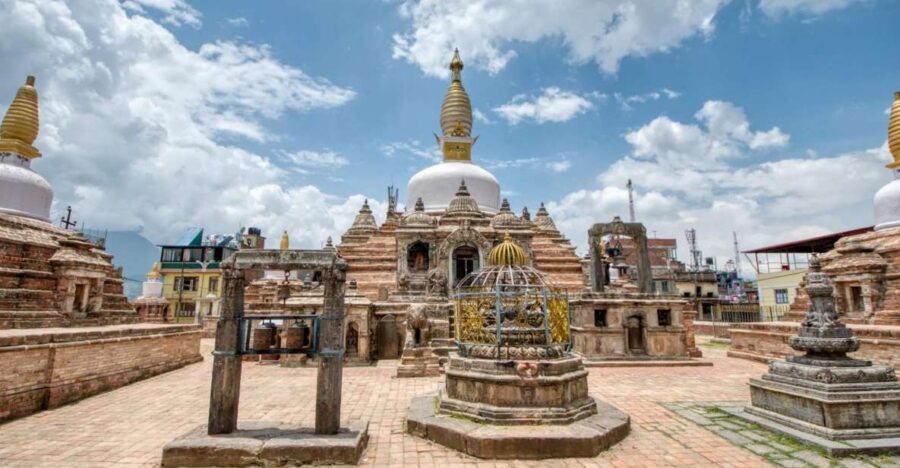
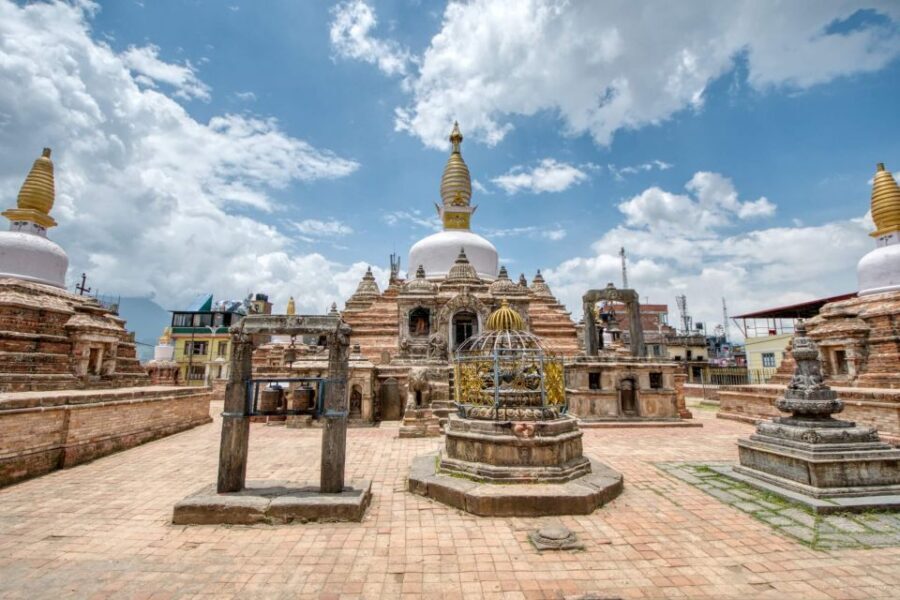
Next is the Chilancho Stupa shrine, the kind of place that changes your pace even if you’re with a guide. Stupas tend to work like landmarks and mood setters. You’re not just viewing a structure; you’re absorbing the idea of sacred space sitting above ordinary life.
What I like about this stop is that it naturally pairs stillness with scenery. Kirtipur’s hilltop location gives you a sense of scale over Kathmandu and the wider Valley. When you look from near a stupa, the city below can feel both huge and oddly distant—like two worlds sharing the same horizon.
A few more Kathmandu tours and experiences worth a look




A good moment to refocus
This is a smart point in the tour to reset your brain. If the first part of the walk feels like “keep moving,” Chilancho gives you space to stand, look, and let your guide’s context land. It also helps if you’re travel-weary and want something calmer within a compact schedule.
If you’re taking pictures, be ready for bright outdoor light around viewpoints. Sunglasses and a hat you can rely on will keep the experience comfortable.
Uma Maheshwar temple: pagodas, details, and Newar religious mixing
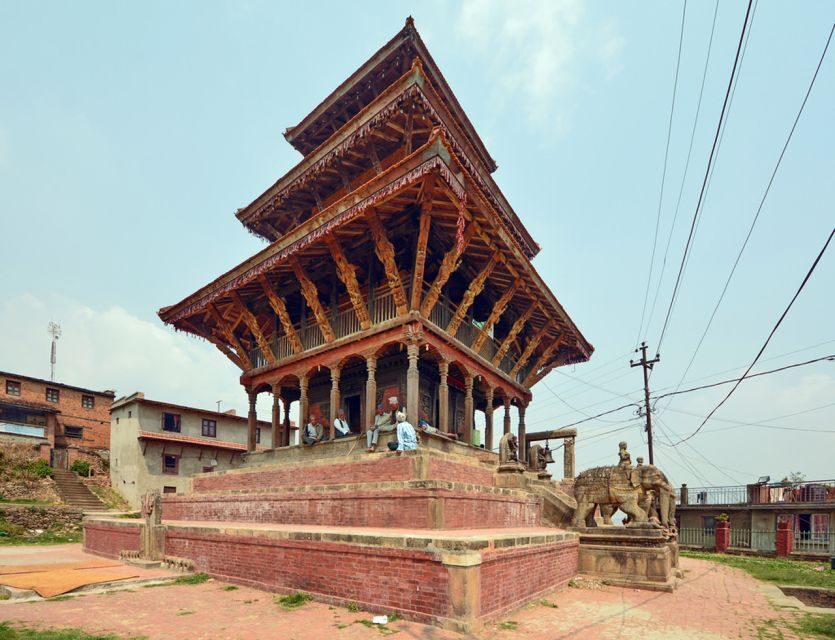
You’ll also visit Uma Maheshwar temple, another stop that helps explain how Newar architecture and devotion show up in layered ways. In Kirtipur, you’ll see multitiered pagodas and other forms that carry a distinct local aesthetic. This is where you start to notice how the town’s religious sites aren’t random—they create a network.
What’s useful to pay attention to
During this part of the walk, I’d focus less on chasing the perfect angle and more on what the buildings are telling you. Look at how stone and brick elements are arranged. Notice how openings, carvings, and levels guide the eye upward. Even without technical vocabulary, you can understand that the craftsmanship is part of the worship experience.
This stop also adds variety to the religious story of the day. The tour isn’t only one tradition. You’ll move through different sacred styles and end up with a broader sense of Buddhism in the Valley, plus local temple culture.
Theravada Buddhist monastery: a different pace and a different feel
Your itinerary includes a Theravada Buddhist monastery, which is a great contrast after temple hopping. Theravada traditions often feel more straightforward and practice-focused, and a monastery stop can read differently from a pagoda or shrine courtyard.
What I like here is the way it rounds out the cultural picture. You get to see that Kathmandu Valley religion isn’t one single look. Even on a short outing, the tour shows how multiple strands of Buddhism and local Newar temple culture can coexist across Kirtipur’s hilltop setting.
How to act so you get the best experience
Keep your voice down around religious spaces, and treat the monastery visit as a respectful pause rather than a sightseeing sprint. If you have questions, it’s a good moment to ask your guide about what you’re seeing—especially if your goal is to leave with understanding, not just photos.
Also, monastery areas can mean rules and quiet corners. You won’t need to do anything complicated—just follow what your guide indicates and keep your route smooth.
The Newari lunch and food tasting: spicy, shared, and worth it
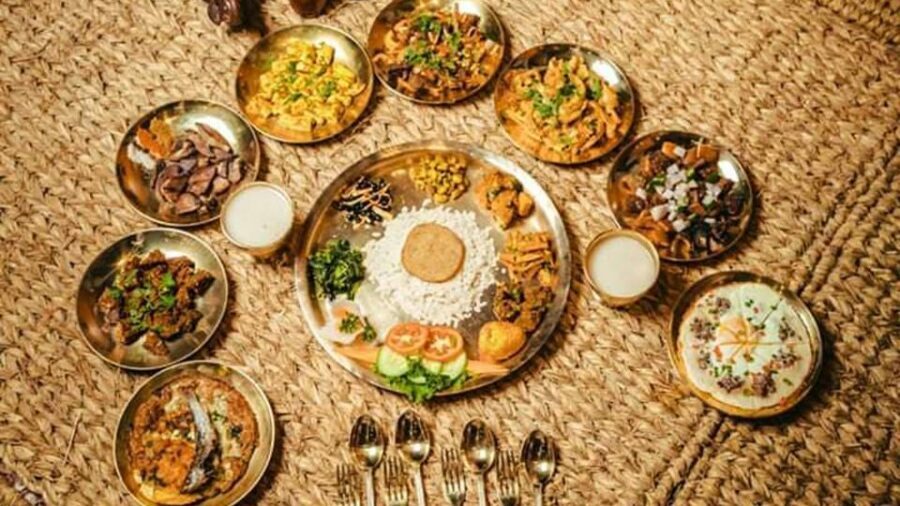
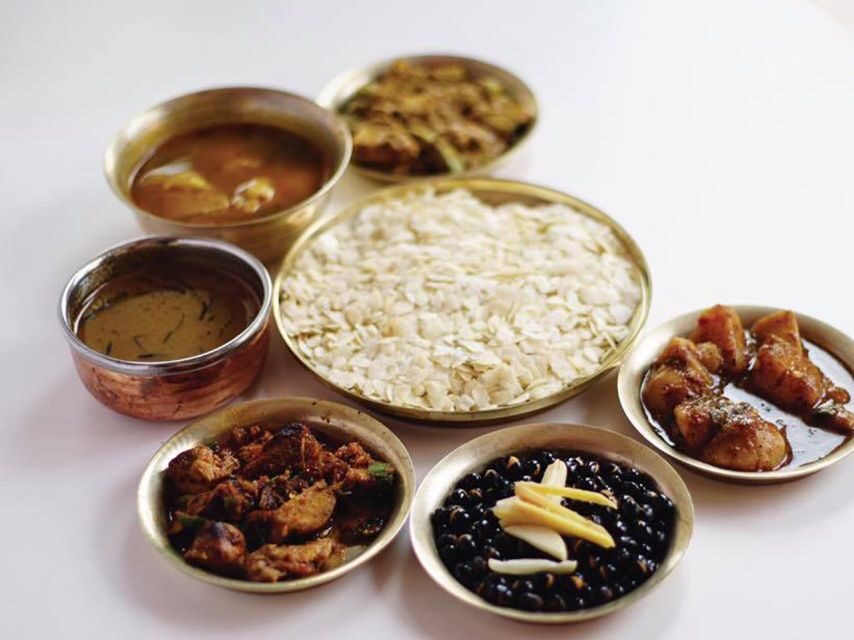
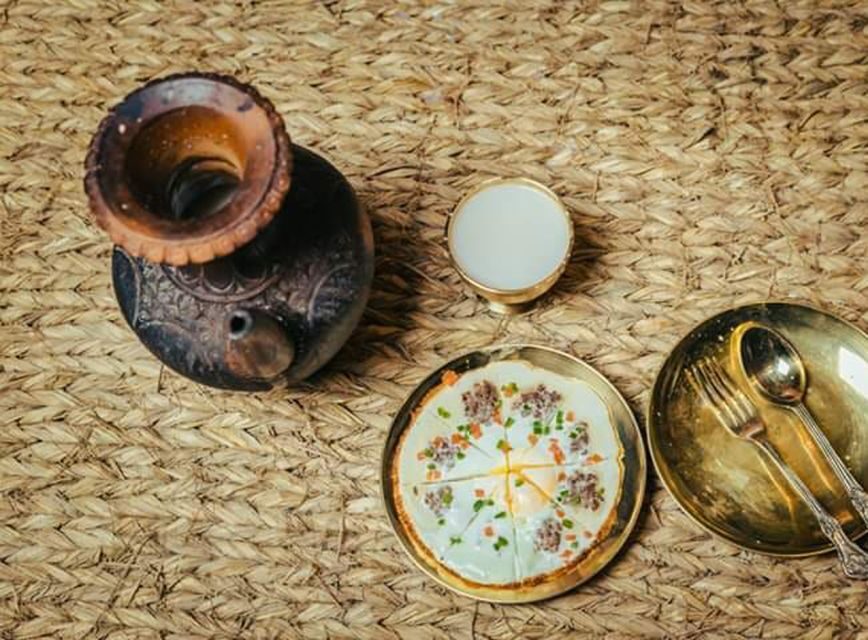
The centerpiece for many people is the Newari lunch and food tasting. This is one of Nepal’s signature culinary experiences, and it’s a smart pairing with Kirtipur itself. Food doesn’t feel like an add-on here. It’s tied to identity, hospitality, and local tradition.
The most important practical detail: the feast is a bit spicy. That’s not a complaint—it’s just useful information. If you’re sensitive to heat, pace yourself, take breaks between dishes, and consider starting with the milder items if the spread offers choices. Since drinks aren’t included, you may want to make sure you’re not too dehydrated going into lunch. If you can, save your shopping budget for water on the way.
What makes this lunch feel like travel, not just eating
In a half-day format, the food portion works like a cultural handshake. You’re tasting dishes linked to Newari life while you’re still in the town that shapes that culture. It’s a reminder that heritage isn’t only architecture—it’s also what ends up on a plate.
The value angle is strong here: your tour price includes the lunch as well as entrance fees and guide time. When a guided half-day includes a proper meal, you’re not forced to scramble for food plans right after sightseeing.
Views of Kathmandu and Patan: when the short day pays off
A big reason people like Kirtipur is the scenery. During the walk you get amazing views of Kathmandu and Patan, and there are scenic perspectives along the route, not only at one viewpoint.
That matters because panoramic views can be hit-or-miss. One overlook with ten minutes of time isn’t always enough. Here, the town’s hilltop layout means the viewpoints are naturally built into the movement of the tour. You’re seeing the Valley as a whole rather than catching it at a single timestamp.
If you love photos, plan your pace
With views, the temptation is to rush. I’d do the opposite. Give yourself small pauses. Take a couple photos, look around, and then keep walking. You’ll be happier with your photos and your memories because you’ll notice more than just the skyline.
Also, daylight affects what you see. If you can choose timing, avoid the harshest midday glare when possible—cloud cover can also make the view look softer and more layered.
Price, private timing, and how to get value from 4 hours
At $120 per person for a 4-hour private trip, you’re paying for arrangement, access, and context—not just transportation. The tour includes:
- private transfer
- all entrance fees
- Newari lunch
- guide fee
That’s the practical value. In Kathmandu, getting to hilltop sites efficiently can mean more than hopping in a taxi. Here, pickup and drop-off are built into the schedule, and you don’t have to map out temple-to-stupa routing.
You also get a private group, which generally helps if you have specific interests—architecture, religious sites, or just learning how locals describe Kirtipur and the Newar community. The tour guide supports English and Japanese, so communication is covered for a lot of visitors.
One real consideration: you can go alone, but you’ll trade comfort for context
Some travelers might feel that a taxi to Kirtipur plus self-exploration could be cheaper. That can be true. If your priority is views and you already know how to connect sites on your own, you might not need a guided plan.
But if you want to understand why those exact places matter—and you want lunch included without decision fatigue—this private format is a clean deal for a short day. You get a guided flow that’s hard to replicate quickly, especially if it’s your first visit to the Valley.
Best fit for this kind of day
This tour suits you if:
- you want a compact heritage experience without spending a full day traveling
- you’re interested in the Newar people and local culture
- you want a guided walk with food as a cultural anchor
It’s less ideal if:
- you dislike spicy food and want a very plain menu
- you prefer to move completely at your own pace with no guided explanation
Practical planning: what to bring, what to wear, and what to skip
This is one of those trips where a few small choices improve everything.
Bring:
- passport or ID card
- comfortable shoes
- sunglasses
- sun hat
Skip:
- pets
- luggage or large bags
One more planning point: pickup and drop-off is offered from hotels inside Kathmandu city along the ring road. If your hotel is outside that area, you might need to confirm the pickup point in advance.
Also, this tour isn’t suitable for wheelchair users. If mobility is a concern, you’ll want to plan alternative arrangements.
Finally, since drinks aren’t included, consider how you’ll handle hydration. If you’re coming from a long morning already, water planning becomes part of making the lunch enjoyable.
Should you book this Kirtipur half-day with Newari food tasting?
I’d book it if you want a high-value taste of Newar culture without turning it into a long day. The mix of old Kirtipur streets, major religious stops like Bagh Bhairab, Chilancho Stupa, and Uma Maheshwar, plus a Theravada monastery, gives you variety in just 4 hours. Then the Newari lunch ties it all together in a way that stays memorable.
Don’t book it if spicy food will be a problem for you or if you hate any form of guided storytelling. You’ll also want to be sure you’re comfortable with walking on uneven surfaces.
If you’re on the fence, my practical advice is this: go for it when you value context and included food. Skip the tour format and use a taxi if you only care about views and you’re confident navigating on your own.
FAQ
How long is the Kirtipur trip?
It’s listed as a 4-hour experience.
What does the tour cost?
The price is $120 per person.
Where does the tour take place?
The experience is in Kirtipur, in Nepal’s Bagmati Zone.
Is this a private tour?
Yes. It’s a private group experience.
What’s included in the price?
You get private transfer, all entrance fees, the Newari lunch, and the guide fee.
Are drinks included with lunch?
No. Drinks are not included.
What religious sites are visited during the tour?
You’ll visit Bagh Bhairab temple, Chilancho Stupa shrine, Uma Maheshwar temple, and a Theravada Buddhist monastery.
What languages is the guide available in?
The live tour guide is available in English and Japanese.
How does pickup work?
Pickup and drop-off are offered from hotels inside Kathmandu city along the ring road. You should provide your hotel name.
Is the tour suitable for wheelchair users?
No. It is not suitable for wheelchair users.