REVIEW · KATHMANDU
10 Days Annapurna Base Camp Trekking
Book on Viator →Operated by himalayan sanctuary adventure private limited · Bookable on Viator
Annapurna Base Camp is still the real deal. This 10-day trek pairs Himalaya icons like Machhapuchhre (Fishtail) with classic village days through Gurung country, then pushes you up to 4,130m at Annapurna Base Camp. The whole route is built for walkers who want the base camp payoff without weeks of extra high-altitude time.
I especially like how the plan keeps you moving without turning the logistics into a second job. You get private transportation in Kathmandu and Pokhara, round-trip flights between them, an English-speaking government-licensed guide, and a porter (one porter for two people) to handle your load. You’ll also be fed well during the trek: tea houses/lodges cover breakfast, lunch, and dinner along the trail.
One thing to weigh: this is a real hiking trek, not a stroll. Day 5 (Deurali to Annapurna Base Camp) is the hardest stretch, and some days include steep stone staircases and continuous climbing above valley walls, plus it’s not all-inclusive on drinks or hot shower time.
In This Review
- Key Things That Make This Annapurna Base Camp Trek Worth Your Time
- Kathmandu Arrival: Get Your Bearings Without the Stress
- The Flight to Pokhara and the Start of the Trek in Nayapul
- Ghandruk to Chhomrong: The Annapurna View Day
- Chhomrong to Deurali: Staircases, Bamboo, and a Real River Valley
- Deurali to Annapurna Base Camp: The Big Day at 4,130m
- The Return to Bamboo: Downhill That Still Takes Attention
- Bamboo to Jhinu Danda: Recovery with Natural Hot Springs
- Jhinu Danda to Naya Pul and Pokhara: End the Trek Like a Local
- Pokhara to Kathmandu and the Final Evening
- Final Departure Day: Leave with Time to Spare
- Price and Value: What You’re Paying For (and What You’re Not)
- Who This Trek Fits Best
- Practical Considerations Before You Commit
- Should You Book This 10 Days Annapurna Base Camp Trek?
- FAQ
- What time does the tour start?
- Are pickups included?
- How do you get between Kathmandu and Pokhara?
- What is the highest altitude on this trek?
- What accommodations and meals are included during the trek?
- Do I need a guide and permits?
- Is the Nepal entry visa fee included?
Key Things That Make This Annapurna Base Camp Trek Worth Your Time
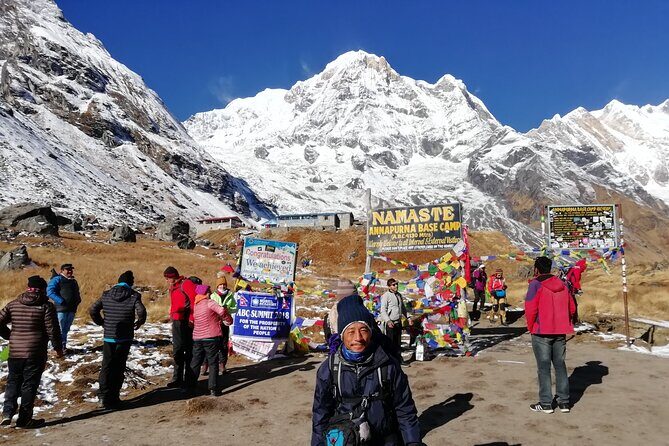
- Machhapuchhre (Fishtail) shows up on the way as you route via the Fishtail area before you reach Annapurna Base Camp.
- You sleep in tea houses/lodges each night during the trek, with meals included, which keeps your daily decision-making simple.
- The hardest day is clearly framed: Deurali to ABC is your major effort, then the trip turns into a mostly downhill return.
- Ghandruk and Chhomrong are built for culture and views—Gurung village atmosphere, then that Annapurna massive feeling right at the doorstep.
- Jhinu Danda hot springs are the built-in recovery day after the tough sections, which helps your legs feel human again.
- A guide-managed permit setup (TIMS) and local support mean you’re not hunting paperwork or transfers mid-trip.
Kathmandu Arrival: Get Your Bearings Without the Stress
Day 1 keeps things easy. A representative meets you outside the International arrival terminal gate and transfers you to your Kathmandu hotel. You stay overnight in Kathmandu to start fresh.
This kind of start matters more than people think. Kathmandu traffic and airport navigation can eat half a day fast, so having someone there lets you settle in, check your gear and timing, and get ready for an early flight the next morning.
You can also read our reviews of more hiking tours in Kathmandu
The Flight to Pokhara and the Start of the Trek in Nayapul
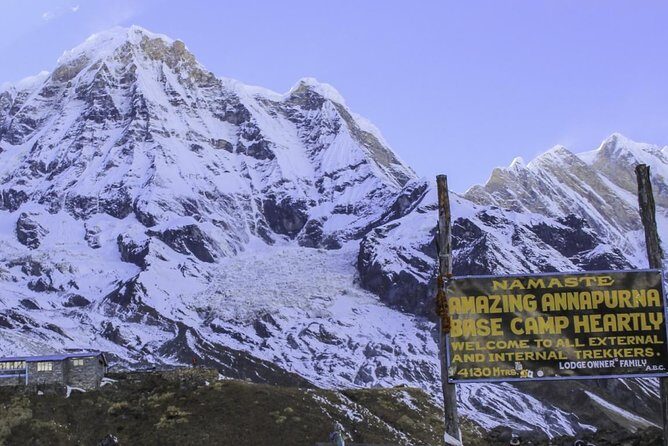
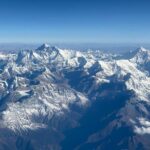
On Day 2 you fly from Kathmandu to Pokhara early, then drive to Nayapul, where you begin hiking. The flight is timed to give Himalaya views, and the plan notes that the best views are on the right side of the airplane.
Your first trekking day to Ghandruk is described as easy for most of it: wider road walking, then an uphill finish. That matters because it’s your warm-up. You’re moving from road-travel energy into trail rhythm, and this day helps you find your pace before steeper sections show up later.
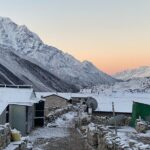
Ghandruk is a real village stop, mostly inhabited by Gurung people. If you have time in the evening, there’s also a Gurung museum you can visit. You’ll sleep in a tea house here, which keeps the trip grounded in the rhythm of the trail.
Ghandruk to Chhomrong: The Annapurna View Day
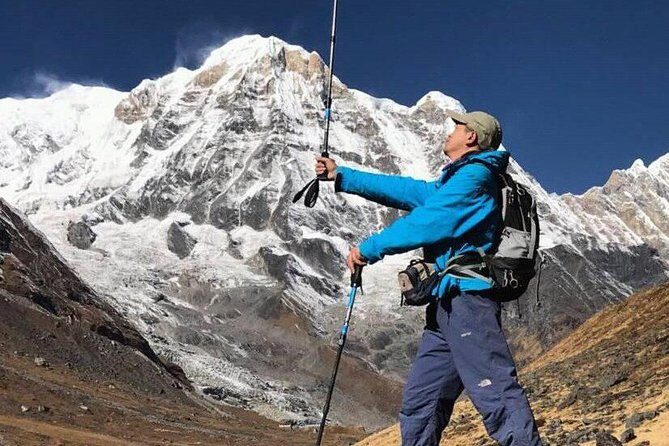
Day 3 is where the views sharpen. The route goes from Ghandruk toward Chhomrong via places like Kimrungdanda and then down into Kimrung Khola, followed by an uphill to Chere Danda and a final gentle walk to Chhomrong.
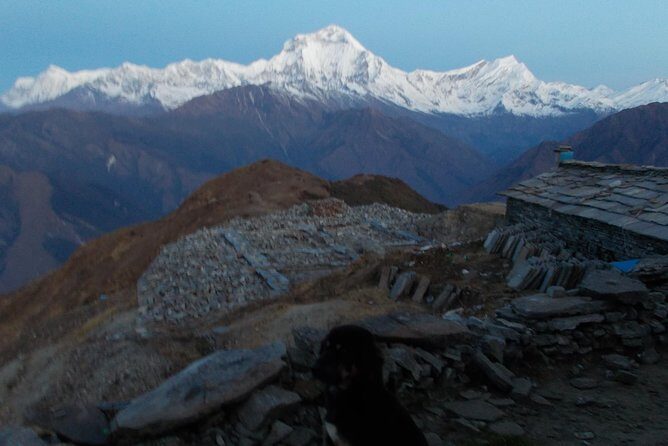
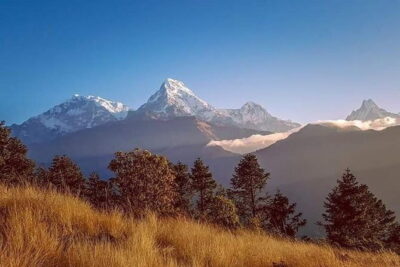
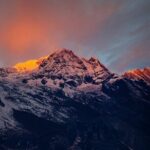
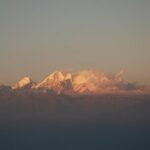
The standout is the skyline you’re given en route: Annapurna South, Hiunchuli, Machhapuchhre (Fishtail), and Gangapurna are called out as visible from this part of the hike. Chhomrong itself sits in the lap of the Annapurna massif, so when you arrive, the mountain presence feels immediate.
This is also a day with ups and downs, so it’s not just about walking forward. You’re learning how the route plays with elevation before the longer climb toward the sanctuary begins.
Chhomrong to Deurali: Staircases, Bamboo, and a Real River Valley
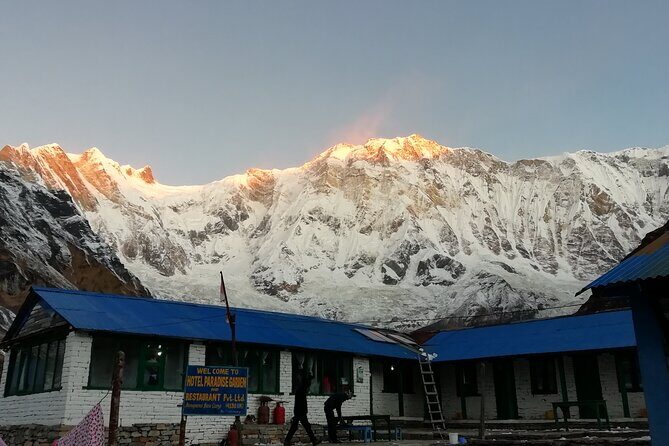
On Day 4 you leave Chhomrong and head toward Deurali. You cross Chhomrong Khola on a suspension bridge, then trek uphill high above the Modi Khola valley on its west bank.
After reaching Kuldi via Tilche and Sinuwa, the trail includes steep stone staircases toward Bamboo, where lunch is served. From there, the path continues along the Modi Khola valley through dense bamboo forest, with occasional stream crossings, while still ascending continuously. You reach Doban at 2,630m and eventually pass Hinko Cave at around 3,160m—then Deurali is about 30 minutes more.
This day is a “workhorse” segment. If you’re expecting mountains with minimal effort, this won’t match that fantasy. If you like steady progress and you don’t mind stairs, it’s a satisfying day because you’re gaining the ground you’ll later appreciate at base camp.
Deurali to Annapurna Base Camp: The Big Day at 4,130m
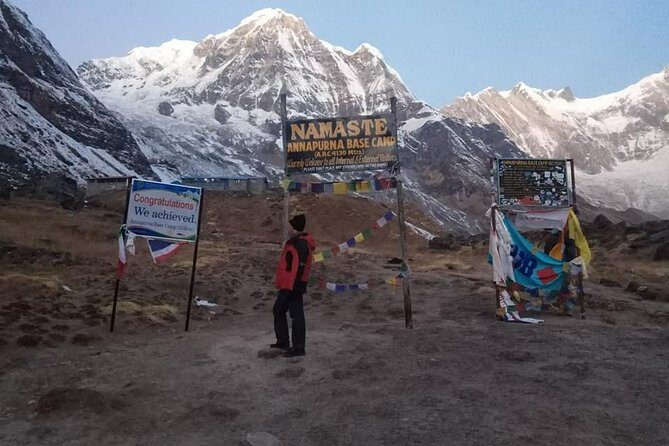
Day 5 is the peak effort: Deurali to Annapurna Base Camp via Machhapuchhre Base Camp (the route includes a lunch stop there). The trek is described as the most exciting and also the most difficult day.
You walk through Bagar and a section noted as Avalanche, then the path turns left toward Machhapuchare Base Camp. After lunch and extraordinary mountain views, you push on to Annapurna Base Camp, and the route notes that it takes around 2–3 hours after lunch.
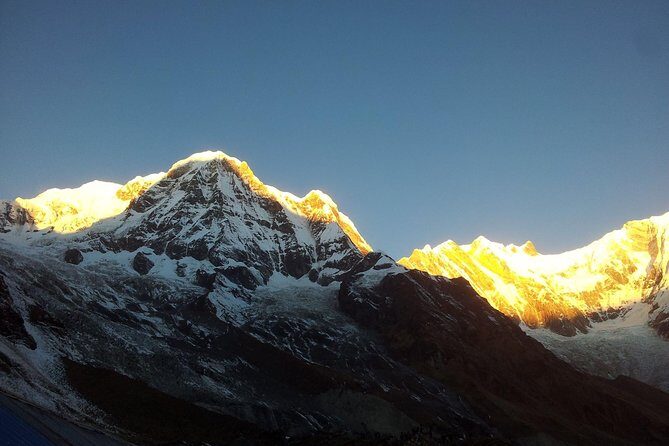
When you reach ABC, the descriptions focus on the dramatic shift from settlement and vegetation to an Annapurna Sanctuary feel, plus the big 360-degree mountain views of glaciers and moraines. You’re at 4,130m here, so even if you feel strong, take it slow, breathe steadily, and accept that altitude can make a short walk feel longer.
This is also where the “classical trek” reputation makes sense. You’re not just hiking—you’re arriving at a place that feels like a mountain amphitheater.
The Return to Bamboo: Downhill That Still Takes Attention
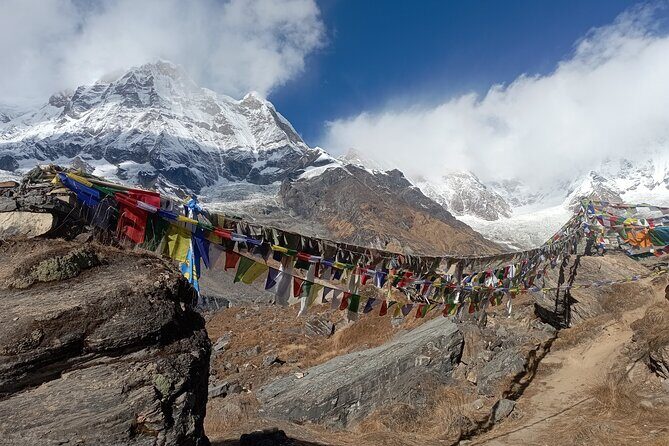
Day 6 is ABC back down to Bamboo. The plan describes it as mostly downhill, following much of the same path you used to go up.
Even when the route is downhill, your feet still do the work. Steps can feel long on the way back, and you’ll likely notice your knees more than on the climb. The good news is you get time to break the high-altitude day into a manageable rhythm and keep your energy for the rest of the trip.
You’ll pass Machhapuchhre Base Camp again, along with Deurali, and then reach Bamboo for the night.
Bamboo to Jhinu Danda: Recovery with Natural Hot Springs
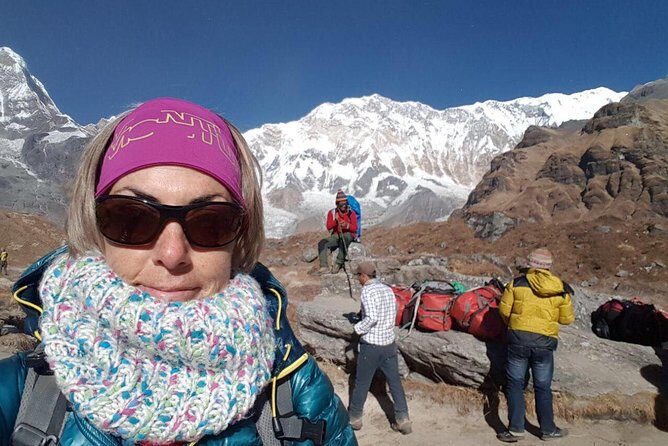
Day 7 heads from Bamboo to Jhinu Danda. After breakfast, there’s an ascent to Khuldighar, then you descend toward Chhomrong Khola. From there, the trail continues downhill to Jhinu Danda.
The payoff is the natural hot water springs at Jhinu Danda, described as helping heal aching body parts. This is one of the most practical “tour features” because it’s not just scenic reward—it’s recovery.
Even though you’ll still be hiking today, the hot springs turn the end of the day into something more restorative. You sleep in a tea house at Jhinu Danda.
Jhinu Danda to Naya Pul and Pokhara: End the Trek Like a Local
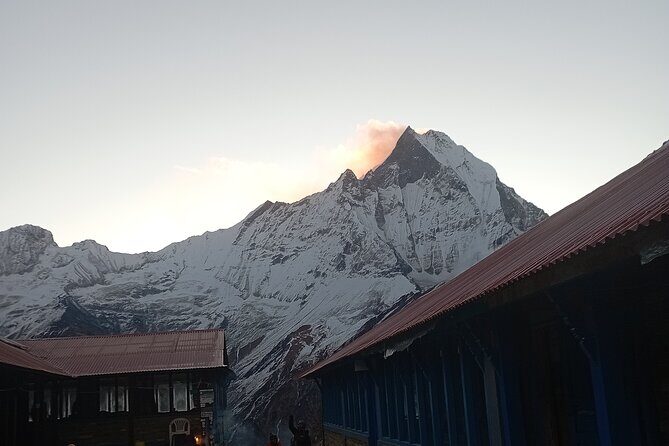
Day 8 breaks the day into two parts. First, trek to Naya Pul (with a lunch stop along the way), then drive to Pokhara.
You also pass Shauli Bazaar at 1,140m and Birethanti at 1,065m. Birethanti is a riverside village that the plan notes is usually busy with trekkers starting and finishing treks. That’s a helpful psychological marker: the trail energy shifts into a more relaxed, town-around-the-river pace.
Once in Pokhara, you get free time in the evening for shopping and resting in a more comfortable base.
Pokhara to Kathmandu and the Final Evening
Day 9 is a flight back to Kathmandu after breakfast. The plan keeps it short—about 25–30 minutes—then you transfer to a hotel in Thamel.
There’s time for last-minute shopping in Thamel on your own, plus an evening cultural dinner with a Nepali family. That combo is good value because it adds meaning to the trip beyond the hike itself—food, conversation, and a bit of local connection before you fly out.
Final Departure Day: Leave with Time to Spare
On Day 10, a representative drops you to the international airport about 3 hours earlier than your flight time. It’s a small detail, but it’s the kind that prevents travel-day panic—especially when you’re returning from a mountain schedule.
Price and Value: What You’re Paying For (and What You’re Not)
At $1,290 per person for about 10 days, the value comes from how much is handled for you. Included items that matter on this kind of trek:
- 3* hotels with breakfast in Kathmandu and Pokhara
- Both-way Kathmandu–Pokhara flights
- Teahouse/lodge accommodations with breakfast, lunch, and dinner during the trek
- TIMS permit and information management
- English-speaking, government-licensed guide with salary/food/drinks/accommodation/insurance included
- Porter support (one porter for two people)
- Farewell dinner with a Nepali family
What’s not included also matters for budgeting:
- Nepal entry visa fee (listed as $40, plus 2 passport photos)
- International airfare and travel insurance
- Meals in Kathmandu/Pokhara beyond what’s listed
- Drinks during the trek, plus items like tea/coffee, sweet things, cold drinks, and bottled water
- Tips for guide and porter
- Hot shower and camera battery charging
So here’s the practical way to think about it: you’re paying for a managed trekking experience with food and lodging on-trail, plus the mountain-to-city transfers. You’re not paying for extra comfort add-ons like paid beverages, charging, and tips. If you budget those from the start, the price can feel fair for a classic route with real local support.
Who This Trek Fits Best
This route is aimed at people with moderate physical fitness and a time limit. The trip is “classic” for good reason: you get to the high point (ABC), you see Machhapuchhre (Fishtail) along the way, and you return on a timeline that doesn’t drag on for weeks.
It’s also described as a popular choice among different types of outdoor travelers, including solo women and groups. If you want a structured plan, clear daily progress, and someone else handling permits and local coordination, this fits that style.
Practical Considerations Before You Commit
- Day 5 is the major effort: Deurali to ABC via Machhapuchhre Base Camp is your longest and hardest push, at the highest altitude point. Plan your pace accordingly.
- Some days are staircase-heavy: Day 4 mentions steep stone staircases, and Chhomrong days include descents and uphill sections that can be tough on tired legs.
- You’ll be offline in a very normal way: The plan notes cold drinks, phone calls, and charging are not included, so you’ll likely rely on your itinerary and your own energy more than you might on typical city trips.
- Porter support is shared: One porter for two people means you still need to pack smart and keep essentials accessible.
Should You Book This 10 Days Annapurna Base Camp Trek?
If your goal is Annapurna Base Camp with a classic route and mountain-village texture, I’d consider booking this. The big reasons are simple: ABC is reached, the trek includes the Machhapuchhre path element, and the package handles the travel and on-trail logistics (guide, permit, meals, tea houses, flights).
Skip this option if you want a lighter hiking style, full inclusion of drinks and hot showers, or you’re hoping for minimal elevation stress. This is a serious trek day that ends in serious mountain payoff.
If you do book, ask your operator who your guide will be and confirm your preferences for pace and breaks. In the reviews you can find clear appreciation for the human side of this company’s support, including mentions of a guide named Ganesh and service staff like Prem—names that hint at the kind of personal attention you should expect to get when things run smoothly.
FAQ
What time does the tour start?
The start time is listed as 6:15 am.
Are pickups included?
Pickup is offered, and representatives meet you at Kathmandu arrival and later handle transfers in the trip.
How do you get between Kathmandu and Pokhara?
You take a both-way flight between Kathmandu and Pokhara, with a short transfer/drive to start or finish the trek segments.
What is the highest altitude on this trek?
The route reaches Annapurna Base Camp at 4,130m (13,549 ft).
What accommodations and meals are included during the trek?
During the trekking days, you stay in teahouses/lodges and the package includes breakfast, lunch, and dinner.
Do I need a guide and permits?
Yes. The package includes an English-speaking government-licensed guide and a TIMS permit/information management.
Is the Nepal entry visa fee included?
No. The Nepal entry visa fee is not included, and it’s listed as $40, with the note that you can issue it on arrival at Kathmandu Airport. You’ll need 2 passport size photos.