REVIEW · KATHMANDU
14-Day Everest Base Camp Trek
Book on Viator →Operated by Magical Nepal · Bookable on Viator
Lukla to Everest feels like a movie scene. This 14-day trek threads together the big visual hits—Kalapatthar sunrise and the Everest Base Camp moment—with the slower, smarter breathing days in Namche and Dingboche. I especially like how the itinerary mixes scenic variety (forests, villages, glacier rivers) with real acclimatization, not just check-the-box hiking. One drawback to plan for: weather can affect flights into Lukla, and the final Base Camp day includes serious rocky walking over glacier debris, so you’ll want a good fitness baseline.
You’ll walk most days around the 5-hour mark, with a couple longer days that can stretch closer to 7–8 hours. The trip is run as a small group (max 8), with a guide for 12 days and a porter for 11, plus permits and teahouse stays handled. If you’re the type who hates uncertainty, the timing around Lukla (and sometimes Ramechhap) is the part you’ll notice most.
In This Review
- Key things to know before you go
- Entering the Everest Region from Kathmandu and Lukla flights
- The Lukla flight twist: Kathmandu airport upgrades and Ramechhap
- Phakding to Namche Bazaar: bridges, pine forests, and your first true climb
- Acclimatization in Namche: Everest View Point, museum time, and a smarter second day
- How to use an acclimatization day well
- Tengboche: monastery visit with mountain views in every direction
- Dingboche: the treeline fades, and the altitude gets louder
- Lobuche: memorial stupas and the hardening terrain
- Gorakshep and Everest Base Camp: the 6–7 hour reality check
- Kalapatthar sunrise and the return: your last big views before you drop
- Getting back to Kathmandu: flights, possible Ramechhap, and a real finish
- Price and value: what $1,600 covers (and what you’ll still need to plan)
- Who this trek suits best (and who should think twice)
- A note on guides and the human factor
- Should you book this 14-day Everest Base Camp trek?
- FAQ
- Where does this trek start and end?
- What’s included in the price for $1,600 per person?
- Are Sagarmatha National Park permits included?
- How many days do you trek, and how long are the walking days?
- What’s the hardest walking day on the route?
- How do Lukla flights work if Kathmandu airport has upgrades?
Key things to know before you go
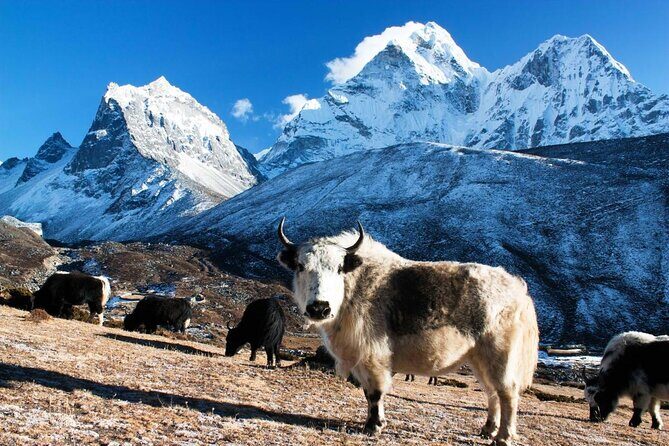
- Small-group pacing (max 8 travelers) with a dedicated guide plus a porter for most trekking days
- Acclimatization built in at Namche Bazaar and again in Dingboche, not just a straight push upward
- Namche to Tengboche culture stop: the Khumbu’s largest monastery visit at Tengboche
- Kalapatthar pre-dawn rise for one of the best Everest-view payoffs without needing technical climbing
- Everest Base Camp walk is no joke: expect 6–7 hours of focused walking over rocky glacier-debris terrain
- Lukla flight logistics matter: if Kathmandu airport flights shift, you may connect via Ramechhap with an early 2 a.m. departure
Entering the Everest Region from Kathmandu and Lukla flights
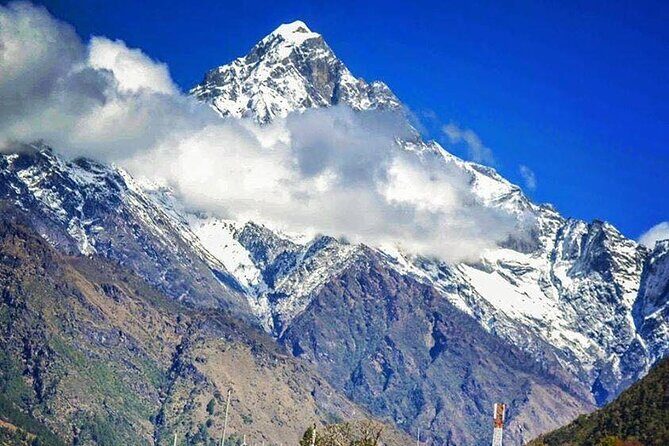
This trek starts in Kathmandu with a meet-up and hotel transfer after you arrive at Tribhuvan Airport. From there, the route goes to Lukla—2,860 meters—by flight. That first leg is more than transport. It’s your immediate altitude jump, plus that classic gateway feeling: you’re suddenly in the working world of the Khumbu, where the trail matters and the mountains dominate.
On Day 2, you don’t just “arrive and chill.” You trek for about 3–4 hours to Phakding. The day is described as a downhill introduction, descending to the Dudh Koshi Ghat and following the riverbank. That’s a good setup day. Still, it’s the Himalayas, so you’ll feel your legs working even when the trail looks tame on paper.
Practical tip: plan to start your trek day with hydration and a calm pace. The first day is your body’s warm-up for what comes later—bridges, switchbacks, and big altitude changes.
You can also read our reviews of more hiking tours in Kathmandu
The Lukla flight twist: Kathmandu airport upgrades and Ramechhap
This itinerary also flags something you should take seriously before you go: at certain times, Lukla flights may operate through Ramechhap instead of Kathmandu due to upgrades. That means an extra early start—about a 4-hour drive from Kathmandu to Ramechhap, with departure around 2 a.m. on the outbound day.
On the way back, the drive from Ramechhap to Kathmandu can run 4–6 hours depending on traffic. This is not just a “happenstance.” It can reshape your sleep schedule and your day flow. If you hate being up early, mentally prepare now.
Phakding to Namche Bazaar: bridges, pine forests, and your first true climb
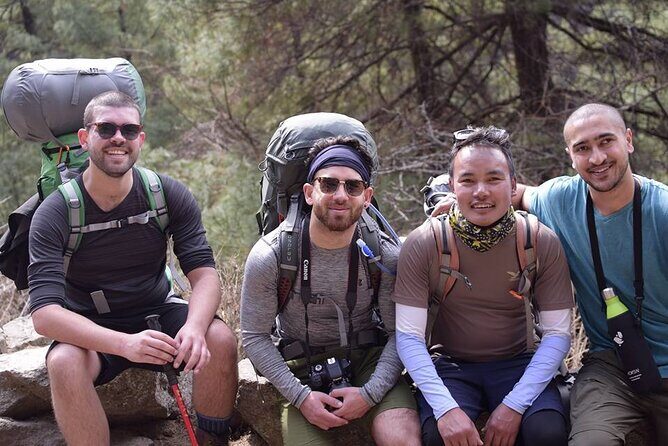
After the river-valley start in Phakding, Day 3 is when the trek starts feeling more like an Everest trek: you’re crossing the Dud Koshi again on a long suspension bridge, then walking through pine forests toward the entrance of Sagarmatha National Park. This is where your permits get checked—so expect a moment of paperwork before you move deeper into the protected area.
The trail has a rhythm: a downhill to Jorsale for lunch, then an uphill to Namche Bazaar. Along the way, you cross the Hillary Suspension Bridge—one more reminder that the trail is built on clever engineering, not just footpaths.
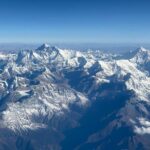
And then Namche. It’s where the altitude starts to feel real, but it’s also where you get your first major payoff: when you arrive, you’re greeted by an impressive first sight of Mount Everest.
What I like about Namche in this itinerary: it’s not treated like a random town stop. It’s treated like a base camp for breathing better higher up.
Acclimatization in Namche: Everest View Point, museum time, and a smarter second day
Day 4 is an acclimatization day at Namche. That matters. You’re already high, and the next moves push higher still. This day gives you options, including a 2-hour hike to Everest View Point, or just exploring Namche at your own pace.
Two small details make this day feel more human:
- a Sherpa museum to help you connect the culture to the mountains you’re seeing
- on Saturdays, a small outdoor market, which can be a welcome change of pace from trail life
You’re not just resting here. You’re building the habit you’ll need later: slow walking, smart breathing, and paying attention to how your body responds.
How to use an acclimatization day well
If you’re going to do one thing on this day, do it gently. Don’t treat it like a free day to sprint around. Take the short hike if you want it, but keep your effort steady. Your goal is to feel better tomorrow, not smoked today.
Tengboche: monastery visit with mountain views in every direction
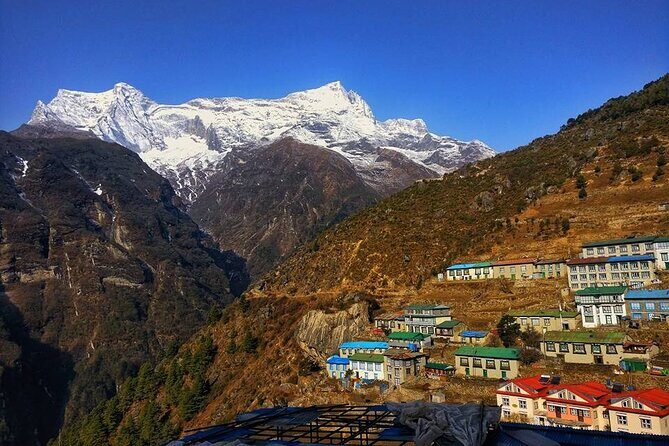
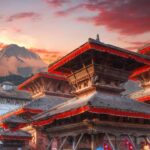
Day 5 heads to Tengboche. This is one of the emotionally rich stops on the whole route, largely because the itinerary includes the monastery visit. Tengboche is described as the largest monastery in the Khumbu (Everest) region, and you’re there to see it and receive blessings.
Even if you’re not religious, this kind of stop changes how you experience the mountains. You’re not only hiking past peaks; you’re watching a community protect and honor a place that draws climbers and trekkers alike.
Tengboche also delivers big visual rewards. From here, the itinerary calls out mountain views including Ama Dablam, Thamserku, and Khumbila—presented as sacred to the Sherpas. This gives the scenery context instead of treating it as just a backdrop.
Possible drawback to note: monastery visits can work on local schedules. Build in a little flexibility and don’t assume you’ll control every minute.
Dingboche: the treeline fades, and the altitude gets louder
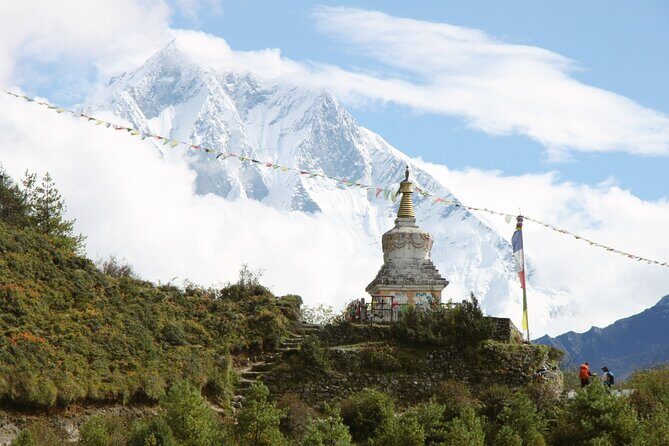
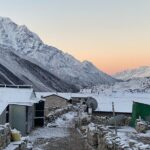
Day 6 is a move to Dingboche. You hike through alpine forests at first, then pass villages and watch how daily life looks along the way. The itinerary highlights a change as you climb: fewer trees, more shrubs. That’s a useful clue for what’s coming—thinner air and a more rugged, high-altitude feel.
By the time you reach Dingboche, you can see peaks like Taboche, Nuptse, and Cholatse. That “landscape shift” (forests to shrubs, valleys to ridgelines) is part of why the trek works as a progressive experience instead of a single hard push.
Day 7 is another rest and acclimatization day at Dingboche. This time, you can explore the Chhukung and Imja Valleys. The route notes that Imja links to Island Peak and the Makalu Barun National Park—useful info if you’re already dreaming about the next trek after this one.
Lobuche: memorial stupas and the hardening terrain
Day 8 moves to Lobuche. The itinerary warns you that the trek becomes more challenging as altitude rises, and you’ll move more slowly.
A standout moment here: steeply climbing to memorial stupas for people who lost their lives on Everest. It’s not a “fun stop,” but it’s an important one. It adds weight and perspective to the excitement of reaching the world-famous viewpoint later.
The trail continues over mountain terrain, and you’re rewarded with views of Lobuche, Pumori, and Nuptse. This is when your eyes start scanning for angles you’ll see again at higher points.
Gorakshep and Everest Base Camp: the 6–7 hour reality check
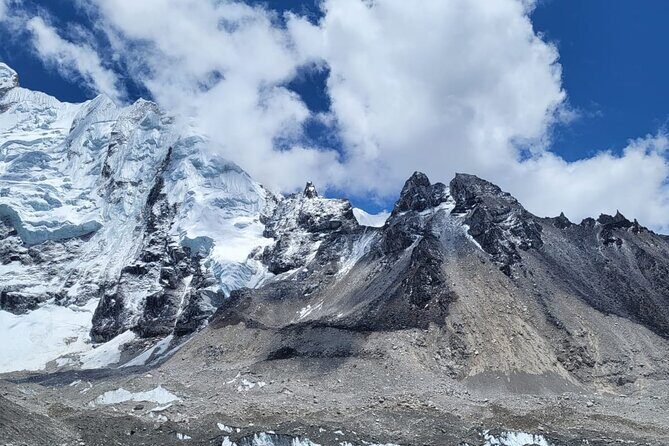
Day 9 is your big day for reaching Everest Base Camp. You start from Lobuche to Gorekshep (Gorakshep), and the trek is described as deceptively easy at first. Then the ground becomes rocky, with dunes and moraine—terrain shaped by glacier activity.
After reaching Gorekshep, you push toward Base Camp itself. The route from Gorakshep to Base Camp and back takes 6–7 hours of serious walking over rocky ground formed by glacier debris. This is the day where you’ll feel the difference between “I can hike” and “I can hike when the trail is rough and the altitude is high.”
Once you arrive, your reward is immediate and unmistakable: you see the Khumbu Glacier and the Icefall. You may also meet climbers on their way to attempt the highest mountain in the world. Even if you don’t see climbers, the setting is enough.
My advice for Base Camp day: start early, eat early, and keep your pace consistent. Your legs will thank you on the return leg over similar rocky ground.
Kalapatthar sunrise and the return: your last big views before you drop
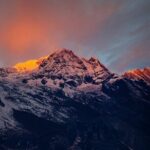
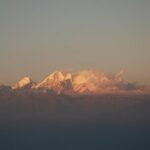
Day 10 focuses on views without rushing. You rise before dawn to witness sunrise over Mount Everest from Kalapatthar. The itinerary also notes other peaks—Nuptse, Changtse, and Lhotse—lighting up with the first rays of sun. This is the kind of scenery that makes the earlier acclimatization days feel worth it.
Then the trade-off: you go back down. You hike from Kalapatthar to Gorekshep for breakfast, and then continue to Pheriche. If you still have energy, you can walk on to Panboche, though it sounds optional.
Day 11 brings the return to Namche Bazaar. The itinerary says you’ll head mainly downhill from Pheriche to Tengboche and then on to Namche. The trail feels familiar now, but it also feels different—because you’ve already seen the highest goal in front of you.
Day 12 finishes with the walk back toward Lukla. You cross the Hillary Suspension Bridge again and bid farewell to the Sherpa people as you arrive in Lukla in the afternoon. There’s also a traditional group farewell party included, which helps close the loop after days of shared effort.
Getting back to Kathmandu: flights, possible Ramechhap, and a real finish
Day 13 includes an early morning flight from Lukla to Kathmandu or Ramechhap depending on conditions at Kathmandu airport. If the Ramechhap option happens again, the outbound details you saw earlier can repeat: early departure to cover the drive.
Then Day 14 is a final day in Kathmandu—safe onward travel, plus a pheri bhetola goodbye.
Value of this ending: you don’t just vanish into an airport. You get an actual completion rhythm: trekking days, then flights, then time to reset in Kathmandu.
Price and value: what $1,600 covers (and what you’ll still need to plan)
At $1,600 per person for 14 days, the biggest value drivers are the items you’d otherwise pay separately: flights for the Lukla connection (Kathmandu–Lukla–Kathmandu), Sagarmatha National Park entry and local permits, and the full support team.
Here’s what’s explicitly included:
- local transfers for your international flight (arrival/departure)
- local transfers for domestic flights
- Kathmandu–Lukla–Kathmandu flight
- Sagarmatha National Park entry and local entry permits
- guide for 12 days
- porter for 11 days
- 2 nights in Kathmandu hotel (Bodhi Boutique or similar)
- 11 nights in mountain teahouses
- breakfast/lunch/dinner during the trek days listed
- staff insurance and support transport for the company team
What’s not included:
- lunch and dinner in Kathmandu
- personal expenses
- travel insurance
So where does the money feel justified? In a trek like this, your biggest risks are not just “weather” or “altitude”—it’s coordination: permits, flights, guiding, lodging, meal planning, and the day-to-day decisions that keep things running. This package tackles the core logistics and reduces the chance that you’ll spend your energy fighting paperwork or scrambling for last-minute arrangements.
Budget reality check: you’ll still want money for Kathmandu meals and snacks, plus travel insurance (not optional in practice if you’re serious about comfort and coverage).
Who this trek suits best (and who should think twice)
This trek requires strong physical fitness. That’s not marketing language. The itinerary includes multiple long hiking days, the steep and slow parts near high altitude, and the Base Camp day with serious walking on rocky ground.
This also suits you if:
- you want a classic Everest Base Camp route with major landmarks (Namche Bazaar, Tengboche monastery, Kalapatthar, Base Camp)
- you like small-group travel (max 8)
- you’re okay with early starts for flights and the pre-dawn Kalapatthar day
You might think twice if:
- you’re extremely sensitive to disrupted schedules from weather-related flight changes
- you hate uneven footing and rocky terrain (especially the Base Camp walking segment)
A note on guides and the human factor
The operator is associated with guides such as KP (Krishna Prasad Bhatta), Dilman, Jay, Narayan, and Pemba Sherpa in past experiences. The owner, Pradeep, also shows up in the planning and coordination side. That kind of continuity matters on a trek where decisions depend on your body, not just the clock.
Should you book this 14-day Everest Base Camp trek?
If your goal is the real Everest Base Camp experience with the signature stops—Namche acclimatization, Tengboche monastery, Kalapatthar sunrise, and Base Camp itself—this itinerary looks like a strong match. The pacing is built with rest days where you need them, and the support structure (guide + porter + permits + flights + teahouses) removes a lot of common stress.
I’d book it if you’re prepared for early mornings, rougher footing near the end, and the possibility that your Lukla flight timing could shift to Ramechhap at times. I’d pause if your fitness is uncertain or if weather and flight logistics would throw you into a panic.
FAQ
Where does this trek start and end?
It starts in Kathmandu, meeting at Tribhuvan Airport, and ends back in Kathmandu (the tour ends at Kathmandu 44600, Nepal).
What’s included in the price for $1,600 per person?
The price includes Kathmandu local transfers for international arrival and departure, domestic flight transfers, Kathmandu–Lukla–Kathmandu flights, Sagarmatha National Park entry and local permits, a guide (12 days), a porter (11 days), Kathmandu hotel for 2 nights, mountain teahouse stays for 11 nights, and breakfast/lunch/dinner during the trek days listed.
Are Sagarmatha National Park permits included?
Yes. Sagarmatha National Park entry and local entry permits are included.
How many days do you trek, and how long are the walking days?
The trek runs for about 14 days total, with trekking days averaging around 5 hours, and some days stretching to about 7 to 8 hours depending on conditions.
What’s the hardest walking day on the route?
The route from Gorakshep to Everest Base Camp and back is listed as taking about 6 to 7 hours of serious walking over rocky ground formed by glacier debris.
How do Lukla flights work if Kathmandu airport has upgrades?
At certain times, Lukla flights may depart and return via Ramechhap instead of Kathmandu due to upgrades. This can require leaving Kathmandu around 2 a.m. to drive about 4 hours to Ramechhap, and the return drive can be 4 to 6 hours depending on traffic.