REVIEW · KATHMANDU
8 Days Annapurna Base Camp Budget Trek from Kathmandu
Book on Viator →Operated by Welcome Nepal Treks P.ltd · Bookable on Viator
Annapurna Base Camp is a tough pull, and that’s the point. This budget-friendly 8-day trek from Kathmandu focuses on the real Annapurna rhythm: terraced villages, dense forests, glacier-fed valleys, and the classic sunrise at Annapurna Base Camp moment. I also love the built-in recovery payoff at Jhinu hot spring, where you can actually feel your legs loosen up after the higher days.
The main drawback to plan for is that your trekking-day food isn’t included beyond breakfast, so you’ll need to budget for lunch and dinner while you’re on the trail.
In This Review
- Key highlights worth putting on your radar
- Annapurna Base Camp on a budget: what you really get for your money
- Kathmandu to Pokhara by tourist bus: day one is about reset
- Starting the trek: Siwai to Chhomrong and the view payoff
- Forest, river gorges, and tea-house rhythm: Sinuwa, Bamboo, and Dovan
- The big push: Hinko cave, Deurali, Machhapuchhre base camp, and then Annapurna Base Camp
- Sunrise at Annapurna Base Camp and the descent that feels like relief
- Jhinu Danda and the hot spring payoff after the Kuldhigar stop
- Pokhara return day: hot spring again, then Nayapul and back to the hotel
- Final transfer: drive back to Kathmandu and time to decompress
- Price and logistics: what’s included, what you must plan, and how to budget meals
- Who this trek fits best, and who should think twice
- Should you book this Annapurna Base Camp budget trek?
- FAQ
- How long is the Annapurna Base Camp trek in this package?
- What time does the tour start?
- Where do you travel from and to?
- Is pickup offered?
- What is included during the trek?
- Are lunch and dinner included during the trekking days?
- What is the group size?
- Can I cancel for a full refund?
Key highlights worth putting on your radar
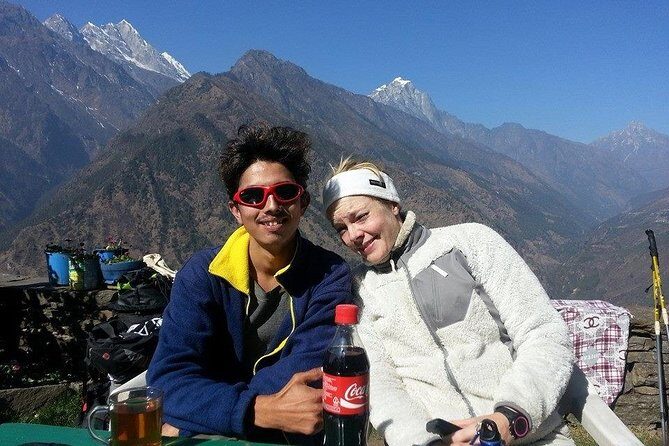
- Real trek support in a small group with a maximum of 15 travelers
- Jhinu hot spring plus a second chance to go in the morning before heading to Nayapul
- Sunrise at Annapurna Base Camp, then a structured descent back down
- Permits and ACAP visitor-area paperwork handled so you’re not scrambling
- Pokhara hotel time (3-star in Pokhara with free breakfast) to reset before and after the trek
- Mountain air with practical logistics: tourist buses between Kathmandu and Pokhara, then short local transport to the trail
Annapurna Base Camp on a budget: what you really get for your money
Let’s talk value first, because Annapurna can get expensive fast. At about $853.34 per person for an 8-day trip, this one is priced like a classic budget trek: you pay for the big moving parts (transport, permits, and people), while your daily trekking meals are on you.
What I like is that the tour covers the stuff that usually causes last-minute stress. You get the necessary paper works and conservation entry permits, a guide (with their salary, insurance, and support costs covered), and lodging in tea houses and lodges during the trek. In other words: you’re paying to keep the trip smooth, not to throw luxury at you.
You do still need to be the one who shows up ready to hike. The walking is spread over 8 days, with longer days around the base-camp push and the return down through bamboo and river valleys. If your fitness is only average, it’s not a deal-breaker, but it does mean you should go slow and steady and accept that altitude will cost you effort.
You can also read our reviews of more hiking tours in Kathmandu


Kathmandu to Pokhara by tourist bus: day one is about reset
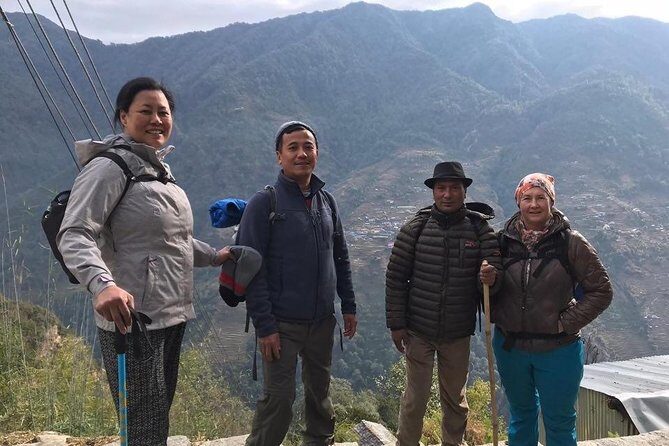
Your trip starts with pickup offered and a morning start time of 6:45 am. From Kathmandu, you take a tourist bus to Pokhara (about 210 km, typically 5–6 hours), then you get the evening to yourself.
I like this format because Pokhara at dusk is made for easing into the trip. You can stretch, grab dinner, and walk the lakeside area near Phewa Lake without rushing. Then you sleep in a 3-star hotel (Hotel Third Pole or similar), which matters more than people think. A decent night’s rest makes the trekking start feel more human.
Tip: keep expectations realistic on the bus ride. You’re not touring cities here—you’re getting to the trailhead region with time left to breathe.
Starting the trek: Siwai to Chhomrong and the view payoff
On day two, you shift from bus comfort to local transport. You take a sharing vehicle toward Siwai (around 3 hours), along a road often described as the snake line route via Naudanda, Nayapul, and Birethanti.
From Siwai, the first trekking section to Chhomrong is the kind of stretch you remember. It’s not just distance; it’s variety:
- you pass through small farm villages
- you cross a new long suspension bridge over Kimrong Khola
- you work your way uphill from Jhinu Danda areas toward Chhomrong
Chhomrong is also a major viewpoint. From there, you can often see major Annapurna angles, including Annapurna South, Fishtail, Hiunchuli, and Annapurna III. If you’ve come this far, this first big vista is what tells you the trek is building toward something real.
What to consider: day two sets the tone. Even if day one felt easy, day two includes uphill walking and altitude creep. If you start too fast, you’ll pay for it later.
Forest, river gorges, and tea-house rhythm: Sinuwa, Bamboo, and Dovan
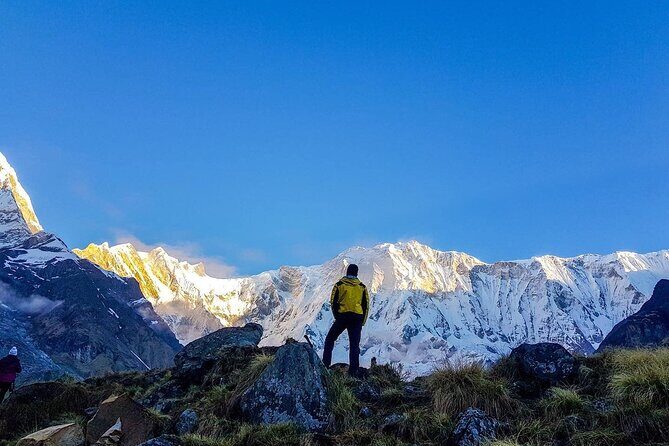
Day three keeps things scenic but changes the vibe from villages to the forest world. You start with a morning downhill walk toward the river and cross a short bridge to reach Sinuwa (2,330 m). This is a quiet stop with a few shops and nice lodges—exactly the kind of place where you can refuel and adjust your pace.
From Sinuwa, the trail goes into cooler forest sections of oak, rhododendron, and pine. Then you descend more steeply to Bamboo, a small settlement with only about 5–6 lodges surrounded by bamboo, set along the Modi River gorge. The river sound becomes part of your soundtrack. That matters on long days—it helps you stay calm and keep moving.
After Bamboo, you get a slow climb to Dovan, and then the trek rises through thick forest toward Himalaya Hotel beneath Huichuli peak. This section is often where people enjoy the trek most, because you’re not rushing for a single landmark—you’re living in the trail.
Possible drawback: forest days can feel damp and shaded, which is great in heat and less fun in cold rain. Pack for weather swings, not just altitude.
The big push: Hinko cave, Deurali, Machhapuchhre base camp, and then Annapurna Base Camp
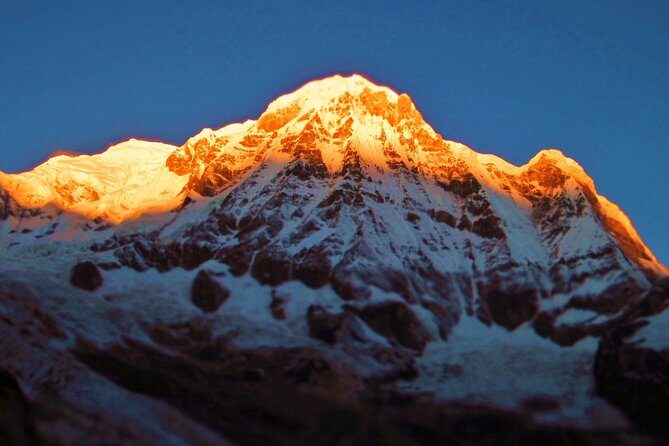
Day four is where the Annapurna Base Camp trek stops feeling like a hike and starts feeling like an adventure. You head steeply up to Hinko cave, then after a short descent you cross sections tied to older avalanche activity on rocky moraine, then you climb to Deurali.
Deurali marks a change: you leave a gorge area for a more open feel. That’s a pattern on this trek—your trail keeps shifting between tight valleys and wider stretches, which helps you mentally break up the effort.
From Deurali, you follow the glacial Modi River higher and higher while the tree line falls away. The route aims for Machhapuchhre base camp (about 3,700 m) under the north face of Fish Tail (Machhapuchhre). Even just reaching Machhapuchhre base camp helps you understand why this region is so iconic. The mountain shapes start getting huge.
You’ll have lunch at Machhapuchhre base camp, then continue into the Annapurna Sanctuary, where Annapurna Base Camp sits.
How to plan your energy: this day is structured, but it’s still demanding. If you try to “power” your way through, you’ll likely slow down from altitude. Better to keep steps short and steady and let the pacing do the work.






Sunrise at Annapurna Base Camp and the descent that feels like relief
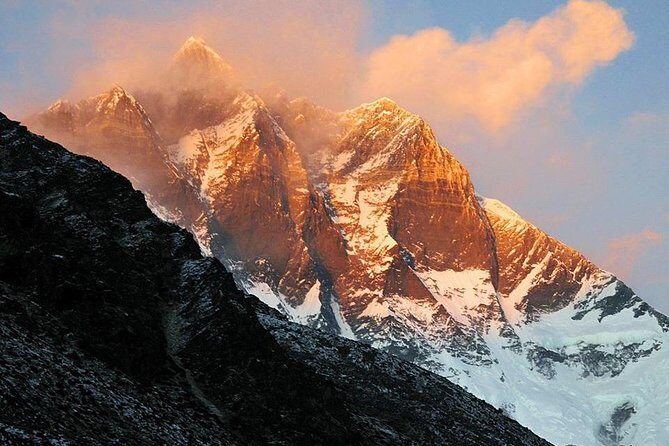
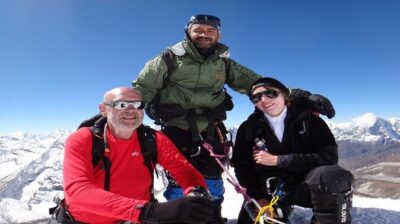
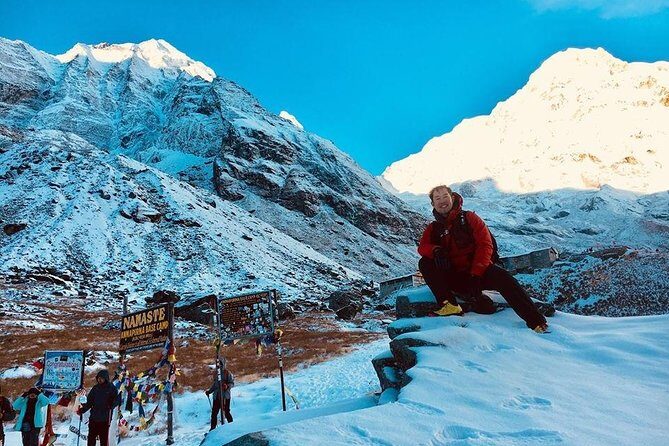
Day five starts with what many people come for: sunrise from Annapurna Base Camp. Early starts are tough, but sunrise is often the moment that turns effort into a memory. After breakfast, you begin the descent.
The route takes you down to Modi Khola at Bamboo, with an elevation drop of about 1,700 m. That’s a big mechanical change—your legs will feel it. The good news is that after being high, descending can feel surprisingly satisfying. It’s not always easy, but the air and views make it feel rewarding.
Bamboo on the return leg has a different feel than it did on the way up. You’re more aware of isolation, of tea houses spaced out against open mountain air. Crisp cold mornings and a sense of wide emptiness are part of the experience here.
Practical note: descending is where knees get cranky. Take your time on stone steps and watch your footing when the trail is uneven.
Jhinu Danda and the hot spring payoff after the Kuldhigar stop
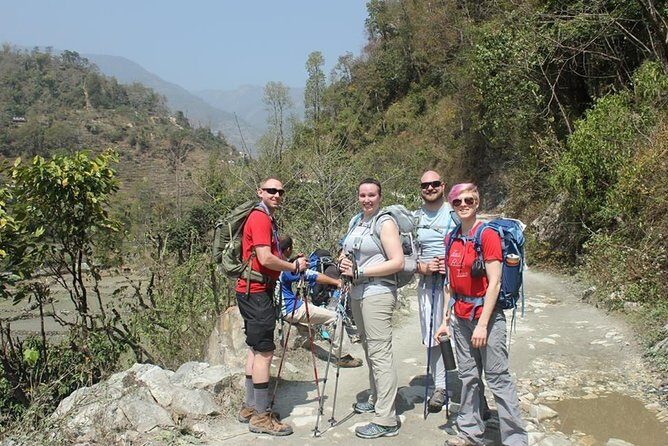
Day six is a smart mix of trail and recovery. You start from Bamboo by hiking up to Kuldhigar, where there’s an ACAP office and visitor center. That stop is more than a checkbox. It’s a reminder you’re in a conservation-managed trekking area, and it can be useful for orientation as you move back toward lower elevations.
From Kuldhigar, you hike down to a bridge across the Chhomrong River, passing through Sinuwa again. Then you cross into Gurung village of Chhomrong, where the culture and village energy return more clearly after the forest sections.
After Chhomrong, the day becomes steep descent toward Jhinu Danda. The reward is near: the Jhinu hot spring is about 15–20 minutes downhill from Jhinu Danda. This is one of the best things about the itinerary because it gives you an actual chance to loosen muscles rather than only drying out and calling it done.
If you’re the type who worries about overdoing it, this is the day to let the hot spring do some of the heavy lifting for recovery.
Pokhara return day: hot spring again, then Nayapul and back to the hotel
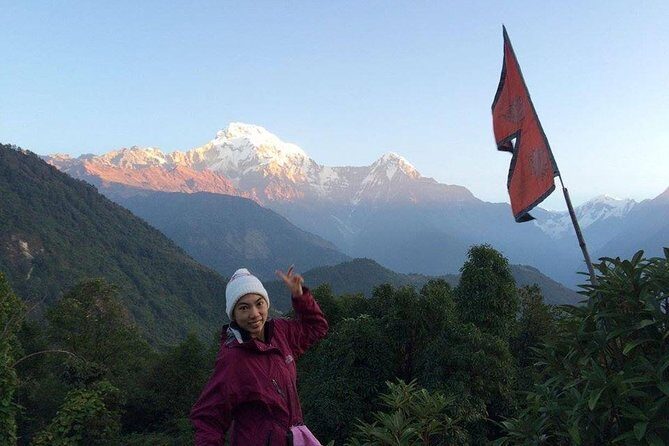
Day seven keeps things gentle compared to the base-camp push. You can go to the hot spring again in the morning, then trek down to Nayapul. After that, you drive back to Pokhara.
It’s a practical ending. The trek winds down, and you’re back in a place where you can eat normally and sleep in a real bed. You’ll spend the night at a Pokhara hotel (Hotel Third Pole or similar) again.
I like having this buffer day because it helps you avoid the classic problem of feeling wrecked on the ride back to Kathmandu. A rested body makes the final travel day easier.
Final transfer: drive back to Kathmandu and time to decompress
Day eight is the return. You take the tourist bus back to Kathmandu, about 6–7 hours.
This is the part where you’ll notice what your body learned on trek: stairs feel long, bending down feels slower, and even sitting in a seat can seem like effort. But it’s also the moment you realize you actually did the trip. The mountains are still in your head, even when you’re back in traffic.
If you have energy afterward, use it for a relaxed walk or a calm dinner. Don’t try to pack in more sightseeing like you’re a day-tripper. Save your brain power.
Price and logistics: what’s included, what you must plan, and how to budget meals
For $853.34, you’re paying for:
- round-trip ground transport between Kathmandu and Pokhara by tourist bus
- a guide (salary, food, drinks, accommodation, transportation, and insurance included)
- all necessary paper works and conservation entry permits
- Pokhara lodging (3-star hotel with free breakfast)
- lodges/tea houses for overnight trek stays
- breakfast (as part of the package)
What’s not included:
- your standard trekking-day meals (lunch and dinner, since breakfast is included)
- gratuities (not mandatory, but expected)
This is a fairly common setup for Annapurna treks, but budgeting matters. On tea-house days, prices can vary, and when you’re tired, your food choices become mostly about what’s warm and available. A simple planning approach: expect to spend extra most days for lunch and dinner, and keep a little cash ready for snacks and drinks along the way.
Group size is limited to 15 travelers, which usually helps keep the trek feeling organized without turning it into a crowded conveyor belt.
Who this trek fits best, and who should think twice
This is best for you if:
- you have moderate physical fitness
- you want a classic Annapurna Base Camp experience with practical structure
- you like the idea of lodge-based trekking rather than camping
- you care about being supported by an experienced, helpful guide (and the overall service quality highlighted by past trekkers)
You might think twice if:
- you’re hoping for fully included meals every day (they are not)
- you’re extremely sensitive to altitude and steep descents
- you hate early mornings (sunrise at base camp means you’ll start before most people wake up)
Also, this trip is clearly built for a small-group vibe. If you dislike sharing space with others, this limit is a plus.
Should you book this Annapurna Base Camp budget trek?
I’d say book it if you want an efficient, well-supported Annapurna Base Camp route that doesn’t pretend it’s easy. The biggest reasons to lean in are the mix of human support, included permits, lodge stays, and two high-impact recovery/joy moments: sunrise at Annapurna Base Camp and the Jhinu hot spring soak.
I’d hold off if your biggest priority is a luxury, fully catered experience. Your main extra cost will be trekking meals, and the trekking itself demands real effort. With that said, for the price range you’re paying, you’re getting the core elements that make the trip feel manageable and meaningful.
FAQ
How long is the Annapurna Base Camp trek in this package?
The trip runs for about 8 days.
What time does the tour start?
The start time is 6:45 am.
Where do you travel from and to?
You begin in Kathmandu and include transport to Pokhara, then trekking back to the Pokhara area, and finally a return drive to Kathmandu.
Is pickup offered?
Yes, pickup is offered.
What is included during the trek?
You get accommodations in lodges/tea houses during the trekking days, plus an experienced guide and the necessary paper works and conservation entry permits. Breakfast is included as well.
Are lunch and dinner included during the trekking days?
No. Your standard meals during the trekking (including lunch and dinner) are not included.
What is the group size?
The tour has a maximum of 15 travelers.
Can I cancel for a full refund?
Yes. Cancellation is free up to 24 hours in advance of the experience start time for a full refund.