REVIEW · KATHMANDU
Annapurna Sunrise Trek
Book on Viator →Operated by Himalayan Holyland Treks and Expedition · Bookable on Viator
Sunrise at Poon Hill is the main event. This 7-day Annapurna Sunrise Trek (aka Ghorepani Poon Hill Trek) strings together forest walking, village culture, and big Himalayan viewpoints, all with a clear plan and early starts that keep the trip moving. You’ll also get a guided taste of the Annapurna region’s top peaks in a time frame that feels doable for most moderate trekkers.
I especially like two things: the professional guide and the way the itinerary builds to the sunrise moment without leaving you guessing. I also appreciate the added comfort value here, including an airport pickup/drop in a private vehicle, Pokhara lodging (B/B), and a porter setup that helps carry your baggage (2 trekkers per porter).
One consideration: this is an early-morning, on-the-trail style trip, with a listed 5:15 am start time and a real pre-dawn hike for Poon Hill. If you hate cold starts or you’re not used to steep ups and downs, plan extra recovery time in your schedule.
In This Review
- Key Highlights You’ll Feel on This Trek
- Why Poon Hill Sunrise Packs Big Views Into a Short Trek
- What You Do on Day 1 in Kathmandu (Beyond Just Landing)
- The 7-Hour Tourist Bus to Pokhara and a Real Lake Break
- Ulleri to Ghorepani: Forest Walking, River Crossings, and Big-Peak Days
- Poon Hill Before Dawn: The Moment You Booked For
- Tadapani to Ghandruk: Waterfalls, Monkeys, and Gurung Life
- Back to Kathmandu: A Farewell Dinner and Quick Big-City Icons
- Price and Logistics: What $769.24 Buys You Here
- The Real Difference: Guide Quality (Including Bijay)
- Who This Annapurna Sunrise Trek Fits Best
- Should You Book the Annapurna Sunrise Trek?
- FAQ
- What time does the experience start?
- How long is the Annapurna Sunrise Trek?
- What trekking documents are included?
- What’s included in meals during the trek?
- Is accommodation included in Kathmandu?
- Can I cancel for a full refund?
Key Highlights You’ll Feel on This Trek
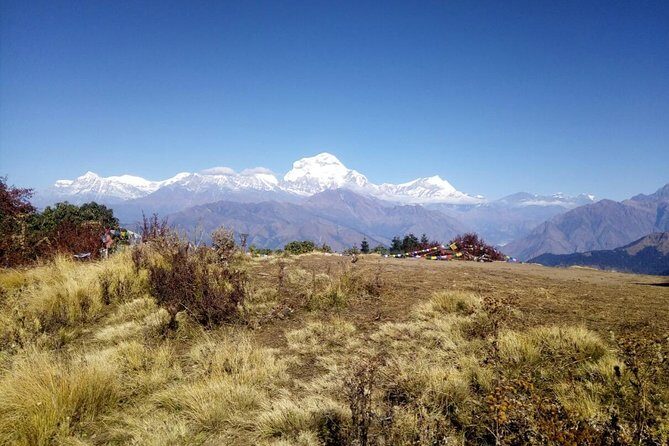
- Poon Hill sunrise timing: You hike up before dawn to catch the light over the Annapurna and Dhaulagiri region peaks.
- A guide who keeps you on track: The reviews praise caring, professional guidance, including help with trip planning and communication from Bijay.
- Forest-to-viewpoint rhythm: Daily walks move from cultivated trails and rivers to open viewpoint zones.
- Porter support for baggage: A porter carries your baggage, keeping you focused on your footing.
- Ghandruk culture stop: You’ll have time to explore a Gurung village atmosphere, including museums and monasteries.
- Pokhara downtime that isn’t just waiting: Phewa Lake boating is built in, so you get a real break between trekking days.
Why Poon Hill Sunrise Packs Big Views Into a Short Trek
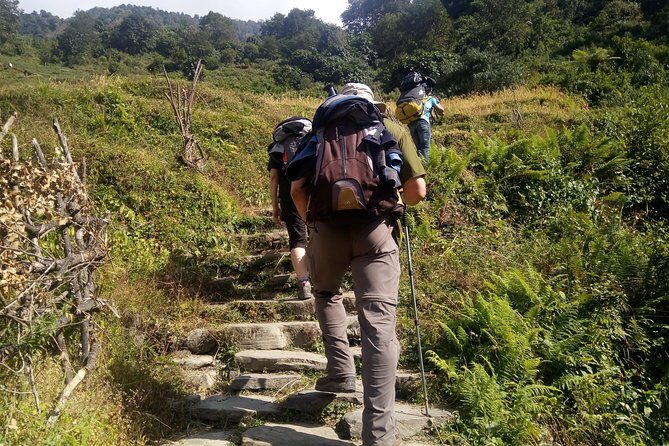
If you want the Annapurna region without signing up for a long multi-week trek, this is a smart match. The whole point of the Annapurna Sunrise Trek is compression: you get forest walking, a classic village feel, and then you cash in on one of the most famous sunrise viewpoints in Nepal.
The value here comes from pacing. You’re not trekking in one huge push with a surprise itinerary. Instead, each day earns the next one: you climb into higher villages, you reach the main viewpoint area, then you descend through another village network. Even better, the views you’re chasing are the famous ones. On the higher-day stretches around Ghorepani and the morning climb to Poon Hill, the plan calls out a long list of peaks, including Annapurna I, Annapurna South, Dhaulagiri, Machhapuchhre (Fishtail), Nilgiri, Himchuli, and Tarke Kang.
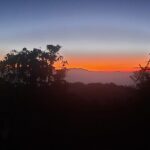
And yes, the sunrise itself is the star. The pre-dawn push is short enough to feel manageable, but early enough to be worth it. You’ll be walking in the dark with headlamp energy (or at least cold-weather focus), aiming for that first band of light across the Himalayan wall.
You can also read our reviews of more hiking tours in Kathmandu


What You Do on Day 1 in Kathmandu (Beyond Just Landing)
Day 1 is designed to get you oriented fast, with no wasted time. You land into Kathmandu (or another agreed location), then you’re picked up and transferred to your hotel by the tour team. After you eat and reset, the program takes you to Swayambhunath Chaitya near Thamel.
Why this matters: it’s not just a sightseeing add-on. It helps you start the trip with altitude awareness and city context. Thamel is where trekking culture lives day-to-day, and a short walk there makes the coming days feel more real. You’ll also get a brief explanation of the trekking program while you’re out roaming the glowing streets of Thamel.
If you like trips where logistics feel handled and you can focus on the experience, this setup is helpful. It also gives you time to ask practical questions—what to pack, how cold it’ll feel, and how the walking days tend to break down.
The 7-Hour Tourist Bus to Pokhara and a Real Lake Break
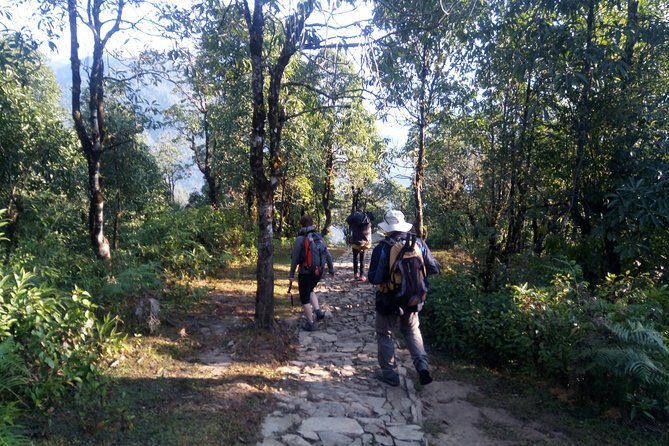
Getting from Kathmandu to Pokhara by tourist bus is long, but the route is part of the experience. The drive is about 7 hours, and it’s scheduled after an early breakfast. Along the way, you’ll pass terraced fields, dense forest, rocky gorges, and different ethnic communities—so you don’t feel like you’re just trapped in a seat.
Once you arrive, you’re not stuck waiting for the next day. The plan includes leisure time and boating on Phewa Lake, with the possibility of seeing mountain reflections (Machhapuchhre and the Annapurna range) when conditions are clear.
This day is a good “gear reset.” Your legs are fresh enough to enjoy the scenery, but you’ve also got time to plan for tomorrow’s start. Pokhara also tends to reduce the stress factor. Even if you’re excited, it’s smart to have at least one calm evening before the first trekking climb begins.
Ulleri to Ghorepani: Forest Walking, River Crossings, and Big-Peak Days
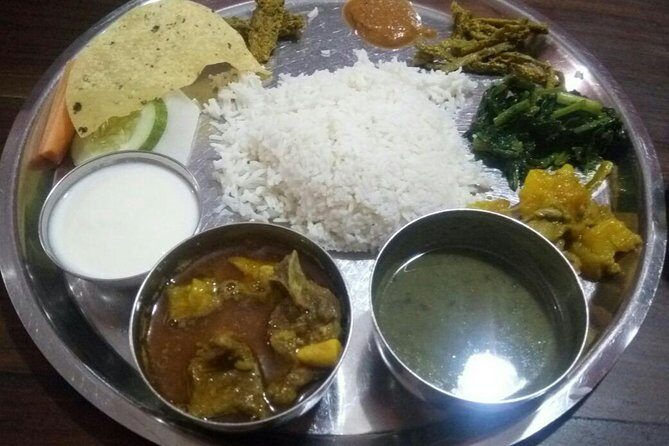
On Day 3, you drive from Pokhara to Nayapul and then start the trek. The drive is about 1.5 hours over roughly 42 km, and it puts you at Nayapul (around 1060 meters). Then the walking begins toward Ulleri, climbing to 1960 meters.
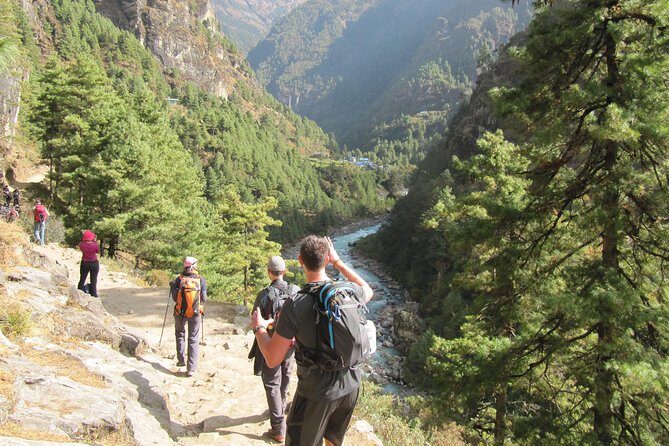
This day is long—about 6 hours of journey—but it’s not random. You’ll walk through lush forest and pass perennial rivers, including a suspension bridge over Tikhedhunga Khola. Those river and crossing moments are why this section feels “alive,” not like a straight line hike.
The route includes lunch at Ramghai, and then you work your way up toward Ulleri. You’ll likely feel this as a steady climb day. It’s a good introduction to the Annapurna walking style: steps, short breathers, and scenery that keeps switching as you gain elevation.
Day 4 is your climb into Ghorepani. Ulleri to Ghorepani takes about 5.5 hours, and it includes a lot of uphill movement. The program highlights views of Machhapuchhre and other surrounding green hills, with stops along the way like Banthanti. You’ll also cross two rivulets and reach a lunch point at Nangethanti before continuing for about another 1.5 hours to Ghorepani Village (around 2800 meters).
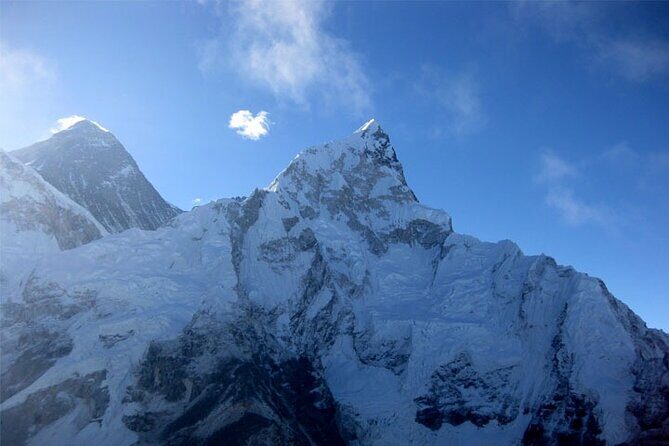
Once you reach Ghorepani, the trip pays you back with a concentrated view day. The plan lists impressive peaks visible from the area, including Dhaulagiri (8167 m), Annapurna I (8091 m), Annapurna South (7219 m), Tarke Kang (7193 m), Nilgiri (6940 m), and Hiuchuli (6441 m).
That’s an important detail: you’re not only hiking to a viewpoint on the last day. You’re also hiking through a region where the scenery keeps showing up.
Where this day can be tough: it’s your first real taste of elevation-driven fatigue. If you’re the type who feels pressure to keep moving at the same pace as others, slow down early. You’ll enjoy the views more if you don’t treat this like a race.
Poon Hill Before Dawn: The Moment You Booked For
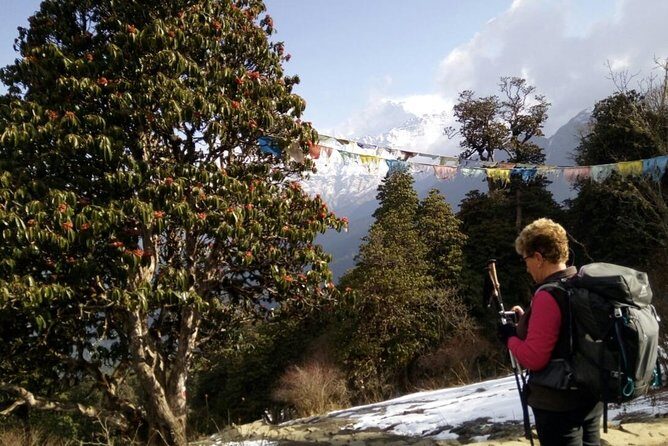
Day 5 is the sunrise day, and the timing is the whole game. You’ll wake early and hike up to Poon Hill (around 3210 meters) before dawn, then take in the sunrise panorama before hiking down to Tadapani for the night.
The itinerary sets this day for about 6.5 hours total, including the pre-sunrise hike and the descent. You’ll hike down after breakfast and continue along naturally rich trails to Tadapani.
The view list is specific, which I love. It’s not vague marketing. You’re aiming for sunrise over peaks like Dhaulagiri, Annapurna I, Annapurna South, Fishtail (Machhapuchhre), Himchuli, and Thapa Peak, plus additional neighboring peaks. When sunrise hits, the peaks aren’t just in the background—they’re the point.
How it feels in practice: you’ll likely start in cold air and dim light, then the world gradually turns from outline to detail. If you’ve ever wanted that classic “first light on snow” feeling, this is one of the best ways to get it without committing to weeks of altitude travel.
A small practical note: because this is pre-dawn trekking, plan to protect your phone battery and have a warm layer ready. The tour does list some personal expenses as not included (like battery charging), so bring a realistic mindset about charging and cold.
A few more Kathmandu tours and experiences worth a look


Tadapani to Ghandruk: Waterfalls, Monkeys, and Gurung Life
Day 6 turns the volume down on uphill climbing and shifts the focus to villages and culture. The schedule is Tadapani to Ghandruk to Nayapul, then a 1.5-hour drive back to Pokhara. The hiking portion is about 5.5 hours.
This day includes movement through a more varied scenery set: the plan calls out monkeys, rivers, and waterfalls along the trail. That matters because it changes your rhythm. It’s no longer only “climb and breathe”—you’ll get sections that feel more like a walk through living countryside.
Breakfast is planned at Bhaisi Kharka, which is the kind of small detail that helps the day feel organized. Then you’ll reach Ghandruk, described as feeling like a traditional Gurung village with terrace-style settings.
You won’t just pass through. You’ll explore the village, including Gurung museums and monasteries. This is one of the best parts of the Annapurna Sunrise Trek if you care about seeing how people actually live in the mountains—not just looking at the view and moving on.
Finally, you trek down to Nayapul for the last meal of the day and then drive back to Pokhara. The combination of a lodge sleep already comes with a big reward, but Pokhara adds a different kind of comfort: a smoother evening, a quieter mind, and a chance to reflect on the sunrise you just earned.
Back to Kathmandu: A Farewell Dinner and Quick Big-City Icons
On Day 7, you head back to Kathmandu from Pokhara by tourist bus, about 7 hours. It’s a long ride, but you’re already done with trekking by then, so it feels more like travel time than an effort.
Before the drive, you’ll wrap up in Pokhara with a chance to explore. The plan specifically suggests Pashupatinath Temple and Durbar Square as UNESCO-world-heritage options, depending on your timing and energy.
The day ends with a farewell dinner at a Nepali restaurant, which is a nice touch after a trek that starts early and keeps you moving daily. You’ll then be escorted to your hotel for the overnight stay.
If you enjoy closing a trip with a meal that feels like a ritual, this is a good way to land back into the city. It also makes the trip feel complete—not just a transport chain.
Price and Logistics: What $769.24 Buys You Here
At $769.24 per person, the big question is whether you’re paying for real value or just the name. In this case, the price looks defensible because it includes a lot of the things that normally add up on trekking trips.
Here’s what you do get in the package:
- Airport pickup and drop by private vehicle
- Hotel accommodation in Pokhara on a bed-and-breakfast basis
- All transportation for the route (Kathmandu to Pokhara and back, plus local drives)
- Professional guide for the trek
- Porters for baggage (with a noted ratio of 2 trekkers to 1 porter)
- TIMS and ACAP permit handling (the documents you’ll need in the Annapurna region)
- Meals on trek (three times a day: breakfast, lunch, dinner)
- Insurance for guide and porters, plus government and local taxes
- A mobile ticket and confirmation at booking time
Now compare that to what’s not included:
- Nepal visa and your flights to and from Kathmandu
- Food and accommodation in Kathmandu beyond what’s built into the plan
- Some personal trekking costs like hot showers and battery charging
- Tips for guide and porter
The math becomes clearer if you think like a trek planner. Getting permits and having a guide plus porter support takes coordination pressure off you. Also, three meals per trekking day reduces the amount of decision-making you need to do on the trail.
So is it “cheap”? No. But it’s not priced like a luxury retreat either. It feels aimed at people who want authentic trek time with responsible logistics and less burden on their shoulders.
The Real Difference: Guide Quality (Including Bijay)
The strongest theme from the reviews is guidance that feels genuinely human. One reviewer credits their guide Bijay for making prep smooth and for being easy to communicate with about what they wanted and how to pace the trip.
Another review notes professional guiding, with the guide being friendly and super knowledgeable, plus a team that handles things with careful attention. I don’t treat “professional” as a buzzword. I treat it as: you get someone who knows how to keep the schedule intact, manage practical issues, and explain what you’re seeing without turning it into a lecture.
In a trek like this—early starts, changing trails, viewpoint timing—a good guide is not optional. It’s what turns the sunrise into a planned reward instead of a stressful scramble.
If you want to feel confident that you’re walking the right route at the right time, this is one of the best reasons to consider this operator.
Who This Annapurna Sunrise Trek Fits Best
This trek fits best if you:
- Have moderate physical fitness
- Want a short trek with a clear daily plan
- Prefer guided logistics over trying to self-organize everything
- Enjoy village walking and culture stops, not only big scenery
It’s also a good fit for first-timers, because the walking days are long enough to be real, but the overall trip length is controlled. Ghorepani, Poon Hill, and Ghandruk create variety across days, so you don’t feel stuck in only one type of terrain.
Who should think twice:
- If you struggle with early mornings and pre-dawn starts
- If you dislike long travel days (there’s a 7-hour bus day both ways)
- If you’re not comfortable with steady uphill/downhill walking over multiple days
Also, since this is a private tour/activity, you’ll be trekking with only your group. That’s a plus if you don’t want crowds, but it also means your group’s comfort pace matters. You’ll want to pick a group size that matches your walking style.
Should You Book the Annapurna Sunrise Trek?
I’d book this if your top goal is classic Annapurna views with the Poon Hill sunrise payoff and you want a structured, guided experience that handles permits, transport, meals, and porter support. The itinerary is built to keep you moving while still giving you downtime in Pokhara, plus a culture-focused village day in Ghandruk.
Hold off if you’re very sensitive to cold mornings, or if you’re the kind of traveler who needs a relaxed schedule with minimal early starts. This trek is short, but it’s not lazy.
If you book, pack for early trekking: warm layers, good footwear, and a realistic plan for charging and hot showers. You’ll enjoy the sunrise more when you’re comfortable enough to focus on it, not on your gear.
FAQ
What time does the experience start?
The tour lists a start time of 5:15 am, so plan to be ready early, especially with the pre-dawn timing built around the Poon Hill sunrise day.
How long is the Annapurna Sunrise Trek?
The duration is listed as 7 days (approx.) with a day-by-day schedule that includes trekking days plus travel days between Kathmandu, Pokhara, and the trail route.
What trekking documents are included?
The package includes the ACAP Permit and TIMS card as part of the necessary documents.
What’s included in meals during the trek?
During the trekking portion, you get three meals a day (breakfast, lunch, dinner) included.
Is accommodation included in Kathmandu?
The plan includes hotel accommodation in Pokhara (bed-and-breakfast basis). It does not include food and accommodation on Kathmandu, other than what’s outlined for transfer to your booked hotel on Day 1 and Day 7.
Can I cancel for a full refund?
Yes. The policy states free cancellation with a full refund if you cancel at least 24 hours in advance of the experience’s start time.