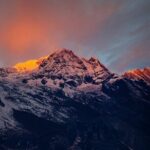
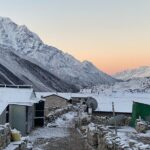
Some mornings change your outlook. This Everest Base Camp trek mixes classic Khumbu scenery with smart pacing and a big Kalapathar payoff. I like that you get the administrative lift—permits, paperwork, guide, and porters—so you can focus on altitude and enjoying Sagarmatha National Park. I also like the small-group feel (up to 15) and the way the schedule helps you settle in on the way up. One thing to consider: this is a serious high-altitude trek, and the Lukla flight portion depends heavily on weather.
You’ll start in Kathmandu with a guided orientation and heritage walks, then head to the Khumbu for forest, Sherpa villages, glaciers, and viewpoints that steadily get bigger. The highlight is the early-morning climb to Kalapathar (5550m) for sharp views of Everest (8848m) and more, with the Everest Base Camp day right after. If you’re not ready for cold, thin air, and strenuous uphill segments, this route can feel demanding fast.
In This Review
- Key highlights worth knowing
- Kathmandu first: Thamel setup and heritage time
- The value of pre-trek logistics: permits, flights, and the guide machine
- Lukla flight: why the first big change happens fast
- River valleys and suspension bridges: first taste of Khumbu rhythm
- Namche and acclimatization: the Sherpa village advantage
- Tengboche and monastery pauses: where photos meet meaning
- Dingboche and beyond: Imja River crossing and glacier moraine walking
- Kala Patthar morning: the 5550m moment that defines the trek
- Everest Base Camp day: early approach and the return to Pheriche
- The descent back: forests, villages, and Namche’s homecoming feel
- Getting back to Kathmandu and that farewell dinner
- Price and value: what $1,000 covers and where you should budget extra
- Who this trek fits best
- Should you book Everest Base Camp with this operator?
- FAQ
- Is airport pickup and drop included?
- Are domestic flights to Lukla included?
- What kind of accommodation do I get during the trek?
- Do I get an English-speaking guide?
- Is there porter support?
- Are permits included?
- How many meals are included?
- What is the maximum group size?
- Do I need to pay for Kathmandu sightseeing entrance fees?
Key highlights worth knowing
- Kalapathar at 5550m early morning for standout Everest views
- Everest Base Camp approach starting early through glacier moraine
- Government-licensed, English-speaking guide plus porter support (1 porter for 2 trekkers)
- Tea-house stays in private rooms during the trek
- Permits and Sagarmatha paperwork handled for you (Sagarmatha National Park permit and other required permits)
- Small group size (max 15) with a guide who can keep plans clear
Kathmandu first: Thamel setup and heritage time
Most Everest Base Camp trekkers rush straight to the mountains. Here, you get a calmer start in Kathmandu before the trek stress kicks in. You’ll arrive with pickup to your hotel near Thamel, then meet your team for a briefing and a dinner so your questions don’t build up.
In the evening, you’ll also do a gentle orientation walk with your guide through Kathmandu’s heritage areas. This matters more than it sounds. After a long travel day, getting your bearings and learning the basic flow for the trip helps you feel confident before you ever reach Lukla.
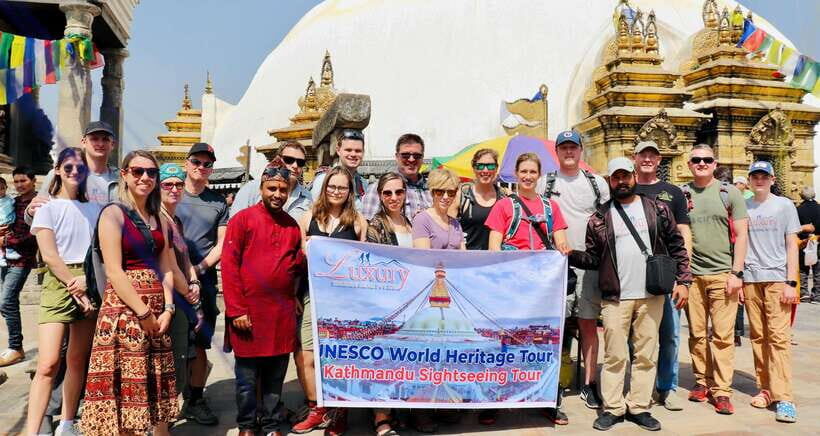
Daytime sightseeing in Kathmandu includes key spiritual sites such as Kathmandu Durbar Square, Pashupatinath, and Boudhanath Stupa, plus a stroll around the Monkey Temple area. The only catch: entrance fees for sightseeing points in Kathmandu are not included, so you’ll want some cash on hand.
You can also read our reviews of more hiking tours in Kathmandu


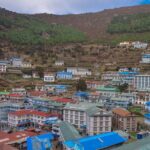
The value of pre-trek logistics: permits, flights, and the guide machine
This tour is built around the idea that you shouldn’t need to chase paperwork while you’re excited and stressed. The package includes the necessary permits, paperwork, and all government/local taxes. It also includes domestic flights Kathmandu to Lukla and back, which is usually the biggest time-saver on an Everest trek.
Your support team includes an English-speaking, government-licensed trekking guide and a porter for every two trekkers. That porter detail is huge. Your main goal is to move well at altitude, not to carry everything in cold, rocky sections.
Small-group handling also helps. With a maximum of 15 travelers, it’s easier for the guide to keep you oriented and adjust pacing when the mountains demand it. If you’ve ever been stuck in a big herd on a narrow trail, you’ll appreciate this.
One more practical note: the tour includes a “mobile ticket” and private airport transfers in Kathmandu. That reduces the little friction moments that can snowball when you’re juggling flights, gear, and meeting points.
Lukla flight: why the first big change happens fast
From Kathmandu, you’ll fly early to Lukla. This is a short flight, but it’s a major shift: clouds, changing terrain, and the Himalaya coming into view quickly reset your brain. You’ll get chances to see the Himalaya range on the flight, which is one of those “wait, that’s really there” moments.
After landing, you start descending trek toward Cheplung. You’ll also pass through Phakding for the first overnight. This early movement is a useful warm-up. It’s not the toughest day of the trip, but it gets your legs and rhythm going.
A good thing here is that you’ll likely see early mountain impressions, including Khumbila. You don’t need a lot of effort to notice that you’re entering real Khumbu country.
River valleys and suspension bridges: first taste of Khumbu rhythm
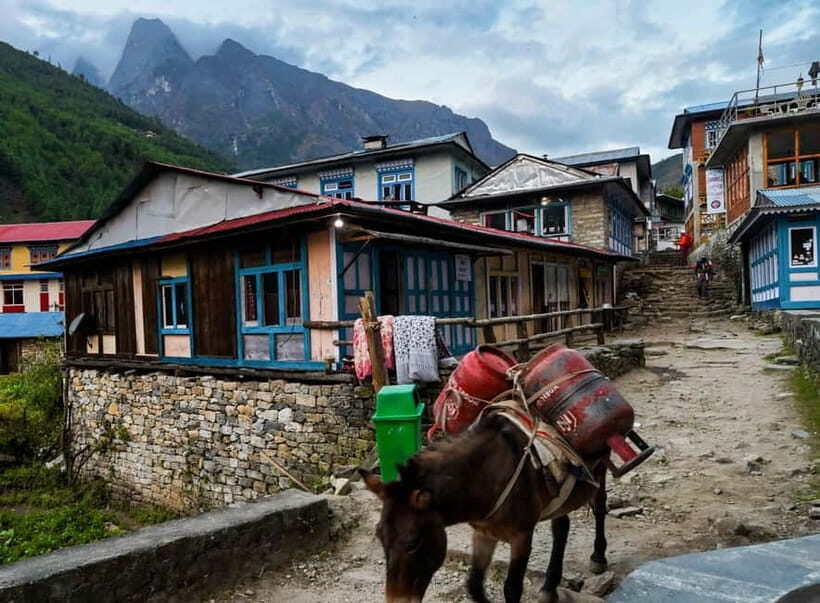
Your trek continues along the Dudhkoshi and Bhotekoshi river corridors, with suspension bridges that keep the trail feeling alive. These bridges break up monotony and remind you the path is carved through real geography, not tourist routes.
You’ll pass through pine forest and head toward Namche Bazaar for overnight. This approach is valuable because it keeps you close to the “working” landscapes of the Khumbu rather than only the final viewpoint zones.
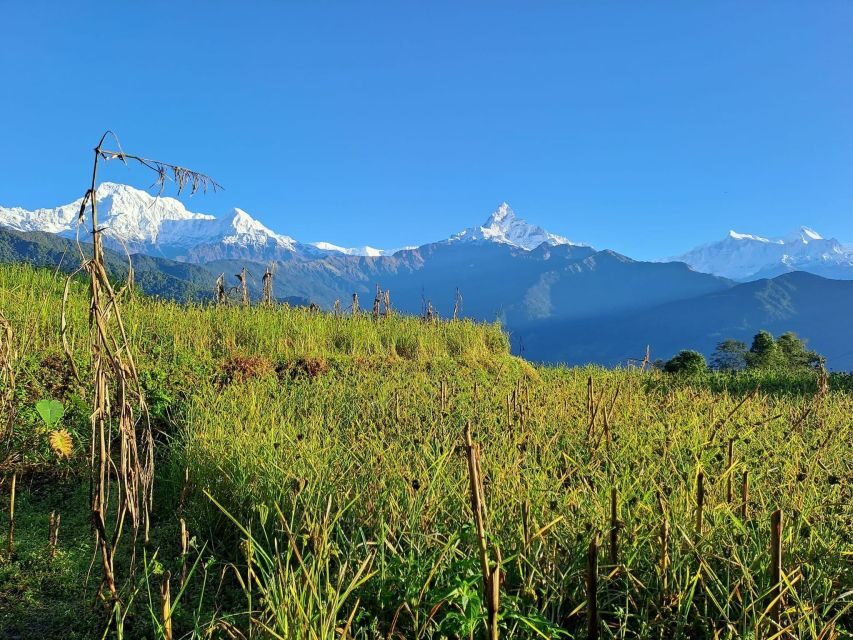
If you’re lucky, you’ll catch early glimpses of towering peaks such as Everest and Lhotse while trekking uphill toward Namche. Even a partial view in these valleys can help your motivation—because once you’re in the higher villages, the mountains get more intense fast.
Namche and acclimatization: the Sherpa village advantage
Your acclimatization day is built around being in Sherpa villages with enough time to explore without rushing. You’ll walk around the settlement with big mountain views overhead, with chances to see Everest, Lhotse, Nuptse, Ama Dablam, plus other peaks listed in the plan like Kongde and Thamserku.
This is the day you learn the pace that keeps altitude from taking over your plans. Instead of sprinting to the next lodge, you slow down, eat well (tea houses make this easy), and use the views as a distraction while your body adjusts.
The benefit is practical: Namche isn’t just pretty. It’s where you start to understand how people live and trek at altitude. That context makes the later stretches feel less like an abstract challenge and more like a route you can handle.




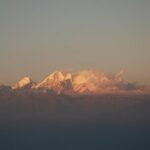

Tengboche and monastery pauses: where photos meet meaning
From Namche, you go through rhododendron and climb into Tengboche. Expect a day that includes Dudh Koshi descent segments and then the uphill push to the monastery area. You’ll visit the Tengboche monastery, which is one of the most memorable stops for many people on the route.
In terms of what you’ll see, this is a strong day for classic peak photography—Everest and Ama Dablam are highlighted in the plan. Even if you don’t get perfect weather, the monastery setting makes the stop feel grounded.
A small warning for realism: cold can hit early, and monastery areas can mean wind. Dress in layers, and don’t rely on the idea that it will warm up later. You’ll be moving, but you’ll also pause.
Dingboche and beyond: Imja River crossing and glacier moraine walking
As you move toward Pangboche and then overnight at Dingboche, you’ll pass through Birch, Pine, and Rhododendron zones and cross the Imja River. This is where the trail starts feeling more exposed, and where the mountains start to look less like a horizon and more like a presence.
The next step pushes you through a steep ascending segment toward Dughla and Chupki Lhara, alongside Khumbu Glacier moraine. Moraine walking can feel uneven and gritty. It’s not only about stamina—it’s about footing and steady effort.
You’ll stay overnight in Lobuche area (the plan places you in louche), surrounded by bold high-country terrain. This stretch matters because it prepares you for the next big climb days, when the air gets thinner and the views become more dramatic but harder to chase.
Kala Patthar morning: the 5550m moment that defines the trek
This is the day many people talk about later. You’ll go to Gorakshep, drop your bags, and then hike up to Kala Patthar. The plan calls out the air as thin and the trekking as strenuous, which is exactly what you should expect.
Why it’s worth it: Kala Patthar is positioned for a close, striking view of Everest with an outlook that makes the mountain feel almost directly in front of you. The plan even frames this as the moment that gives you “epic photographs” and a lifelong memory.
Here’s the practical angle: start early, pace yourself, and don’t spend energy sprinting for the perfect angle. You’ll get better results by moving steadily and keeping your breathing under control. If you’re prone to rushing when excited, this is the day to slow down on purpose.
One more tip: you’ll feel the cold more than you think once you stop moving. Keep gloves and a hat ready in a place you can access without unpacking everything.
Everest Base Camp day: early approach and the return to Pheriche
After a quick transition, you’ll head out early for Everest Base Camp through glacier moraine. This is described as the start point for climbing Everest, and the surrounding terrain gives that idea weight. After spending some time at base camp, you trek back toward Gorakshep, then continue on to Pheriche for dinner.
The key point for you: this day is both a milestone and a physical workload. You’re not just taking in a sight—you’re doing uphill and downhill segments while your body remains acclimatized but still working.
When you reach Pheriche, the plan calls out a warm, heavy dinner. That’s a real piece of trip value. Food and rest matter more at this stage than you’d think when you’re still riding high on excitement.
The descent back: forests, villages, and Namche’s homecoming feel
On your way down, you’ll pass through Dingboche and Tengboche again, then cross back toward Namche Bazaar. The plan highlights dancing birds and butterflies during this phase, which is a nice reminder: altitude doesn’t mean you only see rocks and wind.
The route continues through Dudh Koshi crossings and other river sections as you descend, with the trail becoming easier compared to the highest stretches. You’ll spend the night back in Namche Bazaar, which makes the whole trip feel real in a different way. This is when you notice how your pace has changed and how your body now moves with more confidence.
Finally, you descend toward the river route and head back to Lukla for overnight. This is the last “mountain day rhythm” before the flight back to Kathmandu. It also helps you mentally transition from trekking mode into recovery mode.
Getting back to Kathmandu and that farewell dinner
You’ll fly early back to Kathmandu and then drive to your hotel. The plan gives you time to relax or stroll in the city, plus a farewell dinner with the company.
This is where the trek wraps emotionally. You’ve been focused on checkpoints and elevation for days. In Kathmandu, the sights feel loud and easy again, and you can finally breathe without looking at the sky like it’s a ceiling.
Also remember what’s included versus not. If you want extra comfort like hot showers, you’ll need to plan for it because hot shower costs are not included. Same with bottled water and charging devices.
Price and value: what $1,000 covers and where you should budget extra
At $1,000 per person for a 13-day Everest Base Camp trek, the value comes from what’s baked into the package. You get Kathmandu↔Lukla flights, tea house accommodations in private rooms, an experienced English-speaking guide, a porter (1 per 2 trekkers), and handled permits/paperwork plus taxes.
That’s the core. It removes the biggest unknowns that can balloon costs on a DIY plan.
What’s not included is where you should expect to spend. The tour states that:
- Personal expenses like phone calls, bar bills, battery charging, and bottled water aren’t included
- WiFi isn’t included
- Hot shower isn’t included
- Trekking meals (besides breakfast) aren’t included, and city meals aren’t included either
- Travel and rescue insurance isn’t included
- Tips for staff and drivers aren’t included
- Personal trekking equipment isn’t included
So here’s the balanced way to judge it: if you already have gear and you budget daily meals and minor charging costs, this package looks efficient. If you need to rent gear, buy lots of extra supplies, and you prefer full-service comfort, your real all-in cost will rise.
Also, don’t treat the price as a substitute for insurance. At altitude and in remote terrain, it’s worth paying for coverage that actually fits the activity.
Who this trek fits best
This Everest Base Camp experience works best if you:
- Have strong physical fitness and can handle strenuous days at high altitude
- Want a structured plan with a licensed guide and porter support
- Like the classic Khumbu route with Sherpa villages, monastery stops, and glacier moraine walking
- Prefer private tea-house rooms over dorm-style lodging
It might not be the right match if you:
- Get motion-sickness or panic about cold and thin air
- Expect every day to feel easy and scenic without effort
- Want full meal plans and comfort items included in the price
Small-group size helps, but it’s still a real trek, not a casual nature walk.
Should you book Everest Base Camp with this operator?
If you’re aiming for a well-run Everest Base Camp trek with the hard parts handled—permits, guide, porter support, and Lukla flights—this sounds like a solid choice. The early Kalapathar focus and the classic progression through Namche, Tengboche, Dingboche, Lobuche, Gorakshep, and Everest Base Camp make the trek feel purposeful, not random.
I’d say book if you’re ready to train and commit to the altitude work, and if you can budget for meals, water, charging, and a few comforts along the way. If you want a fully catered package with everything included and zero effort on acclimatization days, look elsewhere.
FAQ
Is airport pickup and drop included?
Yes. You’ll get airport pickup and drop in a comfortable private vehicle in Kathmandu.
Are domestic flights to Lukla included?
Yes. Domestic flights from Kathmandu to Lukla and from Lukla to Kathmandu are included.
What kind of accommodation do I get during the trek?
You’ll stay in tea houses with private rooms during the trek.
Do I get an English-speaking guide?
Yes. The trek includes one English-speaking, highly experienced trekking guide with a government license.
Is there porter support?
Yes. The package includes one porter for every two trekkers.
Are permits included?
Yes. The price includes all necessary paperwork, the Sagarmatha National Park permit, and other required permits.
How many meals are included?
Breakfast is included (2 breakfasts). Other meals during the trek and all meals in the city are not included.
What is the maximum group size?
The tour has a maximum of 15 travelers.
Do I need to pay for Kathmandu sightseeing entrance fees?
Yes. Entrance fees in Kathmandu sightseeing points are not included.