REVIEW · KATHMANDU
Everest Base Camp Trek
Book on Viator →Operated by Welcome Nepal Treks P.ltd · Bookable on Viator
Everest Base Camp is a dream with a pulse. This trek pairs Sherpa culture stops with big, high-altitude milestones like Namche, Tengboche, and Kala Patthar. You’ll also get a real support setup: private transfers, a guide, and a porter system designed for smart pacing.
I especially like how the route is structured around acclimatization, not just checklists. The plan builds in rest days at Namche and Dingboche, then pushes higher toward Lobuche and Everest Base Camp. And from the feedback, guides like Pradip (Master Zi / Big Z) bring the trail to life by explaining the mountains and spotting wildlife along the way.
One drawback to plan for: Lukla flights are weather-dependent. If the flight in or out gets delayed or canceled, you may need rescheduling, and a helicopter option can be costly, so travel insurance that covers flight cancellation is a smart move.
In This Review
- Key things you’ll notice on this Everest Base Camp trek
- Kathmandu first: comfort, orientation, and an early start mindset
- The Lukla leap: Kathmandu to Phakding, then walk into Khumbu life
- Namche Bazaar acclimatization: where altitude lessons become real
- Tengboche and Dingboche: monasteries, breathing, and steadier steps
- Lobuche to Gorakshep: the hardest stretch feels rewarding for a reason
- Kala Patthar: the view that forces you to slow down
- Back to Namche and Lukla: finishing smart, not fast
- Guide and porter support: what safety looks like in real life
- Price and value: why $1,500 can be more than it seems
- What to pack for the Everest Base Camp route (and what not to overpack)
- Meals, water, and staying comfortable in basic Himalayan lodges
- Should you book this Everest Base Camp trek?
- FAQ
- What does the package price include?
- Are meals included on the trek?
- What about flights to Lukla and delays?
- If the Lukla flight is canceled, is a helicopter an option?
- What luggage should I carry during the trek?
- Is there single supplement accommodation?
- Can I cancel for a full refund?
Key things you’ll notice on this Everest Base Camp trek
- Pradip-style guiding: strong trail navigation plus mountain explanations and wildlife spotting that makes the long days feel purposeful
- Acclimatization built into the schedule: Namche and Dingboche rest days help your body handle altitude better
- Comfort in Kathmandu: two nights in standard 3-star style hotels before and after the trek
- Porter support (1 porter for 2 people): you’ll carry a day pack while the porter handles the bulk of your main luggage
- Lukla transport is the rhythm-maker: private flight logistics can shape the first and last days
Kathmandu first: comfort, orientation, and an early start mindset
Day 1 lands you in Kathmandu after the flight into Tribhuvan International Airport. A representative greets you for a meeting and transfer, then you head to your hotel. This matters more than it sounds. Kathmandu can feel chaotic if you’re jet-lagged, so having a smooth start lets you focus on the trek instead of sorting out logistics.
You get two nights in Kathmandu at a standard 3-star level hotel. That’s not luxury, but it’s a practical reset: shower, hot water, and time to eat normally before the hiking begins. The program also includes breakfast on the days you’re in the package rhythm.
If you’re flying into Nepal, plan for a day that feels low-pressure. You don’t want to spend hours figuring out currency exchanges or SIM cards while your legs are already mentally preparing for altitude.
You can also read our reviews of more hiking tours in Kathmandu


The Lukla leap: Kathmandu to Phakding, then walk into Khumbu life
Day 2 is the big switch from city to mountain reality. You take an early flight from Kathmandu to Lukla (2886m), then trek on to Phakding (2640m). The altitude jump is real; even if you’re not climbing yet, your body notices the thin air.
Phakding is where the Khumbu trek starts to feel like a trail with a rhythm. You’re walking through villages where tea houses and lodge culture are set up for hikers. On this day, the focus is steady movement, not speed. You’ll likely spend the afternoon settling into the pattern: short breaks, warm drinks, and an early night.
Practical tip: keep your day pack light. Your main luggage should ride with your porter. You’ll thank yourself later when the climbs get steeper and your shoulders start to complain.
Namche Bazaar acclimatization: where altitude lessons become real
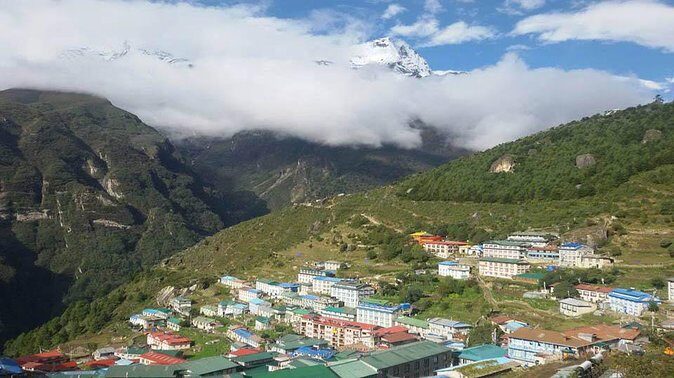
Day 3 treks from Phakding to Namche Bazaar (3440m). It’s the kind of day where you notice the trail rising in increments. The scenery gets more dramatic as you gain height, but the key point is how the air changes.
Then comes Day 4, the acclimatization day at Namche. This is the day many trekkers remember for the right reasons: you’re not stuck doing nothing. You rest, but you also give your body time to adapt before the higher push toward Tengboche. Namche is a practical base because it has a lot of trekking infrastructure and lots of people moving through the system, which helps you gauge your pace.
From the style of the guide support on this program, you’ll likely get useful context during stops. With guides like Pradip, the experience often shifts from simply “walking to a place” into understanding what you’re seeing and why it matters. That makes the slow day feel like progress instead of downtime.
Tengboche and Dingboche: monasteries, breathing, and steadier steps
Day 5 takes you from Namche to Tengboche (3867m). Tengboche is famous for its monasteries, and that spiritual or cultural stop can be a powerful reset after physical effort. Beyond the building itself, this area helps you feel the Sherpa community’s place in daily life on the trail.
Day 6 goes to Dingboche (4260m) via Tengboche. As you go higher, you’ll notice how even routine tasks—like walking to the next lodge—feel slower. The smart approach is consistent steps, not heroic surges.
Day 7 repeats the acclimatization theme with another rest day at Dingboche. The program schedules recovery time here so you can adjust before pushing higher toward Lobuche. You might think of this as the body’s “training day.” It’s also where mental stamina matters. You’re still gaining altitude in the region, but you’re not forcing your system to sprint.
Lobuche to Gorakshep: the hardest stretch feels rewarding for a reason
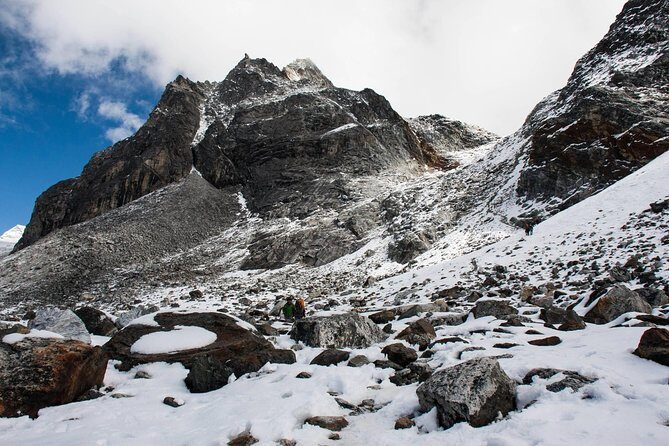
Day 8 moves from Dingboche to Lobuche (4930m), with lunch at Dugla (4595m) before you continue. This is a tough zone. The ground gets rockier, and the altitude stacks up fast enough that you feel it in every decision: how long you stand still, how hard you breathe, and how careful you step.
Day 9 is one of the most important transition days. You trek from Lobuche to Everest Base Camp via Gorakshep. Base Camp sits at about 5364m in this program, and the path typically includes a rocky, exposed feel as you climb toward the big goal. Even if you’ve seen Everest photos your whole life, the experience is different when you’re actually there among the routes and ridges.
This is also where the guide’s role becomes practical. A good guide helps you read pace and stop timing. And with Pradip-style support, you’re more likely to get thoughtful explanations along the way rather than just a list of miles.
What to expect: you’ll feel tired. You’ll also feel lucky. The hut-to-hut lodge nights are basic by comfort standards, but that’s part of why the milestone hits so hard the next morning or at Base Camp itself.




Kala Patthar: the view that forces you to slow down
Day 10 takes you from Gorakshep to Kala Patthar (5545m) and then down to Pheriche (4243m). Kala Patthar is high enough that your body really starts negotiating with you. The climb can be demanding, but it’s a classic reason people come: you get dramatic Everest-area perspectives from the foothills level.
Then you descend to Pheriche. That down day is not “easy” in the way a city stroll is easy. Your legs still work, but the air gets thicker and you start feeling human again.
If you’re prone to rushing, this day teaches patience fast. Going too hard at 5000m+ can turn a morning climb into an exhausting afternoon. The right move is to conserve energy while you keep moving steadily.
Back to Namche and Lukla: finishing smart, not fast
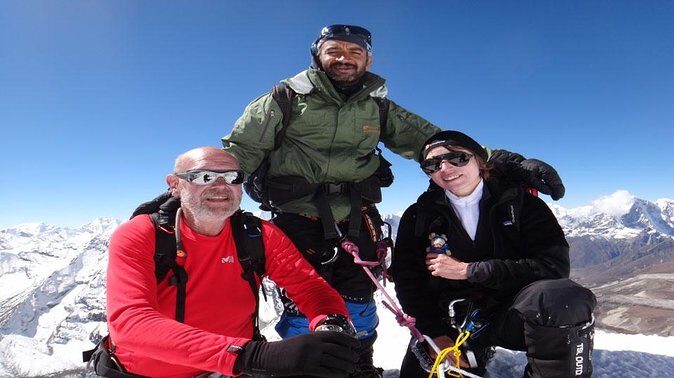
Day 11 moves from Pheriche back to Namche Bazaar (3440m). That’s a long trek with a lot of altitude loss in a short time. You’ll be grateful for the lowering air, but you still need to watch your body—knees can get cranky when the walking is continuous.
Day 12 goes from Namche to Lukla (2886m). On this day, the trail feels both familiar and different. You’ve walked this world up and now you’re collecting your steps on the way down. The best way to handle it is the same way you handled Day 3 and Day 5: keep it steady, take breaks, and don’t treat it like a race.
Day 13 flies Lukla to Kathmandu on an early flight. Once you land, you’re picked up and transferred to your Kathmandu hotel again. This is the decompression phase: sleep, food, and a shower that feels like a celebration.
Day 14 is the drop-off to Tribhuvan International Airport for your departure.
Guide and porter support: what safety looks like in real life
This trek includes an experienced guide and porters, with a porter ratio of 1 porter for 2 people. That setup is one of the biggest value pieces in the whole package. Carrying less matters at altitude, because fatigue builds faster when your shoulders and back are working all day.
It also helps you follow a smarter trekking rhythm. You’ll typically carry a day pack with water, a spare layer, sunscreen, and camera gear. Your porter handles the main duffel, so your energy stays tied to walking, not gear wrestling.
On top of that, the guide support you’re likely to experience seems like it’s the reason many people rave about this trek. In the feedback, Pradip comes up repeatedly as the highlight: people mention how he navigated them through difficult terrain while keeping everyone feeling safe and well informed. You also see the human touch—wildlife spotting, humor, and explanations that make the trail feel alive rather than repetitive.
Price and value: why $1,500 can be more than it seems
At $1,500 per person for roughly 14 days, the price makes sense only if you look at what’s actually bundled:
Included features you’ll feel on the ground:
- Airport pickups and drops by private vehicle
- Two nights in a 3-star standard hotel in Kathmandu
- Lodge stays on trek
- Guide + porter support, including meals and insurance for support staff
- TIMS card fees and first aid kit
- Breakfast every day in the trek package, plus dinners and lunches on trekking days as scheduled
This is not cheap, but it also isn’t just “a guide plus prayer.” It’s structured around making the logistics work: flights, transfers, tea house lodging, and meals. That’s what reduces friction when altitude and weather add stress.
What’s not included is also worth noting:
- Your travel insurance
- Meals in Kathmandu (lunch and dinner while there)
- Alcoholic and non-alcoholic drinks during the trek
If you budget for drinks, hot showers, snacks, and tips, your total trip spend will rise. Still, you’re likely to find the package value strong because the trek infrastructure and support costs are part of what you’re paying for.
What to pack for the Everest Base Camp route (and what not to overpack)
You’ll do best with a lean system. The program encourages using porters for your main luggage and carrying only what you need day-to-day.
Key practical packing ideas based on the trek realities described:
- A trek bag for your main luggage
- A smaller, lockable bag for travel clothes you don’t need on the trek, which you can store back in Kathmandu
- Plan for domestic flight weight limits: airlines typically allow 15 kg including your hand bag, and excess can cost extra
- Bring water purification pills since normal water is available free and treatment is recommended
- Bring spare camera batteries and plan for recharge costs
Electricity is available in some villages, with solar power in others, and you may have to pay to recharge if power is limited. That means you should treat battery management as part of your trekking plan, not an afterthought.
Also pack for cold. The route goes above 5000m, including Kala Patthar at 5545m. A warm jacket and layers are non-negotiable if you want to keep enjoying the day instead of just surviving it.
Meals, water, and staying comfortable in basic Himalayan lodges
Meals on the trek are included on most trek days: breakfast, lunch (on trekking days where scheduled), and dinner in the lodge. Expect tea house food that’s designed for hikers, not fancy restaurant plates.
Water-wise, the program suggests purification pills. You’ll usually have options such as normal water that you treat, plus bottled or boiled water you can buy along the way.
What you’ll still need money for:
- Snacks and drinks you buy
- Tips for your support team after the trek
- Table drinks and souvenirs
A practical tipping approach given here is 10–15% of the tour cost for staff if the service is solid. Even if you tip slightly differently, having a plan keeps you from scrambling on the last days.
Should you book this Everest Base Camp trek?
Book it if you want a classic route with real support and a schedule that respects acclimatization. The combination of strong guide backing (especially Pradip’s track record in the feedback) and porter support for your loads makes the trek feel more manageable than doing it with minimal assistance.
Reconsider if you know your biggest stress point is uncertainty around Lukla flights. Weather can delay flights, and while rescheduling is possible, you should still protect yourself with the right travel insurance. Also, if you dislike basic lodge conditions or you’re expecting hotel-level comfort on trek nights, this route will feel rugged.
If you’re physically fit and ready for altitude, this program looks like a solid, well-priced way to reach Everest Base Camp while keeping safety and logistics in good hands.
FAQ
What does the package price include?
It includes airport pickup and drop-off in Kathmandu, two nights in a standard 3-star hotel in Kathmandu, lodge stays during the trek, an experienced guide, porters (1 porter for 2 people), TIMS card fees, a first aid medical kit, and scheduled meals on the trek days (breakfast daily, plus lunches and dinners as listed). It also covers guide and porter salary, food, drinks, accommodation, transportation, and insurance.
Are meals included on the trek?
Yes. Breakfast is included for 14 days, and dinners and lunches are included on trekking days according to the program schedule (dinner 11 times, lunch 11 times).
What about flights to Lukla and delays?
The itinerary uses early flights from Kathmandu to Lukla and from Lukla back to Kathmandu. If a Lukla flight is canceled, the plan is to reschedule for the following day, subject to availability.
If the Lukla flight is canceled, is a helicopter an option?
Yes, the program states that in a group they may hire a helicopter to fly in or out to Lukla, but the helicopter cost is an extra expense (minimum US$-500 per person depending on group size). Travel insurance covering flight cancellation for at least that amount is recommended.
What luggage should I carry during the trek?
Your main luggage is carried by porters. You typically carry a day pack with essentials like water, camera, sunscreen, and spare layers. The program also mentions you can store a trek bag and a small lockable bag in Kathmandu, free of charge.
Is there single supplement accommodation?
Yes. Single supplement accommodation is available on request for an additional cost of US$-200.
Can I cancel for a full refund?
Yes. The policy says you can cancel up to 24 hours in advance of the experience for a full refund. If you cancel less than 24 hours before the experience starts, the amount paid will not be refunded.