REVIEW · KATHMANDU
Everest Base Camp Trek Via Salleri
Book on Viator →Operated by icicles adventure treks and tours · Bookable on Viator
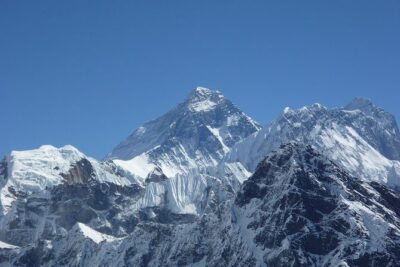
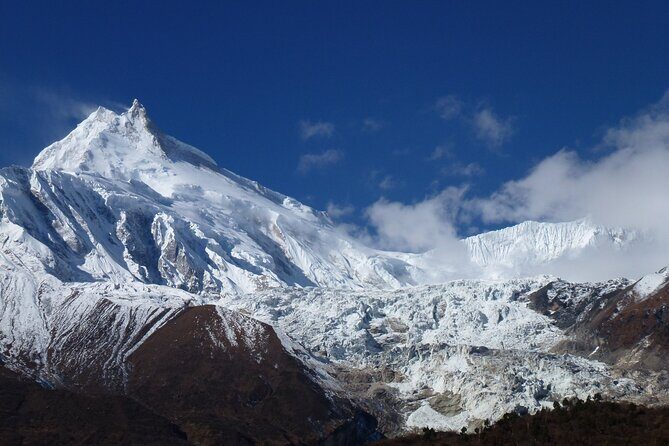
Different route, same Everest magic. The Salleri route takes you away from the more predictable paths, then threads you through isolated villages, river valleys, and terrace farms as you work your way toward Everest Base Camp.
One thing I really like is the people handling the details. From the start in Kathmandu, guides (I’ve seen teams led by Pooja and Prem, plus others like Prakash and Manoj) keep the day-to-day moving, including lodging choices and smart pacing on high days.
One consideration: it’s a serious 20-day trek, and you’ll need to budget for your own meals since meals are not included.
In This Review
- Quick highlights
- Thamel start at 6:15am, then off-road mountain travel
- Kathmandu to Takshindo: Phaplu–Ringmo drive and the Takshindo Gompa vibe
- Phakding to Namche: the classic hub, plus acclimatization that’s not rushed
- Tengboche, Nagerjun, Dingboche: higher camps and smart altitude work
- Lobuche to Gorekshep: the push to Everest Base Camp
- Kala Pathar at 5,545m and the descent to Pheriche
- Heading back through Puiyan and Khari Khola, then returning by jeep
- Value check for $1,952: what you’re really paying for
- Who should choose Everest Base Camp via Salleri?
- Should you book this Salleri route to Everest Base Camp?
- FAQ
- How long is the Everest Base Camp trek via Salleri?
- Where does the trek start, and what time is pickup or meeting?
- Is this a private trek or a shared group?
- What’s included in the price besides guiding and lodging?
- Are meals included?
- What do I need to provide for permits?
- Quick note
Quick highlights
- Salleri route instead of the most crowded line into Everest country
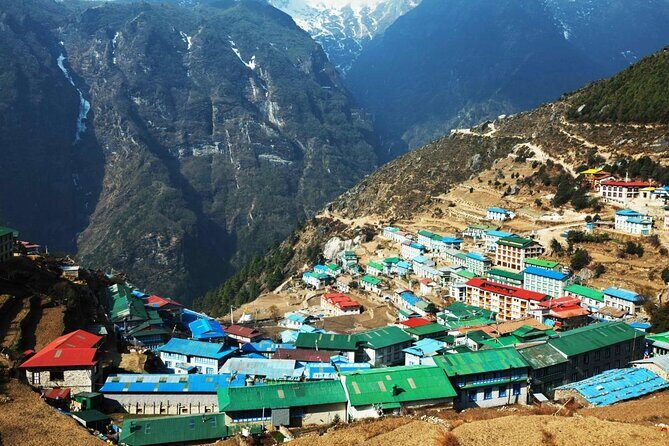
- Takshindo Gompa and the Sherpa river-valley world you don’t always see on standard routes
- Two acclimatization days built around real altitude work (Everest View Hotel, then Nagerjun)
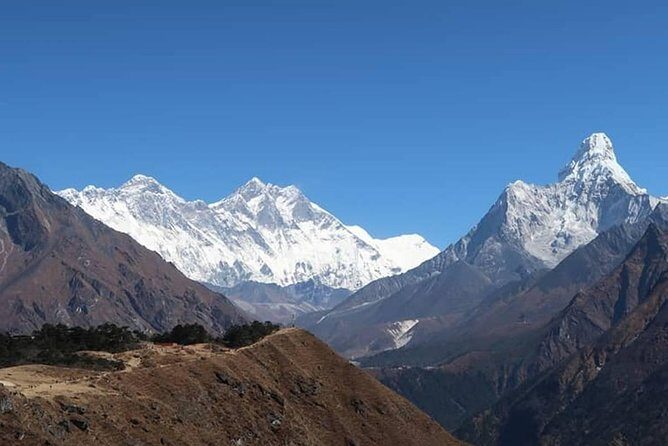
- Kala Pathar at 5,545m for a near-summit feel without climbing Everest
- Guide-and-porter staffing at 1 porter for 2 hikers, plus gear support
- Contingency mindset shown by fast switching to jeep travel when flights can’t happen
Thamel start at 6:15am, then off-road mountain travel
You meet in Thamel, Kathmandu, with an early 6:15am start, and the trip is private—just your group. If you’re the type who likes clear structure, you’ll appreciate that the company offers pickup and uses a mobile ticket system. That small touch matters on travel days when you don’t want to play phone-tag with drivers.
Day 2 is where this trek stops feeling like a “tour” and starts feeling like mountain travel. You drive from Kathmandu toward Phaplu and Ringmo, then walk briefly to reach Takshindo. The drive is long (listed as about 8 hours), so plan for a full day where comfort comes from preparation, not luxury.
On the back end, Day 19 mirrors this: you trek and then do an 8-hour jeep ride from the region back toward Kathmandu, with a short walk included. The takeaway for you is simple: this trip blends trekking with real overland time. If you hate being in a vehicle, pick a different itinerary. If you’re okay with long drives, you’ll enjoy how they broaden the route and help you see parts of the Everest region that aren’t purely footpath-focused.
You can also read our reviews of more hiking tours in Kathmandu


Kathmandu to Takshindo: Phaplu–Ringmo drive and the Takshindo Gompa vibe
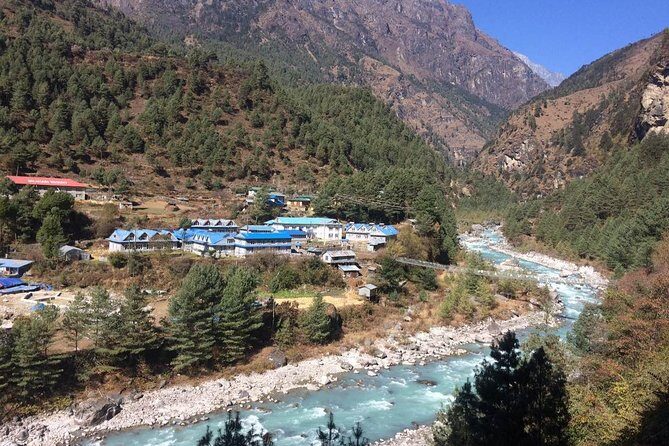
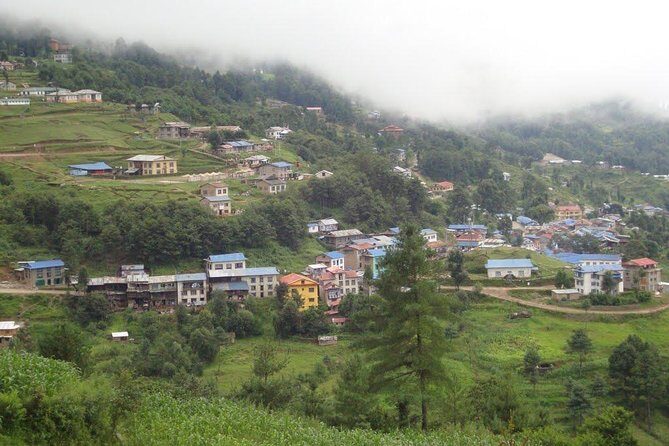
The first trekking stretch is built to ease you in. After that long drive, you reach Takshindo at 3,071m, then add a short walk (listed as about 30 minutes) to get settled. Takshindo is special because you’re not just hiking between famous checkpoints—you’re entering a landscape of isolated villages and Sherpa culture shaped by river valleys.
From there, the route keeps you moving through the “valley life” zone. You head to Khari Khola (2,194m), then continue to Puiyan (2,890m). These elevation steps are not random; they help you start learning your trekking rhythm before you’re dealing with the big altitude numbers around Namche and above.
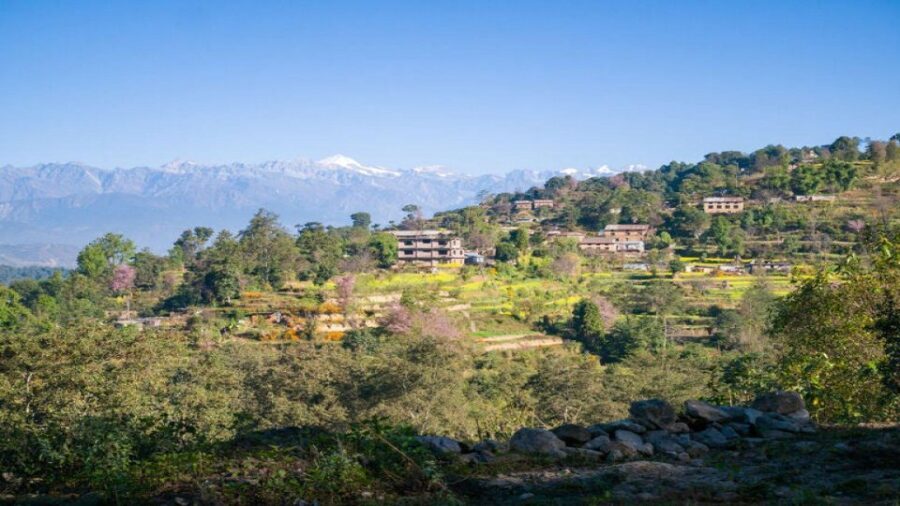
One part of the experience that stands out in the description is the emphasis on narrow canyons, gushing white rivers, and terrace farms under the peaks. You’ll feel this most on days where the trail is more about movement and scenery than chasing a summit-style view.
A practical note: this early section is also where you get to test your boots, your socks, and your layers. The trek package includes a down jacket and sleeping bag during the trek, so you’re not starting from scratch. Still, take a minute to set up your “cold-weather system” early—hands, feet, and layers behave differently once mornings start turning sharp.
Phakding to Namche: the classic hub, plus acclimatization that’s not rushed
By the time you reach Phakding (2,652m), you’re starting to connect with the wider Everest trail culture. From Phakding you go up to Namche Bazaar (3,440m). Namche is where services are more available, and it’s also where your body starts negotiating altitude more seriously.
The trip then gives you an acclimatization day with a hike to Everest View Hotel. That matters because it’s an intentional altitude lesson: you go high enough to stimulate adaptation, then you return to sleep lower than your highest point for the day. This is how you avoid the common mistake of treating every day like a straight-line climb.
After acclimatization, you continue toward Tengboche (3,860m). Tengboche is a huge spiritual and cultural stop in Everest trekking. Even without being overly religious about it, you’ll feel the vibe of a place where the landscape and the community are tightly linked. And at this stage, your trekking days shift from “settling in” to “managing effort.” You’ll likely need to shorten your stride slightly, slow down, and focus on steady breathing.
One of the best “value signals” here is staffing. The itinerary includes a highly experienced guide plus porters at 1 porter for 2 hikers. That doesn’t remove the altitude challenge, but it does reduce the extra load on your body, which is exactly what you want as you rise.
Tengboche, Nagerjun, Dingboche: higher camps and smart altitude work
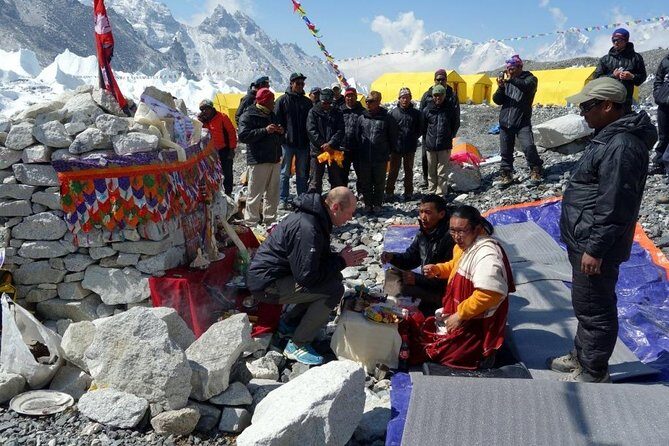
Once you’re past Tengboche, you’re moving into the part of the trek where the mountains start feeling less like scenery and more like a presence. The route continues on to Dingboche (listed at 4,410m), then includes an additional acclimatization day with a hike to Nagerjun and return.
This second acclimatization day is a big deal. Two separate altitude checks (Everest View Hotel early, then Nagerjun higher up) help your body get the message multiple times. It’s not just about reaching a number; it’s about learning how your breathing and energy respond at different elevations.
On these days, you’ll also start noticing the “high-country” rhythm: fewer trees, more open air, and a trail that can feel tougher because of wind and cold rather than steepness alone. If you’ve ever blamed a trek on “just altitude,” this is where you learn the full equation—altitude, cold, wind, and slow dehydration can all team up.
The package also sets you up for colder nights: the trek provides a down jacket and sleeping bag, and you’ll be using the lodge system along the way. Lodges are listed as the best available, and while they’re still simple in Everest terms, the structure helps: you focus on trekking and not on hunting for basic shelter.
Lobuche to Gorekshep: the push to Everest Base Camp
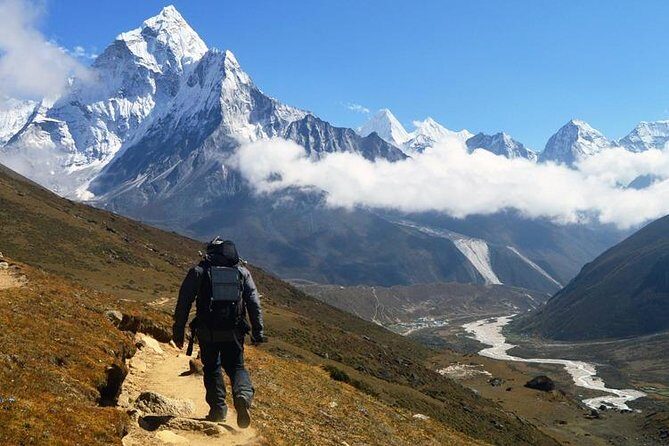
The climb steepens into the Lobuche (4,910m) and Gorekshep/Everest Base Camp area (5,364m listed for Everest Base Camp, with Gorekshep involved) stage. Day 11 brings you to Lobuche, then Day 12 is the big forward day to Everest Base Camp and Gorekshep.
At this point, you’ll want to protect energy carefully. The route isn’t described as a sprint, and that’s exactly right. Your guide’s job here is to keep you moving at a pace your body can handle, because the “danger zone” on altitude days is usually not courage—it’s going too fast too early.
You also learn the value of the included gear. A down jacket plus sleeping bag is a real comfort boost when nights drop hard. And because this trip includes permits, logistics, and lodge planning, you’re spending your mental bandwidth on hydration, warmth, and walking technique.
When you reach the Everest Base Camp area, it’s not just about a photo stop. It’s the moment everything else makes sense: the alternate valleys, the Sherpa villages, the river crossings and canyons you’ve passed, and the gradual rise of the route into a serious high-altitude zone. It’s also where the emotional meaning can run deep. In the past, this operator has handled personal, meaningful requests—like bringing ashes to be scattered at Everest Base Camp—so the staff approach matters, not just the view.




Kala Pathar at 5,545m and the descent to Pheriche
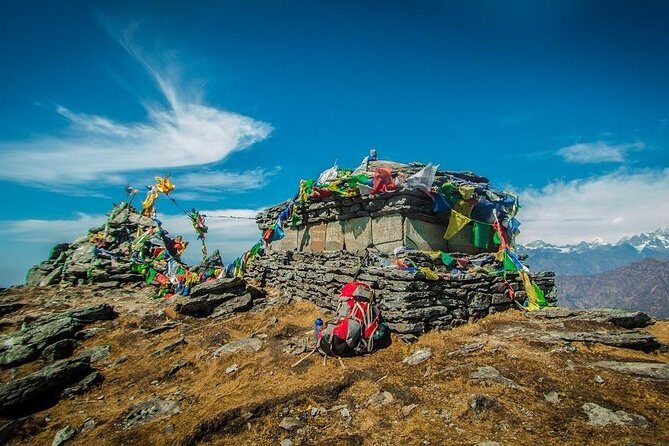
The star viewpoint day is Kala Pathar (5,545m), listed after Gorekshep, then you head to Pheriche (4,210m). Think of Kala Pathar as your near-summit day: tough, cold, and high, but done as a viewpoint rather than an expedition climb.
From a practical standpoint, it’s also a weather-dependent day. You’re going high, so you’ll want warm layers, steady breathing, and a calm attitude if visibility isn’t perfect. The good news is the itinerary then gives you a descent and a place to recover.
Once you’re in Pheriche, the next phase is about rebuilding comfort and energy. You head back down to Namche Bazaar (3,440m), then later to Phakding. This “up and back down” rhythm is how you make the most of a trek like this without wrecking yourself.
And don’t ignore the comfort details: the package lists attached bathroom with hot shower at Lukla, Phakding, and Namche. Your route on paper may not mention Lukla in every line, but the comfort list is still useful. Lodges in this region can vary, so even having hot shower access at key stop towns can make a noticeable difference during a long trek.
Heading back through Puiyan and Khari Khola, then returning by jeep
The return route keeps you moving through the same broad regions, but the vibe changes. After Namche to Phakding, you continue to Puiyan (2,652m), then back to Khari Khola (2,890m), and finally to Takshindo (2,071m listed in the return sequence) before the final jeep transfer.
Why does this matter? Because the “reverse trek” often feels easier in elevation terms, but it’s not automatically easier mentally. Your legs are tired. Your motivation matters. But you also get a second look at the features you learned on the way up—terrace farms, river valleys, and the quieter village network.
This is also where I think this Salleri route wins for the type of traveler who wants more than box-checking. You’re not only retracing footprints; you’re reconnecting with the rhythm of the region. The description highlights pastures and terrace farms under peak shadow, and you’ll likely notice those details more on the way down because you’re not as focused on “getting to the next altitude marker.”
On Day 19 you transfer back via Ringmo and Phalpu with about 8 hours of driving and a short walk. Then Day 20 is a farewell. If you recover well and keep moving gently on the last trekking days, that jeep ride can feel like a reward instead of punishment.
Value check for $1,952: what you’re really paying for
Let’s talk value, not just cost. At $1,952 for roughly 20 days, the price makes sense when you look at what’s included.
You get:
- Sagarmatha National Park permits plus TIMS, and you’re told to bring 2 passport size photos
- All ground transport by local jeep, including airport transfer
- A guide and porter setup (1 porter for 2 hikers), plus guide/porter food, accommodation, salary, equipment, and insurance
- Best available lodges for accommodations
- Trek gear support: a duffle bag, plus a down jacket and sleeping bag during the trek
- A trekking map and an achievement certificate
That’s a lot of the stuff that usually turns into expensive “add-ons” when you book loosely.
What’s not included is equally important:
- Meals
- Travel insurance and international airfare
- Tips and gratuities for trekking staff
- Personal expenses like laundry and beverages
So if you’re the type who budgets carefully and likes knowing you’re not managing permits or gear rentals yourself, this package is strong. If you want meals covered, you’ll need to plan that extra daily spend.
Also remember: this trek requires good weather. High-country trekking always has a weather component, and this itinerary is designed for the conditions to line up.
Who should choose Everest Base Camp via Salleri?
This trip fits you best if:
- You want something different from the most common Everest Base Camp route and you like quieter village life
- You care about Sherpa culture and smaller settlements rather than only the big-name trail hubs
- You’re comfortable with moderate fitness and the idea that altitude days are part of the work, not a surprise
- You like having a team behind you, including guides who manage pace and lodging well (I’ve seen first-hand how quickly staff can pivot when flights don’t happen, using jeep travel instead)
It may not be the best fit if you:
- Hate long driving days (the route includes major jeep transfers on both ends)
- Want meals included, full-stop
- Are looking for a short trek. This is 20 days and it takes time to settle into a high altitude routine.
One more angle: because this is a private tour, your group pace matters. If you pick people who walk together well, the whole experience feels smoother.
Should you book this Salleri route to Everest Base Camp?
I’d book it if you want Everest Base Camp with a side of river-valley villages, Takshindo Gompa, and acclimatization that’s built into the itinerary. The included permits, staffing, and gear support are where the value comes from, and the operator’s logistics style (including fast rerouting when flights fail) is exactly what you want when weather and schedules get real.
Before you commit, do two sanity checks:
- Budget for your own meals and tips, since they’re not included.
- Be honest about your altitude readiness. This trek climbs to 5,545m at Kala Pathar and reaches Everest Base Camp area, so you’ll want a steady, patient approach.
If your plans are still flexible, free cancellation up to 24 hours before the experience start time gives you room to decide without locking yourself in too early.
FAQ
How long is the Everest Base Camp trek via Salleri?
It’s listed as about 20 days.
Where does the trek start, and what time is pickup or meeting?
You start from Thamel, Kathmandu, with the listed start time of 6:15am, and pickup is offered.
Is this a private trek or a shared group?
It’s a private tour/activity, meaning only your group participates.
What’s included in the price besides guiding and lodging?
The tour includes all fees and taxes, local jeep transport (including airport transfer), Sagarmatha National Park permits and TIMS fees, a duffle bag, down jacket and sleeping bag during the trek, and a guide with porters (1 porter for 2 hikers).
Are meals included?
No. Meals are not included, so you’ll need to budget for food during the trek.
What do I need to provide for permits?
You’re asked to bring 2 passport size photos for the TIMS and permit process.
Quick note
If you want, tell me your walking pace and whether you’ve trekked at altitude before, and I’ll help you sanity-check if this 20-day, high-point itinerary fits your comfort level.