REVIEW · KATHMANDU
Explore The Beauty Of Langtang Valley In 8-Days Trek
Book on Viator →Operated by Bold Himalaya Treks and Travels Pvt Ltd · Bookable on Viator
Langtang Valley feels close once you’re on the trail. This 8-day trek out of Kathmandu pairs real Himalayan hiking with the kind of on-the-ground guide support that helps you move at your pace, from Syabrubesi through Lama Hotel, Langtang Village, and up to Kyanjin Gompa.
Two things I really like here: the itinerary is built for flexibility (extra breaks for photos and breakfast along the way), and your trip includes teahouse lodging plus full meals so you’re not constantly calculating costs or searching for food. One consideration: if you choose the optional push to Tserko Ri (4,984m), you should be ready for a steeper, high-altitude day even though the main route stays more manageable.
In This Review
- Key things to know before you go
- From Kathmandu to Syabrubesi: the ride that sets the tone
- Day 2: Syabrubesi to Lama Hotel (2,380m) and the river crossings
- Day 3: Lama Hotel to Langtang Village (3,430m) through forests and meadows
- Day 4: Langtang Village to Kyanjin Gompa (3,870m) for major panoramas
- Day 5: Kyanjin Gompa and the optional climb to Tserko Ri (4,984m)
- Day 6: Retrace to Lama Hotel and enjoy a lighter kind of effort
- Day 7: Lama Hotel to Syabrubesi via Syafru, with greener walking
- Day 8: The drive back to Kathmandu and a clean finish
- What’s included (and why it actually matters on a trek)
- Guide and operator style: Sorbit’s support and Garap’s steady confidence
- Pacing, altitude, and how to choose the right effort
- Price and logistics: $270 and what you get for it
- Who should book this Langtang Valley trek?
- Should you book this trek?
- FAQ
- How long is the Langtang Valley trek on this itinerary?
- What are the main stops along the route?
- Is Kathmandu pick-up and drop-off included?
- What meals and lodging are included?
- Do I need to be an experienced trekker?
- Is the hike to Tserko Ri included or optional?
- What happens if I cancel?
Key things to know before you go
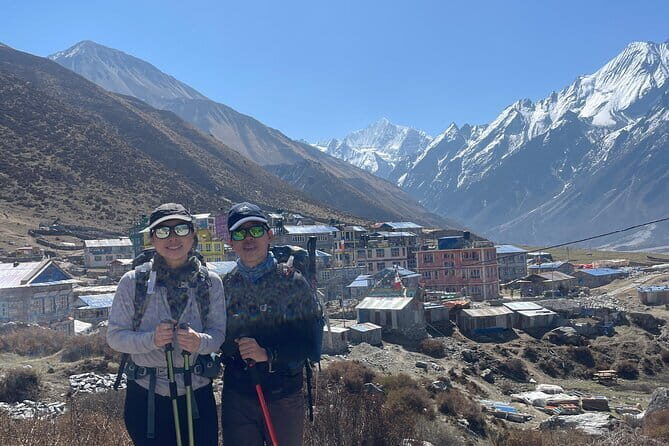
- Syabrubesi as your launch pad: expect a long but scenic shared-jeep ride from Kathmandu before you even lace up boots.
- Suspension bridges over big rivers: you’ll cross the Bhote Koshi and Langtang river area early on, which keeps the trail interesting.
- Teahouses with meals handled: accommodation and meals run with the trek, including breakfast, lunch, and dinner.
- Kyanjin Gompa views without a monster day: a shorter climb with strong panoramic rewards.
- Optional Tserko Ri for the 360-degree crowd: a classic summit add-on if conditions and your fitness cooperate.
- Small-group attention: the trek uses a licensed English guide for up to 5 trekkers, which tends to keep things more personal.
From Kathmandu to Syabrubesi: the ride that sets the tone
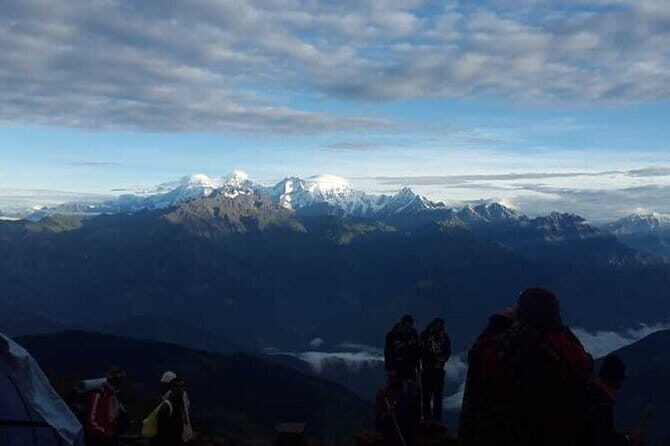
Most trekking trips start with a flight, a bus, or at least a quick transfer. This one starts with a shared jeep ride that takes about 6 hours to reach Syabrubesi. That means you arrive with your legs still fresh, but your brain already switched from city mode into mountain mode. You’ll pass valleys, villages, rivers, and waterfalls, and you’ll get your first real feel for why the Langtang region is so popular for trekkers who like views that come with texture, not just height.
Day 1 is also your onboarding day. You’ll meet Bold Himalaya’s team, then get moving. It’s a simple start, but it matters because you’re going to spend the rest of the week making small decisions (pace, breaks, how you feel at altitude). Having the logistics handled from the start makes those choices less stressful.
You can also read our reviews of more hiking tours in Kathmandu



Day 2: Syabrubesi to Lama Hotel (2,380m) and the river crossings
Day 2 begins after breakfast and climbs from Syabrubesi to Lama Hotel (2,380m) in about 5.5 hours. This is a classic “get warmed up” trekking day: not easy, but not brutally long either. The trail is especially memorable because you’ll cross suspension bridges over the Bhote Koshi and the Langtang river area.
Those bridge moments are more than a cool photo stop. They help you feel the rhythm of the hike: steady walking, short views, then another river crossing, and repeat. It also gives you an early sense of how the region moves with water and season. After a day like this, your arrival at Lama Hotel feels like a win, not a chore.
Day 3: Lama Hotel to Langtang Village (3,430m) through forests and meadows
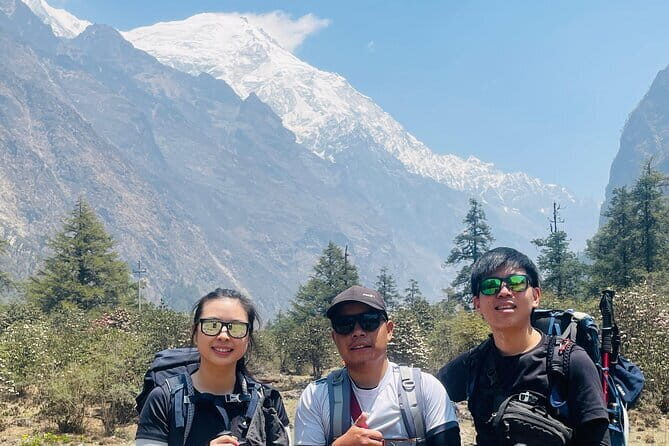
On Day 3, the trek goes from Lama Hotel to Langtang Village (3,430m) and takes around 6 hours. This is where the trail starts to look like a true valley trek instead of just a mountain road that became a path. The route ascends through forests and meadows, which changes the feel of each stretch of walking. You’re not just climbing; you’re moving between different kinds of scenery and air.
Langtang Village is also a psychological milestone. You’re still not at the highest points yet, but you’re high enough now that you’ll notice the altitude more in breathing and pacing. The trip’s design is helpful here: it’s flexible, and you can take regular breaks to keep yourself comfortable. If you’re a beginner, your best tool is not speed. It’s steady walking at a pace you can repeat.
Day 4: Langtang Village to Kyanjin Gompa (3,870m) for major panoramas
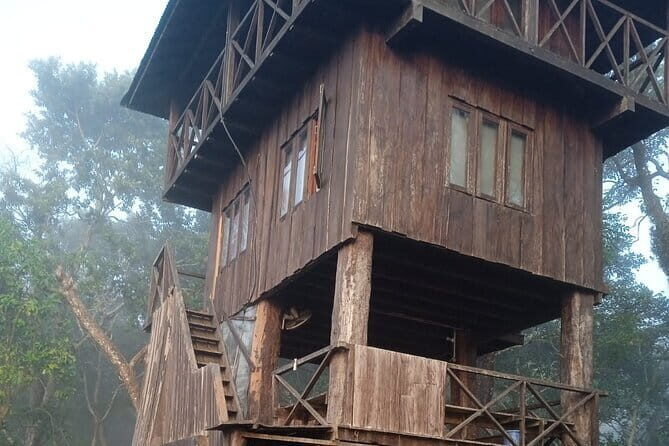
Day 4 moves you from Langtang Village to Kyanjin Gompa (3,870m) in about 4.5 hours. That shorter trekking time matters. It gives you more daylight to enjoy the area once you arrive and helps you avoid turning a scenic day into a tired scramble.
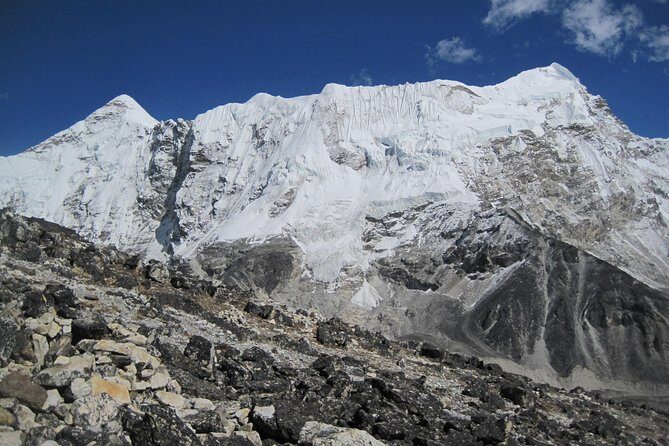
Kyanjin Gompa is about views. The trail includes mountain reveal moments, and the day is built around arriving at a place where the Langtang Lirung region opens up in a big way. Even if you keep your expectations grounded, this is one of those legs where you feel the trek shift from steady effort to pure reward.
Teahouses in this zone are part of the package, so you’ll usually get a warm meal and a comfortable place to recover. The goal is simple: sleep well, eat well, and be ready for the next morning.
Day 5: Kyanjin Gompa and the optional climb to Tserko Ri (4,984m)
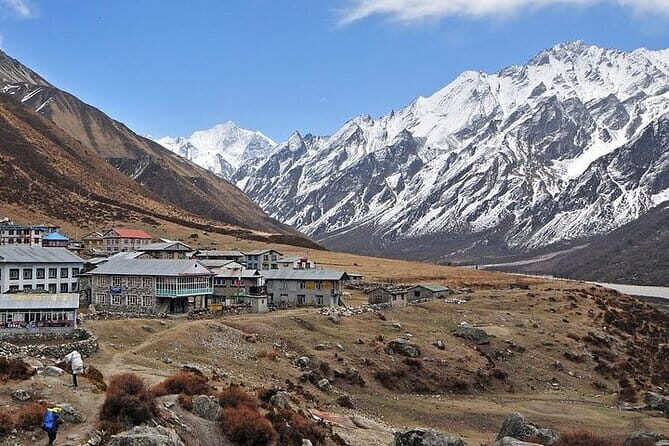
Day 5 starts with stunning views at Kyanjin Gompa and the option to hike Tserko Ri (4,984m). The optional route is listed at about 7 hours, and it’s the day that turns your trek into a high point experience for people who want the classic summit view.
The key is choice. You don’t have to treat Tserko Ri as a must-do. If you’re feeling the altitude, you can skip the optional hike and still enjoy Kyanjin Gompa and the surrounding ridgelines. For first-timers, the best way to enjoy a high-altitude trek is to keep your ego out of the thin air.
If you do go for it, plan on moving more slowly than you think you should. This is one of those hikes where turning back because you’re tired is still a smart decision, not a failure.






Day 6: Retrace to Lama Hotel and enjoy a lighter kind of effort
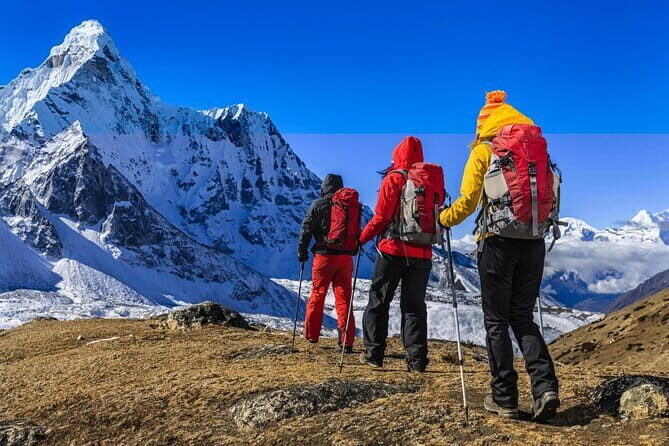
Day 6 brings you back to Lama Hotel (2,380m) in about 6 hours. This is the day of retracing your steps. That can sound boring on paper, but it usually isn’t. Coming down lets you see familiar terrain in a different light and at a different pace. Your body also gets a break from the constant uphill pressure.
Retracing is also practical for acclimatization and energy management. After Day 4’s views and Day 5’s optional height, the return day helps you bring your exertion down while still getting you closer to Kathmandu step by step.
And yes, you’re still living the trek rhythm: breakfast, walking, breaks, then teahouse dinner and an early night.
Day 7: Lama Hotel to Syabrubesi via Syafru, with greener walking
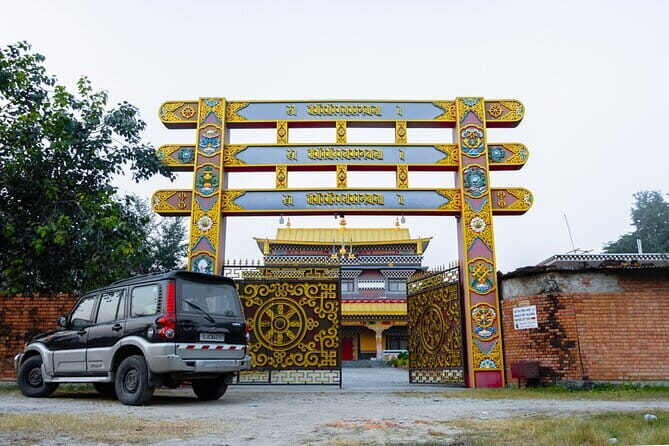
Day 7 takes you back toward Syabrubesi via Syafru, and the trek time is about 5 hours. The route description emphasizes lush green forests and rolling hills, with river sounds as your soundtrack. That’s a nice contrast after the higher points of the week.
By now, you likely know what your body likes: how long you can walk before a break, what kind of pace keeps you comfortable, and whether you’re the type who needs frequent short stops for photos or water. The trip’s flexible approach makes these choices easier. You’re not stuck in a rushed conveyor belt.
Day 8: The drive back to Kathmandu and a clean finish
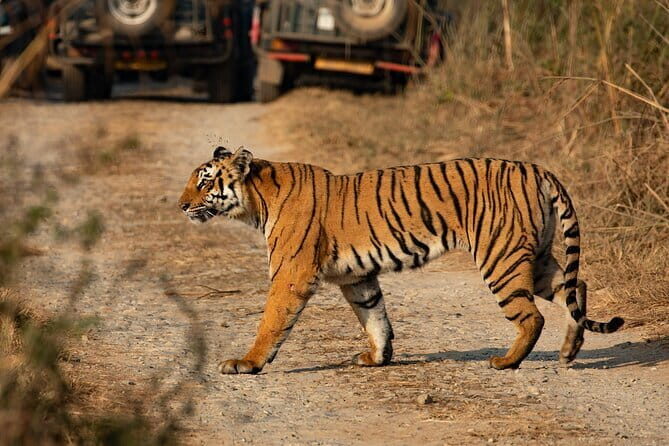
After your final trek day, Day 8 is your 6-hour drive back to Kathmandu. It’s a long stretch, but it’s also a useful mental landing. You can rest, watch the mountains slip into the distance, and think through what worked for you on the trail.
This trek ends with the experience feeling complete, not cut short. You’ve had a gradual climb, strong viewpoints, and a return that keeps you moving without turning every day into a big test.
What’s included (and why it actually matters on a trek)
This trip isn’t just a map and a guide. It covers the stuff that usually turns trekking into annoying extra planning.
- Teahouse accommodation along the route
- Meals: breakfast (7), lunch (8), dinner (7)
- Guided support: lunch, dinner, and breakfast are included, plus some seasonal fruits during the trek
- Guide costs handled: the guide’s salary, accommodation, meals, and insurance are included
- Pick-up and drop-off in Kathmandu
- A cultural show plus a farewell dinner program
- English in-person guide
The big value here is reduced decision fatigue. When food, lodging, and guide logistics are handled, you spend your energy on walking and enjoying the route. You’re also more likely to eat on schedule, which helps when you’re hiking at higher elevations.
Two small but real extras: the trek includes regular breaks and refreshments, and the itinerary is described as flexible enough for photo stops and pacing. That matters because the difference between a good trek and a stressful trek is often how often you can pause without pressure.
Guide and operator style: Sorbit’s support and Garap’s steady confidence
The name Bold Himalaya comes up again and again for good reason. One review notes that Sorbit built a custom trip around specific needs. That same review describes a stress-reducing moment when luggage didn’t arrive in Kathmandu, and Sorbit went out to meet and escort the traveler while they shopped in Thamel for what was needed. Even if your own luggage does arrive, that kind of responsiveness signals an operator who doesn’t treat problems as someone else’s job.
Another review highlights Garap as an outstanding guide for a first solo high-altitude trek, with strong support and patience. That fits the trip’s stated approach: flexible for beginners, paced for acclimatization, and guided with attention to culture and nature.
If you’re traveling solo or you’re new to high-altitude walking, this kind of guide behavior can be the difference between feeling nervous and feeling grounded.
Pacing, altitude, and how to choose the right effort
This itinerary is described as suitable for most travelers, including beginners, with the important tip that beginners should walk at their own pace to help acclimate more effectively. That’s the right mindset. On a trek like this, your goal is not to win. Your goal is to keep moving comfortably enough that each day feels manageable.
Also, keep the optionality in mind. The main route takes you up to Kyanjin Gompa at 3,870m, and the optional Tserko Ri jump reaches 4,984m. If you plan to attempt Tserko Ri, do it with a flexible attitude. If you skip it, you still get big mountain rewards from Kyanjin Gompa.
Price and logistics: $270 and what you get for it
At $270 per person for an about 8-day trek, the real question is what’s packed into that number. Here, you get a lot of cost-heavy items included: teahouse accommodation, multiple meals, an English guide, and Kathmandu pick-up/drop-off. You also get at least one cultural show and a farewell dinner program.
What you might still pay for yourself is clear: bar bills and personal expenses aren’t included. That’s normal for Nepal trekking and usually easy to budget for once you know your spending style.
The trek’s structure also suggests value through group operation. Even though it’s described as a private tour/activity for your group, the guide model is for up to 5 trekkers, which often means less waiting and more attention than big groups.
Who should book this Langtang Valley trek?
This is a strong fit if you want:
- A well-paced route with flexibility for photo and rest breaks
- A supported trek with English guidance and cultural context
- Teahouse trekking without having to micromanage meals and lodging
- A route that still feels adventurous, especially around Kyanjin Gompa
It’s also a good match for people doing their first high-altitude trek, as long as they treat pace and effort seriously. The operator explicitly recommends slower walking for beginners to support acclimatization.
If you already know you want a long, tough day every day, you might find the schedule feels more relaxed than you expect. But if you want a rewarding week with time to enjoy the views, that balance is exactly the point.
Should you book this trek?
I’d book it if you want a classic Langtang Valley experience with the logistics handled, a friendly English guide, and enough flexibility to keep the trek fun instead of punishing. The route gives you the key milestones: Syabrubesi, Lama Hotel, Langtang Village, Kyanjin Gompa, and the option of Tserko Ri.
Skip the optional Tserko Ri if you’re new to altitude or if you want to keep your energy for enjoying Kyanjin Gompa itself. And budget a bit for personal spending since bar bills aren’t covered.
If you value support and pacing as much as the view, this trek looks like a smart, good-value way to see the Langtang Valley.
FAQ
How long is the Langtang Valley trek on this itinerary?
The trek is about 8 days, with a mix of driving and walking days. The hiking days range from roughly 4.5 to 6 hours, plus an optional longer hike to Tserko Ri.
What are the main stops along the route?
The route includes Syabrubesi, Lama Hotel, Langtang Village, Kyanjin Gompa, and Syafru, with a return drive back to Kathmandu.
Is Kathmandu pick-up and drop-off included?
Yes. The trip includes pick up and drop off in Kathmandu.
What meals and lodging are included?
Accommodation is provided in teahouses along the trek route. Lunch, dinner, and breakfast are included, with breakfast for 7 mornings and dinner for 7 evenings, plus lunch for 8 days. Some seasonal fruits are also included.
Do I need to be an experienced trekker?
Most travelers can participate, including beginners. If you’re new, the recommended approach is to walk at your own pace to help you acclimate more effectively.
Is the hike to Tserko Ri included or optional?
It’s optional. The itinerary includes an optional hike to Tserko Ri at 4,984m from Kyanjin Gompa.
What happens if I cancel?
There is free cancellation. You can cancel up to 24 hours in advance for a full refund, and cancellations within 24 hours are not refunded.