REVIEW · KATHMANDU
Full-Day Kathmandu Private Sightseeing Tour
Book on Viator →Operated by KJ Adventure Nepal Private Limited · Bookable on Viator
Kathmandu can feel like a blur of temples. This private 8-hour sightseeing loop gives you a clean way to hit four major sites in a single day, with an English-speaking guide and an air-conditioned car doing the heavy lifting. What I like most is the mix: Buddhist and Hindu sacred places, plus the kind of details you miss if you rush on your own, like what you can see at Pashupatinath.
I also love the practical pacing: about 2 hours at each stop, so you get time to look, ask questions, and reset without feeling constantly on the move. One thing to consider: the itinerary notes say admission tickets aren’t included at the stops, but the tour package list says entrance fees are included—so you’ll want to confirm what’s handled for you when you book, especially for your peace of mind.
In This Review
- Key Highlights You’ll Actually Care About
- Why This 8-Hour Kathmandu Loop Makes Sense
- Pickup, Car, and Guide: The Part That Sets the Tone
- Stop 1: Swayambhunath Stupa Complex Without the Rush
- Stop 2: Kathmandu Durbar Square for Royal Temples and Sacred Details
- Stop 3: Pashupatinath Temple and the Bagmati Cremation Moment
- Stop 4: Boudhanath Stupa for Kassapa Buddha and Prayer Flags
- Price and Value at $75: What You’re Paying For
- A Realistic Day Plan: How to Enjoy It Without Feeling Tired
- Who Should Book This Tour (and Who Might Rethink It)
- Should You Book This Tour?
- FAQ
- How long is the Kathmandu private sightseeing tour?
- Where is the meeting point and where does the tour end?
- Is this tour private or shared?
- What’s included in the price?
- Are entrance tickets included or not?
- What do you actually see at Pashupatinath?
- Is free cancellation available?
Key Highlights You’ll Actually Care About
- Private air-conditioned vehicle that keeps the day comfortable while you bounce between sites
- Experienced English-speaking guide, including guides like Kunjan who can manage both roads and timing
- Four UNESCO World Heritage visits in one long but structured day
- Pashupatinath cremation viewing from the Bagmati river, with a powerful, emotional atmosphere
- Boudhanath’s dome with three mandala-style levels plus colorful prayer flags
- Private tour means only your group participates, no mixing in crowds
Why This 8-Hour Kathmandu Loop Makes Sense
This is the kind of tour that helps you get your bearings fast. Instead of choosing one temple and calling it a day, you get a full circuit across Kathmandu with a guide to keep the order logical and the day flowing.
You’ll be looking at places that hold meaning for both Buddhists and Hindus. That matters because Kathmandu is not a one-faith city, and the best way to understand that is to see the sites side-by-side, not in separate trips.
Eight hours is a real commitment, but it’s not “all go, no stop.” The schedule gives you around two hours at each of the four main locations, which helps you slow down when the site asks for it.
You can also read our reviews of more private tours in Kathmandu


Pickup, Car, and Guide: The Part That Sets the Tone
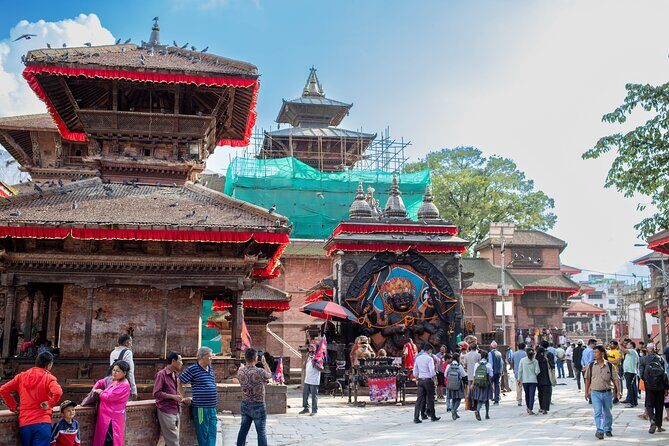
The tour starts with a pickup from Nepali Ghar Hotel on Amrit Marg, and it ends back at the same meeting point. That simple start-and-finish matters in Kathmandu, where navigating can be stressful if you’re doing it on your own.
The vehicle is private and air-conditioned, which is a big deal on a long day. In at least one experience shared by a guest, the guide (Kunjan) picked them up promptly in a comfortable car and handled the drive efficiently—exactly what you want when you’re trying to enjoy the sights instead of watching the clock.
You’re also getting an English-speaking tour guide, and that’s more than just translation. A good guide turns vague curiosity into specific questions you can actually answer on the ground, like what each complex includes and what you can and can’t access inside.
Stop 1: Swayambhunath Stupa Complex Without the Rush
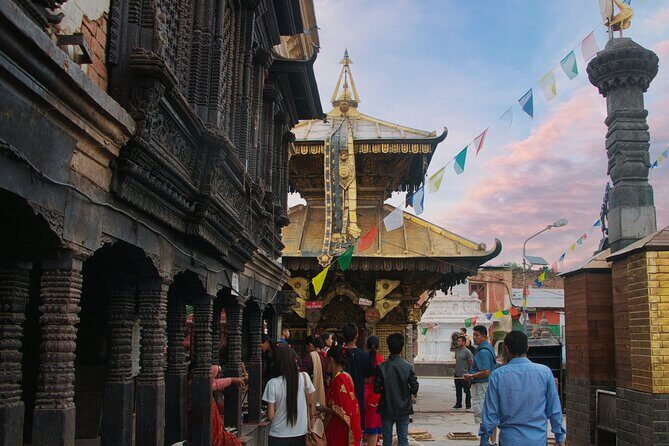
Swayambhunath is described as an ancient marvel on a western hillock of Kathmandu, and it’s considered one of the city’s top attractions. You’re visiting a Buddhist stupa that also carries big relevance for Hindu culture, which already tells you you’ll see blended symbolism.
This stop isn’t just one structure. The complex includes many shrines, monasteries, temples, a museum, and a library. That variety is a plus if you like wandering with purpose, because you can focus on what pulls you in rather than just circling one highlight.
The drawback is simple: with so many parts in one place, it’s easy to get tired if you don’t pace yourself. Two hours is enough for a thoughtful look, but it rewards people who slow down and follow the guide’s suggestions.
Stop 2: Kathmandu Durbar Square for Royal Temples and Sacred Details
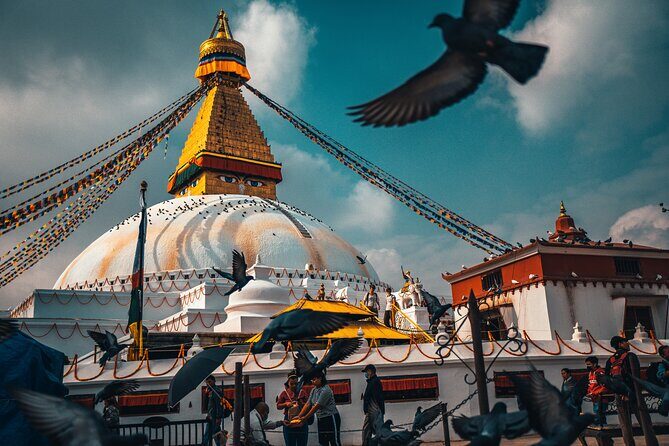
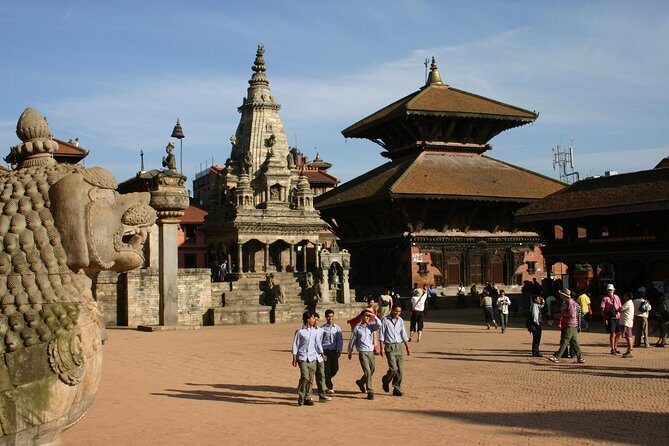
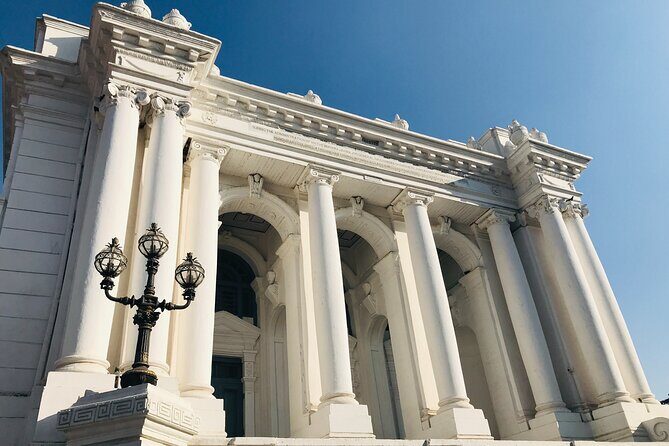
Kathmandu Durbar Square is in the heart of the city and ties directly to the ancient royalties of Nepal. If you want the feeling of Kathmandu as a seat of power, this is where you look for it.
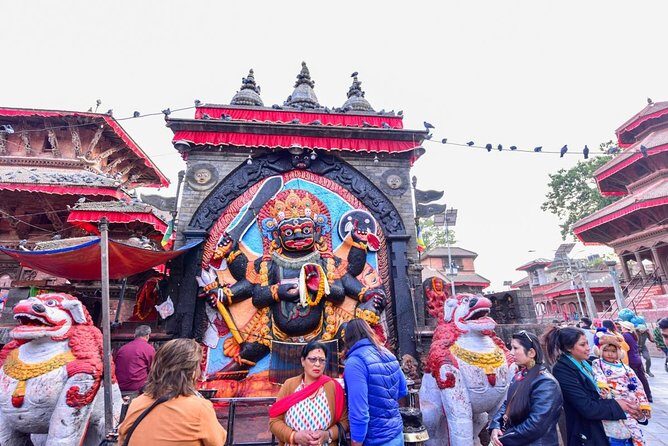
This stop centers on a massive Royal square with temples dedicated to Hindu gods and goddesses. You’ll also see a cluster of named highlights, including Kumari Ghar, Taleju Temple, Kasthamandap, Kaal Bhairav, and Jagannath Temple.
What makes Durbar Square especially valuable on a private tour is the context. A guide can help you notice the difference between seeing buildings and understanding why those buildings mattered to royal life and religious practice.
One consideration: because it’s a dense, central site with many structures, it can feel busy in the general sense of any major heritage square. If you’re the type who gets overstimulated, use the guide to prioritize which of the named spots you want to focus on first.
Stop 3: Pashupatinath Temple and the Bagmati Cremation Moment
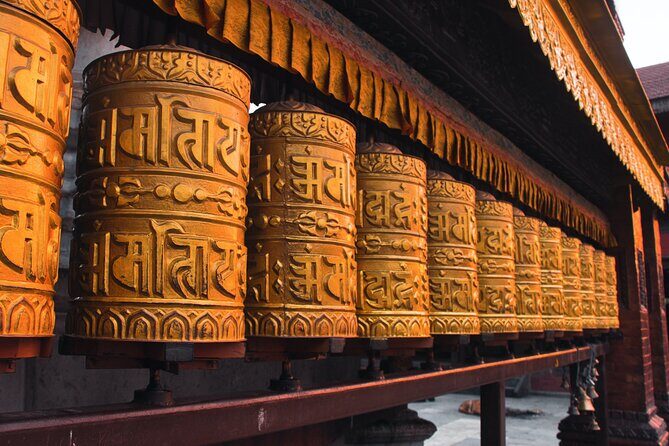
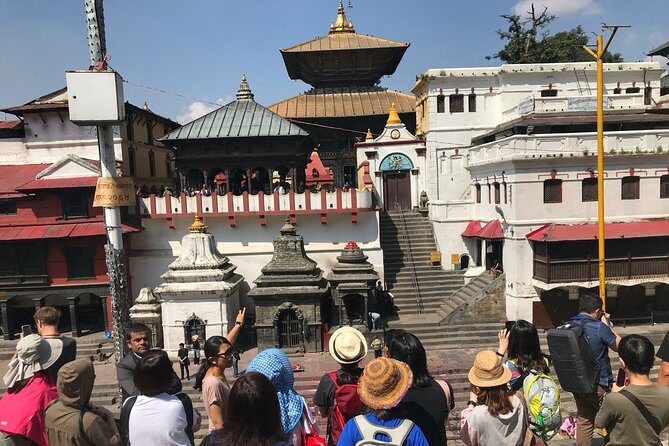
Pashupatinath is one of the holiest Hindu shrines and is described as the largest Hindu temple in South Asia. The temple complex is known for iconic Hindu figures and hundreds of Shiva lingam, plus a two-tiered golden temple style that showcases Nepalese architecture.
Now for the part that people remember: tourists are not allowed inside the premises of the temple, but you can witness open cremation on the bank of the Bagmati river. This is not a sightseeing photo-op in the usual sense. It’s a real-life religious practice you view from the appropriate area, and it can hit hard emotionally.
One guest described it as goosebump-inducing after seeing the open cremation, and that aligns with the intensity of the scene as described here. If you have low tolerance for grief or want a gentler day, this stop may feel heavy.
Still, if you want to understand what places like Pashupatinath mean to Hindu devotees, it’s hard to replace this with anything else. The value is not only architectural. It’s the living tradition you’re seeing.
A few more Kathmandu tours and experiences worth a look

Stop 4: Boudhanath Stupa for Kassapa Buddha and Prayer Flags
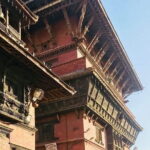
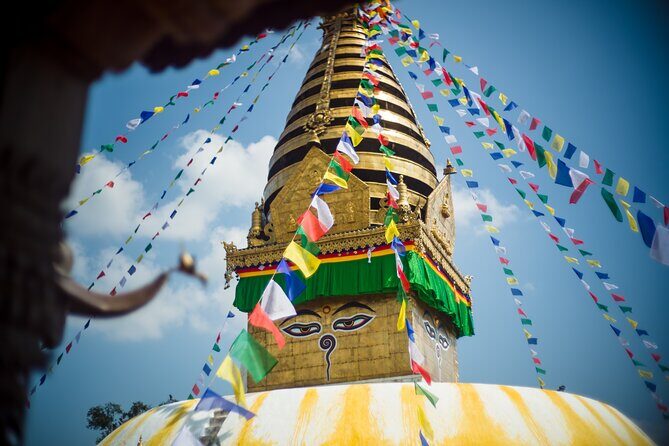
Boudhanath Stupa is described as one of the biggest and oldest Buddhist monuments in the world. It’s considered significant as the tomb of Kassapa Buddha, and it’s a major destination in Buddhism.
This stop is all about shape, symbolism, and atmosphere. The stupa has a dome form with three levels built in a mandala style, and it’s decorated with colorful prayer flags. In other words, you’re not just looking upward at a single structure—you’re reading a design.
The description also notes the mood here is both lively and calm. That’s exactly what you want at the end of a long day: a place that still feels active, but not chaotic.
If you’re short on energy, this stop can still work because the stupa is visually dominant. You can choose how much you want to do without losing the main experience.
Price and Value at $75: What You’re Paying For
At $75.00 per person for about 8 hours, the big value is that you’re not just paying for a list of stops. You’re paying for coordination: private transport, an English-speaking guide, and a structured day across four major heritage sites.
The tour package includes a private air-conditioned vehicle, bottled water, and all government and local taxes. It also includes entrance fees for sightseeing sites in the package details.
Here’s the one wrinkle: the stop-by-stop notes say admission tickets are not included. Since both statements are in the information you have, I recommend you confirm at booking which sites’ entrances are already handled by the operator and which (if any) you’ll need to pay separately on the day.
Also note that personal expenses aren’t included. That’s normal, but it’s good to remember if you plan to buy snacks, drinks, or anything inside markets near the sites.
A Realistic Day Plan: How to Enjoy It Without Feeling Tired
This tour gives you four “anchor stops,” each around 2 hours. That pacing is helpful because you’ll have time to look slowly at architecture and sacred spaces, and time to recover before the next transfer.
You’ll also likely want to treat your guide like part of the plan, not just a translator. With an experienced English-speaking guide, you can ask what to prioritize when there’s a lot to see in one complex, like Swayambhunath’s shrines, monasteries, museum, and library.
And because this day includes both Hindu and Buddhist sites, plan your mindset accordingly. One stop may feel ceremonial and intense (Pashupatinath). Another may feel more contemplative (Boudhanath). The tour’s structure helps you experience that contrast rather than flatten it into generic temple photos.
Who Should Book This Tour (and Who Might Rethink It)
This tour is a good fit if you want:
- a private day with your own group and no mixing with strangers
- a clear way to see major Kathmandu heritage sites without logistics headaches
- an English-speaking guide to help you understand what you’re actually looking at
- a single-day plan that covers both Buddhist and Hindu sacred spaces
It may be less ideal if you want a lighter, purely scenic day. Pashupatinath includes a viewing of open cremation, and that can be emotionally intense.
Should You Book This Tour?
Yes, I think you should book this if your goal is a high-impact Kathmandu day with minimal stress and strong site context. The combination of private air-conditioned transport, an English-speaking guide, and four major UNESCO visits is good value, especially at this price point.
Before you lock it in, do two quick checks: confirm how entrance fees are handled (the information notes can conflict), and make sure you’re emotionally prepared for the Bagmati cremation viewing at Pashupatinath. If that part feels okay for you, this tour is one of the most straightforward ways to understand Kathmandu’s spiritual mix in a single day.
FAQ
How long is the Kathmandu private sightseeing tour?
It’s approximately 8 hours.
Where is the meeting point and where does the tour end?
It starts at Nepali Ghar Hotel, Amrit Marg 26, Kathmandu, and ends back at the same meeting point.
Is this tour private or shared?
It’s a private tour/activity, and only your group participates.
What’s included in the price?
The tour includes a private air-conditioned vehicle, an experienced English-speaking tour guide, entrance fees for sightseeing sites, bottled water, and all government/local taxes.
Are entrance tickets included or not?
The package details say entrance fees for sightseeing sites are included, but the stop notes list admission tickets as not included. Confirm with the provider during booking so you know what is covered for each stop.
What do you actually see at Pashupatinath?
Tourists are not allowed inside the temple premises, but you can witness open cremation on the bank of the Bagmati river.
Is free cancellation available?
Yes. You can cancel up to 24 hours in advance for a full refund.