REVIEW · KATHMANDU
Ghorepani Poonhill Hiking Nepal
Book on Viator →Operated by Mission Summit Treks And Expedition · Bookable on Viator
Poon Hill puts the Himalaya on a schedule. This Ghorepani Poonhill Trek is a short Nepal trek that still delivers big Himalayan drama: dawn and dusk views, village life with Gurung and Magar culture, and changing scenery from lower foothills up toward the viewpoint.
I love the hands-on guide support that shows up again and again in the feedback, including guides such as Damu, Kamal, Prem, and Ambar, plus porter care from people like Naresh. I also like that the core logistics are handled with breakfast, lunch, dinner, permits, accommodation during the trek, and private transportation, so you can focus on walking and looking up.
One thing to consider: the best moments are at sunrise and around sunset, so expect early starts and cool conditions, especially if you’re not used to morning cold. It’s an easier trek by Nepal standards, but you’ll still want a steady pace and decent trekking shoes.
In This Review
- Key highlights to know before you go
- Why Ghorepani Poonhill is such a popular Nepal trekking choice
- Poon Hill viewpoints: what you’ll see and how to enjoy them
- The culture factor: Gurung and Magar life on the route
- Your 5-day flow: pace, meals, and lodge comfort without the guesswork
- Getting from Kathmandu to the trailhead: how the “private transportation” helps
- What the route is really selling: nature variety plus a viewpoint payoff
- The guides: hands-on support that makes the week feel easy
- Price and value: is $600 reasonable for this trek?
- Season, weather, and the rhododendron factor
- Who this trek is best for (and who should consider another option)
- Should you book Ghorepani Poonhill with Mission Summit Treks and Expedition?
- FAQ
- How long is the Ghorepani Poonhill Hiking trek?
- What’s included in the $600 per person price?
- What is not included?
- Where is the meeting point and where does the tour end?
- Is pickup available?
- Is this a private tour?
- What is the cancellation policy?
Key highlights to know before you go
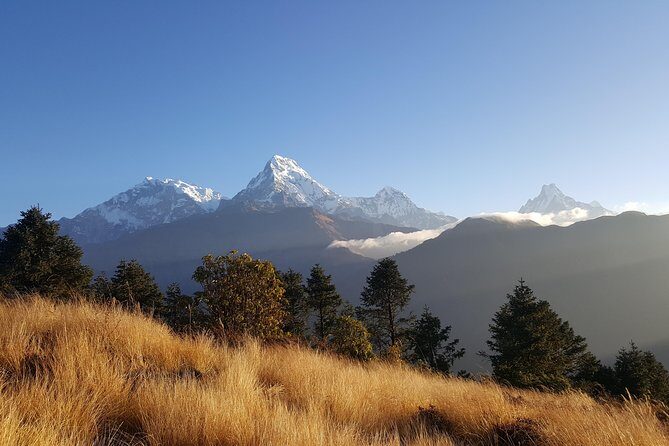
- Sunrise and sunset from Poon Hill: the trek is built around the classic dawn/dusk views.
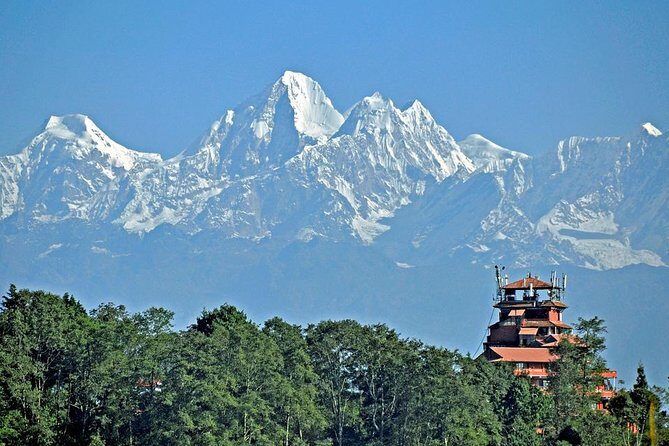
- Panoramic Himalayan line-up: you’ll be looking for peaks like Dhaulagiri and Annapurna, plus Himchuli, Machhapuchhre, Nilgiri, and more.
- Culture you can actually meet: Gurung and Magar culture is part of the walking experience, not just a side note.
- Short, easier trek profile: ideal if you want the Nepal trekking feel without a long multi-week commitment.
- Lodge comfort and included meals: accommodation and meals during the trek are included, which reduces decision fatigue.
Why Ghorepani Poonhill is such a popular Nepal trekking choice
If you want Nepal without signing up for a months-long expedition, this is one of the most practical ways to do it. The whole point is to get you to the viewpoint moments quickly, while still giving you the real trekking rhythm: walking in the daytime, eating warm meals at night, and waking up early when the mountains are at their most photogenic.
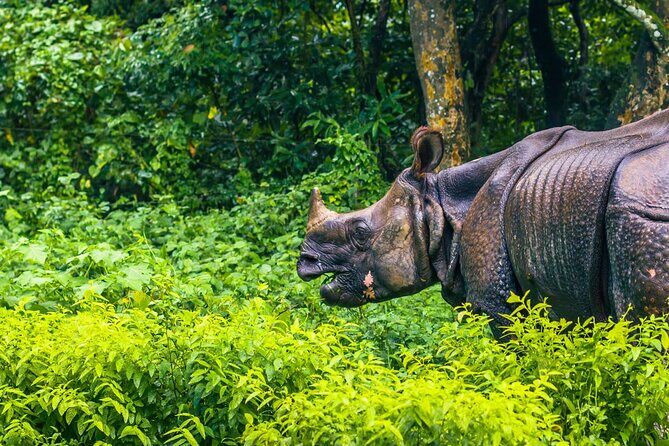
The views are the headline, but what makes the experience feel complete is the mix of nature and people. You’re not just climbing for a single photo. You get changing vegetation along the way, and you pass through communities tied to Gurung and Magar culture.
The trek is also described as a short and easy option. That matters because it lets more people participate, including travelers who want the Himalayas but don’t want to spend a week or two climbing higher and higher.
You can also read our reviews of more hiking tours in Kathmandu


Poon Hill viewpoints: what you’ll see and how to enjoy them
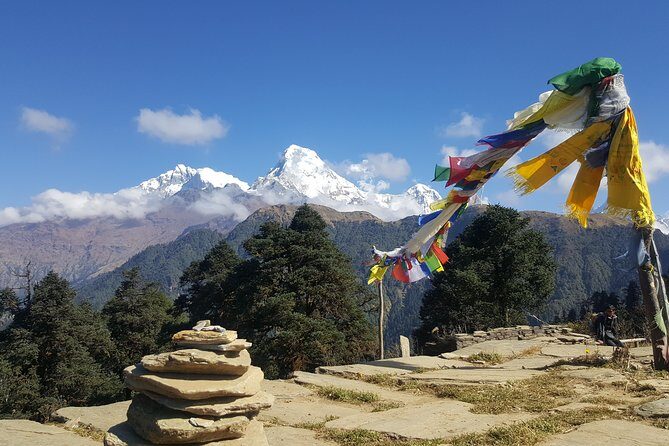
Poon Hill is famous for a reason. The trek is promoted specifically for amazing sunrise and sunset views, and the panoramic reach is part of the magic. The peaks listed include Dhaulagiri and Annapurna, plus Himchuli, Machhapuchhre (often spelled that way), Nilgiri, and others.
To get the best out of these moments, plan your mindset like this: treat sunrise as a payoff for an early effort, and treat sunset as a payoff for a late push. If you’re the type who wants to sleep in, this trek will gently force you to change habits.
What you’ll actually enjoy most is the way the viewpoint changes your sense of scale. From lower elevations, the mountains can feel like a distant backdrop. From Poon Hill, they become the main event, with multiple peaks in view rather than just one iconic silhouette.
If skies cooperate, dawn often gives you crisp visibility. If clouds roll in, you can still have a beautiful experience, but you’ll want to keep expectations flexible and stay focused on the whole trek day, not only the top-of-mountain moment.
The culture factor: Gurung and Magar life on the route
One of the best parts of this trek is that it’s not sold as a pure nature escape. It’s built around the Nepal trekking experience where villages actually shape your day.
You’re specifically set up to experience Gurung and Magar culture along the way. That can show up in how you move through villages, the hospitality you receive, and the everyday rhythm of the communities you pass through. The trek also highlights socially rich ethnic towns, which is a clue that you’ll spend time where people live—not only in isolated mountain zones.
In practical terms, this is a nice match for travelers who get restless when a trip feels like a bus ride between scenic points. Here, the walking links the scenery to human scale. You’re more likely to notice small details: how people live at different elevations, what paths look like in village areas, and how the trekking community has adapted to visitors.
Some feedback also mentions rhododendron forests in bloom, plus cool and pleasant walking conditions. That’s season-dependent, but it supports the idea that you’ll feel variety, not just one long stretch of similar scenery.
Your 5-day flow: pace, meals, and lodge comfort without the guesswork
The trek is listed as 5 days (approx.), and it’s marketed as short and easy. That combination usually means you’re not grinding uphill all day every day. You’ll still be walking, but the “easy trek” label suggests a pace most people can manage with reasonable preparation.
The big comfort win is that meals are included: breakfast, lunch, and dinner. When food is handled, you avoid the common trekking problem where your day becomes a constant search for what to eat, what’s open, and whether it’ll be warm.
Accommodation is also included for the trek portion. The listing language says best accommodation is available, and the feedback includes lots of appreciation for smooth arrangements. I take that to mean you’re not left improvising beds at the end of a long day.
The trek’s structure also keeps you at relatively lower heights compared with longer Himalayan routes, which can make the experience more accessible. It still includes viewpoint elevation work (since Poon Hill is the goal), but it’s positioned as a good option for people who want the highlights without a super high-altitude commitment.
Getting from Kathmandu to the trailhead: how the “private transportation” helps
This experience starts in Kathmandu and uses private transportation. Your meeting point is listed at Tribhuvan International Airport, Ring Rd, Kathmandu. Pickup is offered, and the activity is near public transportation, which is useful if you’re piecing together your own pre-trek days.
Private transportation may sound like a minor perk, but in practice it can make your first day less stressful. Trekking trips often fail not because the hiking is hard, but because getting organized is hard. When your transport is handled, you’re more likely to arrive on time, get your permits sorted, and start walking with less uncertainty.
The trek ends back at the meeting point, which is another practical detail. You’re not sent off into a different part of town to figure out your own ride.
Also, you’ll receive a mobile ticket, and confirmation is provided at the time of booking. That’s small, but it matters when you’re trying to keep your travel plans tight.




What the route is really selling: nature variety plus a viewpoint payoff
The trek route is described as offering the quintessential Nepal trekking pieces in a compact time window. That includes panoramic view of Himalayan peaks, different vegetation, and a mix of nature beauty and culture.
Different vegetation matters more than people think. When a trek stays in one type of scenery for several days, it can start to feel repetitive. Here, the promise of variety suggests your walking environment will change as you gain elevation or move through different areas.
That also links to the rhododendron mention in the feedback. Rhododendron forests are well known in the Annapurna region, and when they’re in bloom, they can turn a trail day into a full sensory experience. If you travel at the right time, you’ll likely notice color and texture in the woods, not only mountain views.
The viewpoint payoff keeps everything anchored. Even if a day is misty, the trek is designed around the expectation that you’ll still get those key sunrise and sunset moments at Poon Hill.
The guides: hands-on support that makes the week feel easy
The most consistently praised aspect in the feedback is guide care. Names that come up include Damu, Kamal, Prem, and Ambar, and porters like Naresh. The descriptions point to guides who are attentive during the whole week, not just present for the start and finish.
In practical terms, that kind of guide style helps with:
- keeping a pace that feels sustainable
- helping you handle small trekking decisions
- checking whether you need anything after you stop for the day
I also like that the trip experience is described as smooth from start to finish. That matters because trekking is one of those travel styles where tiny problems snowball quickly. If someone is watching the details, you’re more likely to enjoy the mountain time instead of troubleshooting.
If you’re trekking solo or you’re doing your first trek, that support becomes even more important. The feedback includes solo trekking praise, including getting encouragement to make Poon Hill happen when someone was initially pessimistic. That’s the kind of human factor that can change the whole experience.
Price and value: is $600 reasonable for this trek?
At $600 per person for about 5 days, the value depends on what’s already in your budget and how much you want to outsource planning.
Here’s what’s included:
- Breakfast, lunch, dinner
- Private transportation
- Permit
- Guide
- Accommodation (for the trek portion)
- Lunch and dinner and breakfast are explicitly listed as included as well
What’s not included:
- bottled water
- alcohol
- coffee and/or tea
- accommodation in Kathmandu and Pokhara, plus all expenses during the city
- tips for the guide
So you’re paying for the core mountain package plus key logistics. You’re not paying for city hotel stays, and you should budget for drinks like coffee/tea and bottled water.
For most travelers, that’s a fair deal. Trekking trips can balloon when you have to book your own guides, worry about permits, and then still pay for meals and lodging separately. This pricing bundles the essential stuff, which makes it easier to control total costs.
The one place to watch is the “during the city” line. If your schedule includes nights in Kathmandu and/or Pokhara, you may need to cover those separately, along with local expenses and tips.
Season, weather, and the rhododendron factor
This trek is heavily centered on sunrise and sunset. That means weather affects the biggest moments. You can’t control cloud cover, but you can control your flexibility and your willingness to head out early.
If you’re hoping for rhododendron forests in full bloom, know that this is seasonal. One feedback example specifically highlights rhododendron forests in bloom and cool, pleasant temperatures. That’s a strong sign you’re likely to get rewarding scenery, but the exact look depends on when you go.
If you want the mountain colors to feel sharp and photogenic, prioritize clear-skies days when possible. Even then, pack for variable conditions: sunrise is often colder than you expect, and lodge evenings can feel chilly after a day outside.
Who this trek is best for (and who should consider another option)
This trek is labeled as suitable for most travelers and specifically described as a reasonable option for people looking for genuine Nepal in a shorter time. It’s also positioned as a good choice if you want lower heights and a short commitment.
It’s a strong fit for:
- first-time trekkers who want a manageable introduction
- travelers who care about views plus culture
- people who prefer a guided trip where permits, meals, and lodging are handled
If you’re looking for extreme technical hiking, remote solitude, or weeks of high-altitude trekking, you may find this too short and too gentle compared with bigger trekking circuits.
Also, because the best moments happen early or late, it suits travelers who can handle a bit of routine disruption. If you’re very sensitive to early mornings or you hate cold starts, build that into your decision.
Should you book Ghorepani Poonhill with Mission Summit Treks and Expedition?
I’d book this trek if your goal is clear: a short, guided hike that delivers the classic Poon Hill sunrise and sunset experience with a panoramic Himalayan view list and real village atmosphere. The mix of included meals, trek accommodation, permits, and private transportation is the kind of value that makes trekking feel simpler.
I’d also feel good about the guide component. The names that come up in the feedback point to a team style that’s hands-on and attentive, including support roles from guides and porters. That’s exactly what you want when your trip is only about five days and you don’t want problems to eat your time.
Skip it or consider alternatives if you already have city lodging handled and you’re trying to travel as cheaply as possible, because the package doesn’t cover drinks like coffee/tea, bottled water, alcohol, city expenses, or tips. But if you want a clean, organized mountain week with the essentials done for you, this is a solid pick.
FAQ
How long is the Ghorepani Poonhill Hiking trek?
It’s listed as 5 days (approx.).
What’s included in the $600 per person price?
The included items are breakfast, lunch, dinner, private transportation, permit, guide, and accommodation (including meals tied to the trek).
What is not included?
Not included are bottled water, alcoholic beverages, coffee and/or tea, accommodation in Kathmandu and Pokhara, all expenses during the city, and tips for the guide.
Where is the meeting point and where does the tour end?
The start point is Tribhuvan International Airport, Ring Rd, Kathmandu, Nepal, and the activity ends back at the same meeting point.
Is pickup available?
Yes. The experience lists pickup offered.
Is this a private tour?
Yes. It’s described as a private tour/activity, meaning only your group participates.
What is the cancellation policy?
You can cancel for a full refund if you cancel at least 24 hours in advance. If you cancel less than 24 hours before the start time, the amount paid is not refunded. There’s also a minimum traveler requirement, and if it’s not met, you’ll be offered a different date or a full refund.