REVIEW · KATHMANDU
Landing Private Helicopter at Everest base camp & Gokyo for photo
Book on Viator →Operated by Himalaya Holiday service Pvt. Ltd.(HHS) · Bookable on Viator
Everest, without the boots. This private helicopter day trip turns a huge chunk of the Everest region into a fast, photo-first circuit, with views that normally take days to reach. I like how it’s built for real schedules (half-day timing) and real comfort (hotel transfers), so you’re not spending your best morning just getting to the trailhead. Hotel pickup and drop-off also make the whole thing feel calm and organized. A second big plus is the in-air experience: you’ll have live commentary on board plus a guide who helps keep things moving at altitude.
The main thing to weigh is weather. Helicopters in the Everest region are still at the mercy of cloud cover and wind, so your exact sighting time and photo windows can shift, and you may have a short wait depending on conditions.
In This Review
- Key things that make this helicopter Everest photo tour work
- Kathmandu Morning: hotel pickup, airport drive, and the 7:00 am start
- Why Lukla and Gokyo make sense when you skip the trek
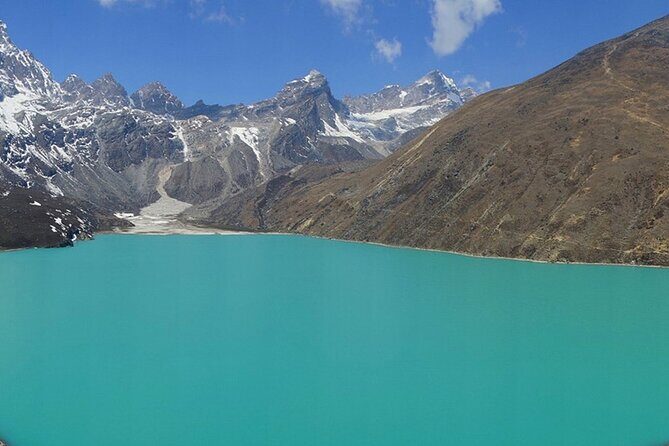
- Gokyo Lake: a fast route to big-water altitude views
- Kalapathar (the high point) and why it’s a photo magnet
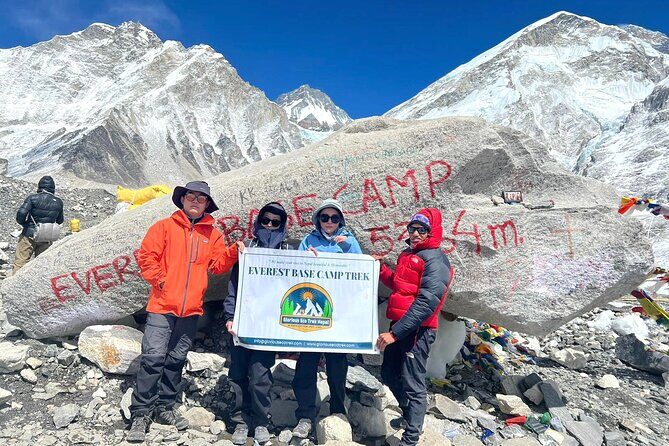
- Overflying Everest Base Camp: the quick way to see the whole scene
- Syangboche Marg breakfast hour: why that scheduled pause helps
- Private helicopter details that affect your comfort (and your photos)
- National park and municipality fees: the one cost you can’t ignore
- Price and value: is $4,399 per person actually worth it?
- Who should book this Everest helicopter photo tour
- Should you book? My decision guide
- FAQ
- What time does the tour start?
- How long does the tour take?
- Is hotel pickup and drop-off included?
- Is this a private tour?
- Which places do we fly to for photos?
- Is breakfast included?
- What extra fees should I budget for in Nepal?
- Do I need a passport for this tour?
- Is there a weight limit?
- How do tickets work?
Key things that make this helicopter Everest photo tour work
- Hotel transfers included so you start and end on your own timetable
- Pilot + guide focus with live in-flight commentary for smoother landings
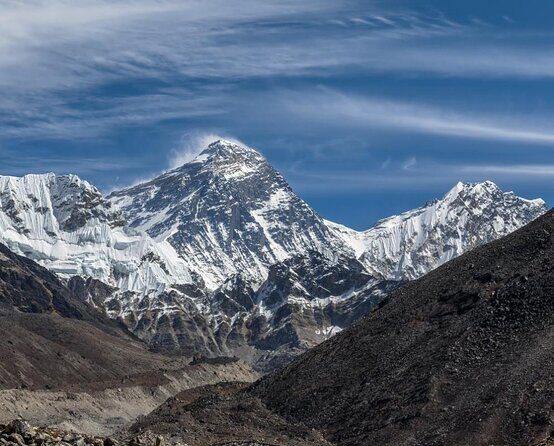
- A multi-stop photo route hitting Lukla, Gokyo Lake, Kalapathar, and Everest area overflights
- Short day trip format (about 3–4 hours) that frees you for other Kathmandu sightseeing
- Add-on costs you must plan for (national park fees and optional breakfast)
Kathmandu Morning: hotel pickup, airport drive, and the 7:00 am start
This is a morning-first tour. Pickup starts at 7:00 am, and the plan is simple: your guide picks you up from your hotel, then you drive to the airport. From there, you’re on a private helicopter flight schedule that’s designed around getting you into the Everest region quickly.
What I like about this setup is how it respects your vacation time. A trek to Everest Base Camp takes stamina, time off work, and careful planning. Here, your morning energy is used for flying, landing, and photographing, then you’re back in Kathmandu fast enough to still do other things that same day.
If you’re the kind of traveler who hates racing buses or wondering where you’re supposed to be next, this route is built for you: hotel pickup + a guide + a set departure time usually means fewer gaps in your day.
You can also read our reviews of more private tours in Kathmandu


Why Lukla and Gokyo make sense when you skip the trek
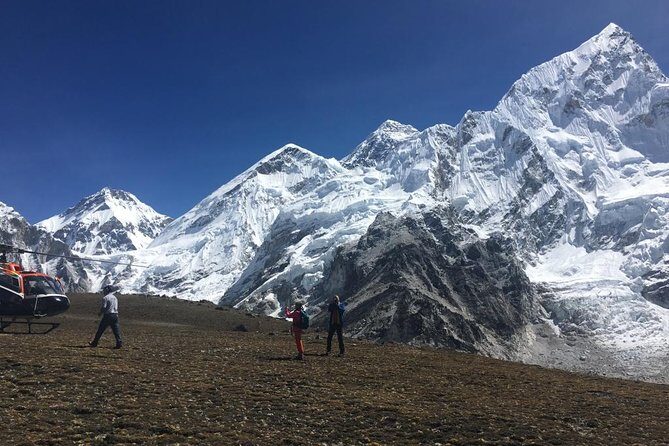
Most Everest photos you see online come from the long approach. The traditional route takes you through villages and up step by step. This tour takes a different path: it focuses on the viewpoints and the dramatic high-altitude scenery in a short window.
The early flight route includes Lukla and then continues toward Gokyo Lake and high points around the Everest Base Camp area. That matters because you get variety fast: glaciers and ridgelines, classic Sherpa-region geography, and several angles on Everest without spending your days hiking uphill.
Also, if you’re traveling with older family members, or anyone who wants Everest visuals without trekking, this is one of the few ways to match your dream with your energy level. The itinerary even notes it’s a good fit for people who don’t want to trek.
One practical detail: there’s a short fuel stop at Lukla on the helicopter circuit (about 10 minutes). That’s not a sightseeing moment, but it’s part of how the flight stays efficient and safe.
Gokyo Lake: a fast route to big-water altitude views
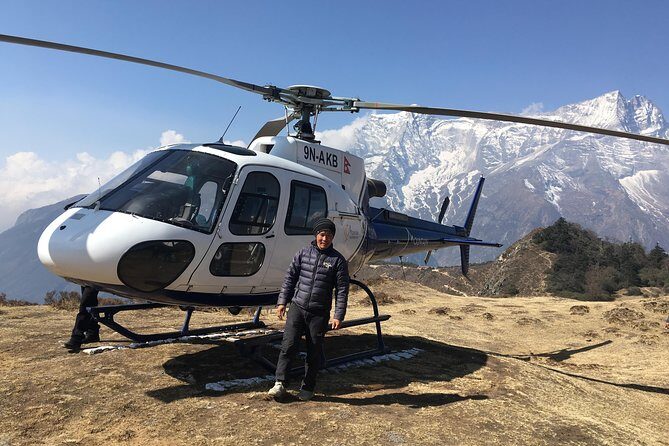
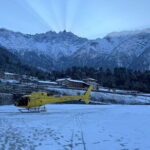
Gokyo Lake is one of those places that can look unreal in daylight—deep color, stark rock, and the high Himalayan feel all at once. In a trek, reaching the area takes days. Here, it’s one of your early stops, so you get a chunk of Gokyo’s scenery without the multi-day slog.
Since this is a photo-focused itinerary, you’ll want to think like a photographer for this portion:
- Bring gear you can operate quickly while seated or during short stops
- Expect the light to change fast at altitude
- Be ready to shoot even if a stop is brief
The benefit of a helicopter route is timing. You’re not waiting until day two or day four for the right weather window. The tradeoff is you can’t linger. This part is about quick access, not long wandering.
Kalapathar (the high point) and why it’s a photo magnet
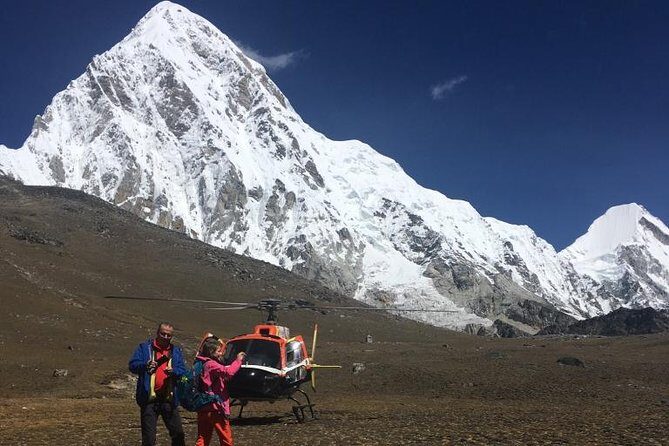
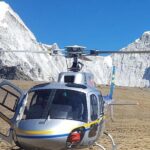
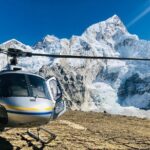
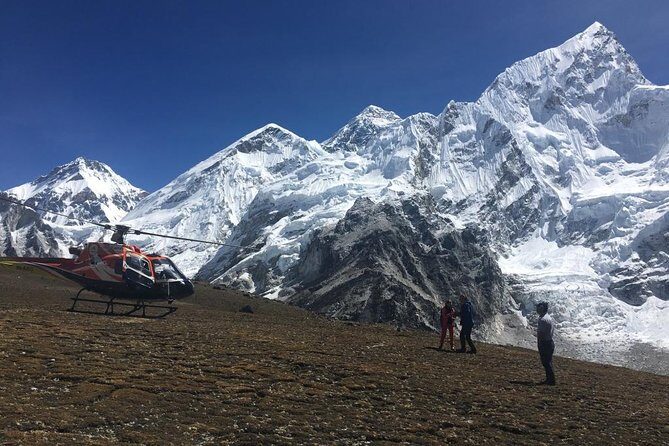
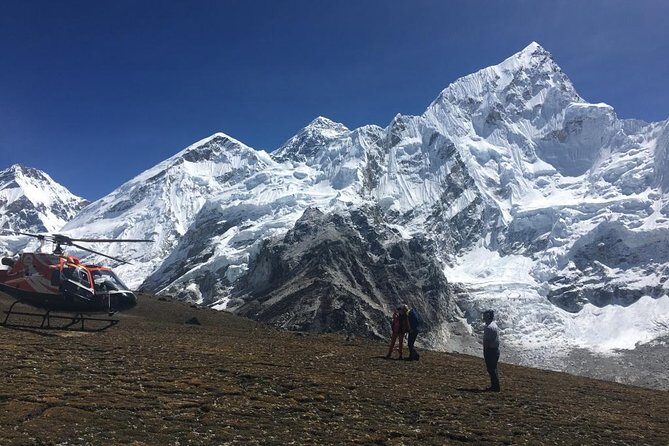
If you’ve ever searched for Everest photos that look like they came from a mountaintop postcard, you’ve probably seen Kalapathar referenced. It’s described here as the high point near the Base Camp area, and that matches what the viewpoint is known for: you’re in a position where Everest and the surrounding ridges feel close and layered.
In this tour, you’ll land at Kalapathar (built into the flight route) for time to take photos. Then you’ll continue to the next stop. For me, that’s the key idea: you’re compressing the “best view time” into the part of the day when you can still enjoy it, rather than spending all your daylight hiking toward it.
A realistic expectation: altitude affects everything. Your breathing, your energy, and even how long you want to stand still for a shot. This itinerary includes multiple high points, which can be amazing, but it’s also why planning to move carefully and stay warm matters.
Overflying Everest Base Camp: the quick way to see the whole scene
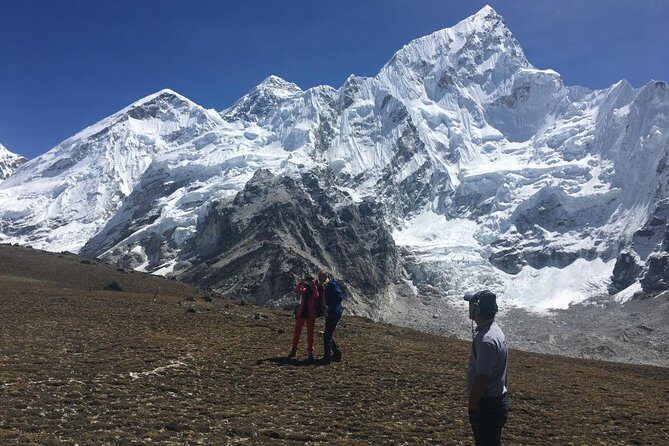
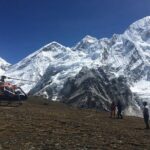
The flight route includes an overfly of Everest Base Camp after you visit Kalapathar and continue toward Hotel Everest View. Overflights are different from walking on the ground: you won’t get the same close-up feeling you’d have trekking. But you gain something else—bigger context.
From above, you can often understand the geography faster:
- where the valleys open up
- how the ridges align
- how Base Camp sits in the wider basin
If your priority is iconic photos of Everest framed by the surrounding terrain, this overflight can be the difference between a normal mountain view and a true “I’m here” image.
Tip from the vibe of the trip: keep your camera ready before the overfly moment. Don’t wait for the perfect second if it’s only a few minutes. With a helicopter route, the best shots often happen right as you realize the view has arrived.
A few more Kathmandu tours and experiences worth a look

Syangboche Marg breakfast hour: why that scheduled pause helps
One of the smartest parts of this itinerary is the built-in break. The route includes breakfast time for an hour at Syangboche Marg, and it’s noted as weather-dependent.
Even if you skip breakfast (it’s listed as optional and paid locally), the idea is good: your body gets a break after altitude and multiple photo stops. You also get a chance to reset your focus. When you’re shooting mountains from a moving aircraft or on short landings, your hands and neck get tired fast.
You’ll also get the classic Everest moment from Hotel Everest View, where the plan includes time around arrival and morning scenery. A breakfast stop with the Everest region in view is one of those “still worth it” parts even if you’re not a big foodie.
Just know the cost details:
- breakfast is optional and you pay locally (listed as USD 35 per person)
- you’ll also have to plan for park and municipality fees (next section)
Private helicopter details that affect your comfort (and your photos)
This is a private tour, meaning you and your group are the only participants. That matters because you’re not juggling a big crowd’s pace at landings. You can usually manage photo time without worrying about everyone else rushing the schedule.
On board, you get:
- a guide
- live commentary
- transport by private vehicle for pickup and drop-off
- fuel surcharge included
That live commentary piece is more useful than it sounds. When you’re looking at a mountain you’ve only seen in photos, naming what you’re seeing helps you frame better shots. It also makes the flight feel like an experience, not just transportation.
Safety-wise, the flight is operated with an emphasis on professional handling. In the experiences shared, pilots are described as experienced and tours are framed as well organized. You should still treat rotorcraft travel with respect—wear your gear properly, follow instructions, and keep your movement controlled around the aircraft.
One more practical note: the tour lists a total weight per passenger limit of 221 lbs. If you’re near or above that, ask before you commit.
National park and municipality fees: the one cost you can’t ignore
The price you see isn’t the full picture. This tour states that national park fees and Pasang lhamu municipality entry are USD 55 per person, and you pay locally in NPR.
That means your real budget is:
- the tour price you pay in advance
- plus the local fees on the ground
- plus optional breakfast (USD 35 pp) if you want it
- plus gratuities to the guide (not included)
Why I’m stressing this: people feel shocked at the end of a helicopter day when the bill pops up for fees they assumed were included. Here, the fees are clearly identified—you just need to treat them as part of your planning.
Price and value: is $4,399 per person actually worth it?
Yes, it can be, but only if you’re buying the right thing.
You’re paying for:
- time saved (a day trip instead of a multi-day trek)
- access to high-altitude viewpoints without physical strain
- a guided, photo-first route with multiple key stops
- private transfers that remove logistical stress
Here’s the balanced take. A helicopter flight is expensive because it’s expensive. You’re not just paying for air time. You’re paying for:
- the aircraft and flight planning
- the staffing (guide + pilot coordination)
- the ability to stop at specific photo locations
- the reality that weather windows in the Everest region can dictate what’s possible
If you have limited vacation days or you don’t want to train for a heavy trek, this can be very good value. If you’re fit, have plenty of time, and want to experience villages and trails, then this is more of a convenience upgrade than a best-price option.
Also remember the half-day format. You’re not only buying views. You’re buying the ability to use the rest of your day for Kathmandu sightseeing, shopping, or a slower meal without rushing to catch a flight back.
Who should book this Everest helicopter photo tour
This is a strong match if you:
- want iconic Everest-region views without trekking
- have older travelers in your group or anyone who can’t manage long hikes
- are short on time but still want multiple viewpoints in one day
- value private guidance and an organized day flow
It may be a weaker fit if you:
- want long, lingering time on the ground at each location
- dislike altitude and want a more controlled, gradual experience
- are expecting a low-cost option, because local fees and breakfast add-ons can increase the total
One more honest fit question: are you okay with the idea that the day is weather-dependent? If you build your schedule around a single morning and can’t be flexible, helicopter days can feel stressful.
Should you book? My decision guide
Book this tour if your main goal is Everest and the surrounding viewpoints in a single half-day, with hotel transfers and minimal physical effort. It’s a practical choice when trekking isn’t a realistic option, and it’s also a good way to experience Everest even if you’re not a mountain purist.
Skip it (or at least think hard) if you’re chasing cheap thrills or you want hours of wandering at each stop. And if weather is a big uncertainty for your trip timing, plan your Kathmandu schedule with breathing room.
If your budget allows it, you’ll likely feel like you bought a memory with direct payoff: multiple Everest angles, Gokyo Lake scenery, and Kalapathar-style altitude views—without spending your whole trip walking uphill.
FAQ
What time does the tour start?
Pickup and the start time are listed as 7:00 am.
How long does the tour take?
The tour duration is 3 to 4 hours (approx.), with flight time: 3 hours.
Is hotel pickup and drop-off included?
Yes. Hotel pickup and drop-off are included, with transport by private vehicle.
Is this a private tour?
Yes. It’s a private tour/activity, and only your group will participate.
Which places do we fly to for photos?
The route includes stops and/or landings connected to Lukla, Gokyo Lake, Kalapathar, and the Everest Base Camp area overflight, plus Hotel Everest View.
Is breakfast included?
Breakfast is not listed as included. The itinerary includes a breakfast time for an hour depending on weather, and it’s listed as optional to pay locally (USD 35 per person).
What extra fees should I budget for in Nepal?
You should budget for national park fees and Pasang lhamu municipality entry of USD 55 per person, paid locally in NPR.
Do I need a passport for this tour?
Yes. A current valid passport is required on the day of travel.
Is there a weight limit?
Yes. The tour lists total weight per passenger: 221 lbs.
How do tickets work?
A mobile ticket is included, and confirmation is received at booking.