REVIEW · KATHMANDU
Historical Kathmandu
Book on Viator →Operated by Nepal Holiday Makers Tours and Travels · Bookable on Viator
Holy smoke and big views start early. This private Kathmandu tour strings together major Hindu sites, from Pashupatinath by the Bagmati River to Patan Durbar Square with its older Krishna Mandir. I like that it’s planned as a smooth, point-to-point day with a private AC vehicle and hotel pickup, so you spend less time negotiating traffic.
I also like the mix of stops: a 2-hour Shiva anchor, a shorter Vishnu reclining stop, and quick shakti symbolism at Guhyeshwari, all with time to breathe and look closely. One drawback to consider: entrance fees are not included for some key sites, so your final spend may be a bit higher than you expect.
In This Review
- Key things to know before you go
- How this private Hindu sightseeing day works in real life
- Starting in Thamel at 9:45: why the timing is your friend
- Pashupatinath Temple: Shiva by the Bagmati River
- Budhanilkantha: Vishnu reclines in a pool
- Guhyeshwari Shaktipeeth: short stop, big symbolism
- Doleshwor Mahadeva in Bhaktapur: bull-headed lore
- Patan Durbar Square and Krishna Mandir: stone work from 1637 A.D.
- The private vehicle and point-to-point plan: comfort vs. time
- Price and value: what $160 covers (and what it doesn’t)
- Respectful temple visiting tips (so your day feels smooth)
- What I’d watch out for based on real issues
- Who this tour suits best
- Should you book this Historical Kathmandu Hindu temple circuit?
- FAQ
- How long is the Historical Kathmandu tour?
- Where do we meet, and when does the tour start?
- Is pickup and drop-off included?
- Is this a private tour?
- Do I need to buy entrance tickets?
- Which stops have free admission?
- Is lunch included?
- What’s included for comfort during the day?
Key things to know before you go
- Private AC vehicle + driver: you get point-to-point transport and hotel pickup/drop in the Kathmandu area.
- Temples with different ticket rules: some are free, but others require paid admission.
- This is a real religious circuit: you’ll be walking in active worship spaces, not museum-style stops.
- The day can run long: depending on timing and pace, it can stretch close to a full 7 hours.
- Communication quality matters: one past guest reported a guide no-show and a long wait, so reconfirm timing.
How this private Hindu sightseeing day works in real life
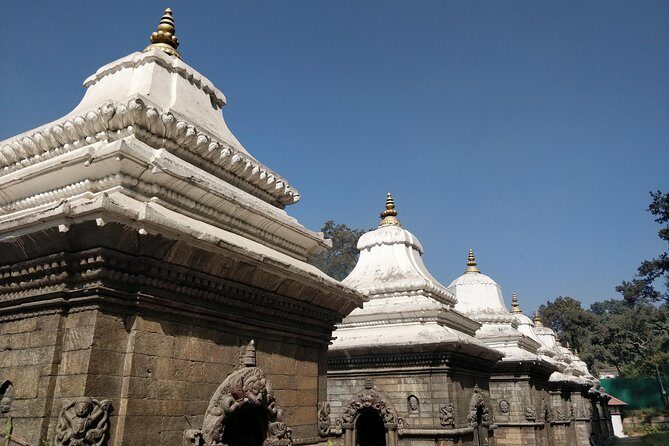
This kind of Kathmandu day tour is built for people who want structure without feeling trapped. You get a private vehicle and driver, and the route is designed around clusters of temples so you’re not zigzagging across the city on your own. It’s especially handy if you’re staying in or near Thamel, where many hotels are lined up and pickup is simple.
The experience is listed as about 1 to 7 hours, so I’d treat the lower end as a shorter custom pace and the upper end as the full circuit. In practice, you’re likely looking at a full morning-to-afternoon plan if you want to actually see and photograph without rushing.
You’ll also get a mobile ticket, which is useful if you hate scrambling for paper confirmations. And since it’s private, it’s just your group in the car, not a mixed crowd spilling in and out.
You can also read our reviews of more historical tours in Kathmandu

Starting in Thamel at 9:45: why the timing is your friend
The tour starts at 9:45 am from Thamel (Kathmandu 44600, Nepal), and it’s designed to run clockwise through key sites. That morning start matters in Kathmandu. Temples are active early, crowds tend to build later, and the walk-through experience feels calmer when you arrive before the day fully heats up.
Plan for an easy meetup: the meeting point is near public transportation, so you’re not stuck if you’re running a few minutes late. I also like that the tour ends back at the meeting point, which keeps your day simple and predictable.
If you’re the type who likes a slow look at carvings and courtyards, you’ll appreciate the fact that some stops are allotted longer time blocks. That’s how you avoid the common problem where you only get a glance and a photo.
Pashupatinath Temple: Shiva by the Bagmati River
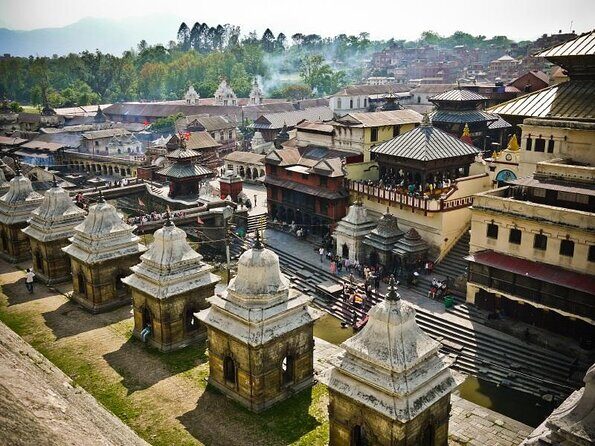
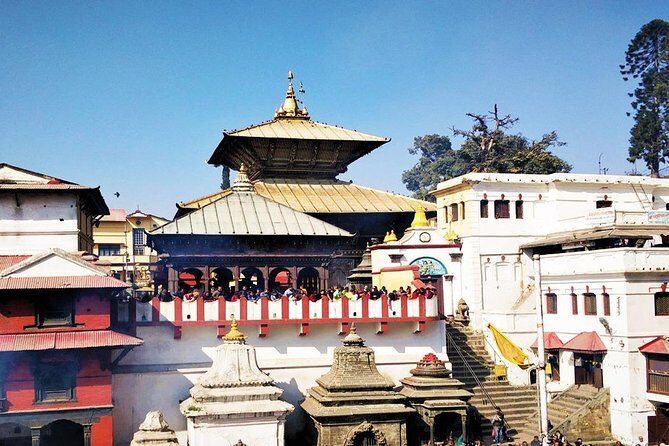
Pashupatinath Temple is one of the biggest Hindu temples dedicated to Lord Shiva in Kathmandu. It sits beside the Bagmati River with the Bankali Forest in the surrounding area, which helps explain why it feels both ceremonial and deeply local at the same time.
The temple’s opening hours are split: 5:00 am to 12:00 pm, and then 4:00 pm to 7:00 pm. On a 9:45 start, you’re in the first window, so you don’t have to worry about the midday closure cutting your visit short. That rhythm is part of the place’s character: it’s not a 9-to-5 attraction, it’s a functioning shrine.
You’ll spend about 2 hours here, which is the right amount of time if you want to do more than stand at the entrance. I’d use that time to watch how worshippers move through the space, then shift into your own pace to look at details around the temple complex. With a private driver, you also don’t lose time locating the route to the next stop.
Admission for Pashupatinath is not included, so if you’re budgeting tightly, set aside extra cash for entry.
Budhanilkantha: Vishnu reclines in a pool
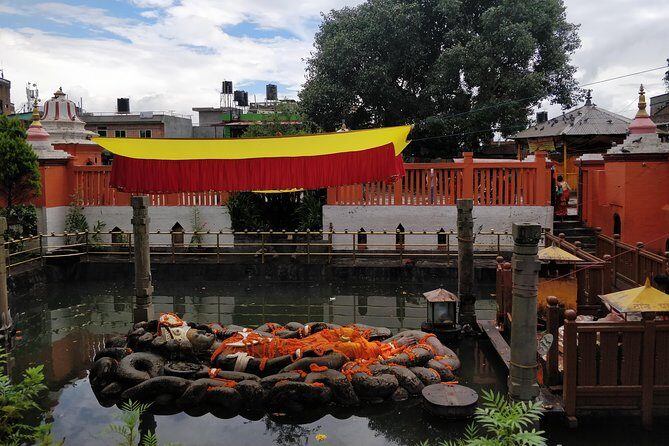
Budhanilkantha Temple is an open-air Hindu temple dedicated to God Vishnu. It’s known for an iconic feature: a pool with a reclining statue of Vishnu. This stop feels different from Pashupatinath because you’re not just looking up at a tall temple silhouette. You’re looking at a specific sacred form set into a water setting, which gives it a calmer vibe for photos and reflection.
The tour gives you about 1 hour here, which is enough time to take in the main sight and still wander around at a respectful pace. This is also a “known by more than one name” situation: the temple is also called Narayanthan.
Good news on tickets: the admission is listed as free for this stop. That makes it a strong value add in a day where some other temples may cost extra.
Guhyeshwari Shaktipeeth: short stop, big symbolism
Guhyeshwari Shaktipeeth Temple is right beside Pashupatinath, so it fits nicely into the morning flow. It’s dedicated to Goddess Parwati in her shakti form, and it’s described as a famous Shaktipith.
The key story link you’ll hear associated with this place is that it’s believed to be connected to where Sati’s hips (or hind part) were formed. Whether you’re deeply religious or just curious, that kind of origin belief changes how you look at small details. You might notice more people pausing, folding hands, or treating even a brief stop as meaningful.
Time here is about 30 minutes, and admission is free. That quick duration can be a positive if you like tight focus. Just don’t expect a long, guided walkthrough; this is more of a “see it, understand it, move on” moment.





Doleshwor Mahadeva in Bhaktapur: bull-headed lore
The day includes a detour to Doleshwor Mahadeva Temple, located in Bhaktapur. This stop is significant for Lord Shiva devotees and has a distinctive legend: it’s believed that Kedarnath has the body of a bull, while Doleshwor Mahadev has the head of a bull. The tour notes that a Kedarnath trip is incomplete without visiting Doleshwor, which tells you how strongly this connection is held.
You’re given about 2 hours for this stop. That’s longer than the quick shakti stop, so you’ll have time to walk the area and settle in rather than just pass through. The admission is listed as free, which is another value win.
One thing to keep in mind: since this is in Bhaktapur rather than central Kathmandu, you’ll be depending on the driver for smooth navigation and timing. The private vehicle helps here because public transport connections between these points are not always the simplest.
Patan Durbar Square and Krishna Mandir: stone work from 1637 A.D.
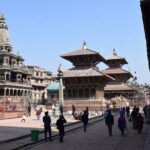
The final major highlight is Patan Durbar Square, home to the Krishna Mandir. This temple is described as a center of attraction for Hindu devotees and tourists. If you’re into craftsmanship, you’ll likely enjoy the “slow looking” aspect here.
The tour info specifies that the Krishna Mandir was built in 1637 A.D. by Siddhi Narsinha Malla. That detail matters because it gives you a real anchor for what you’re standing in. You can treat this as more than a stop on a route; it’s an artifact of a specific period of Patan’s architecture and patronage.
Time here is about 2 hours, which helps because Durbar Square areas tend to reward lingering. Admission for this stop is listed as not included, so this is another part to budget for.
The private vehicle and point-to-point plan: comfort vs. time
The tour includes a private AC vehicle with a private driver, plus hotel pickup and drop. That’s not just a convenience perk. In Kathmandu, traffic, road construction, and route decisions can make an unplanned day feel stressful. With a private vehicle, you get fewer variables, and you can keep your focus on the temples.
The route is described as “sightseeing vehicle on point to point basis.” Translation: you should spend your energy on walking through each site rather than spending it on getting there. For me, that’s the main value of private for religious sightseeing. Temples are walkable, but Kathmandu streets can be less predictable.
You’ll also get a bottle of mineral water (1000 ml) per person per day. It’s a small inclusion, but in real temple circuits it helps you stay comfortable, especially if you’re out longer than expected.
Price and value: what $160 covers (and what it doesn’t)
At $160, this tour is priced like a private day, not a budget shared group. What you’re paying for is the combination of private transportation, hotel pickup/drop, and the structure of a full religious circuit.
Included costs cover:
- private AC vehicle and driver
- 1000 ml water per person per day
- all fees and taxes (as stated)
- sightseeing vehicle point-to-point
- hotel pickup and drop
Not included costs are the bigger surprise category for many people:
- entrance fees for sightseeing points
- lunch and snacks
- guide services (the data lists guide as not included)
- tips and personal expenses
- plus medical/insurance/phone
So the value depends on your own preferences. If you’re happy paying a few temple entry fees and you want comfort and simplicity, this is good value. If you want a one-price day with no extra payments at gates, you might find the exclusions annoying.
Also note the tour’s format: it’s described as a private activity with only your group participating. If you’re traveling solo, you may still get the private setup, but the per-person value can feel more personal depending on how many in your party.
Respectful temple visiting tips (so your day feels smooth)
This is active worship, not just sightseeing. You’ll do best if you treat each site with a calm, practical mindset.
- Dress modestly and keep shoulders and knees covered. Even if the temple area is open, religious spaces expect that basic respect.
- Move slowly inside compounds. You’ll see people praying and walking with purpose, so avoid treating it like a race for the perfect shot.
- Expect mixed crowds and small bottlenecks, especially at major Shiva and shakti sites. A private plan helps you avoid delays between stops, but the sites themselves can still be busy.
- Bring a little patience. In Kathmandu, even with a driver, the pace is shaped by worship rhythms.
And since entrance fees for certain locations are not included, it’s worth carrying some cash so you’re not stuck hunting for payment at the gate.
What I’d watch out for based on real issues
Overall, the tour has a solid rating of 4.3 from 9 reviews, which suggests most people leave happy. The most consistently praised point is good trip planning and helpful drivers. One named highlight is Driver Nethra, described as very helpful.
That said, there are red flags you should treat like a checklist:
- One guest reported that the guide never arrived at the meeting bridge and they waited about an hour. If your pickup coordination relies on communication, reconfirm your exact pickup time the day before and keep the operator contact info handy.
- Some feedback points to hotel-related problems, including water issues connected to a stay at Samsara and a coordination issue connected to Kantipur. That doesn’t change the temples themselves, but if you’re bundling lodging, it’s worth asking what’s guaranteed and what is not.
In other words: I’d book if you want the private comfort and religious sights, but I’d also plan like a grown-up. Confirm pickup, confirm timing, and carry enough for entrance fees.
Who this tour suits best
This tour fits you if:
- You want major Hindu temples without building the route yourself.
- You prefer the comfort of a private AC vehicle and don’t want to fight for taxis between distant points.
- You’re okay with paying some entrance fees separately and handling lunch on your own.
- Your schedule can handle a day that runs up to about 7 hours depending on pace.
It might be less ideal if:
- You want a short, lightweight outing under 2 hours with no extra costs.
- You need a perfectly timed guide experience and don’t want any uncertainty. (You can reduce that risk by reconfirming pickup.)
Should you book this Historical Kathmandu Hindu temple circuit?
If your goal is to see a classic set of Kathmandu-area Hindu landmarks with private comfort, I think this is a good booking. You get a clean structure, a helpful driver setup, and a smart blend of stops: Shiva at Pashupatinath, Vishnu at Budhanilkantha, shakti symbolism at Guhyeshwari, the bull-lore connection at Doleshwor in Bhaktapur, and Patan’s Krishna Mandir built in 1637 A.D.
My practical advice: book it if you can handle separate temple entrance fees and you’re okay with planning lunch/snacks yourself. Before you go, message to reconfirm pickup details and bring cash for gates. If you do those two things, you’ll likely spend your day where it matters: inside the sacred sites, with time to look and not just pass through.
FAQ
How long is the Historical Kathmandu tour?
The duration is listed as approximately 1 to 7 hours, depending on pacing and the stops included.
Where do we meet, and when does the tour start?
The start location is Thamel, Kathmandu 44600, Nepal, and the start time is 9:45 am.
Is pickup and drop-off included?
Yes. Hotel pickup and drop are included.
Is this a private tour?
Yes. It’s a private tour/activity, so only your group participates.
Do I need to buy entrance tickets?
Entrance fees for sightseeing points are not included. Some stops are free, but others are listed as admission ticket not included.
Which stops have free admission?
Budhanilkantha Temple is listed as admission ticket free. Guhyeshwari Shaktipeeth Temple is admission ticket free. Doleshwor Mahadeva Temple is also listed as admission ticket free.
Is lunch included?
No. Lunch and snacks are not included.
What’s included for comfort during the day?
You get a private AC vehicle with a private driver, and a bottle of mineral water (1000 ml) per person per day. A mobile ticket is also provided.