REVIEW · KATHMANDU
Manaslu Circuit Larkya Pass Trekking 13 days From Kathmandu
Book on Viator →Operated by Three Jewels Adventures · Bookable on Viator
Manaslu feels quieter for a reason. This 13-day Manaslu Circuit from Kathmandu uses restricted-area permits, so you’re moving through villages and mountain views with less crowd pressure than the region’s more famous neighbor. You also get a guide-led route to Samagaun that heads into glacier-country scenery and tends to feel calmer than the busiest lines. The only real caution: you’ll deal with long travel days and a tough early start when you cross Larkya La, so moderate fitness really matters.
I also like how Three Jewels Adventures handles the people side: you meet up in Kathmandu, get help with the Manaslu restricted-area document work, and head out with a guide plus support staff. The group size is capped at a maximum of 15, which makes it easier to feel organized without turning into a giant parade. Still, day 2 starts with a long jeep ride because much of the road is unpaved.
For value, the package includes most meals (11 breakfasts, 12 lunches, 11 dinners) and covers entry fees on the days you need restricted-area access. Drinks, hot showers, tips, personal expenses, travel insurance, and emergency costs are on you. If you’re expecting frequent easy comforts, plan around that up front.
In This Review
- Key takeaways before you go
- Why Manaslu feels different from the usual trek circuit
- Getting started in Kathmandu: permits, paperwork, and a smooth first handoff
- Day 2 jeep transfer to Khorla Besi: plan for the ride, not just the walk
- Into the restricted Manaslu zone: village walking with big-altitude context
- The Samagaun approach: a glacier route that feels less busy
- Virendra Lake and the calm rhythm of half-day treks
- Larkya La crossing to Bimthang: the tough day that earns its reputation
- Connecting to the Annapurna Circuit at Dharapani
- The return to Kathmandu: jeep ride via Besishahar and one last mountain breath
- Price and value: what $1,560 buys you on this trek
- Who this trek suits best (and who should think twice)
- Guides and service quality: small-group support that matters
- Should you book the Manaslu Circuit with Larkya Pass?
- FAQ
- How long is the Manaslu Circuit Larkya Pass trekking experience?
- Does the price include permits for the Manaslu restricted area?
- Is pickup included in Kathmandu?
- What transportation do I use to start and finish the trek?
- What meals are included during the trek?
- What fitness level do I need for this trek?
Key takeaways before you go
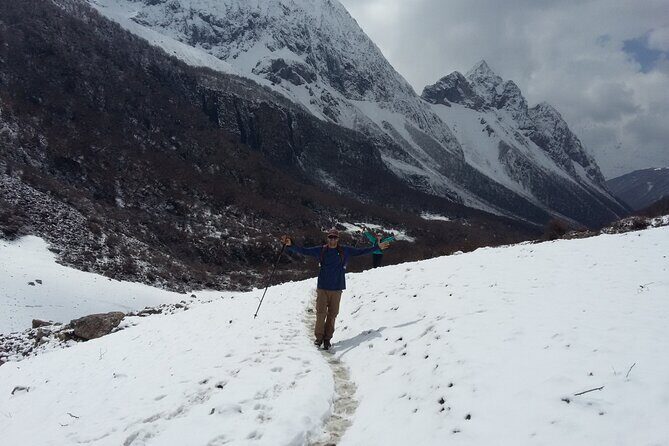
- Restricted-area trekking means less crowd pressure while you explore the Manaslu region.
- A less-trekked Samagaun approach gives you a glacier-and-mountain-view day that feels more “found” than scheduled.
- Virendra Lake and wildlife sightings are part of the fun during the easier half-days.
- Larkya La is the big test day, with an early start and a tough trek down toward Bimthang.
- Group size stays small (max 15), which helps on the trail and with logistics.
- Meals are mostly covered, but drinks and hot shower expectations should be managed.
Why Manaslu feels different from the usual trek circuit
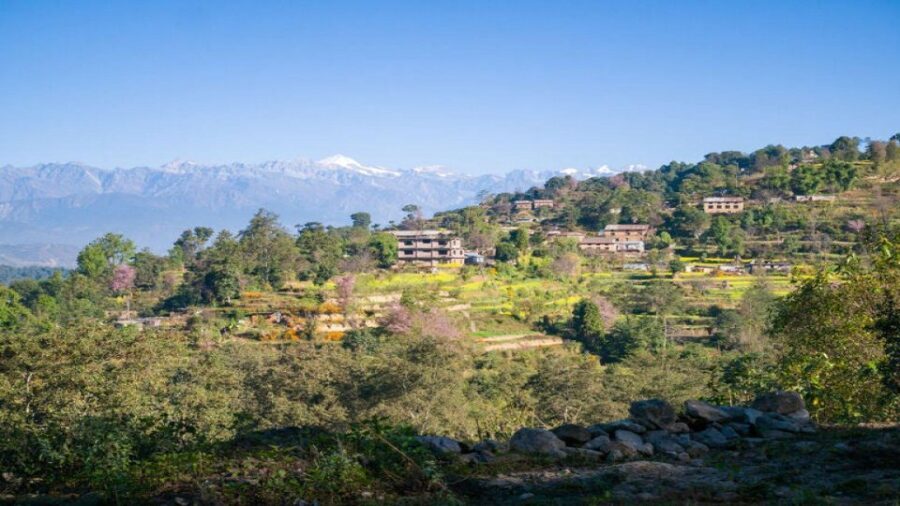
Manaslu sits in a controlled zone for foreign visitors, and that single fact changes the whole vibe. You get to walk through villages and high-altitude scenery without the same constant flow you might see on other popular routes in Nepal.
This trek is also built around the idea that better days happen when you’re smart about pacing. You’ll see that in the mix of full trekking days, half-day days, and a dedicated acclimatization rest window.
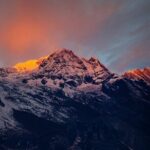
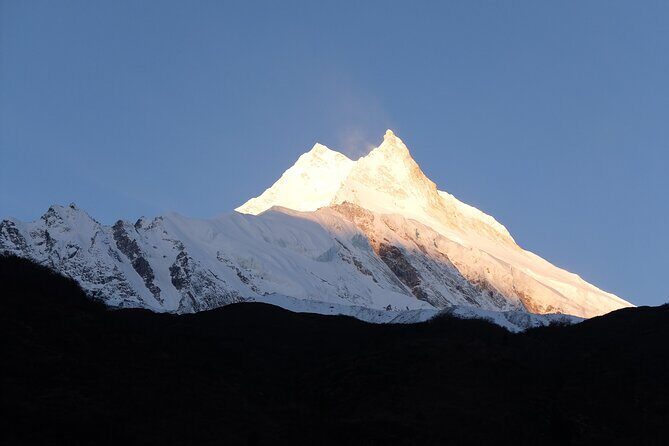
And yes, the mountain is the headline. Mt Manaslu (8163 meters) anchors the experience, but the real payoff is how often the trek puts you in position to enjoy it—without spending the whole time just trying to survive the next step.
You can also read our reviews of more hiking tours in Kathmandu


Getting started in Kathmandu: permits, paperwork, and a smooth first handoff
Day 1 is all about Kathmandu logistics and the Manaslu restricted-area paperwork. You’ll meet at the airport or a meeting point, then collect the necessary documents needed for the permit.
That sounds like admin—until you realize it can make or break your schedule. On a restricted trek, you don’t want to be scrambling at the last minute, so I like that this is handled right away instead of being left to you to figure out solo.
You’ll also be working with Three Jewels Adventures, and in past feedback tied to this operator, people name contacts like Amber Tamang for clear communication and helpful matching of trek style to what they want.
Day 2 jeep transfer to Khorla Besi: plan for the ride, not just the walk
Most people picture Nepal trekking as “start hiking, repeat.” Here, day 2 flips that expectation. Because road conditions aren’t paved for much of the route, you take a jeep to the trekking start point at Khorla Besi, and it takes about 7–8 hours.
This matters because it sets your body’s mood for the trek. If you show up tired and dehydrated, the hike days later feel harder than they need to be. I’d treat the jeep day as your first acclimatization step in attitude: hydrate early, keep warm, and don’t underestimate how long you’ll be sitting.
Also, note that private transportation isn’t listed as included—so your group movement is structured around the shared jeep transfers that come with the program.
Into the restricted Manaslu zone: village walking with big-altitude context
When you enter the restricted area, the trek becomes both practical and special. You continue with your guide and staff, and the walking takes you through changing settlement patterns as altitude rises.
Days 3 and 4 are where you really start to feel the Manaslu region’s “worked but not overrun” feel. You’ll move through different vegetation and settlement types, and you’re also positioned for strong mountain views as you climb.
Day 5 brings Namrung into the mix. You pass old villages in the restricted area, and that’s where the trip’s culture side starts feeling real instead of generic. The trail doesn’t just take you upward; it threads you through a landscape shaped by daily life.
Day 6 is a view-focused day, with an “amazing view” of Mt Manaslu called out. Even if clouds roll in at times (it happens everywhere in the Himalaya), the trek has enough flexibility in its pacing that you’re not only chasing one perfect moment.
The Samagaun approach: a glacier route that feels less busy
One of the most interesting parts of this trek is the choice to route through a less-used approach to Samagaun. Instead of pushing everyone through the busiest corridor, your guide takes a route that goes through glacier country and gets you there in about 6 hours on that day.
Why you should care: glacier views can be stunning, but what you really remember afterward is the sense of space. A less-crowded trail makes the photos better because you’re not fighting for time with the same handful of viewpoints.
Your guide matters here. In feedback tied to this program, people highlight the expertise of guides such as Nursang Sherpa and the ability to read conditions and choose routes that fit the group.
Then day 8 is built for acclimatization in Samagaun. You rest, and you can also choose an optional monastery or village visit. I like this structure: you’re not guessing whether you should slow down. The trek gives you permission to catch your breath and adjust.






Virendra Lake and the calm rhythm of half-day treks
Days 9 and 10 are a different tempo—half-day walking paired with half-day resting. That’s a smart combo for high-altitude treks because it protects your energy for the harder days ahead.
On day 9, you’ll get an easier trek plus a visit to Virendra Lake. Even if you’re tired, a lake stop gives you a mental reset. You’re still moving, but you’re also allowed to sit, look, and let your body settle.
Day 10 keeps that pace and adds a wildlife angle. On the way toward Larkya La Pass, you may spot marmot and blue sheep. Wildlife sightings aren’t guaranteed, but I like having that in the day plan because it encourages slow, careful walking instead of rushing to the next milestone.
This is also where the guide’s style really shows. You want someone who doesn’t just lead; they help you notice.
Larkya La crossing to Bimthang: the tough day that earns its reputation
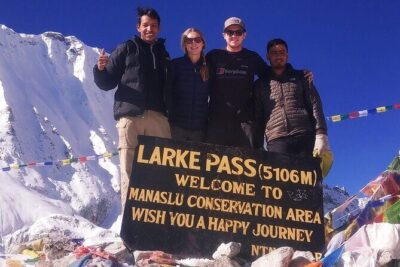
Day 11 is the big push. You start early and trek over Larkya La, then continue down to Bimthang. It’s listed as a tough day and takes about 9 hours.
This is where your moderate fitness level gets put to work. The altitude makes every step feel heavier, and the early start means you need to be mentally ready before you’re fully awake.
But here’s the trade: if you pace it well, this is one of those days you’ll remember for the effort. Pass crossings change the sense of space in a way valley walks don’t. You’re in the middle of the mountains, not just beside them.
Also, because this day is down to Bimthang afterward, it sets you up for a more manageable finish compared with doing an all-day summit push and then nothing.
Connecting to the Annapurna Circuit at Dharapani
After the Larkya La effort, the trek transitions into a familiar route section. Day 12 brings a walk toward Dharapani, where you meet the Annapurna Circuit trail.
This isn’t just geography. It means you’ll feel a change in the trekking rhythm—more of the standard circuit movement and less of the isolated Manaslu-feel. That can be comforting at this stage because it’s a reminder that the trek is nearing its end.
Day 12 still gives you real trekking time (about 8 hours), so you shouldn’t treat it like a recovery stroll only.
The return to Kathmandu: jeep ride via Besishahar and one last mountain breath
Day 13 ends the trek with a jeep drive back to Kathmandu via Besisahar, about 9 hours. You’ll also stop for lunch along the way before arriving at your hotel.
This is the moment to plan your day mentally. You finish your walking, then you spend hours in a vehicle, which can be tiring if you’re sore. Still, it’s a clean exit compared with multi-day “crawl back down” logistics.
If you’ve been holding extra energy for the final day, use it on comfort choices: eat something you actually like, hydrate, and protect your sleep that night.
Price and value: what $1,560 buys you on this trek
At $1,560 per person for a 13-day program, you’re paying for more than just guiding. You’re paying for the entire system that makes a restricted-area trek work—document help, entry fees on the days you need access, and a plan that doesn’t just follow the most obvious line.
You also get a structured meal plan: breakfast on 11 days, lunch on 12 days, and dinner on 11 days. That’s a real cost saver in Nepal treks, where you’d otherwise budget meals separately.
What isn’t included is equally important for value math. Drinks, hot shower access, tips, personal expenses, travel insurance, emergency costs, and private transportation are not included. If you want a more comfortable experience—like paying for extra drinks or planning for more lodging upgrades—you’ll need to budget on top of the listed price.
Also, with a max group size of 15, you’re not paying for the chaos of very large groups. Small-group logistics often mean better pace control and fewer problems when plans shift.
Who this trek suits best (and who should think twice)
This trek is built for people with moderate physical fitness, and the pacing reflects that. You’ll have strong trekking days, but you also get built-in rest and half-day rhythm before and around altitude pressure points.
You’ll likely love this trek if you:
- want less-crowded feeling in a controlled restricted region
- care about both culture (villages like those around Namrung) and mountain time
- like having a guide who picks routes, not just a guide who follows a map
You might think twice if you:
- want a trek with minimal travel time on vehicles (day 2 is a long jeep ride, day 13 is long too)
- expect hot shower availability as a standard part of the experience (it’s listed as not included)
Guides and service quality: small-group support that matters
One of the strongest signals from feedback on this operator is service quality. People call out Amber Tamang for communication before the trek and named guides like Nursang Sherpa for expertise and calm professionalism. Another guide mentioned is Pemba, described as helpful and skilled.
Even without overpromising, that kind of consistency usually translates into practical trail advantages: better pacing, smarter route choices, and fewer days lost to confusion.
And since the program includes guide and staff support through the restricted area, you’re not just buying hiking. You’re buying guidance that fits the terrain.
Should you book the Manaslu Circuit with Larkya Pass?
If your goal is a high-mountain trek that feels more personal and less crowded than the big-name alternatives, this one makes sense. The restricted-area access, the less-used Samagaun route, and the combination of easy half-days with a real pass-crossing day creates a trek rhythm that’s demanding but not sloppy.
I’d book it if you’re ready for long jeep transfer days and you can handle one tough early start over Larkya La. It’s a trek for people who want real effort and real views—not just a checklist of peaks.
FAQ
How long is the Manaslu Circuit Larkya Pass trekking experience?
It’s listed as 13 days (approx.).
Does the price include permits for the Manaslu restricted area?
Your day 1 setup includes collecting documents for the restricted-area permit, and the itinerary marks admission ticket access as included on the key restricted-area trekking days.
Is pickup included in Kathmandu?
Yes, pickup is offered in Kathmandu, with meeting arrangements shared after booking.
What transportation do I use to start and finish the trek?
You take a jeep to the trekking start at Khorla Besi (about 7–8 hours) and a jeep back to Kathmandu via Besisahar on the final day (about 9 hours). Private transportation is not listed as included.
What meals are included during the trek?
The package includes breakfast (11), lunch (12), and dinner (11).
What fitness level do I need for this trek?
The program asks for moderate physical fitness. The trek includes a tough day crossing Larkya La and reaching Bimthang, which is why fitness matters.