REVIEW · KATHMANDU
Manaslu Circuit Trek – Untouched trail
Book on Viator →Operated by Trek Around Himalayas Pvt. Ltd. · Bookable on Viator
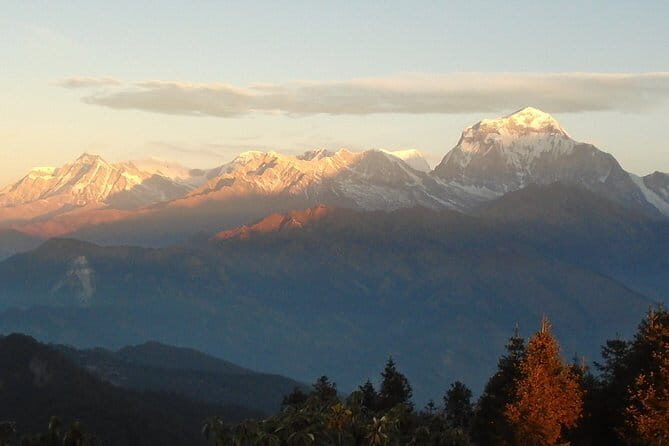
The Manaslu circuit feels truly remote. This trek runs through the Manaslu Conservation Area, built around big views of Mount Manaslu, and then tests you (in a good way) with the high, quiet crossing at Larkya La. You’ll move through glaciers, high-latitude lakes, rivers, pastureland, and dense forest—so the scenery changes often, not just at the peak moments.
I love how the trip is set up so you spend less time hunting logistics and more time walking. You get an English-speaking guide, the special permits paperwork (including Mcap/Acap permits and TIMS), and steady day-to-day structure with tea-house stops. I also like the acclimatization day in Samagaon, where you can slow down and notice details like the mani stones and the Pungyen Gompa visit. The only real drawback to consider is that the trek includes a 5,160m pass and long walking days, so good weather and solid fitness matter.
In This Review
- Key Things I’d Tell a Friend Before Booking
- Why the Manaslu Circuit Feels More Wild Than Usual Routes
- Kathmandu Warm-Up: Durbar Square, Boudhanath, and Pashupatinath
- Soti Khola to Machha Khola: The Real Trek Starts
- Machhakhola to Khola Besi and Beyond: Hot Springs and River Crossings
- Philim, Bamboo Forest, Deng, and Namrung: This Is the Hiking Meat
- Lho, Ribung Gompa, and the Samagaon Pause That Helps You Breathe
- Samdo, Kermo Kharka, and the Larkya Glacier Build-Up
- Larkya La (5,160m): The Big Pass Day to Bimthang
- Into Annapurna Conservation Area: Sangure Meadows to Dharapani
- What You Actually Get for $1,350: Permits, Tea Houses, Meals
- Who This Trek Best Fits (and What to Double-Check)
- Should You Book the Manaslu Circuit Trek, Untouched Trail?
- FAQ
- How long is the Manaslu Circuit Trek?
- Where does the trip start and is airport pickup included?
- Is this tour private?
- What is the highest point on the trek?
- What’s included in the tour price?
- Are permits, visa, and entrance fees included?
Key Things I’d Tell a Friend Before Booking
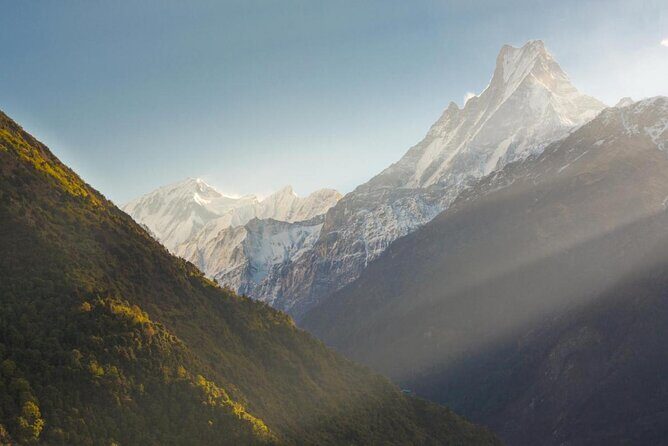
- Untouched-feeling Manaslu Conservation Area with wildlife potential like snow leopard, blue sheep, and Himalayan tahr
- Larkya La (5,160m) plus glacier moraine walking—your best day for mountain views
- Samagaon acclimatization with mani stones and a gompa visit so you’re not rushing altitude blindly
- Permits handled for you (Mcap/Acap permits and TIMS), paired with an English-speaking guide
- Private group travel so the pace and stops stay focused on your group
- Tea-house trekking with meals included, but hot shower and drinking water cost extra
Why the Manaslu Circuit Feels More Wild Than Usual Routes
Manaslu Circuit Trek is all about the Manaslu Conservation Area (1,663 km²). That size matters. It means you’re not just passing through one scenic postcard—you’re moving through a protected region with glaciers, rivers, pastures, and forests, plus an honest chance of wildlife sightings in the right conditions.
The trek is also built around Mount Manaslu itself (8,163 m). Even without reaching high altitude like locals, you’re repeatedly placed to see the mountain from different angles—higher ridges, glacier views, and finally the dramatic sight after crossing Larkya La. If you like trekking where the scenery keeps changing, not just peaking once, this route is made for you.
One extra detail I like: this area is described as home to big game like snow leopard and grey wolf, plus musk deer, blue sheep, and Himalayan tahr. You can’t plan on seeing them, but knowing the conservation value is real adds weight to the trip. And bird lovers can keep an eye out for names listed for this region—like the variegated laughing-thrush, Grandala, and northern goshawk.
You can also read our reviews of more hiking tours in Kathmandu


Kathmandu Warm-Up: Durbar Square, Boudhanath, and Pashupatinath
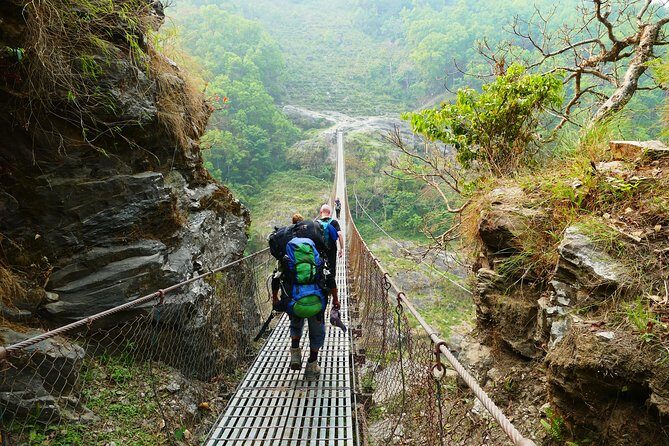
Before you earn your first high view, you start in Kathmandu. Day 1 is a soft landing: you land at Tribhuvan International Airport, get through customs/immigration, and meet a representative for a private-vehicle drop to your hotel. After that you’ve got time for trekking prep and shopping—practical if you’re arriving without poles, a good layer system, or the right socks.
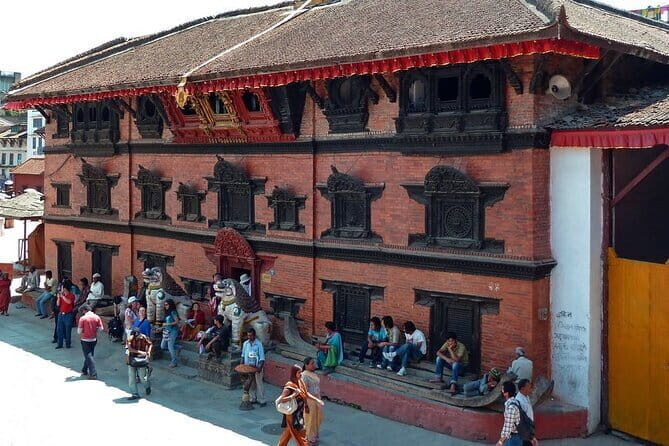
Then you’ll visit Kathmandu Durbar Square. The day plan notes a Durbar Square stop with an admission ticket included, and it’s a nice way to get oriented fast—old architecture, street energy, and a sense of where your journey begins.
Day 2 keeps Kathmandu moving with UNESCO sites: Boudhanath, Pashupatinath, and the Monkey Temple area. Boudhanath is described as the oldest stupa in Nepal and important for Buddhism in the country. Pashupatinath is highlighted as a major Hindu site. The plan also notes that admission ticket costs for these stops aren’t included, so you should expect to pay some entrance fees if you want to go inside certain areas.
Practical note: Kathmandu is great, but don’t over-schedule your last afternoon. You’re walking next.
Soti Khola to Machha Khola: The Real Trek Starts
On the first trekking section, you begin in Soti Khola and work your way toward Machha Khola. The route segment is listed as Soti Khola to Machha Khola: 14.1 km (8.7 miles), with an altitude rise from about 700m to 869m. Expect roughly 6–7 hours of trekking.
This is where the “untouched” feeling begins—not by magic, but by rhythm. You move through Gurung villages along the way, and the itinerary specifically points out places like Lapubesiu and Khanibasi. That’s the cultural side you want on a circuit trek: daily life close enough to feel real, but not so intense it steals your focus from the mountains.
What I’d watch for here is trail pacing. When you’re fresh, it’s tempting to walk fast to “get it done.” But the best Manaslu Circuit experiences come from steady effort, especially because the route continues to climb over many days. You’ll feel the difference when you reach higher elevations later.
Machhakhola to Khola Besi and Beyond: Hot Springs and River Crossings
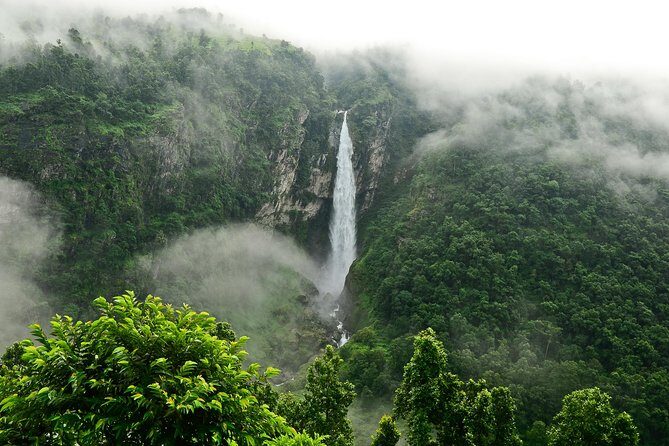
After the first day climb, you keep rising and shift toward the next higher destination around Machhakhola (listed at 1,340m). The plan suggests about 6 hours on average to reach the next stop. You’re getting more elevation and better views as you go.
One standout here is the mention of a hot spring in Khola Besi. That’s a big deal on a circuit trek. Even a short soak can cut down the “stiff legs” effect so you can sleep and wake up ready for tomorrow.
Then the trail angles into the Budi Gandaki system. You’ll cross the river multiple times across the mid-trek days—sometimes just the flow of moving water, sometimes a full crossing by bridge or path. River crossings aren’t just logistics; they’re where the trail can feel more physical and slower, especially in wetter conditions.
Philim, Bamboo Forest, Deng, and Namrung: This Is the Hiking Meat
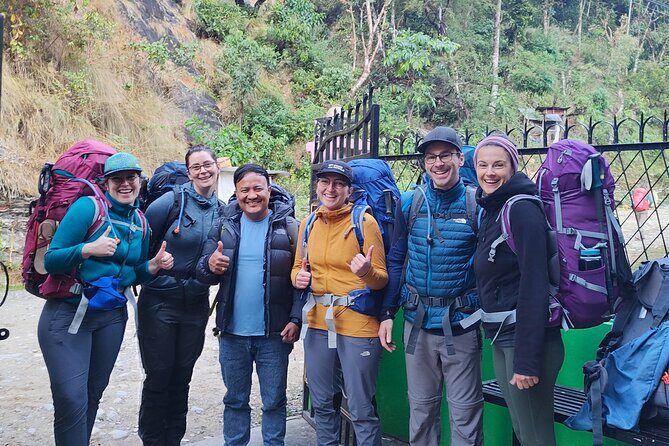
The route keeps layering cultures and ecosystems. You’ll trek via Philim, through cultivated land to Ekle Bhattai, then cross the Budi Gandaki River and continue through bamboo forest to Deng for an overnight stay. This is listed as about 6 hours.
The itinerary then has you crossing the Budi Gandaki valley again, trekking via Prok village, with listed views of Mount Siringi, then continuing upstream while crossing the river several times until Namrung. That day is also described as about 6 hours.
I like this section because it shows why the Manaslu Circuit isn’t only about one pass. You get mountain glimpses, village life, bamboo shade, and the feeling of being part of a living valley system. If you like your trekking day to have both scenery and a sense of place, this is the stretch.
Possible consideration: these days are steady and repetitive in effort—up, down, and across water. Your comfort depends heavily on footwear and how you manage blister prevention. Bring care. Handle it early, not after your feet start complaining.






Lho, Ribung Gompa, and the Samagaon Pause That Helps You Breathe
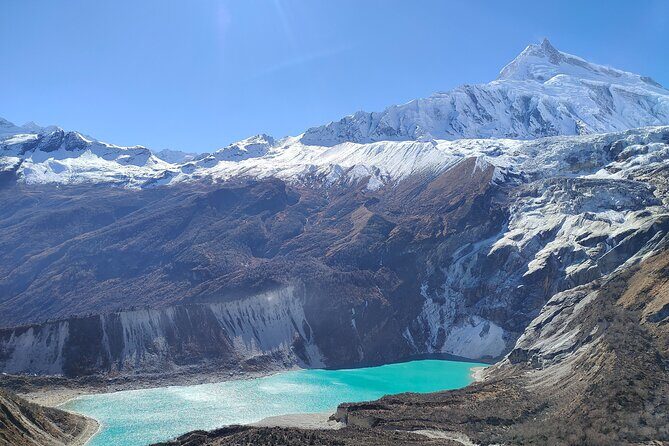
As you move farther from Namrung, the route offers big viewpoint days. You’ll pass forests, farm fields, and chhortens, trekking to Lihi, then Sho, and onward to Lho. In Lho, you get magnificent views of Mount Manaslu, plus an itinerary highlight: exploring Ribung Gompa.
From there, you trek to Shyala for dramatic views of Mount Himchuli, Peak 29, Manaslu, and many snow-capped peaks. Then you continue to Samagaon for the night.
Samagaon is one of the best-feeling parts of this trek because the itinerary gives you a true acclimatization and exploration day. You stay in Samagaon and can see thousands of mani stones around the village, plus the village is mostly inhabited by Sherpa community. The plan also includes a visit to Pungyen Gompa, with your guide explaining stories about the village and the mountains.
This matters for two reasons:
- It helps your body adjust before the highest segment.
- It makes the trek more than a physical checklist. You get to look around and notice details.
I also appreciate that the trek is described as having a guide who can share context. The route is scenic, but without meaning, high-altitude trekking can feel like just big views. A good explanation turns the day into something you remember longer.
Samdo, Kermo Kharka, and the Larkya Glacier Build-Up
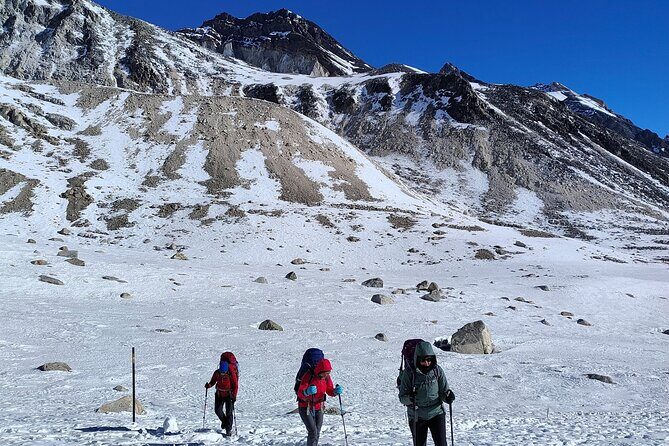
From Samagaon, you head toward Samdo through birch and juniper forests. You’ll also pass Kermo Kharka alpine grassland and cross the Budi Gandaki on a wooden bridge to reach Samdo.
This day is listed at about 5 hours—not the longest, which helps because the next phase is harder. Samdo itself is important because it sets you up for the glacier approach. You’re shifting from village rhythm to more rugged terrain.
Day 10 continues with a trek around the Salka Khola valley while you’re gazing at the Larkya glacier. Then you reach Dharmashala, described as a stone-made hut, for the overnight. This is about 5 hours and functions like your staging day—closer to the pass, closer to colder conditions, and closer to the “real crossing” mental space.
If you’ve never done a high pass before, this approach day is where you figure out your pace, your warm-layer routine, and how you handle slower walking when the ground gets rough.
Larkya La (5,160m): The Big Pass Day to Bimthang
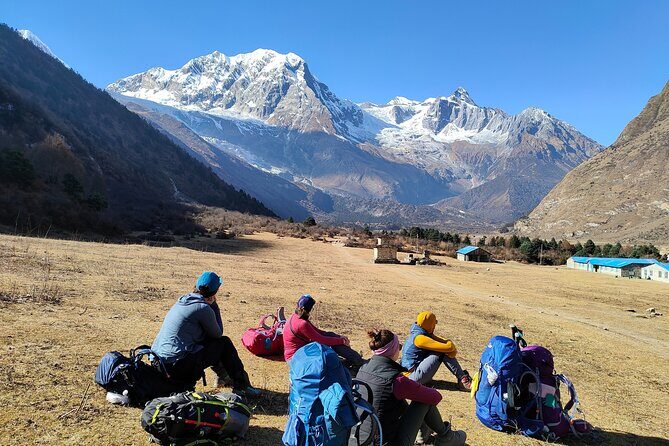
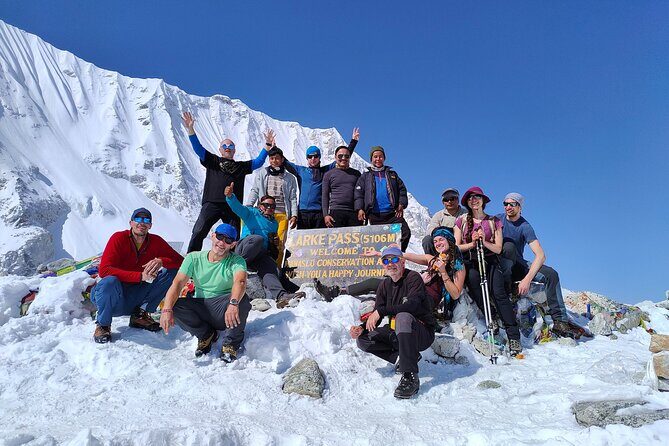
The highest point in the plan is the Larkya La pass at 5,160m. Getting there is long work. The itinerary says you trek through the moraines of the glacier, reaching the pass, then descend into the magnificent sight of Manaslu. After that, you trek on to Bimthang for an overnight.
This is the toughest day in the schedule, listed at 9 hours. It’s not only elevation—it’s the surface. Moraines can be uneven and tiring on knees and ankles. Plan for slow, careful foot placement.
The view list at Larkya La is generous: you can see Larkya Peak, Himlung, Cheo, Kangguru, and Annapurna II. Then, after crossing, the itinerary specifically calls out the magnificent sight of Mount Manaslu again.
Timing reality check: A pass day depends on weather. The provided cancellation notes say the experience requires good weather. That same idea matters while you’re on the mountain. If clouds roll in, you might lose some view clarity, even if you still cross.
Then you reach Bimthang. This is one of the key payoff stops—after a hard crossing, you get a place to rest and feel like the effort actually meant something.
Into Annapurna Conservation Area: Sangure Meadows to Dharapani
On Day 12, you descend. The itinerary mentions Sangure alpine meadow and crossing the Dudh river, with views of Mount Manaslu, Lamjung, Himlung, and Cheo along the way. Then you move through rhododendron forests and farm fields to Gho, continuing to Dharapani for an overnight.
This day is listed as 5 hours. That’s a relief after the pass day. It also gives your body a chance to transition from high-altitude stress to lower-altitude recovery.
The plan explicitly notes that on this day you enter the Annapurna conservation area. You can feel the change in atmosphere: different valley patterns, different vegetation emphasis, and a new sense that the circuit is finishing.
What You Actually Get for $1,350: Permits, Tea Houses, Meals
The price is $1,350 per person, and the value comes from what’s already handled for you.
Included items cover:
- Twin-sharing tea house accommodation during trekking
- All ground transportation as per the itinerary
- Necessary permits and paperwork, including TIMS and Mcap/Acap permits
- An experienced, English-speaking trekking guide
- Emergency rescue service (important: the plan lists emergency rescue cost as not included)
- Airport pick up and drop in Kathmandu plus Kathmandu valley sightseeing
- Meals: 12 breakfasts, 11 lunches, and 10 dinners
That meal count matters because it reduces decision fatigue. You’re not hunting food on a tight schedule while altitude makes everything feel slower.
Not included:
- Nepali visa and international airfare
- Personal expenses like bar bills, laundry, phone calls, internet
- Hot shower and drinking water
- Emergency rescue cost
- Tipping for guide/porters
- Entrance fees in Kathmandu sightseeing spots
So the real “cost truth” is this: you’re paying for logistics, guides, and food structure, but you’ll still have everyday costs on top—especially hot drinks, bottled water, and whatever the tea houses charge for showers if they offer them.
Who This Trek Best Fits (and What to Double-Check)
This trek is listed for people with moderate physical fitness. That doesn’t mean it’s easy. It means it’s realistic if you train for long walking days and can handle a big altitude day at 5,160m.
You’ll likely love this tour if:
- You want a circuit-style trek with multiple environments (forest, meadow, glacier approach).
- You care about real conservation area trekking, not just a quick hike.
- You like cultural stops like gompas and village passes, not only summit views.
- You prefer a private group setup, so you’re not squeezed into a pace that doesn’t match your body.
You should reconsider or plan extra preparation if:
- You’re sensitive to high passes and haven’t acclimatized well on other hikes.
- You don’t have reliable hiking boots or can’t manage long days (the schedule includes days up to 9 hours).
- You don’t want to deal with extra costs like hot shower and drinking water.
Should You Book the Manaslu Circuit Trek, Untouched Trail?
If your dream is a trek that feels genuinely remote, with Mount Manaslu as a repeated star attraction, this one makes a strong case. The way it’s structured—permits handled, an English-speaking guide, a Samagaon acclimatization day, and then the Larkya La crossing—fits the reality of high-altitude trekking better than “fast and hope for the best” trips.
Book it if you’re ready for real hiking days and you respect the altitude. I’d also pick it if you value organization and support, since the experience provider is described as efficient and professional through the route planning, with a friendly guide who supported requests along the way.
If you want, tell me your hiking experience level (and whether you’ve done a high pass before). I’ll help you sanity-check whether this schedule matches your fitness and timing.
FAQ
How long is the Manaslu Circuit Trek?
The trek duration is listed as 13 days (approx.).
Where does the trip start and is airport pickup included?
The tour starts in Kathmandu, Nepal, with airport pick up and drop included.
Is this tour private?
Yes. It’s described as a private tour/activity, so only your group participates.
What is the highest point on the trek?
The itinerary lists Larkya La pass at 5,160m.
What’s included in the tour price?
The package includes tea house accommodation (twin-sharing) during trekking, ground transportation, permits (Mcap/Acap permits and TIMS), an experienced English-speaking trekking guide, emergency rescue service, and meals (12 breakfasts, 11 lunches, 10 dinners), plus Kathmandu sightseeing time.
Are permits, visa, and entrance fees included?
Permits and TIMS are included, but Nepali visa and international airfare are not included, and entrance fees in Kathmandu sightseeing spots are listed as not included.