REVIEW · KATHMANDU
Mardi Himal Yoga Trek
Book on Viator →Operated by Classic Escapades · Bookable on Viator
Some mountain trips are all legs. This one adds breath work.
I like how the Mardi Himal Yoga Trek blends Himalayan trekking with yoga and meditation across both cities and the trail, so you’re not only chasing views. You get full-on Kathmandu culture days first, then the pace shifts into forest walking and higher-camp hikes where your body and mind finally match the altitude. The one thing to consider is the elevation and cold at higher camps, so you should be ready for a real trek even though yoga keeps the mood calm.
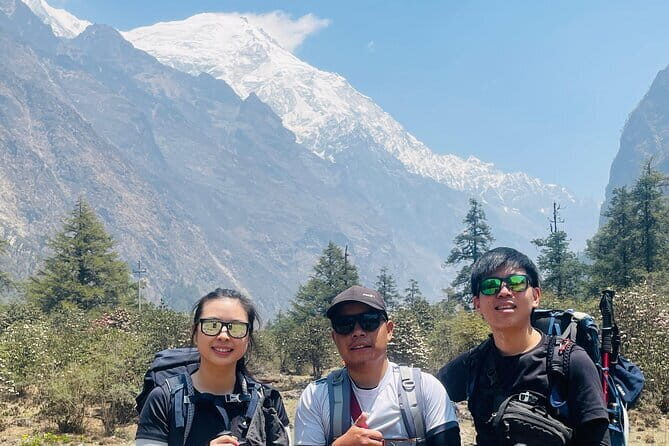
What I especially like is the mix of structure and flexibility: a certified yoga teacher leads early-morning sessions and you still get a day-by-day route with transport, porters, and permits handled. I also appreciate the small group size limit (max 10), because it usually means less waiting around and more human help when you need it. A possible drawback: the itinerary includes multiple travel legs and sightseeing days, so if you want only wilderness time, you’ll still spend solid chunks in Kathmandu and Pokhara.
In This Review
- Key Highlights You’ll Feel on This Trek
- First Arrivals in Thamel: Where the Trek Begins
- What to know before you go
- Kathmandu Temple Days: Culture, Calm, and One Good Meditation Slot
- The trade-off
- The 6-Hour Drive to Pokhara: Lakeside Reset Before the Climb
- Getting Your Trek Legs: Dhampus View Tower to Pitam Deurali
- What you’ll enjoy
- Forest Camp to High Camp: The Mardi Himal Trek Stages That Matter
- A small reality check
- Base Camp at Around 4,500m: Yoga at Elevation, Then the Descent
- How to make this day easier
- Back Down Toward Sidding and Pokhara: When the Trek Unwinds
- Practical perk
- Wrapping Up: Morning Yoga Back in Kathmandu
- Price and Value: What USD 1,057 Buys You (and What It Doesn’t)
- My value take
- Who This Trek Suits Best
- Should You Book the Mardi Himal Yoga Trek?
- FAQ
- How long is the Mardi Himal Yoga Trek?
- Where does the trip start and what time is the meet-up?
- Is airport pickup and drop-off included?
- Are yoga sessions included, and who leads them?
- How many days of trekking are included in the Mardi Himal region?
- What’s the highest point mentioned in the trek?
- What meals are included, and what meals are not?
- Are Kathmandu heritage site entry fees included?
Key Highlights You’ll Feel on This Trek
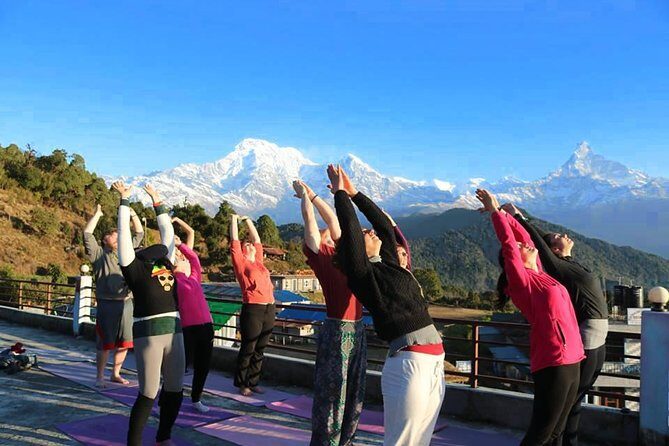
- Yoga guided by a certified teacher with sessions on trekking and sightseeing days
- Five trekking days in the Mardi Himal region, moving through Forest Camp, High Camp, and Low Camp
- Base Camp hike at about 4,500m, plus yoga at elevation before descending
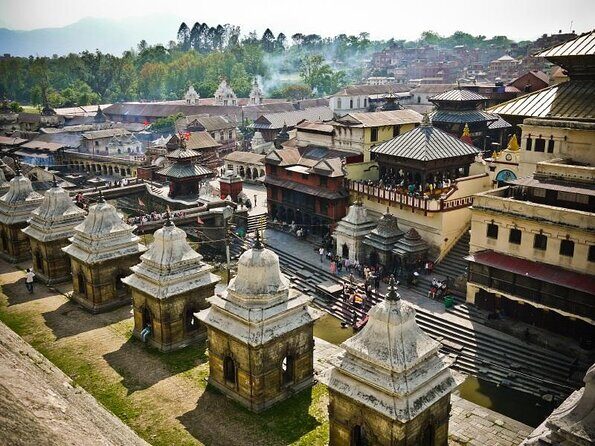
- Kathmandu temple arc (Swoyambhunath, Patan Durbar Square, Boudhanath, Pashupatinath) paired with meditation
- Overland transfers and airport pickup/drop-off included, so your logistics stay simple
- Three cups of tea daily during the trek, a small comfort that helps on long walking days
First Arrivals in Thamel: Where the Trek Begins
Most Himalayan trips start with altitude. This one starts with orientation. You’re picked up at Tribhuvan Airport and transferred to a hotel in Thamel, which is convenient because it’s close to everyday life in Kathmandu. After check-in, you get free time to eat something familiar, buy any last essentials, and get your bearings fast.
On Day 2, the trip’s rhythm starts to take shape with an early yoga session before Kathmandu sightseeing. That matters because it sets a calmer tempo before your schedule fills with temples and travel. And because it’s yoga with a real teacher (not a random instruction), you’ll know what you’re doing rather than just guessing.
You can also read our reviews of more hiking tours in Kathmandu


What to know before you go
If it’s your first time in Nepal, you’ll feel the benefit of having meals, permits, and transport handled. Just remember you’ll still need to pack smart for early starts: layers for cool mornings, plus something for sun and wind once you’re moving.
Kathmandu Temple Days: Culture, Calm, and One Good Meditation Slot
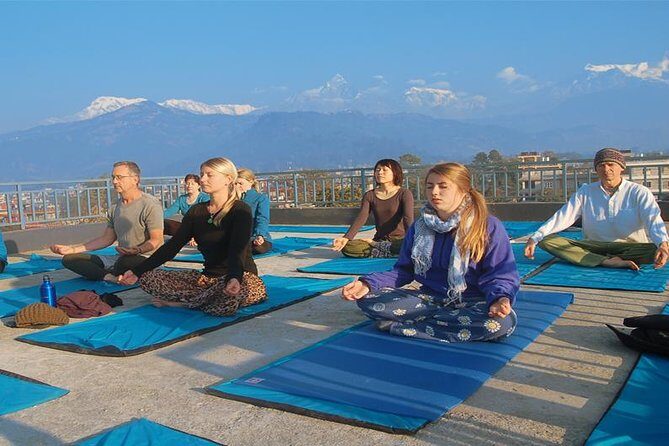
Kathmandu here is not just sightseeing. It’s sightseeing with purpose—paired with yoga and meditation so you don’t only see religious sites, you also practice slowing down around them.
You start with Swoyambhu Mahachaitya (often called Monkey Temple). It’s lively, steep, and great for people-watching. I like this stop early in the schedule because it helps you understand Kathmandu’s texture before the trek day stress hits. Then you head to Patan Durbar Square, a classic place for architecture lovers who enjoy carved detail and courtyards.
Next is Boudhanath Stupa, where the energy shifts from chaotic to steady. The trip keeps a lunch break here, which is practical on a busy culture day. Finally, you visit Pashupatinath Temple, known for its distinctive cultural rituals and river-side atmosphere. In the evening, there’s a meditation session, which is a nice counterbalance after a full day of walking.
The trade-off
You do have heritage-site entry fees in Kathmandu that aren’t included (about USD 26). If you don’t want money surprises, budget for these. Also, these days involve a fair bit of movement, so take shoes seriously—Kathmandu sidewalks can be uneven, and your trek shoes may feel heavy if you haven’t broken them in.
The 6-Hour Drive to Pokhara: Lakeside Reset Before the Climb
By Day 3, you switch from city culture to mountain country. There’s an early yoga practice, then the drive to Pokhara takes about 6 hours. This isn’t just a transfer day; it’s your mental and physical reset.
Pokhara Lakeside is more laid-back than Kathmandu. I like it for this type of trek because it gives you a normal place to breathe, eat, and rest before the mountains start asking real questions. Evening meditation continues, so your day still has a steady rhythm even while you’re in a vehicle.
One more practical win: the trip includes Pokhara tourist-class twin accommodation for two nights. That’s not luxury, but it’s functional—clean enough to recover, quiet enough to sleep, and predictable for packing and repacking.






Getting Your Trek Legs: Dhampus View Tower to Pitam Deurali
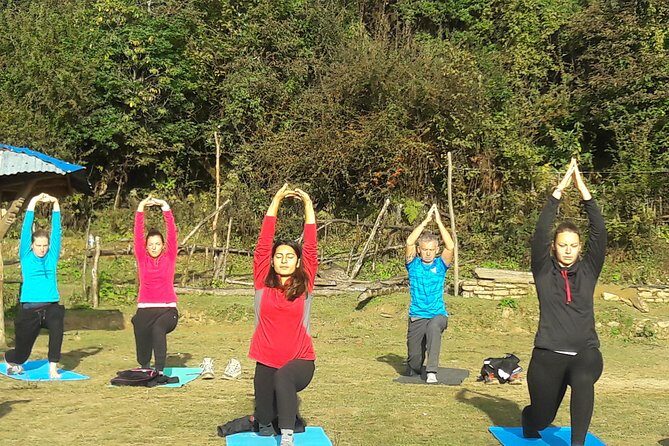
Day 4 is where the trekking really begins. After another early yoga session, you drive to Phedi and start walking toward Pitam Deurali via Dhampus village and Pothana. This is a smart “ramp-up” day. You’re not dropping straight into a steep, high-altitude grind. Instead, you ease into the rhythm with village passes and hill views.
There’s an evening meditation session on Day 4 as well, which helps you process the day before you turn in. It’s also a helpful routine when your legs feel new and a bit stiff.
What you’ll enjoy
This part tends to feel like the transition from life-on-street to life-on-trail. You’ll likely notice the air and sounds shift, and your breathing starts to matter more. Even if you’re not a yoga person, the structure gives your body a focus.
Forest Camp to High Camp: The Mardi Himal Trek Stages That Matter
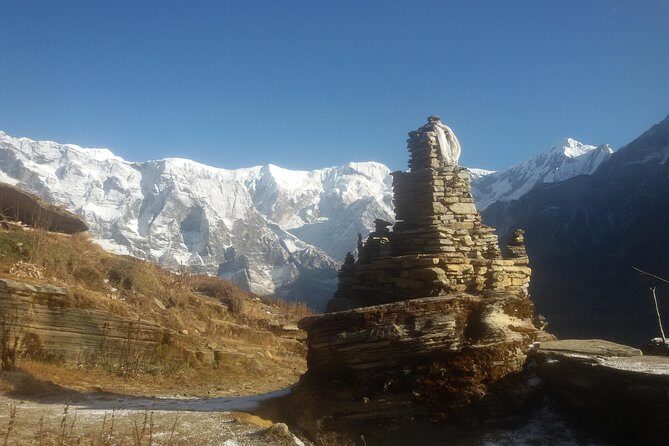
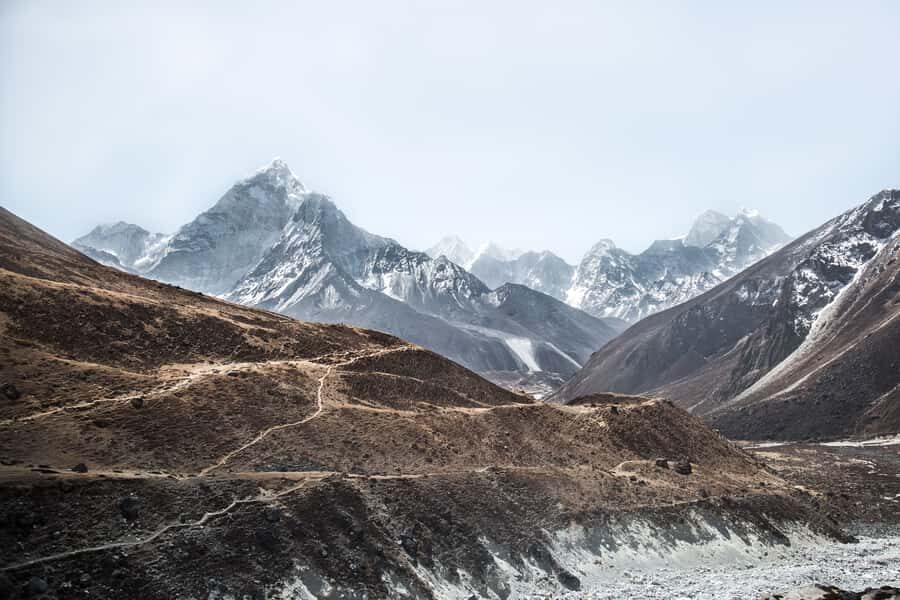
Days 5 and 6 are the “settling in” part of the trek. You’ll start with early yoga, then walk in the Mardi Himal region through days that highlight forest walking and increasing viewpoints.
On Day 5, you trek to Forest Camp for an overnight stay. It’s the kind of day where your effort feels steady, not chaotic. Evening meditation continues, which is a nice way to keep the pace from turning into pure fatigue.
Day 6 pushes you further up to High Camp. The walking time stretches (around 6 hours in the plan), and the day includes views that feel more serious as you gain elevation. This is also where you’ll notice how the body responds to altitude. Your guide and porters are there to keep things moving smoothly, and you’ll have a clear overnight plan, rather than improvising where to sleep.
A small reality check
Even when a route is well planned, weather changes can happen. If your trip timing overlaps with wetter months, you should be ready for damp first days. Clear weather later can make the higher viewpoints feel like a prize rather than a consolation.
Base Camp at Around 4,500m: Yoga at Elevation, Then the Descent
Day 7 is the highlight for many people, and it’s not only about distance. You do an early hike to Mardi Himal Base Camp at about 4,500m. There’s yoga practice during this high-elevation time, and then you descend.
The plan includes going back down via High Camp to Low Camp. I like this design because it breaks the day into a clear arc: earn the altitude, do what you came for (including yoga at elevation), then return to a lower resting point.
How to make this day easier
At around 4,500m, your body might feel slower even if your legs are fine. The yoga component can actually help you manage that mental slowdown—breathing rhythm matters when the air feels thinner. Take the day as a slow win, not a speed test.
Back Down Toward Sidding and Pokhara: When the Trek Unwinds
Day 8 turns the page. You start with early yoga, then trek down to Sidding (about 3 hours) and drive back to Pokhara. This is the day where you feel the difference between climbing days and descent days. Descents can be tough on knees, so don’t rush. A steady pace helps more than you think.
Evening meditation returns, so you’re not just exhausted—you also get guided decompression after the mountains.
Practical perk
Driving back to Pokhara on the same day means you’re not scrambling to find your next place to sleep. Logistics stay clean, and that keeps the trip feeling supportive rather than stressful.
Wrapping Up: Morning Yoga Back in Kathmandu
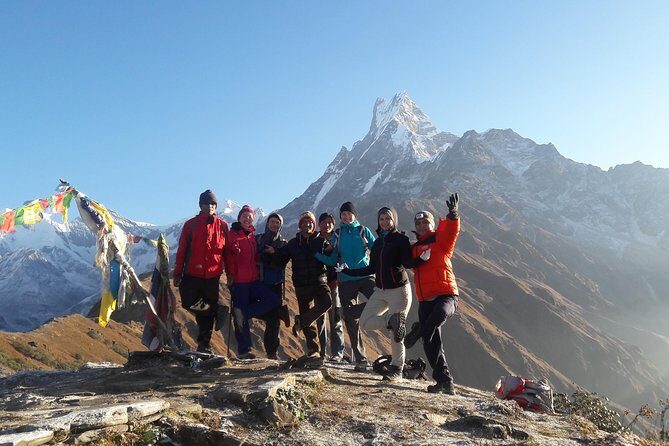
Day 9 brings you back toward Kathmandu later in the day. There’s morning yoga, then travel back. You also get a full meal plan element here, with breakfast included and dinner options noted in the package coverage.
Day 10 is simpler: you’re driven to the airport based on your departure schedule. This is a good finish style because you don’t have to worry about last-minute transport.
Price and Value: What USD 1,057 Buys You (and What It Doesn’t)
At $1,057 per person for about 10 days, you’re paying for more than just hiking. You’re paying for a system: airport pickup/drop-off, overland transportation, permits, a professional trekking guide and porters, yoga sessions with a certified teacher, and accommodations (3 nights in Kathmandu and 2 in Pokhara) plus meals across trekking days.
Here’s what the package includes that usually costs extra if you DIY it:
- Trek support: guide and porters
- Trek structure: permits handled in advance
- Guidance: yoga sessions scheduled throughout
- Comfort basics: tourist-class twin sharing accommodation
- Food coverage during the trek: breakfast plus selected lunches/dinners
- Warm-fuzzy extras: three cups of tea each trekking day
What’s not included is also clear: heritage entry fees in Kathmandu (around USD 26), gratuities for guide and porters, and meals not listed for Kathmandu and Pokhara. International airfare and travel insurance are also not included.
My value take
If you want the mountains without the planning burden, this price looks fair. If you want maximum autonomy and already know your way around Nepal logistics, you might spend less going fully independent—but you’d lose the “everything handled” comfort that keeps a trek like this from becoming a juggling act.
Who This Trek Suits Best
This works best if you want:
- A moderate fitness base and you’re comfortable with a multi-day trek pace
- A trip where yoga and meditation are built-in, not tacked on
- A balance of Kathmandu culture and Himalayan hiking
- Help with permits, guides, porters, and transport (so you focus on walking and recovering)
It may not suit you as well if you want a trek with minimal stops and no city time. You do spend time in Kathmandu and Pokhara, because the trip is designed as an experience, not just a one-way trail move.
Should You Book the Mardi Himal Yoga Trek?
I’d recommend booking if you want a trek that feels supported and intentional—yoga with certified guidance, a clear route with camping stages, and help carrying the heavy stuff through Mardi Himal. The fact that the group size is capped at 10 also helps you feel like you’re not just one more name on a roster.
Before you say yes, do two honest checks:
- Are you ready for cool, higher-altitude conditions at camps around and above the ~4,500m Base Camp day?
- Do you have realistic expectations about city days (temples and driving) before the mountains take over?
If your answer is yes to both, this is the kind of trip that can become your Nepal story—the one you remember for the views and the breathing space in between.
FAQ
How long is the Mardi Himal Yoga Trek?
The trek is listed as 10 days approximately.
Where does the trip start and what time is the meet-up?
The start point is Tribhuvan Airport in Kathmandu, Nepal, with a start time of 5:15 pm.
Is airport pickup and drop-off included?
Yes. The package includes airport pickup and drop-off service.
Are yoga sessions included, and who leads them?
Yes. Yoga sessions are included throughout the trip and are led by a certified yoga teacher.
How many days of trekking are included in the Mardi Himal region?
You get 5 days of nature trekking in the Mardi Himal region.
What’s the highest point mentioned in the trek?
The plan includes a hike to Mardi Himal Base Camp at around 4,500m.
What meals are included, and what meals are not?
Included meals cover breakfast (9), dinner (4), and lunch (5). Lunches and dinners in Kathmandu and Pokhara are not included unless stated.
Are Kathmandu heritage site entry fees included?
No. Heritage site entry fees in Kathmandu are not included (about USD 26).