REVIEW · KATHMANDU
Private Kathmandu Bhaktapur Nagarkot Tour
Book on Viator →Operated by Cordial Trek Pvt. Ltd. · Bookable on Viator
Sunrise views in Nagarkot change everything. This private 5-day route strings UNESCO World Heritage sites in and around Kathmandu with that classic Nagarkot Himalayan horizon, plus a guide who helps the places make sense fast. You also get a comfortable base in Thamel on arrival, then shift into mountain time for the best light.
I especially like two things. First, the private transportation keeps you from wasting hours coordinating buses or taxis between sites. Second, the pacing is smart: you end with hiking options tied to Changunarayan Temple, so you get scenery and village life rather than only temple-stops on repeat.
One thing to plan for: several major sights list admission tickets as not included, so you should budget for on-site entry fees. Also, sunrise viewing and the hike direction mean early mornings, and while the hike has an option to skip, you still want to be ready for a physically active day.
In This Review
- Key highlights worth your attention
- Why Kathmandu–Bhaktapur–Nagarkot is a great 5-day loop
- Price and logistics: what $400 per person really covers
- Day 1 in Thamel: arrival, orientation, and a proper start
- Day 2: Kathmandu Durbar Square, Swayambhunath, Pashupatinath, Boudhanath
- Day 3: Patan Durbar Square and Bhaktapur’s UNESCO masterclass
- Nagarkot: where the Himalayas finally feel close
- Day 4: Changunarayan Temple sunrise and the 3-hour downhill hike
- Day 4 afternoon return to Kathmandu
- Day 5: final Kathmandu time and airport drop
- Who should book this tour (and who should think twice)
- Should you book Private Kathmandu Bhaktapur Nagarkot Tour?
- FAQ
- Do I get pickup and airport transfers?
- Is this tour private or shared with other groups?
- What kind of hotels are included?
- Are meals included?
- Do I have to do the hiking in Day 4?
- When do you drop me at the airport on the last day?
Key highlights worth your attention
- A private guide and driver mean the day runs on your schedule, not a group timetable
- UNESCO stacked days: Kathmandu, Patan, and Bhaktapur palace squares plus major temples and stupas
- Nagarkot sunrise and sunset focus with broad Himalayan-range views on clear days
- Changunarayan Temple hike with an off-ramp via a vehicle option if you want less walking
- 24/7-style support is part of the operator’s reputation, with quick coordination mentioned in prior experiences
- 3-star stays in Kathmandu and Nagarkot make the trip feel like a real itinerary, not a shuffle
Why Kathmandu–Bhaktapur–Nagarkot is a great 5-day loop
This tour works because it targets three different moods of the same region. Kathmandu gives you the big spiritual and royal-palace visuals. Bhaktapur slows you down with artisan details and architecture you can study up close. Nagarkot then flips the script into mountain scale, where the same valley you’re walking becomes a viewpoint that feels almost unreal.
It also helps that the route is logically grouped. You’re not bouncing randomly across the map; you’re moving through well-defined zones of the Kathmandu Valley and then heading to the hill town of Nagarkot for the best light. If you only had time for one “hit the highlights” plan, this kind of structure is the way to do it without burning your whole day in transit.
You can also read our reviews of more private tours in Kathmandu


Price and logistics: what $400 per person really covers
At $400 per person, the price is built around the stuff that usually costs extra in Nepal: private vehicle, a dedicated tour guide, hotel stays, and airport transfers. You’re also getting a welcome dinner with a cultural program, plus dinner and breakfast included (the details say breakfast for 4 mornings, and dinner is listed in the included section).
What you should double-check before you go is how meals work in practice, because the package notes both dinner as included and also says lunch and dinner are not included. In other words: it may mean lunches are not covered, and dinners may be partly covered depending on which nights. When you message to confirm, ask which dinners are included besides the welcome dinner, and you’ll remove any uncertainty.
The other logistics win is the mobile ticket and pickup offer. That might sound small, but it reduces friction on arrival day, especially if you’re landing tired or arriving late. You’ll start with orientation in Thamel and then move into a tight daily rhythm.
Day 1 in Thamel: arrival, orientation, and a proper start
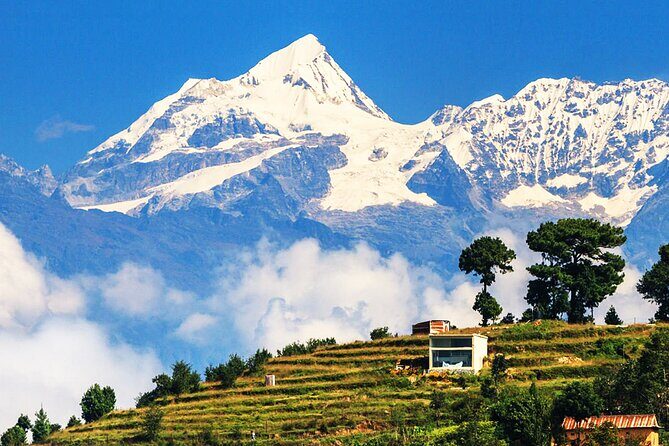
Your first day is set up to get you grounded quickly. After flying into Tribhuvan International Airport, you’re met by a Cordial Trek representative and picked up to your hotel in Thamel, the classic neighborhood for first-time visitors who want walkable streets and easy access to tour planning.
Once you’re checked in, you get a briefing about the upcoming tour and introduced to your guide. This matters more than it sounds. A good guide helps you understand how to move through heritage sites respectfully, how long to plan for each area, and what to prioritize so you don’t feel like you’re only half-paying attention.
That night also includes a welcome dinner with a cultural program. Even if you’re not a “culture show” person, this is a useful way to break the jet lag and get context for what you’re about to see over the next few days.
Day 2: Kathmandu Durbar Square, Swayambhunath, Pashupatinath, Boudhanath
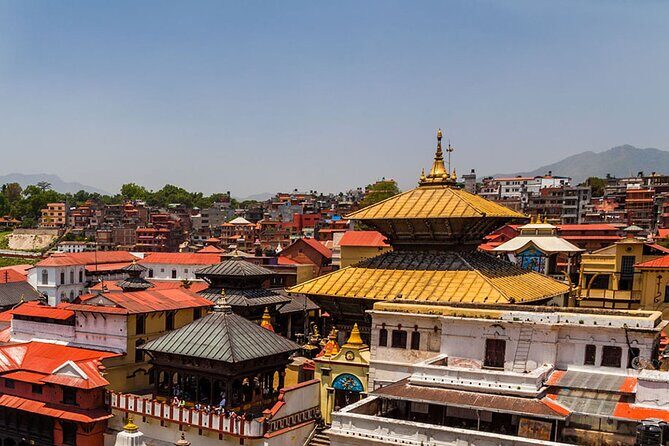
Day 2 is where the Kathmandu Valley’s spiritual and royal layers show up clearly. You start at Kathmandu Durbar Square, then climb to Swayambhunath, continue to Pashupatinath, and finish near Boudhanath.
Kathmandu Durbar Square is one of the valley’s three Durbar Squares tied to UNESCO. It’s essentially a window into how royal power and religion shaped the city’s layout and stonework. If you’re the type who likes to look closely at details, a guided explanation here can turn what looks like scattered temples into a more coherent story.
Then comes Swayambhunath Temple, an ancient religious complex atop a hill. It’s described as one of the most sacred Buddhist pilgrimage sites, and you’ll feel that “pilgrimage energy” in how people move through the space and pay attention to symbolic features.
From there you head to Pashupatinath Temple on the Bagmati River. This is dedicated to Lord Shiva, and it’s one of the sacred Hindu sites in Kathmandu. The river setting matters: it’s not just architecture, it’s a lived, active religious geography.
Finally, you wrap with Boudhanath Stupa, a massive stupa with a mandala that’s described as one of the largest spherical stupas in Nepal and the world. The age (built around the fifth century) and its scale are the main takeaways. When you’re tired from the full day, the stupa’s open layout and strong focal point can actually feel refreshing compared with packed square-hopping.
A practical note: admission tickets for these sites are listed as not included for Day 2, so factor that into your budget. You also want comfortable shoes. Even with a driver, you’ll still be doing a lot of walking.
Day 3: Patan Durbar Square and Bhaktapur’s UNESCO masterclass
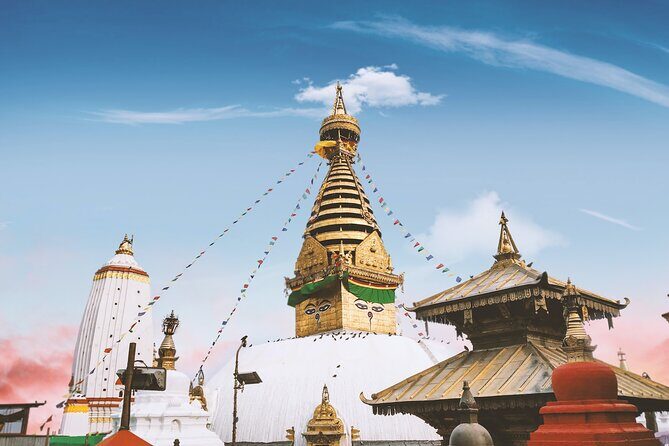
Day 3 is a palace-and-people day, moving from Lalitpur (Patan) into Bhaktapur.
At Patan Durbar Square, you’re in the center of Lalitpur, another UNESCO Durbar Square. One of its core attractions is the medieval royal palace where the Malla Kings of Lalitpur lived. This is the kind of stop where you’ll enjoy having your guide point out what you’re looking at: the relationship between palace architecture, public space, and how power was displayed.
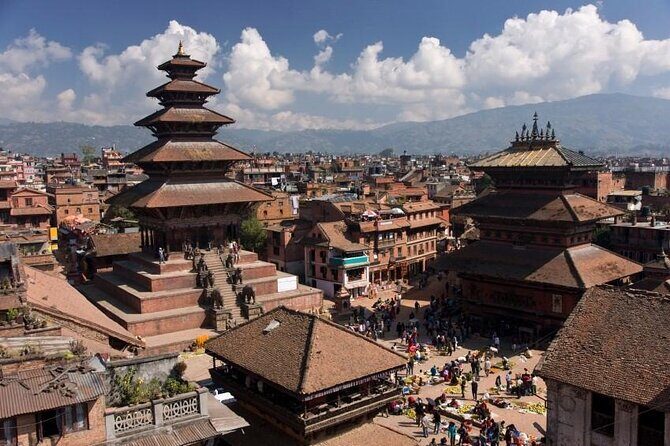
Next is Bhaktapur Durbar Square, where the tour time allows you to absorb the sites without feeling rushed. Inside, you visit four mini Durbar Squares. Dattatreya Square is called the oldest among them, and Pottery Square is specifically famous for potters working and the chance to view live pottery activity. That live working detail is what makes Bhaktapur feel less like a museum and more like a functioning cultural center.
Then you hit Nyatapola Temple, noted as the tallest five storied temple in Nepal. Taller-than-the-others stories can sound like trivia, but in person it helps you understand why people traveled here and how religious structures competed visually and spiritually.
The day also includes 55 Window Palace, tied to King Bhupatindra Malla and dated to 1708 A.D. The focus is on wood architecture and art. If you like craftsmanship, this is the part you’ll remember after you’ve left the valley—because you can actually see how skilled woodwork served as a status and spiritual statement.
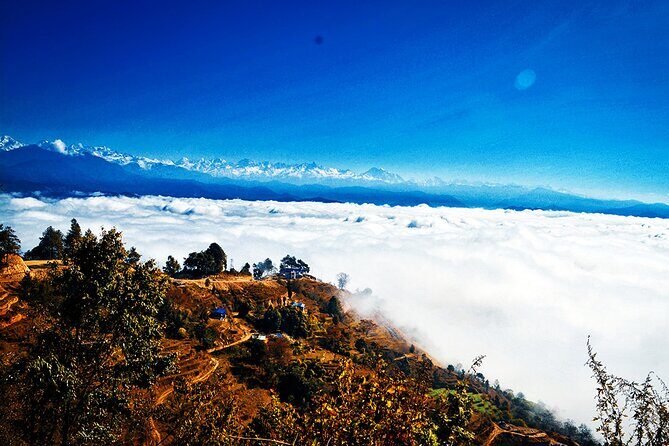
After the heritage hits, you transition to Nagarkot, a municipality at elevation 2195 meters. It’s positioned about 28 km from Kathmandu and is known for panoramic views of the Himalayas, especially sunrise. Your day is scheduled to give you time in Nagarkot, so you’re not just landing there for photos and leaving.



Nagarkot: where the Himalayas finally feel close
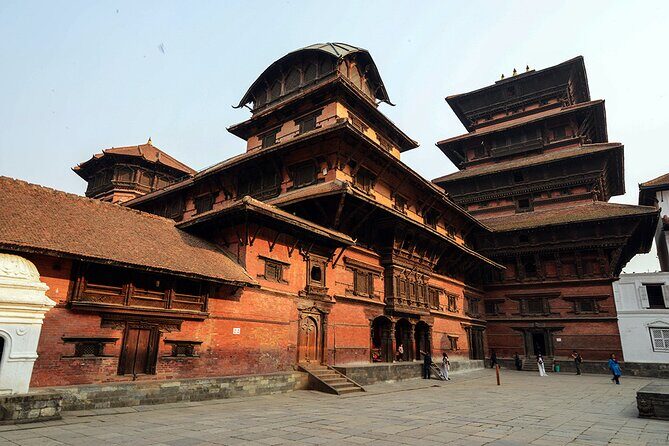
Nagarkot is the reason this tour isn’t just another UNESCO checklist. You’re there for sunrise and sunsets, with views of Himalayan ranges that the package describes as coming from up to 8 of Nepal’s 13 ranges, including the Everest range among them.
Even when the weather is not perfect, the value is still the viewpoint change. Kathmandu Valley feels dense and detailed at street level. Nagarkot turns that same region into a broad view, and that scale shift is what makes the effort feel worth it.
Your Nagarkot time is also paired with the next morning’s plans. Because the schedule includes a sunrise and then a hike to Changunarayan Temple, you’re not stuck in a hotel all day waiting for the next part. You’re building one good block of time around light and movement.
Where to be careful: sunrise and good visibility depend on clouds. There’s no guarantee of a clear Everest view, so I’d treat it as a bonus. The viewpoint itself and the quiet mountain air are still the point.
Day 4: Changunarayan Temple sunrise and the 3-hour downhill hike
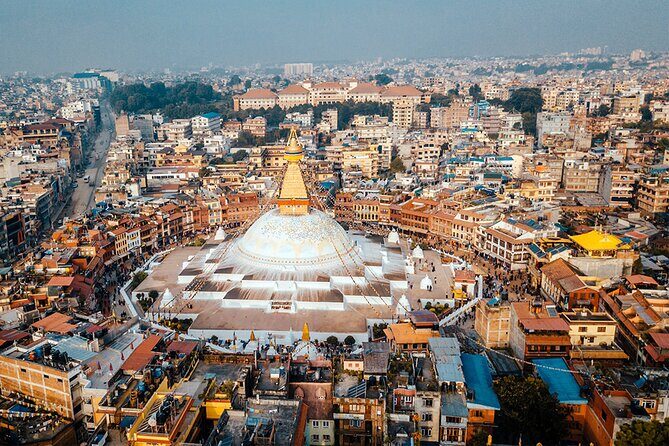
Day 4 starts with sunrise viewing from Nagarkot. Then, after breakfast, you take a hike down toward Changunarayan Temple, with the schedule describing a three-hour hike through green forests and local villages.
The temple is dedicated to Lord Vishnu, and the tour description notes it was built around 325 AD by Haridatta Barma. That age isn’t just a number here. When you walk downhill through rural areas and arrive at a temple complex, it feels less like you traveled to a landmark and more like you moved through a living route that existed long before tourism.
You also get an optional vehicle choice with no extra cost if you want to skip the hiking experience. That flexibility is important. It lets you keep the day’s core goal—the temple visit—while matching your energy level. If you plan to hike, wear footwear with decent grip, because downhill trails can be slippery even when they look harmless.
The stop is scheduled for about five hours total on Day 4, including the sunrise rhythm, breakfast, and travel/hike time. That’s a good amount of time to do it at a steady pace without feeling like you’re rushing just to hit a checklist.
Day 4 afternoon return to Kathmandu
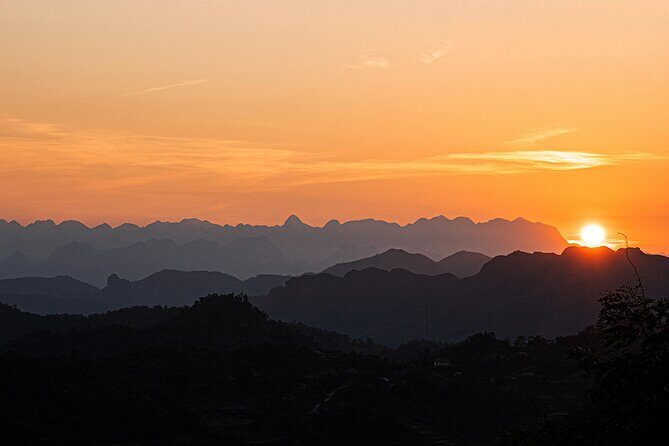
After Changunarayan Temple, the plan brings you back with a short drive (described as about one hour) to your Kathmandu hotel. This is a smart move because it gives you a reset period while still keeping you close to dinner options and evening rest.
Even if you’re feeling “heritage’d out” at this point, this return matters. You’re ending the active days with a comfortable base again, instead of forcing another long transit and another night out of rhythm.
Day 5: final Kathmandu time and airport drop
On Day 5, the schedule is simpler: you say farewell, then get dropped to the airport about three hours before your final departure.
This is the kind of timing that helps you handle last-minute issues, like ATM stops, buying small essentials, or just dealing with Kathmandu traffic. Since you already had the chance to settle in on the first day and return after the hike, you’re not scrambling on day five to find your bearings.
If you want a little extra flexibility, I’d avoid planning anything that’s far from your hotel on the day of the airport transfer. The schedule is built around getting you to the airport calmly.
Who should book this tour (and who should think twice)
This tour is a good fit if you want:
- UNESCO heritage sites in Kathmandu Valley without arranging guides and drivers yourself
- A strong view-focused finish in Nagarkot
- A private setup that keeps your day moving efficiently
- The option to choose walking or vehicle for the Changunarayan Temple part
It may not be ideal if you:
- Hate early mornings, since sunrise viewing is a key part of Nagarkot and Day 4
- Don’t want to budget for multiple temple and square admission tickets
- Prefer long free time in one place instead of moving through several concentrated areas
Should you book Private Kathmandu Bhaktapur Nagarkot Tour?
I think you should book if you want a balanced mix of big-site sightseeing and real mountain time, and you value not having to manage logistics. The private format, the guided pacing through Kathmandu, Patan, and Bhaktapur, and then the payoff in Nagarkot are exactly the combination that makes a short Nepal trip feel substantial.
Before you pay, I’d do two quick checks: ask about which dinners beyond the welcome night are included (since the meal notes conflict slightly), and confirm you have a plan for admission ticket costs at the stops listed as not included. If you line those up, this is a strong way to see the Kathmandu Valley’s icons and then watch the Himalayas take center stage.
FAQ
Do I get pickup and airport transfers?
Yes. Pickup is offered, and the tour includes airport transfers as well.
Is this tour private or shared with other groups?
It’s private. Only your group participates.
What kind of hotels are included?
The package includes 3-star accommodations in Kathmandu and Nagarkot.
Are meals included?
Breakfast is included for 4 mornings, and the tour notes dinner and a welcome dinner with cultural program as included. It also states lunch and dinner are not included, so it’s smart to confirm exactly which dinners are covered when you book.
Do I have to do the hiking in Day 4?
The plan includes hiking from Nagarkot toward Changunarayan Temple. There is an optional vehicle choice with no extra cost if you want to skip the hiking experience.
When do you drop me at the airport on the last day?
You’ll be dropped back to the airport three hours before your final departure.