REVIEW · KATHMANDU
Private Lobuche East Peak Climb and Mt Everest Base Camp Trekking
Book on Viator →Operated by Three Jewels Adventures · Bookable on Viator
A summit with a storyline beats a checklist. This Lobuche East climb paired with an Everest Base Camp trek via Gokyo Valley feels like one continuous mountain journey, not two random trips stapled together. I also like that you’re covered on key trip essentials like meals (from Day 3 to Day 15), camping and climbing equipment, and the climbing permit. The only real catch to keep in mind is that altitude and weather both matter here, so you should be ready for slower pacing and potential date shifts if conditions aren’t good.
What I like most is the way this is run as a true private experience through Three Jewels Adventures, with pickup offered and your group staying together. Past clients specifically praised guide focus on safety and success, plus responsive communication from Amber (trip manager), which is the kind of calm you want when the plan involves high passes and big heights. If you don’t already have solid trekking habits, or you’re hoping for a stress-free, low-effort holiday, you may find this is more demanding than the short length suggests.
In This Review
- Key things that make this trip work well
- Private 17 days: Lobuche East (6119m) meets Everest Base Camp
- Kathmandu start: pickup, meeting window, and getting your head right
- Gokyo Valley trekking: why this route feels different before Base Camp
- Chola Pass: the day you plan for, not just the day you cross
- Lobuche East climb (6119m): a short objective with real consequences
- What the climb portion likely demands from you
- Camp life and gear: what’s included, what you’ll still need
- Permits, fees, and the $2,470 price: is it good value?
- Who this Lobuche East + EBC trip is best for
- Should you book Three Jewels Adventures for Lobuche East and Everest Base Camp?
- FAQ
- What city does the trip start from?
- How long is the experience?
- How high is Lobuche East Peak on this itinerary?
- Are meals included, and for which days?
- What climbing and trekking support is included in the price?
- What isn’t included?
- What’s the cancellation and weather approach?
Key things that make this trip work well
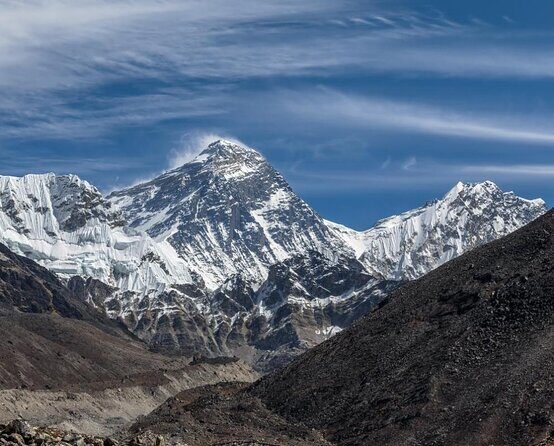
- Short climb, high altitude goal: Lobuche East at 6119 meters, built into a broader Everest region trek.
- Gokyo Valley route flavor: a trek approach that adds variety before you reach the main Everest Base Camp area.
- Chola Pass as a pivot point: one of the most memorable stretches that turns the trek into a real crossing story.
- Included meals and camp support: all meals from Day 3 to Day 15 plus camping and climbing equipment.
- Private group, guided attention: only your group participates, which helps keep logistics simple at altitude.
- Strong communication reputation: Amber is highlighted for courteous, responsive planning help.
Private 17 days: Lobuche East (6119m) meets Everest Base Camp
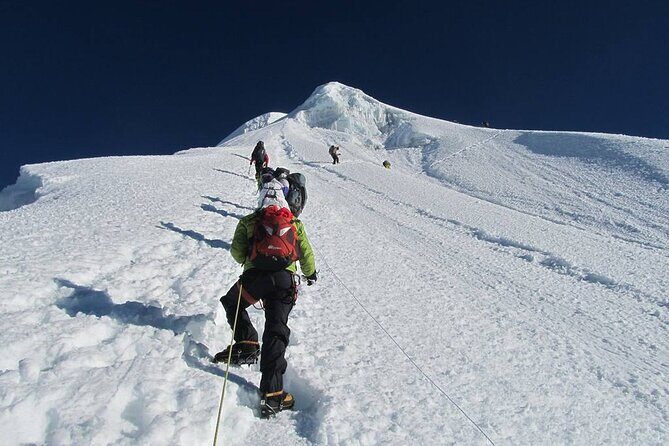
This is the kind of trip that appeals to two types of hikers at once: people who want the classic Everest Base Camp trek, and people who also want the satisfaction of a real peak. The big selling point is the combo route. You don’t just walk to a viewpoint and call it a day. You trek through the Everest region via Gokyo Valley, cross Chola Pass, then add a climb objective at Lobuche East (6119m), and finish by returning to Kathmandu.
The schedule is around 17 days, which is long enough to make the whole arc feel connected, but short enough that you’re not spending a whole month living out of a suitcase. For a private trip, that balance matters because time at height is the real currency.
You can also read our reviews of more private tours in Kathmandu


Kathmandu start: pickup, meeting window, and getting your head right
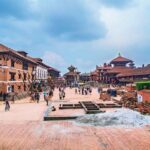
This trip is based in Kathmandu, Nepal, and pickup is offered. That’s not a throwaway detail. In a city that can feel chaotic the first time you see it, pickup can mean you spend less energy navigating and more energy resting.
The meeting point is listed as near public transportation, and there’s a wide window for availability (7:15 AM–7:15 PM). Practically, that gives you more flexibility if your flight timing doesn’t match a tight schedule. Also, confirmation happens at booking time, so you’re not left guessing whether arrangements are real.
Before you set off toward high country, you’ll want to use Kathmandu time for the basics: final gear checks, getting enough sleep, and making sure you understand how the climb and trek days will feel back-to-back. With this itinerary, the mountain rhythm is the main story, so arriving mentally ready pays off.
Gokyo Valley trekking: why this route feels different before Base Camp
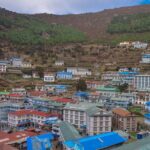
The trek portion is built around reaching Everest Base Camp via Gokyo Valley, then continuing toward the area connected to Chola Pass. Even if you’ve done other Everest-region treks, the value here is the sequencing. Gokyo Valley gives you variety before you reach the Base Camp focus, so the trip doesn’t feel like you’re walking the same theme for the entire time.
Here’s what I’d pay attention to as you move through this phase:
- You’ll be transitioning into higher trekking days, so you’ll want to keep a steady pace and save energy for later pass and summit efforts.
- Expect that the scenery and emotional payoff build gradually: it’s not only about the destination, it’s about how the days link together.
A small but important note for planning: the trip includes all meals from Day 3 to Day 15. That means Days 1–2 are not covered in the provided meal package. If you want a smoother start, plan to cover your own meals early on or coordinate what your provider recommends for those first days.
Chola Pass: the day you plan for, not just the day you cross
Chola Pass is where many Everest itineraries turn into something more than a scenic trek. On this trip, the pass is a key connector between the Gokyo Valley side and the climb-focused portion of the route.
What makes a pass day different is simple: weather, footing, and timing all matter. You can walk the route, but you can’t fully control how it feels. This is one reason good guiding is so valuable here. When weather changes quickly, you want someone who can help you make calm decisions about pacing and safety.
From your side, the best prep is mental and practical:
- Pack smart for cold or wind (even if you’re not sure what it will be like).
- Move with intention, not speed.
- Treat the pass crossing as a milestone day, then focus on recovering for what comes next.
Also remember the trip description notes that the overall experience requires good weather. If conditions aren’t right, you should expect possible changes. That’s not a “maybe.” It’s part of how mountain trips work, and it’s especially true when a climb is included.
Lobuche East climb (6119m): a short objective with real consequences
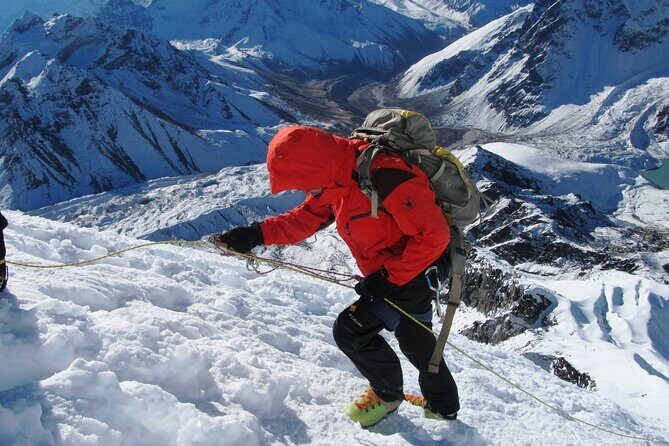
Lobuche East Peak at 6119 meters is described as one of the best short and fairly easy climbing trips in the Himalayas. That phrasing is useful, but it doesn’t mean easy in the everyday sense. At 6119m, everything feels harder: breathing, temperature, and how long it takes to do simple tasks.
Still, the reason this climb pairs well with the Everest Base Camp trek is that it keeps the adventure focused. You don’t need to be a lifelong mountaineer. What you do need is discipline: following safety procedures, moving in a controlled way, and trusting your team.
Past clients praised guides for doing everything to ensure success and safety on climbs like Lobuche East. Even without overpromising, that’s exactly the kind of support you want when you’re stacking a peak objective on top of trekking days.
You can also read our reviews of more hiking tours in Kathmandu



What the climb portion likely demands from you
You should plan for:
- A stronger effort on the climb days compared with regular trekking.
- Cold mornings and wind exposure (typical for higher passes and peak objectives).
- A mindset that accepts slower movement and frequent checking in with your guide.
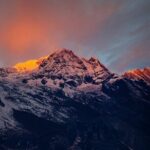
If you’re the kind of traveler who gets stressed when plans change by an hour, this trip will teach you to flex. The payoff is that when you’re on a clear morning, the summit views are a highlight people remember for a long time.
Camp life and gear: what’s included, what you’ll still need
One of the quiet wins in this package is how much support is included. You get camping and climbing equipments, plus all meals from Day 3 to Day 15, and coffee and/or tea. You also get entrance fees, all fees and taxes, and the climbing permit.
What that means for you:
- Less gear shopping before you leave home.
- Less mental load when you’re already dealing with altitude logistics.
- More budget clarity, since big permit and entry costs are handled.
But you still need to bring your personal trekking gears. “Personal gear” is where people often underpack, then suffer later. If you’re unsure what counts as personal gear versus what the company provides, confirm before you go. It’s worth a short message to Amber or your assigned planner so nothing gets missed.
Also, emergency and insurance are not included. That one matters. High-altitude trekking and climbing should be backed by travel insurance that covers evacuation or medical risk. Don’t treat this as optional paperwork. Treat it as part of the trip cost you can’t afford to skip.
Permits, fees, and the $2,470 price: is it good value?
At $2,470 per person for about 17 days in a private format, the price can look high at first glance. But when you break down what’s included, it becomes more understandable.
This package includes:
- The climbing permit
- Entrance fees
- All meals from Day 3 to Day 15
- Camping and climbing equipment
- All fees and taxes
Those line items are exactly what can inflate a budget when you build a trip yourself. Even if you don’t love the idea of paying for permits and admin, you should treat them as the price of doing things correctly in Nepal’s protected trekking and climbing zones.
Where the value can feel especially strong is the private aspect. Shared treks can offer lower prices, but private trips often mean smoother coordination, less waiting around, and more tailored guidance. If you want a plan that runs as one consistent effort—Gokyo Valley trekking, Chola Pass crossing, then Lobuche East—private support is often what makes it feel manageable.
The biggest cost you should still budget for outside the package is your own personal gear and insurance.
Who this Lobuche East + EBC trip is best for
This experience is geared to travelers with moderate physical fitness level and it’s described as a fairly easy climbing trip for the Himalayas. That’s promising, but you should read it realistically. Moderate fitness usually means you can trek for long days and handle uneven terrain without being totally wrecked. It doesn’t mean you’ll feel comfortable at 6119m.
This is a strong choice if:
- You want one integrated itinerary that blends Everest Base Camp trekking with an actual peak climb.
- You prefer a private group over a busy shared tour.
- You care about safety and guidance and want a team that communicates clearly. Amber’s reputation for responsiveness is specifically mentioned, and that’s the kind of practical support that matters before you even reach the trail.
This may not be the best fit if:
- You want a low-effort vacation pace.
- You’re relying on the idea that the climbing objective is short and therefore not intense.
- You don’t have insurance and emergency planning covered.
Should you book Three Jewels Adventures for Lobuche East and Everest Base Camp?
If your dream includes both Everest Base Camp and a summit moment, this itinerary makes a lot of sense. The included climbing permit, equipment, camping support, and meal coverage (from Day 3 to Day 15) reduce the number of unknowns you’ll wrestle with when altitude is already challenging.
Here’s my simple decision checklist:
- Do you have the stamina for a long, high-country trekking schedule?
- Are you okay with weather-driven changes, since good weather is required for the experience?
- Will you bring solid personal trekking gear and make sure your insurance covers emergency needs?
- Do you want the comfort of a private group and a team that’s known for safety-focused guidance and clear communication (including Amber)?
If you answered yes to those, booking is a reasonable move. You’re buying more than routes and dates. You’re buying a focused climb-and-trek arc that connects Gokyo Valley, Chola Pass, Lobuche East, and the Everest Base Camp goal into one coherent adventure.
FAQ
What city does the trip start from?
The tour is located in Kathmandu, Nepal.
How long is the experience?
The duration is approximately 17 days.
How high is Lobuche East Peak on this itinerary?
The climb objective is Lobuche East Peak at 6119 meters from sea level.
Are meals included, and for which days?
Yes. All meals are included from Day 3 to Day 15, and coffee and/or tea is also included.
What climbing and trekking support is included in the price?
The trip includes camping and climbing equipment, entrance fees, all fees and taxes, and the climbing permit.
What isn’t included?
Alcoholic beverages, personal trekking gears, and emergency/insurance are not included.
What’s the cancellation and weather approach?
You can cancel for a full refund up to 24 hours in advance. The experience requires good weather, and if it’s canceled due to poor weather, you’ll be offered a different date or a full refund.