REVIEW · KATHMANDU
15 Days Private Everest Base Camp Trek
Book on Viator →Operated by Nepal Social Treks and Expedition · Bookable on Viator
The flight into Lukla sets the tone. From Kathmandu you’ll head straight to one of the world’s most hair-raising airports, then work your way toward Everest’s big moments with steady altitude gains. You’ll also pass through Sherpa hubs and iconic viewpoints like Kala Patthar, plus the Khumbu Icefall area when you reach Everest Base Camp.
I especially like that Nepal Social Treks handles the key “start-up” stress: an airport meet, hotel check-in support, a group briefing, and a welcome dinner. After that, you travel with a professional trek leader, not just a loose plan and a map you’ll need to interpret at altitude.
I also like the way the schedule builds in breathing room. You get acclimatization days in Namche Bazaar and Dingboche, which matters more than people think when the air starts thinning. One possible drawback: your Lukla flights are weather-sensitive, so delays can push or reshuffle the exact timing of your trek.
In This Review
- Key things that make this trek feel worth it
- Thamel first: the trip starts before you lace up boots
- Lukla flight: plan for nerves, not perfection
- Phakding to Namche: pine forest, bridges, and early altitude smarts
- Namche acclimatization day: Everest View Hotel and Khumjung
- Tengboche: monastery time with real mountain scale
- Dingboche and Nangkartshang Peak: the acclimatization that actually counts
- Lobuche to Gorak Shep: stepping closer to the EBC zone
- Kala Patthar and Everest Base Camp: sunrise power and glacier reality
- Heading back through Tengboche, Namche, and Lukla
- Price and what you actually get for $1,420
- Who should book this Everest Base Camp trek
- Should you book this 15-day private EBC trek?
- FAQ
- What is the total duration of this Everest Base Camp trek?
- Where does the trek start and end?
- Are domestic flights to Lukla included?
- What kind of accommodation is provided?
- Is a guide included?
- Are meals included?
- Is the trek porter included?
- Are international flights included?
- Is there free cancellation?
- What should I do about my Nepal visa and insurance?
Key things that make this trek feel worth it
- Extreme-airport start (Lukla): a short flight that feels like a lifetime memory before the trail even begins
- Real acclimatization rhythm: Namche and Dingboche are treated as crucial, not optional
- Kala Patthar timing: early hiking for a panoramic Everest-massifs view that people chase for a reason
- Classic Sherpa culture stops: monasteries, mani walls, and daily-life villages along the route
- Base Camp day on rough ground: the approach to Gorak Shep and EBC isn’t a stroll, and that’s part of the payoff
Thamel first: the trip starts before you lace up boots
Most Everest Base Camp trips live or die by how smoothly the first 24 hours go, and this one begins in Kathmandu with practical support. After you land at Tribhuvan International Airport, a team member helps with check-in and your room key, so you’re not figuring things out with jet lag.
I like that you get a trek briefing that’s meant to cover the basics and also get you oriented with your guide and group. Then there’s a welcome dinner with everyone together, which makes it easier to move as one team once the trail starts.
If you arrive early enough, I’d use the evening to reset: read, hydrate, and take an easy walk around Thamel. You’re about to go from city noise to mountain quiet fast.
You can also read our reviews of more private tours in Kathmandu

Lukla flight: plan for nerves, not perfection
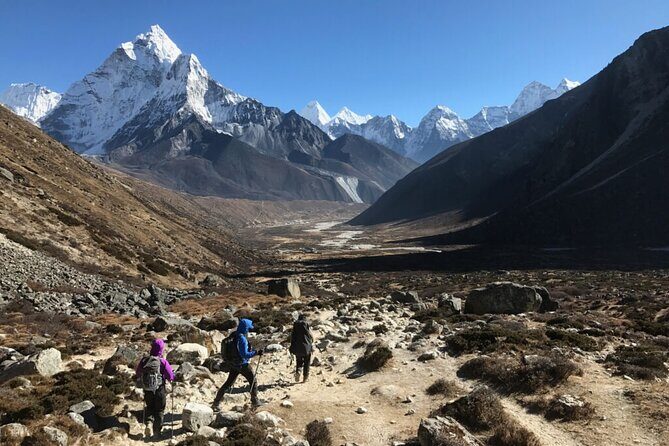
Lukla is famous for a reason. Even if you’ve seen videos before, nothing really prepares you for the combination of short runway, steep approach, and mountain weather.
In this package, you’ll take a two-way domestic flight between Kathmandu and Lukla (about 40 minutes each way). It’s part of what you’re paying for, because it puts you on the classic route without adding extra trekking days just to reach the trailhead.
Here’s the real consideration: Lukla weather can affect your schedule. If winds or visibility force delays, your timetable can shift. That’s not a flaw in the plan so much as the reality of flying in the Himalayas.
My practical advice: keep your expectations flexible and mentally budget time for possible holding patterns. If you can do that, the flight stops feeling like a problem and starts feeling like part of the story.
Phakding to Namche: pine forest, bridges, and early altitude smarts
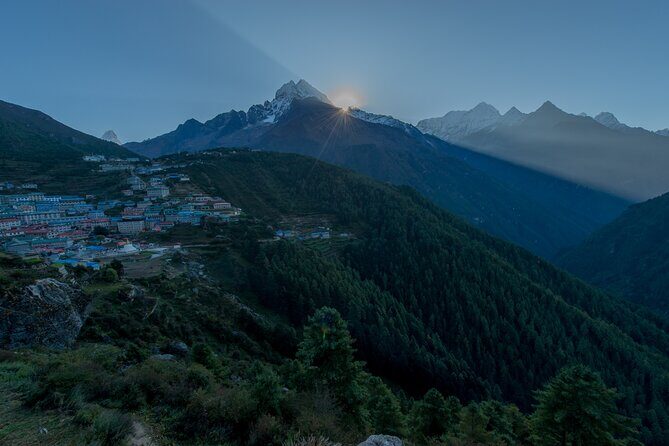
Your first trekking days move you through the Khumbu region in a way that’s challenging but not random. From Lukla, the route starts on a relatively easier trail toward Cheplung and then heads along the Dudh Koshi River.
I like this early flow because it gives your body time to wake up while you’re still at lower elevation. You also get those first mountain glimpses, including distant views tied to the region’s sacred geography.
As you continue toward Namche Bazaar, the trail climbs through pine forest and past rustic villages, with suspension bridges breaking up the route. You’ll also spend time in the Sagarmatha National Park zone, where the scenery and the terrain start to feel more “official” and protected.
This is where acclimatization habits matter. You’ll want to keep your pace calm, take breaks before you feel wrecked, and avoid the temptation to treat altitude like it’s just another hill.
Namche acclimatization day: Everest View Hotel and Khumjung
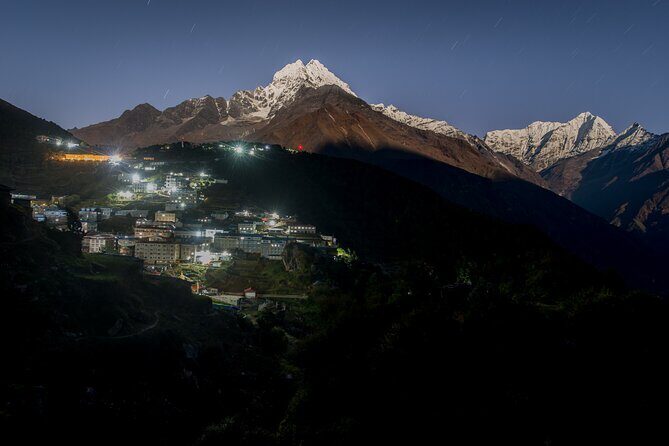
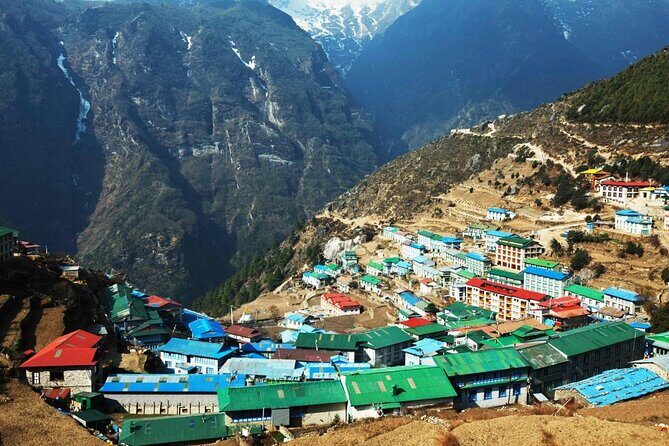
Namche Bazaar is often called the Sherpa capital for a reason: it’s a hub where you’ll see daily life and trade with mountains all around. This trek builds in a dedicated acclimatization day here, so you’re not just climbing through and hoping for the best.
A key advantage is that the day keeps you moving without treating your lungs like they’re optional. You’ll hike up to Khumjung, where you can visit the historic monastery and a school built by Sir Edmund Hillary.
Then there’s the Everest View Hotel, known for panoramic views and listed in the Guinness Book of World Records (2004) for the breadth of what you can see from its height. From that kind of viewpoint, you start to understand how huge the Everest massif really is, not just as a single peak but as a whole system.
If you’re prone to altitude issues, I’d treat this day as “do it, but don’t push it.” The win is arriving the next day feeling steadier, not sprinting for bragging rights.
Tengboche: monastery time with real mountain scale
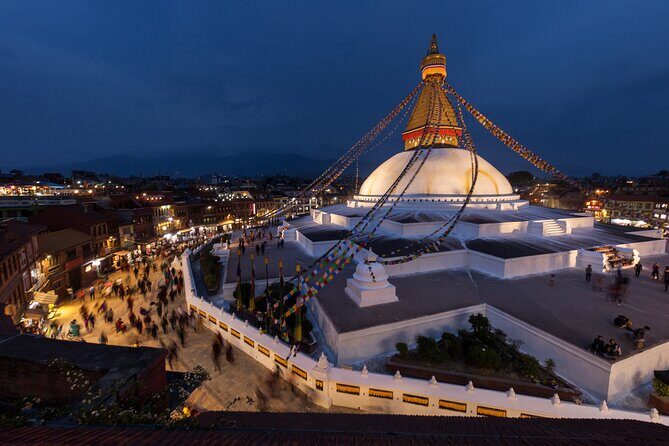
After Namche, the route trends toward higher ground through forested trails. You’ll pass places like Phungithanga, where the trail includes prayer elements such as a water-powered prayer wheel—small details, but they help you feel the place instead of just moving through it.
Tengboche is the big spiritual highlight. It’s home to Khumbu’s largest Buddhist monastery, and you visit it with mountain views all around.
I like how this stop balances reflection and exertion. You’ve been climbing, and now you get a grounded pause where the whole valley feels calmer. The view angles here are also excellent for seeing Ama Dablam, Everest, Nuptse, and Lhotse from the monastery area.
Don’t expect silence. This is a working region, and monasteries here sit inside real village rhythms. That’s part of the authenticity.
You can also read our reviews of more hiking tours in Kathmandu


Dingboche and Nangkartshang Peak: the acclimatization that actually counts
Dingboche sits at a higher elevation and feels more exposed than the lower villages. You’ll cross a suspension bridge over the Dudh Koshi River and walk through narrow paths past small settlements, mani walls, and chortens.
I like that the trek doesn’t treat Dingboche as a checkpoint. You get a second acclimatization day there, including a climb to Nangkartshang Peak (about 5,083 meters). The ascent is described as around 400 meters and includes steep sections from Dingboche’s center.
This is a smart approach: you’re challenging the body enough to stimulate adaptation, but still within a controlled schedule designed for altitude management. You also get sweeping views of major peaks like Ama Dablam, Makalu, Lhotse, Kantega, and Cho Oyu, which makes the effort feel more “earned.”
At this stage, your pace matters more than your speed. If you go too hard, you’ll pay for it later. If you go steady, you usually arrive feeling more human.
Lobuche to Gorak Shep: stepping closer to the EBC zone
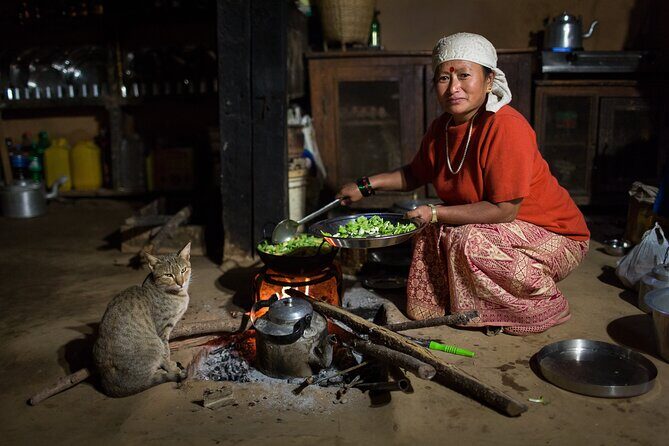
From Dingboche, the trail heads toward Pheriche and then onward to Lobuche. The walking becomes more strenuous, including steep climbs over glacier moraine.
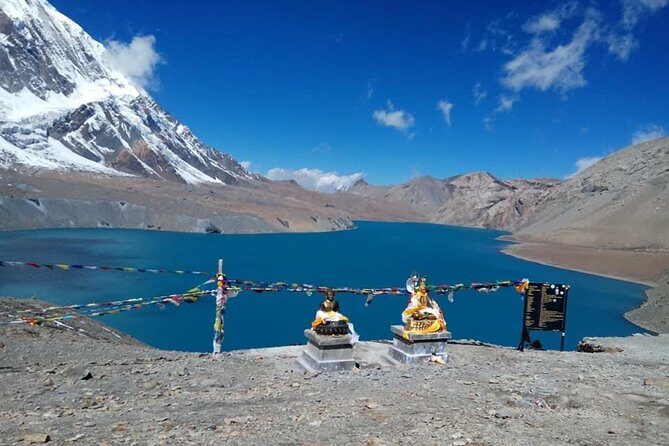
You’ll also pass Thukla Pass decorated with prayer flags and stone shrines—another moment where the route becomes cultural, not just physical. Then you reach Lobuche with big views over Nuptse and Taboche.
The classic EBC approach day moves you from Lobuche toward Gorak Shep on rough terrain. Once at Gorak Shep, you leave your bags and follow a rocky route toward Everest Base Camp.
What I appreciate about this design is that it matches what EBC really is: not a paved attraction. You’ll see glacial moraine and streams along the way, and the views—Khumbu Icefall, Khumbutse, Nuptse, and Pumori—show up as you earn them.
Expect a long day. The reward is worth it, but your legs will feel it.
Kala Patthar and Everest Base Camp: sunrise power and glacier reality
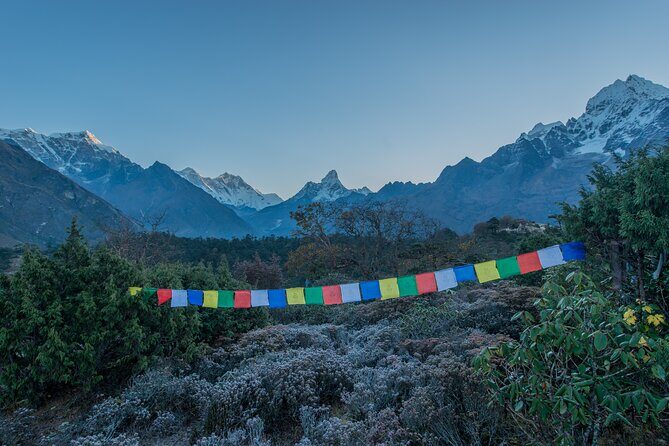
If there’s one moment this trek is built around, it’s the early push for Kala Patthar. You hike at dawn for sunrise views, and the route is described as steep and rocky.
This is a different kind of altitude moment. Your body has to work while the light changes fast, so you get a strong sense of why people wake up in the dark and keep going. The payoff is a prominent panorama of the highest mountains in the region.
After that, you descend toward Lobuche again, with continued time crossing rough trails and key passes. Then you reach Pheriche, where the trekking route ties into mountain rescue work: the Himalayan Rescue Association Clinic is located there, noted as a non-profit aimed at reducing casualties for trekkers and mountaineers.
Back near the Tengboche direction, you’ll get more forested walking through rhododendron and juniper, with rare wildlife and birds possible. That’s a nice contrast after the harsher terrain around the EBC approach.
Heading back through Tengboche, Namche, and Lukla
The return route follows a familiar spine, which makes it mentally easier. You go back to Tengboche after a trek with strenuous uphill sections, then later return to Namche Bazaar and continue toward Lukla.
I like that the days keep you moving but don’t turn the itinerary into a constant grind. You’ll cross bridges, pass monasteries, and see mani walls again, but now with a sense of completion.
The final trekking days include a steep descent from Namche Bazaar toward the Dudh Koshi River bank, and then you follow paths through rhododendron and pine forests. You’ll reach Phakding before the final uphill climb back to Lukla.
Then it’s back to Kathmandu with that same quick, dramatic flight—about 40 minutes—followed by a transfer back to a hotel in Kathmandu and eventually to Tribhuvan International Airport.
This kind of loop matters. It prevents “newness fatigue,” and it helps you enjoy the return because you already understand the rhythm.
Price and what you actually get for $1,420
At $1,420 per person for around 15 days, the value is largely in what’s bundled and what isn’t.
Included basics that matter:
- Two-way domestic flights Kathmandu–Lukla–Kathmandu (major cost driver and major convenience)
- Kathmandu lodging in a 3-star hotel plus lodge accommodation on trek
- A professional trek leader
- A package that includes a Nepal Social duffel bag and sleeping bag
- Meals listed in the package (including dinner, breakfast, and lunch counts shown in the trip)
What’s not included (and you should budget early):
- Personal trekking gears and equipment
- Trekking porter (this is explicitly not included)
- Nepal entry visa fees (you pay directly)
- International flight ticket
- Travel and medical insurance
My take: if you’re comfortable with the need for gear and you’re ready to handle porter logistics yourself, this price is fair for a supported, guided EBC trek with flights. If you need a porter and you’re not prepared to arrange it, that can add cost and stress close to departure.
Who should book this Everest Base Camp trek
This is a strong fit if you want a private setup where only your group participates. It’s also a good match if you have moderate physical fitness and you understand that altitude changes everything.
You’ll enjoy it most if you like:
- guided structure (especially acclimatization pacing)
- cultural moments like monasteries at Tengboche
- dramatic viewpoint chasing, especially Kala Patthar
You might think twice if you know you’re very sensitive to altitude or you don’t handle schedule changes well. Since Lukla flights depend on weather, you need to stay flexible.
Also, if you want to travel with a porter, plan ahead. The trek supports a porter role as a common need, but the porter is not included in this package.
Should you book this 15-day private EBC trek?
Book it if you want a well-paced Everest Base Camp journey with guided leadership, built-in acclimatization in Namche Bazaar and Dingboche, and a route that hits the big hits like Tengboche and Kala Patthar. The included flights and Kathmandu lodging alone help you avoid a lot of common headaches.
I’d hesitate only if you’re not ready for either of these realities: weather-linked flight changes at Lukla, and the fact that a porter is not included. If you can handle those, this looks like a solid way to reach Everest Base Camp without turning the trip into logistics homework.
FAQ
What is the total duration of this Everest Base Camp trek?
The trek is listed as 15 days (approx.).
Where does the trek start and end?
It starts at Nepal Social Treks & Expedition in Kathmandu and ends back at the same meeting point.
Are domestic flights to Lukla included?
Yes. The package includes two-way domestic flights from Kathmandu to Lukla and back.
What kind of accommodation is provided?
You get accommodation in Kathmandu in a 3-star hotel, and lodge accommodation on the trek.
Is a guide included?
Yes. A professional trek leader is included.
Are meals included?
Meals are included during the trek, with dinner (13), lunch (12), and breakfast (14) listed as included.
Is the trek porter included?
No. A trekking porter is not included.
Are international flights included?
No. International flights are not included in the package.
Is there free cancellation?
Yes. You can cancel up to 24 hours in advance for a full refund.
What should I do about my Nepal visa and insurance?
Visa fees should be paid by you directly. Travel and medical insurance are not included in the package.