REVIEW · KATHMANDU
4 Days Pikey Peak Trek : The Best View of Mt Everest
Book on GetYourGuide →Operated by Alpinist Club · Bookable on GetYourGuide
That ridge line can change your whole week.
This 4-day Lower Khumbu trek is built for Everest-area panoramas without the big-time crowds, with peaceful trails through rhododendron forests and alpine meadows plus genuine Sherpa village life. I especially like that it’s short enough to fit real travel schedules, and that the summit plan is designed to help you catch the famous sunrise over Pikey Peak. One thing to keep in mind: you’ll trade “short trek” for a serious Kathmandu-to-Dhap drive each way.
You’ll also get big-horizon Himalayan views in a way that feels calmer than the classic Everest route. The altitude is moderate (4,065m at Pikey Peak), but it can still give some people mild altitude symptoms, so go slow and plan smart.
In This Review
- Key Points You’ll Care About
- Why Pikey Peak Works When You Have Only 4 Days
- The Long Drive: Kathmandu to Dhap (and Back) Is Part of the Deal
- Day 1: Dhap Bazar to Jhapre via Kerung Village and Buddhist Calm
- What can slow you down
- Day 2: Jhapre to Pikey Base Camp (3,640m) and the Quiet High-Life
- Teahouses/lodges: what to expect
- Day 3: Summit Day on Pikey Peak (4,065m) and the Big Panorama Moment
- Summit-day reality check (the kind that saves you)
- Day 4: Jhapre to Dhap and the Drive Back to Kathmandu
- The Human Side: Small Groups, English Guides, and Sherpa Culture You Can Touch
- Price and Logistics: Does $350 Really Make Sense?
- What You’ll Eat and How Comfortable Lodges Actually Are
- Altitude, Weather, and Packing: Keep It Simple and Effective
- Gear that matters on a short trek
- Connectivity and Cash: Plan Like ATMs Aren’t Your Friend
- Best Season to Catch Clear Views (and Blooming Forests)
- Should You Book This Trek?
- FAQ
- What is the highest altitude on this trek?
- How long are the hiking days?
- Is meals and beverages included in the price?
- How do permits and taxes work for this trek?
- Is a porter included?
- What about phones and internet on the trail?
- Is this trek suitable for everyone?
Key Points You’ll Care About
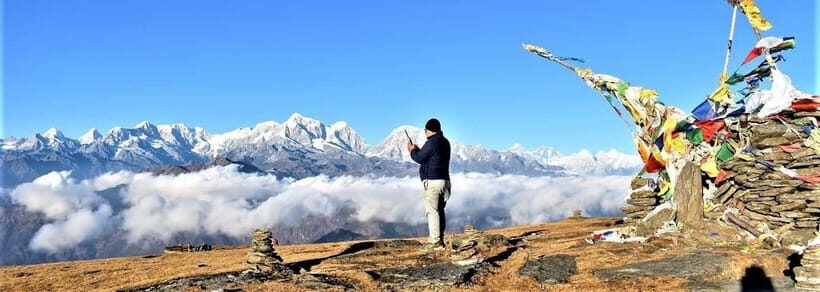
- Everest views with fewer crowds in the Lower Khumbu region
- Sunrise payoff on Pikey Peak (4,065m), timed for early hiking
- Culture stops you can actually walk through, including Sherpa villages and Buddhist sites
- Scenic variety: river valleys, stone-walled trails, stupas, forests, and meadows
- Small group size (up to 8) helps the pace feel human, not rushed
Why Pikey Peak Works When You Have Only 4 Days
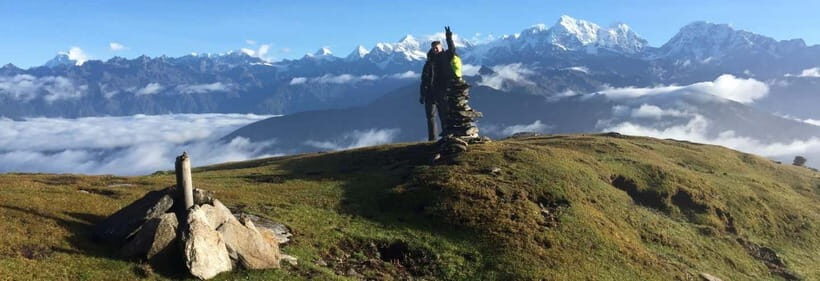
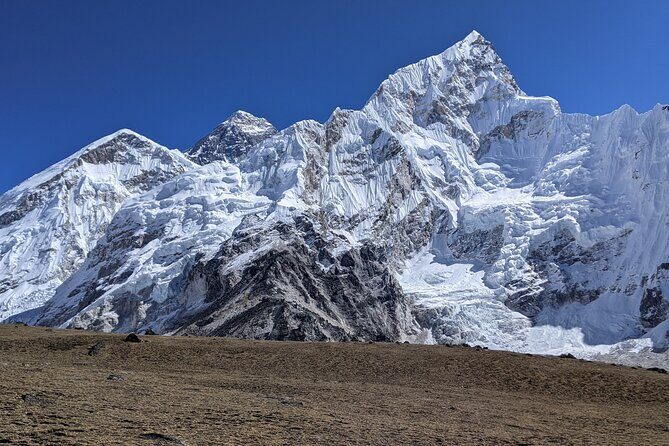
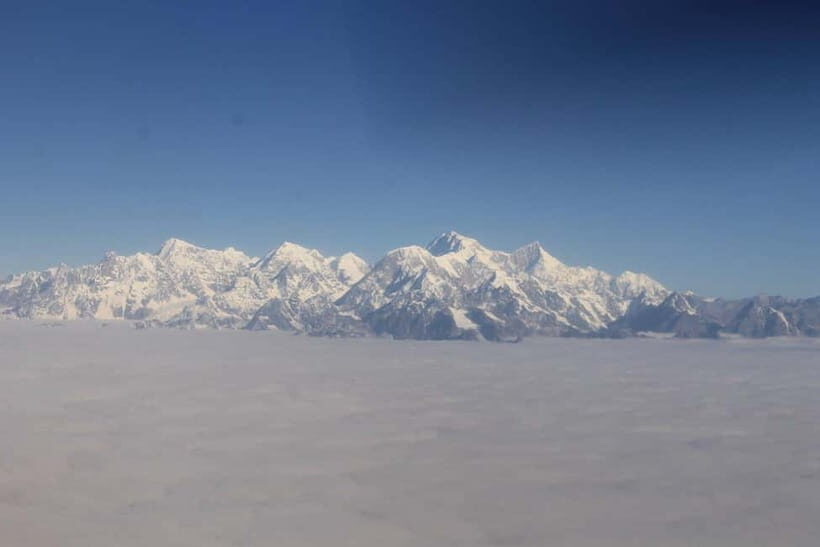
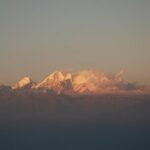
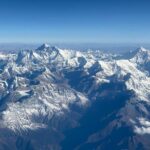
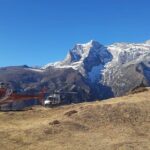
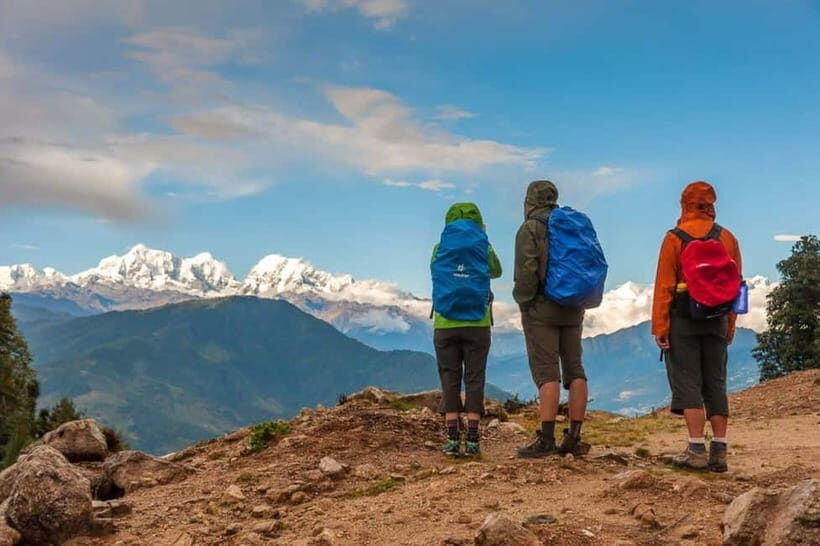
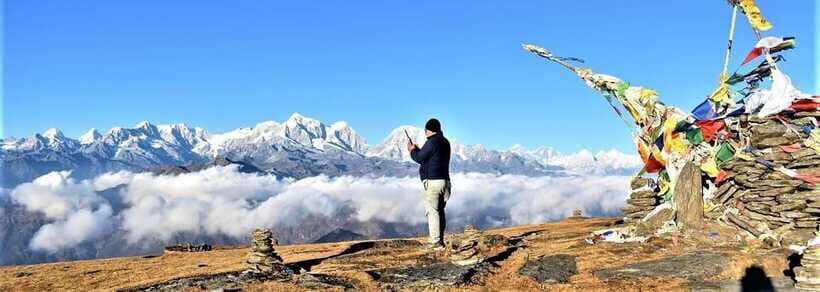
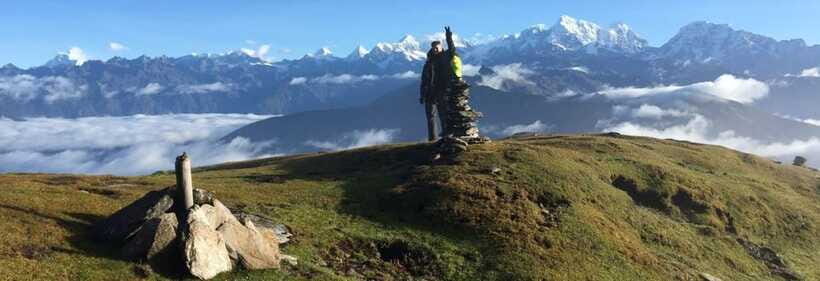
Pikey Peak is one of those hikes where the marketing matches the feeling. You’re not chasing Everest’s technical difficulty. You’re chasing the view. On a clear morning, the high point at 4,065m gives a broad panorama that can include Everest, Dhaulagiri, and Kanchenjunga, plus a long sweep of the Himalayan range. That’s the headline.
The second reason this trek works is logistics. You can taste the mountains close to Kathmandu—more like a Himalayan “weekend training session” than a months-long expedition. In practice, that means you get multi-day trekking rhythm, village culture, and high-altitude air without needing to take over your entire calendar.
You can also read our reviews of more hiking tours in Kathmandu
The Long Drive: Kathmandu to Dhap (and Back) Is Part of the Deal
This trek starts with a private jeep/van transfer from Kathmandu to Dhap (often listed as a long day, around 8 hours). You’ll be picked up from your hotel in Kathmandu, then driven out toward the trailhead area.
What matters here is how you plan your energy. The drive is long, and you’re still doing a hike after it. So I recommend you treat Day 1 like a “warm-up,” not a fitness test. Bring water for the car ride, keep your camera accessible, and don’t plan any big evening adventures back in Kathmandu—save that for the next day when you’re not tired, stiff, and trying to find dinner.
Day 1: Dhap Bazar to Jhapre via Kerung Village and Buddhist Calm
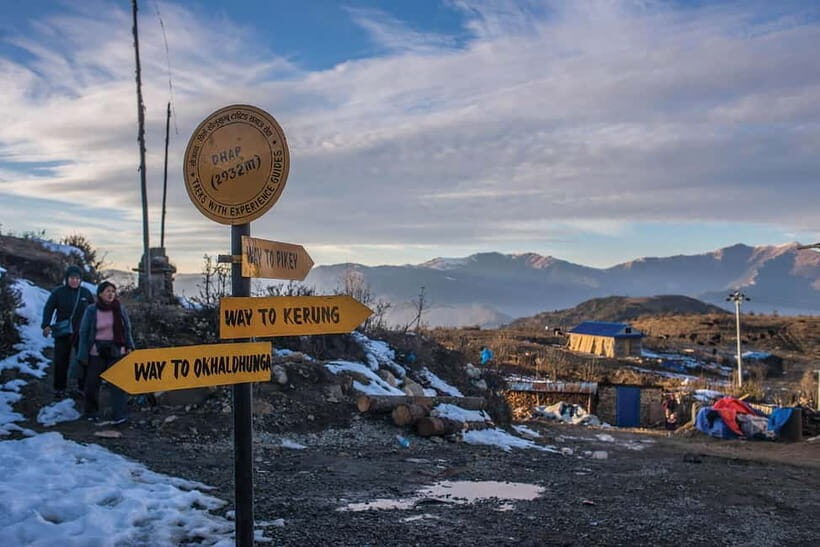
Day 1 blends countryside scenery with an easy-to-moderate walking start. You’ll drive from Kathmandu to Dhap Bazaar, following the Sunkoshi River corridor. This section typically comes with lush views, terraced rice fields, and river-and-forest scenery that makes Nepal feel lived-in, not staged.
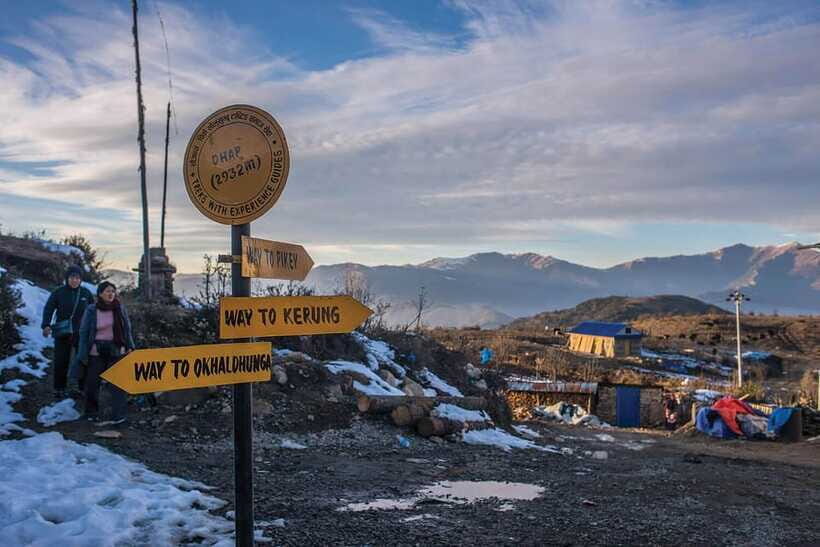
After a short break at Dhap Bazaar, the trek continues toward Jhapre (2,820m). One of the most interesting built-in moments on Day 1 is the passing through a Tibetan-influenced village (Kerung) and the chance to explore traditional Buddhist monasteries along the way. Add in the mention of wild orchids and Himalayan charm, and you get a cultural start that doesn’t feel like a detour.
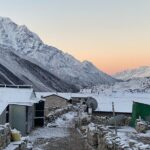
Overnight is in a local lodge at Jhapre. Expect basic but cozy setups and twin sharing rooms with blankets.
What can slow you down
The elevation isn’t extreme yet, but Day 1 still follows a long drive. If you’re sensitive to motion sickness, take precautions before the road.
Day 2: Jhapre to Pikey Base Camp (3,640m) and the Quiet High-Life
Day 2 is your “build altitude slowly” day. You’ll trek up toward Pikey Base Camp at 3,640m, with the hike taking about 6 hours.
This is where the trail starts to feel more classic Himalayan—stone walls, ancient stupas, and Buddhist monasteries visible along the route. It’s not just scenery; it’s wayfinding. Those religious structures and stone borders often guide you through a landscape that feels older than the route itself.
When you reach Pikey Base Camp, it’s a peaceful place to rest and prepare for the summit push. The big practical point: Day 2 helps you arrive at a higher sleeping altitude before your peak morning, which can reduce how hard the summit day feels.
A few more Kathmandu tours and experiences worth a look
Teahouses/lodges: what to expect
Lodges on this trek are basic but comfortable enough for a multi-night stop. Food is typically simple and filling (more on that later). Hot showers may be available in some lodges for an extra cost, so don’t count on a warm rinse every night.
Day 3: Summit Day on Pikey Peak (4,065m) and the Big Panorama Moment
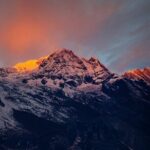
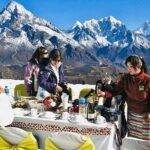
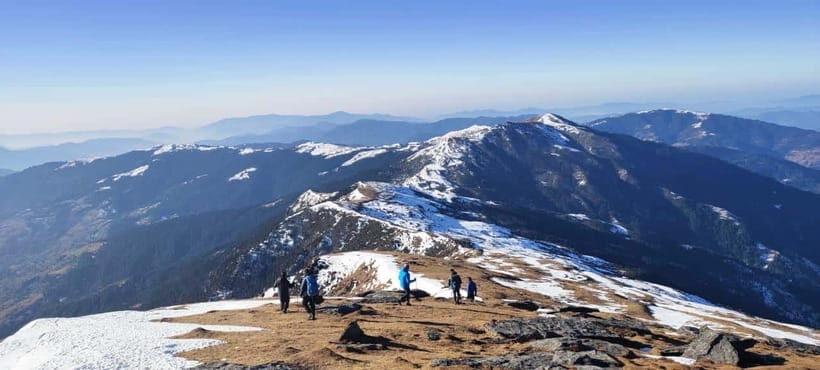
This is the day you came for. The hike to Pikey Peak (4,065m) is short in distance but serious in feeling, with about 1.5 hours to reach the summit from the starting point on the trek day (then you’ll descend). The key promise here is the panoramic view—from Kanchenjunga in the east to Dhaulagiri in the west—plus the chance to see Mount Everest (8,848m) in the right conditions.
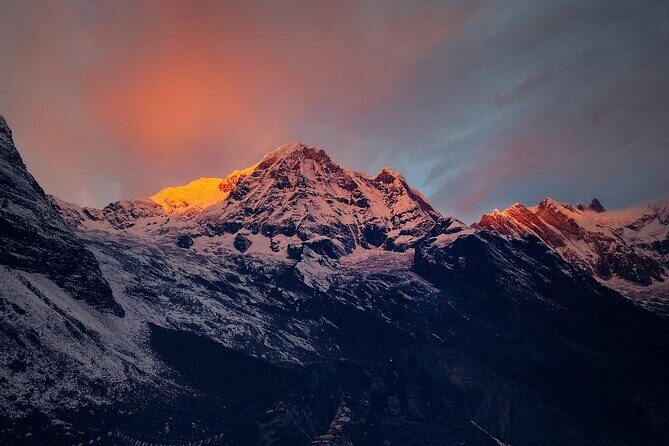
The sunrise highlight is specifically part of the trek experience. Translation: you’ll likely be moving early on summit morning, not strolling at leisure. I like that approach for two reasons. First, it increases your odds of clear light for photos. Second, the early start makes the summit day feel more like a planned mission than a random hike.
When you finish soaking up the views, you won’t stay up high forever. You’ll descend back toward Pikey Base Camp and then continue down to Jhapre (about 6 hours of hiking total for the descent portion). That means Day 3 ends with a long walking finish, not just a quick summit and done.
Summit-day reality check (the kind that saves you)
Even though 4,065m is “moderate” altitude, you can still get mild AMS symptoms. Keep it boring: walk slowly, drink water, and don’t celebrate by overexerting after you reach the top.
Day 4: Jhapre to Dhap and the Drive Back to Kathmandu
Day 4 is the payoff day in reverse: one final trek down, then you’re back in a vehicle heading to Kathmandu. After breakfast, you hike toward Dhap and then do the return drive (again, a long stretch, around 8 hours).
This day is mostly about feeling your legs again. You’ll be tired, but it’s the kind of tired that comes with satisfaction, not regret. Once you return to Kathmandu, you’ll be dropped off at your hotel.
If you’re prone to getting a little emotional after mountains (it happens), this is the time. The trek ends in a familiar city, and that contrast is exactly why short Himalayan trips hit so hard.
The Human Side: Small Groups, English Guides, and Sherpa Culture You Can Touch
This trek runs as a small group with a limit of 8 participants, and you’ll travel with an English-speaking trekking guide. That small-group size matters because it keeps the pace flexible and the atmosphere calmer. You’re less likely to feel like you’re fighting for position on narrow sections of trail.
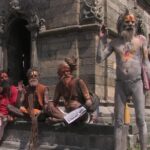
Cultural experience is also part of the route: you’ll walk through Sherpa villages and pass Buddhist monasteries and stupas, plus you’ll have time to interact in the village context rather than just stopping for photos and leaving.
The guide can make or break the vibe. Based on recent experiences, guides such as Pemba, Sukbir Tamang, and Ngima chhechi Sherpa have been described as friendly and attentive—especially helpful for keeping the trek enjoyable when fatigue starts creeping in.
Price and Logistics: Does $350 Really Make Sense?
At $350 per person for 4 days, this trek can feel like good value for what you get—especially compared with trips that are “cheap” but make you handle permits and transport on your own.
Here’s what’s included:
- Experienced English-speaking guide
- Permits and government taxes
- Private jeep/van Kathmandu ↔ Dhap
- Hotel pick up and drop off
- Lodge accommodation during the trek with breakfast
What’s not included:
- Meals and beverages (you’ll pay for food beyond breakfast)
- Porter (so plan to carry your own day pack)
- Personal expenses
So, the real cost math is simple: if you’re okay eating teahouse food and carrying your essentials, $350 covers the heavy logistics. If you want a porter or you eat extra snacks and drinks, your total will climb. Still, you’re not paying for a big expedition structure, and the trek itself is short by Himalayan standards.
What You’ll Eat and How Comfortable Lodges Actually Are
Lodges on this route serve practical trekking food. Expect choices like dal bhat, noodles, soup, eggs, potatoes, Tibetan bread, tea, and coffee.
That sounds basic, and that’s the point. You’re burning calories, and these meals are meant to work. I wouldn’t treat meals like a “food tour,” but I would treat them like fuel.
A couple of comfort notes to plan for:
- Rooms are twin sharing with blankets.
- Hot showers might be available in some lodges for an extra cost.
- Electricity tends to be solar or limited, so charge devices when you can.
Altitude, Weather, and Packing: Keep It Simple and Effective
Your highest point is 4,065m, which is considered relatively moderate for the Himalayas, yet mild AMS can still happen. The smartest approach is behavior, not bravado:
- Drink plenty of water.
- Walk slowly.
- Avoid alcohol.
- After summit day, try to sleep a bit lower (your descent helps with that).
Gear that matters on a short trek
You don’t need a warehouse of equipment, but you do need the basics:
- Trekking boots (broken in)
- Layered clothing: base layer, fleece, down jacket, waterproof shell
- Gloves, hat, and a scarf/buff
- Sunglasses and sunscreen
- Headlamp
- Water purification tablets or filter
- Snacks (energy bars, nuts)
- Small first-aid kit (include altitude and stomach medicine)
- Power bank (electricity is limited)
If you forget anything small, it can be annoying. If you forget layers, it can be miserable.
Connectivity and Cash: Plan Like ATMs Aren’t Your Friend
Along the route, NTC and Ncell can work in many villages, but it can be patchy. Also, there are no ATMs on the trail, so bring enough cash in Nepali rupees for meals, drinks, and any extra lodge comforts (like hot showers if available).
Electricity is limited, so expect slower charging. A power bank isn’t a luxury on this kind of trip.
Best Season to Catch Clear Views (and Blooming Forests)
You’ll get the best chance at good visibility in:
- Spring (March–May): rhododendrons in bloom and often clear views
- Autumn (Sept–Nov): typically the best visibility and weather
- Winter (Dec–Feb): cold but can bring clear skies
If you’re planning around photography, you care about visibility more than you care about comfort. Layers still matter, but weather can make or break the view.
Should You Book This Trek?
You should book if you want:
- Everest-area views in a short, beginner-friendly timeline
- A calmer alternative to the busiest Everest routes
- Cultural walking in Sherpa villages plus monasteries and stupas
- A trip with a small group and an English guide who can keep things on track
You might skip it if:
- You’re not comfortable with a long drive out and back
- You want meals and drinks fully included (they aren’t)
- You’re pregnant (this trek is listed as not suitable)
If you’re deciding between a short Himalayan taste and a longer commitment, this is the “taste” that still feels like a real trek.
FAQ
What is the highest altitude on this trek?
The highest point is Pikey Peak at 4,065 meters. There is also overnight/stop time at Pikey Base Camp (3,640m).
How long are the hiking days?
Hikes are typically around 6 hours on Day 2 and about 6 hours of hiking for the Day 3 descent portion, with the summit hike taking roughly 1.30 hours to reach the peak. Day 1 includes trekking after the drive, and Day 4 includes trekking down before the return drive.
Is meals and beverages included in the price?
No. Breakfast is included with lodge accommodation, but meals and beverages are not included.
How do permits and taxes work for this trek?
Permits and government taxes are listed as included in the tour package.
Is a porter included?
No. A porter is not included, so you should plan to carry your own items (at least a day pack).
What about phones and internet on the trail?
NTC and Ncell work in most villages but can be patchy. There are also no ATMs on the trail, so bring enough cash in advance.
Is this trek suitable for everyone?
It’s described as not suitable for pregnant women. Altitude is relatively moderate but can still cause mild symptoms, so take it slow and be prepared.