REVIEW · KATHMANDU
Everest Base Camp Trek
Book on Viator →Operated by Sublime Trails Pvt. Ltd · Bookable on Viator
Everest Base Camp is famous, but the real trick is logistics. I love that this trip handles the round-trip Kathmandu–Lukla flights and puts you on a steady guided schedule fast. I also love the all-inclusive trekking package for meals and porter support, so you can focus on walking, not planning. One consideration: you still need moderate physical fitness and you’ll want your own travel insurance since rescue/evacuation isn’t included.
Before the first step, you get an easy Kathmandu landing: airport pickup, a 3-star hotel for two nights, and a briefing that helps you understand what comes next. The group stays small (up to 16), and the trekking is led by an experienced mountaineer plus supporting staff, which matters a lot when the mountain throws curveballs.
In This Review
- Key things that make this Everest Base Camp trip work
- Kathmandu Arrival: Easy start, clear briefing, Thamel time
- The Lukla Flight Day: Where the trek becomes real
- The 11 walking days: High passes, villages, and a steady rhythm
- Your guide and porter team: The difference between tough and doable
- Kathmandu wrap-up: Two more days to breathe and reset
- Price and value: What you’re paying for (and what you’re not)
- What a typical day feels like on this trek
- Who this tour suits best (and who should reconsider)
- Should you book this Everest Base Camp trek?
- FAQ
- How long is the Everest Base Camp trek with this package?
- Where does the trip start?
- Is airport pickup included in Kathmandu?
- Are Kathmandu meals included?
- Are flights included to Lukla?
- What kind of accommodation do you get?
- Who supports you on the trek?
- What does the price include?
- What’s not included?
- What’s the cancellation policy?
Key things that make this Everest Base Camp trip work
- Lukla flights are included both ways, so you’re not scrambling over transportation mid-trip
- Meals during the trek are covered, which helps you keep a consistent eating rhythm at altitude
- A mountaineering guide is part of the package, not a last-minute add-on
- Porter support is included, which reduces load stress on long days
- Small group size (max 16) helps the pace stay manageable
- First-aid support is carried by the guide, giving you an added layer of reassurance
Kathmandu Arrival: Easy start, clear briefing, Thamel time
Your trip begins in Kathmandu with airport pickup and a drive to a 3-star hotel. You get two nights there, plus a breakfast so you’re not starting day one running on bad fuel or cold eggs. After you rest, you’ll receive a short trek briefing—enough to set expectations and help you pack smart for the mountain.
What I like here is the practical calm. Everest Base Camp is an emotional magnet, but altitude punishes chaos. A briefing early on means you’ll understand how the trek is run, what support looks like, and how the team expects you to move and recover day to day.
You also get time in the afternoon to explore Thamel, the well-known tourist neighborhood around shops and trail gear. You might use this window for last-minute items (warm layers, batteries, small comforts). Just don’t spend the whole day bouncing between stores—save energy for the next step.
You can also read our reviews of more hiking tours in Kathmandu

The Lukla Flight Day: Where the trek becomes real
After Kathmandu, the plan is simple and direct: you fly to Lukla. Once you land, you get another trek briefing, and then the walking starts from Lukla right away.
A key detail: the first hiking day includes a walk along the Dudh Koshi river for about 3 hours to reach Phakding, where you’ll sleep for the night. That river route is a nice on-ramp. It’s not the big wall-of-gravity day yet, but it helps you transition from city pace to mountain pace without shocking your body.
Logistics matter a ton on this route. In the comments from people who’ve done it with Sublime Trails, the coordination around getting in and out of Lukla comes up repeatedly. Ajit, Adjit, and Prakash are names that appear in that context, which usually signals one thing: the company isn’t just selling a map—they’re managing a real-world bottleneck.
The 11 walking days: High passes, villages, and a steady rhythm
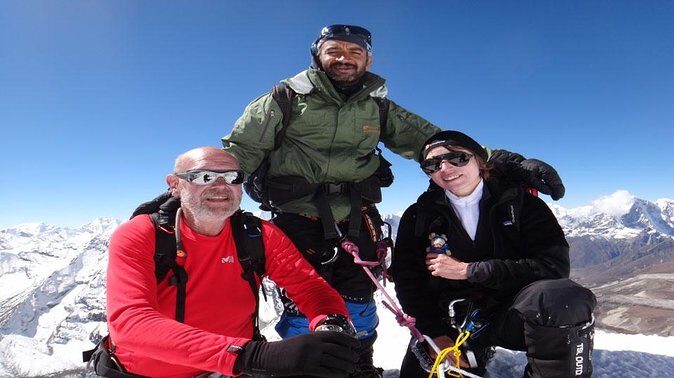
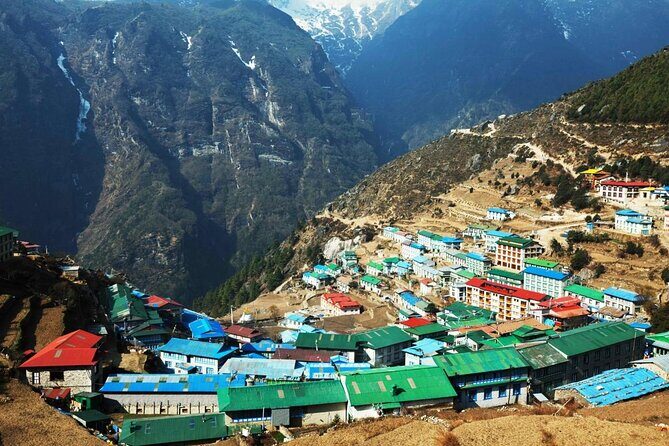
The full trek component is described as 11 days on high-altitude trails, including high passes and village sections. I can’t promise exact daily villages from the information provided, but the structure is clear: you’re progressively moving deeper into the Everest region with enough variety to keep the hike interesting, and enough guidance to keep it safe.
Here’s what this kind of route tends to require from you, and why this tour format helps:
- You’ll likely spend most days balancing effort and recovery. That’s where the meal plan becomes a big deal, not a small perk.
- You’ll be walking through a chain of settlements and trail segments, which gives you frequent chances to reset mentally and physically.
- You’ll face high passes, meaning it’s not just a casual stroll. The guide’s job is to manage pacing so you don’t burn out early.
The trek includes lodge accommodation as you move along the route, plus breakfast, lunch, and dinner each day while you’re trekking. This is one of the most valuable parts of the package because it reduces decision fatigue. At altitude, you don’t want to be guessing where to eat or whether the food will be reliable.
Also, porter support is included. You’ll still work—this is a real hike—but having support for your gear can mean the difference between finishing strong and feeling wrecked at the end of the day.
Your guide and porter team: The difference between tough and doable
This package includes a well-experienced guide and porter for the trekking, and it also notes that necessary paperwork is handled with Nepal’s government and tax department. That might sound administrative, but it matters: it’s part of how the trip stays organized before you even reach the mountain.
On the “people” side, the comments you shared highlight recurring guide qualities: clear daily route guidance, friendliness, responsibility, patience, and attention to safety. Names that show up include Suman (credited with leadership) and assistants Dawa and Lakshman, plus Prakash (praised for keeping teams safe even when the itinerary time stretches), and Ajit/Adjit (credited with detailed route expectations and handling travel logistics around flights).
That pattern tells me the strongest value you’re buying isn’t just someone who knows the trail. You’re buying a team that knows how to manage timing, explain what’s coming next, and keep everyone functioning when conditions change.
A small but meaningful detail: the guide carries a Sublime First Aid kit. It won’t replace medical care, and it doesn’t change the fact that insurance isn’t included—but it does reflect planning for the reality of trekking.
Kathmandu wrap-up: Two more days to breathe and reset
Besides the trekking, you also get an additional two days in Kathmandu. That’s a smart inclusion, because after you come down from the mountain, you don’t want your first plan to be a stress sprint toward your next flight.
What you can do with this time depends on your arrival and departure timing, but you generally get a chance to recover, get cleaned up properly, and handle any final errands. You’ll also likely have a window to revisit Thamel or just sit somewhere with tea and let your body stop feeling like it’s still climbing.
One caution I’ll give you upfront: meals in Kathmandu are only partially included. The package lists breakfast in Kathmandu as included, but other Kathmandu meals aren’t. So budget a little for lunch and dinner during the city days, plus any drinks you want.
Price and value: What you’re paying for (and what you’re not)
At $1,750 per person, this is not a “budget only” Everest Base Camp option. But it does include several expensive and high-risk-to-coordinate components:
- Kathmandu hotel for 2 nights (around 3-star category)
- All trekking meals (breakfast, lunch, dinner each trekking day)
- Lodge accommodation during the trek
- Round-trip flights between Kathmandu and Lukla
- Guide and porter support
- Transportation and airport pickup in Kathmandu
- Paperwork support with Nepal and tax department processes
- First aid kit carried by the guide
Now for the things that aren’t included, which are easy to forget until you’re standing in a line somewhere freezing:
- International airfare (you handle this)
- Nepal entry visa fee
- Personal expenses like phone calls, internet, laundry, bar bills, battery recharge, hot showers, etc.
- Alcohol and nonalcoholic drinks, including drinking water during the trip
- Tipping for the crew
- Rescue, travel insurance, and any evacuation or medical emergencies
So the value question becomes: can you trust the package to cover the big logistical pieces? The answer seems yes for flights and trekking structure. The remaining risk is mainly personal: insurance, tipping, and your own spending habits on the trail.
If you’re the type who hates hidden costs, this format is good because meals and core logistics are handled. If you’re hoping for a super-low spend, you’ll need to control extras like drinks and paid services.
What a typical day feels like on this trek
Even without naming each day’s destination in detail, the rhythm is consistent with this kind of Everest Base Camp plan:
Morning: you eat breakfast, check gear, and follow the day’s route instructions. The guide support is there to help you pace and keep the trail experience smooth.
Midday: you’ll stop for lunch as part of the provided meal plan. This helps you stay fueled instead of running on snack crumbs.
Afternoon: you’ll continue hiking to the day’s lodge and then manage the evening basics—rest, warmth, and preparing for the next day.
Evenings: you’re in lodge accommodation, which means you’re not carrying a full camping setup. That’s an important comfort and effort trade-off.
One practical tip: because drinks and drinking water aren’t included, you should think about how you’ll pay for hydration and what you’ll choose to buy. That’s a very real line-item once you’re moving daily.
Who this tour suits best (and who should reconsider)
This trip is listed as requiring moderate physical fitness. That suggests it’s for people who can hike for multiple days and handle altitude trekking demands, but it’s not pitching it as an ultra-technical climb.
I’d also say it’s a good match if you want the structure: flights included, meals included, guide included, and porter included. You’re basically buying a guided “system,” not just a ticket to a trailhead.
You might reconsider if:
- You’re not comfortable paying extra for Kathmandu meals beyond breakfast, drinks, and personal expenses.
- You’re unwilling to purchase travel insurance for medical or evacuation contingencies (and for cancellation costs, depending on your policy).
- You want total control over every detail. This is a team-run plan with a schedule and support roles.
Should you book this Everest Base Camp trek?
If you want a classic Everest Base Camp experience with clear logistics and support that’s built into the package, I think this is the kind of trip worth booking. The big strengths are the included trek meals, lodge accommodation, porter support, and the round-trip Lukla flights that keep the whole operation from turning into a last-minute scramble.
My deciding advice is simple: budget for what’s not included (insurance, Nepal visa, drinks, tipping, and personal expenses), and be honest about your fitness. If you do those two things, you’re setting yourself up for a strong chance at finishing the trek with your energy still intact.
FAQ
How long is the Everest Base Camp trek with this package?
The itinerary is described as a two-week excursion: 11 days of trekking plus two additional days in Kathmandu.
Where does the trip start?
It starts in Kathmandu, Nepal.
Is airport pickup included in Kathmandu?
Yes. The package includes airport pick up and driving/transfer.
Are Kathmandu meals included?
Breakfast in Kathmandu is included for the two hotel nights. Other meals in Kathmandu are not included.
Are flights included to Lukla?
Yes. Round-trip flight fare from Kathmandu to Lukla and return to Kathmandu is included.
What kind of accommodation do you get?
You get a 3-star category hotel in Kathmandu for 2 nights and lodge accommodation during the trek.
Who supports you on the trek?
The package includes a well-experienced trekking guide and porter support, and a first aid kit carried by the guide.
What does the price include?
It includes Kathmandu hotel (2 nights), trek lodge accommodation, breakfast/lunch/dinner during the trekking days, ground transfers, Lukla round-trip flights, guide and porter support, and paperwork support with Nepal authorities.
What’s not included?
Not included are international airfare, Nepal entry visa fee, travel insurance (and rescue/evacuation costs), meals other than breakfast in Kathmandu, drinks/water during the trip, personal expenses, and tipping.
What’s the cancellation policy?
Free cancellation is available up to 24 hours in advance for a full refund. If you cancel less than 24 hours before the experience starts, the amount paid is not refunded.