REVIEW · KATHMANDU
Everest Base Camp Trek – Hiking to Mt Everest
Book on Viator →Operated by Adventure Vision Treks and Travels · Bookable on Viator
Everest Base Camp hits hard, in a good way. I like the way this trek pairs tea-house nights with Sherpa culture stops, so you get more than just altitude. My only real caution is that Lukla flights can get delayed by weather, so you should be ready for Plan B.
You’ll get a guided, private setup with airport pickup, flights to and from Lukla, and a proper on-the-ground team (guide plus porter). Guides I heard named like Jiban’s crew members (Tony and Tika), plus guides such as Durga Kadel, are often praised for staying calm, flexible, and genuinely helpful when schedules wobble.
In This Review
- Key Points Before You Go
- Why This Everest Base Camp Trek Starts with Lukla Flights
- Kathmandu Days: Prep Without Feeling Like a Classroom
- Day-by-Day Trek Rhythm: What Each Stop Really Does
- Day 03: Lukla to Phakding (2640m)
- Day 04: Phakding to Namche Bazaar (3440m)
- Day 05: Acclimatization in Namche Bazaar
- Day 06: Namche Bazaar to Tengboche (3867m)
- Day 07: Tengboche to Dingboche (4350m)
- Day 08: Acclimatization in Dingboche
- Day 09: Dingboche to Lobuche (4931m)
- Day 10: Lobuche to Everest Base Camp via Gorak Shep (5170m)
- Day 11: Everest Base Camp to Kalapatther (5545m), then Pheriche (4210m)
- Day 12: Pheriche to Namche Bazaar
- Day 13: Namche Bazaar to Lukla
- Day 14: Early morning scenic flight to Kathmandu; valley exploration
- Day 15: Departure
- Sherpa Culture Stops: More Than Postcard Stops
- Price and Value at About $1,500 Per Person
- Flights, Delays, and Plan B: The Real-Life Test
- Who This Trek Suits Best (And Who Should Reconsider)
- Should You Book This Everest Base Camp Trek?
- FAQ
- How long is the Everest Base Camp trek?
- What is the route to Everest Base Camp from Kathmandu?
- What altitude does the trek reach?
- Is this tour private?
- What lodging is included during the trek?
- What meals are included?
- What’s included in the Kathmandu part of the trip?
- What is not included in the price?
- What is the cancellation window for a full refund?
Key Points Before You Go
- Lukla flights as the gateway: your whole trek plan is built around getting to Lukla and returning there.
- Two acclimatization days: Namche Bazaar and Dingboche help your body handle the climb.
- Tea houses every night on route: 11 nights of mountain lodging with breakfasts included.
- Guided and porter-supported: you’re not doing this alone, and you’ll have help with the day-to-day grind.
- Meals and basic medical support: breakfast, lunch, and dinner during the trek days, plus a medical kit and prep sessions.
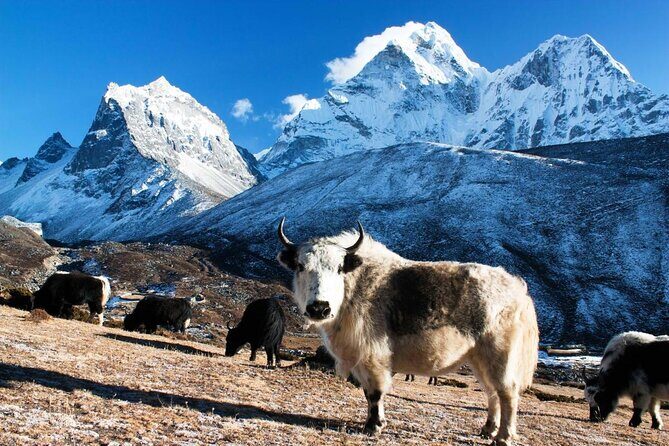
- Sherpa villages and monastery culture: your route is designed for more than peak views.
Why This Everest Base Camp Trek Starts with Lukla Flights
Most Everest Base Camp treks live or die by one thing: whether you can get to Lukla. This route starts in Kathmandu, then you fly to Lukla (2840m) and begin trekking from there, returning to Lukla before flying back to Kathmandu. That structure matters because it turns a days-long approach into a sharp mountain sprint with recovery time built in.
The good news is that this keeps the trek focused. You’re not spending a week trudging across lower valleys just to reach the famous part. Instead, you’ll spend your energy where it counts: climbing gradually, then hitting the Everest Base Camp zone after your acclimatization days.
The main consideration is simple: mountain weather. Some trips in this region can run late or shift timing. The best way to handle it is to travel with a calm brain and flexible expectations. When flights do slip, a well-run team is what turns a headache into an adjustment you barely notice.
You can also read our reviews of more hiking tours in Kathmandu



Kathmandu Days: Prep Without Feeling Like a Classroom
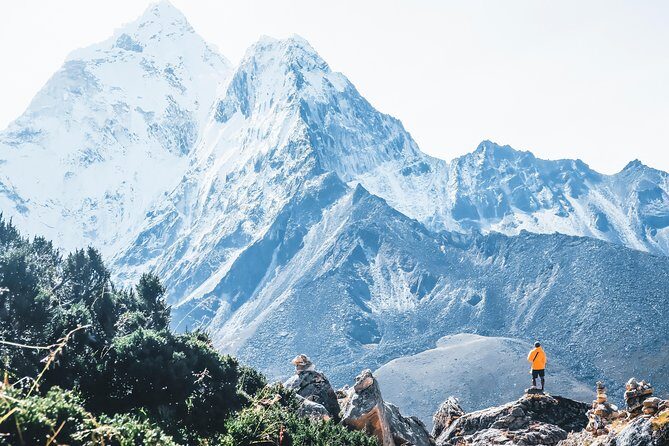
You start with Day 01: Welcome to Kathmandu, then Day 02 is your Kathmandu valley exploration plus trek preparation. I like this setup because it gives you a low-pressure entry. Instead of arriving and immediately worrying about crampons and packing lists, you get a chance to get oriented and then prepare for the real work.
You also have three nights in Kathmandu with breakfast included. That is not fluff. After long travel days, a real bed (and breakfast you don’t have to hunt for) helps you show up for Lukla with energy.
One more thing I appreciate is the emphasis on preparation before and after arrival, plus a medical kit and certificates. It’s the kind of support that helps when you’re trying to manage altitude, hydration, and day-to-day logistics in a place where conditions change quickly.
Day-by-Day Trek Rhythm: What Each Stop Really Does
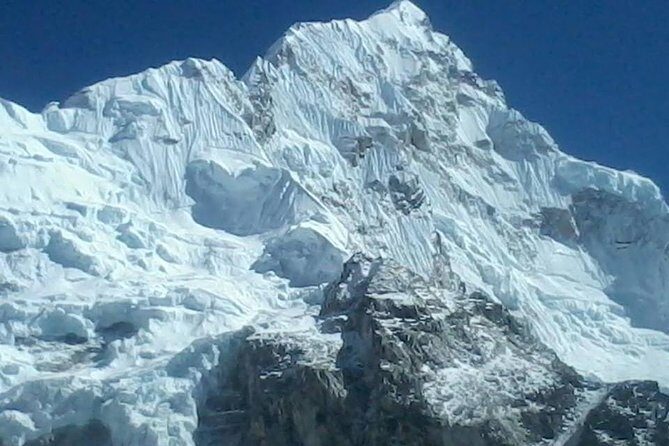
This trek is 15 days long and follows a classic path with a smart pacing pattern: climb, settle, acclimatize, then climb again. The biggest payoff is how the route builds altitude gradually instead of asking you to rush your body uphill.
Here’s how the trek typically feels as you move through it.
Day 03: Lukla to Phakding (2640m)
You land in Lukla, then hike to Phakding. This first walking day helps your legs wake up and your breathing adjust after the flight. It’s also your first taste of mountain village life at trekking altitude, where the air starts to feel different but you’re not yet at the hardest zones.
Day 04: Phakding to Namche Bazaar (3440m)
This is a step up day. Namche Bazaar sits at 3440m, so you’ll feel the thin air more clearly. I like this section because it forces you to slow down and listen to your body instead of pushing for speed.
Also, Namche isn’t just a stop sign. It’s a base for trekkers with services, tea house options, and the kind of busyness that helps the trek feel real. You’re not camping in the middle of nowhere—you’re moving through an active high-altitude hub.






Day 05: Acclimatization in Namche Bazaar
This is a day you’ll thank yourself for. Acclimatization days are built for altitude adjustment, not just sightseeing. Staying at Namche helps your body respond to the elevation before you go higher.
If you’ve ever ignored acclimatization on a climb, you know the bill always comes due later. This itinerary avoids that mistake by design.
Day 06: Namche Bazaar to Tengboche (3867m)
You climb again to Tengboche at 3867m. This is one of those days where the scenery starts feeling bigger and the work starts feeling more physical. The route also aligns with the trip’s focus on Sherpa culture, so you’re not just walking through altitude—you’re passing through places tied to local life and faith.
Day 07: Tengboche to Dingboche (4350m)
Now you’re at 4350m. Dingboche is a high-altitude village, and the day-to-day rhythm changes here. Breathing is harder at rest, and you’ll likely move with extra care on uneven ground.
Day 08: Acclimatization in Dingboche
Second acclimatization day. At this stage, it’s not optional. This one helps you handle the push toward higher elevations without turning the final stretch into a survival exercise.
Day 09: Dingboche to Lobuche (4931m)
You continue upward to Lobuche at 4931m. This is a big jump compared with earlier days, so expect the walk to feel steeper than the numbers suggest. The good strategy is simple: slow pace, steady steps, and plenty of breaks.
Day 10: Lobuche to Everest Base Camp via Gorak Shep (5170m)
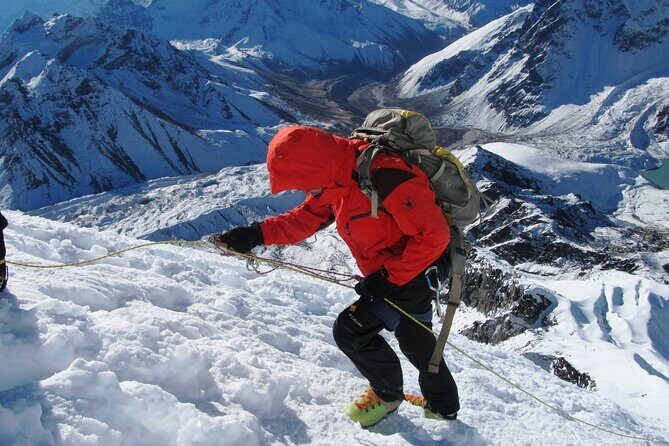
This is the summit-day setup, even if you’re not topping a peak. You’ll go through Gorak Shep and continue to Everest Base Camp, reaching the base camp area at about 5363m. The climb feels intense because you’re at high altitude and the terrain can feel relentless.
I like how this day is framed by a stop at Gorak Shep. It helps you understand that Base Camp is not just one moment—it’s a sequence of effort that ends with a payoff you can actually process.
Day 11: Everest Base Camp to Kalapatther (5545m), then Pheriche (4210m)
This day includes Kalapatther at 5545m, then drops to Pheriche at 4210m. That up-then-down pattern is key. It’s a reminder that on Everest routes, you don’t just climb forever—you often move higher for views, then descend for recovery.
I also appreciate that you’re not left stranded at maximum altitude without a plan. The return toward a lower high-altitude village helps your body catch up before the long trek back.
Day 12: Pheriche to Namche Bazaar
You start returning. That can feel either like relief or like a new kind of grind, depending on your legs. At this point, the trek is still active, but the direction helps your brain: you’re heading home.
Day 13: Namche Bazaar to Lukla
This is your last walking day before flying back. It’s also when you’ll notice whether your pacing paid off. If you kept things steady, you’ll feel tired but functional. If you pushed early, your knees and hips might complain louder.
Day 14: Early morning scenic flight to Kathmandu; valley exploration
You fly back to Kathmandu early, then use the rest of the day to explore the valley. That’s a great match for how you’ll feel after the trek: you’ll want light activity, good food, and a chance to look at Kathmandu at normal altitude.
Day 15: Departure
You depart after a final morning in Kathmandu. This gives you a clean ending and avoids the classic travel-day chaos that sometimes follows hard hikes.
Sherpa Culture Stops: More Than Postcard Stops
This trek’s highlights are not only about altitude. They include Sherpa culture, with visits to villages and monasteries. On the trail, those moments matter because they give context. You’re not just chasing a mountain—you’re moving through living communities with traditions that shape daily life at high elevation.
Tengboche and other village segments fit naturally into this theme. Even if you don’t go deep into every detail, the feeling is tangible: the route isn’t sterile. People run tea houses, you’ll likely meet locals, and monasteries and cultural sites give the trek meaning beyond the view.
And yes, the hospitality is part of why tea houses work. Family-run stays are built for trekkers, and the rhythm is familiar: warm rooms, simple food, and a chance to recharge properly before the next altitude jump.
Price and Value at About $1,500 Per Person
Let’s talk value in plain terms. At $1,500 per person, you’re not just paying for walking. You’re paying for a full package that includes:
- Airport pickup and drop
- 3 nights in Kathmandu with breakfast
- 11 nights in tea houses during trekking days with breakfast
- Guided support, including a guide and porter
- Kathmandu to Lukla flights and the return flights
- Meals during the trek (breakfast, lunch, dinner)
- Medical kit, certificates, and local taxes
- Preparation sessions before and after arrival
If you were to piece this together yourself, the biggest headaches would be coordinating flights, securing lodging at the right times, and finding reliable trekking support. Here, the structure is handled so you can focus on walking and acclimatizing.
What’s not included also matters for budgeting: visa cost, international airfare, insurance, drinks and beverages, and personal expenses (including tips and shopping). In other words, this price covers the core trek machine, but it doesn’t cover everything around it.
So the best way to judge it is this: if you want less planning stress and more time living inside the trek, this price makes sense. If you already have all logistics nailed and want a do-it-yourself version, it might feel expensive. For most people, the included flights, meals, and porter support are the value engine.
Flights, Delays, and Plan B: The Real-Life Test
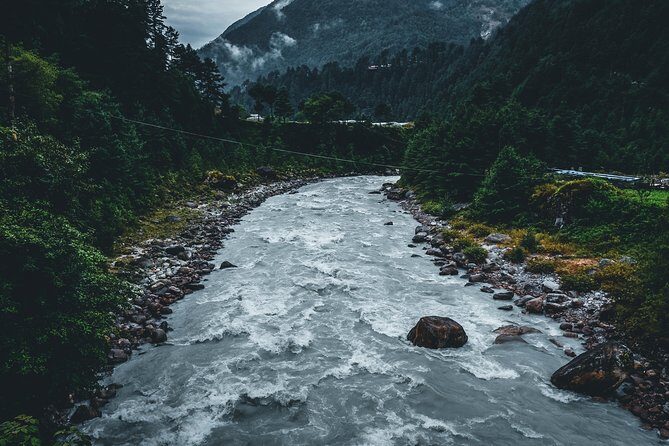
One pattern that stands out from the experience of others is how often real travel doesn’t follow the textbook schedule. Weather can affect the first days, and sometimes you might face last-minute booking changes.
This is where the team’s skill matters. Guides and the owner—names like Jiban, plus guides such as Tony, Tika, and Durga Kadel—are frequently praised for responsiveness and for handling adjustments with professionalism. I take that seriously, because on a route like this, the difference between a smooth day and a rough day is rarely the trek itself. It’s the ability to manage shifting timelines while keeping you calm.
My practical advice: build a little patience into your trip mindset. If something slips, don’t treat it as a personal failure. Treat it as mountain travel being mountain travel.
Who This Trek Suits Best (And Who Should Reconsider)
This trek is listed for people with moderate physical fitness. That’s a helpful clue: you don’t need to be an ultramarathon machine, but you do need to be comfortable walking for long periods and taking the altitude seriously.
This route is also physically draining in a real way. It’s not technical climbing, but the altitude and effort add up. If you’re older or you recover slowly, the porter and guide support becomes even more important. The trek’s acclimatization days help, but they don’t erase the effort.
You’ll likely enjoy this tour most if you want:
- A guided, private setup (only your group)
- Tea house comfort instead of camping
- Structured acclimatization days
- A cultural trek with village and monastery time
- A clear itinerary with flights already planned
You might think twice if:
- You’re extremely sensitive to altitude and can’t follow pacing advice
- You hate schedule uncertainty and get stressed by flight delays
- You want total control and self-planning with no support
Should You Book This Everest Base Camp Trek?
If your dream is Everest Base Camp with the least logistical stress, this is a strong option. The package is built for people who want the trek to feel guided and supported: flights to Lukla, tea house nights with breakfasts, meals on trek days, and real team help with packing and pacing.
I’d book it if you:
- Want private group trekking rather than a free-for-all
- Appreciate acclimatization planning at Namche and Dingboche
- Value the guide and porter team, especially on harder days
- Like the idea of Sherpa culture stops, not just mountain walking
I’d pause before booking if you:
- Have medical limitations around high altitude and can’t confidently manage them
- Cannot tolerate possible flight delays or last-minute adjustments
- Haven’t trained at all for long days on your feet
FAQ
How long is the Everest Base Camp trek?
The tour is listed at about 15 days.
What is the route to Everest Base Camp from Kathmandu?
You fly from Kathmandu to Lukla, trek from Lukla to Everest Base Camp, return to Lukla on foot, then fly back to Kathmandu.
What altitude does the trek reach?
The trek reaches Everest Base Camp at about 5363m, with other high points along the way such as Kalapatther at 5545m and Gorak Shep around 5170m.
Is this tour private?
Yes. It is described as private, meaning only your group participates.
What lodging is included during the trek?
You’ll stay in tea houses for 11 nights during trekking days, with breakfast included.
What meals are included?
During trekking days, breakfast, lunch, and dinner are included.
What’s included in the Kathmandu part of the trip?
You get 3 nights in Kathmandu with breakfast, plus pickup and drop connected to the airport.
What is not included in the price?
Visa cost, international airfare, drinks and beverages, insurance cost, and personal expenses (including tips and shopping) are not included.
What is the cancellation window for a full refund?
You can cancel up to 24 hours in advance of the experience start time for a full refund. If you cancel less than 24 hours before, the amount paid is not refunded.