REVIEW · KATHMANDU
Kathmandu: Momo Making Class with a Local Chef
Book on GetYourGuide →Operated by Epic Adventures Private Limited (EAPL) · Bookable on GetYourGuide
Momos get people talking fast. In Kathmandu, you’ll learn the full hands-on momo process—dough to dumplings to the plate—guided by a local chef in Thamel. I especially like how you actively shape and cook your own dumplings, and how you work with authentic ingredients used in momo prep. One catch: expect mess. If you hate getting flour on your clothes, plan ahead and wear stuff you can ruin.
This class runs for 1 hour in a small group limited to 8 participants, with instruction in English. You’ll follow a clear step-by-step flow: mixing dough, making the filling, folding dumplings, then cooking them, followed by tasting what you made. It’s not about fancy camera moments. It’s about getting your hands doing the work.
You’ll meet at Paknjaol Marg, opposite the Ganesh Temple, in the building of the delicious pizza—third floor—where Nepal Cooking School runs the session. Since transportation isn’t included, I’d pair this with a Thamel-focused day so you’re not rushing across the city before class.
In This Review
- Key things you’ll notice in this momo class
- Kathmandu momo class: skill you can reuse, not just a meal
- Where you meet in Thamel (and what to wear)
- The 1-hour momo making plan: dough, filling, folding, cooking
- 1) Start with the dough (your first mini win)
- 2) Build the filling (vegetables, spices, and optional meat)
- 3) Shape the dumplings (where most people get stuck)
- 4) Cook them (so you taste results, not theory)
- What the ingredients teach you about momo flavor
- Tasting your momos: sauces, sides, and honest feedback
- Small-group instruction in Thamel: why it matters
- Price and value for a 1-hour hands-on class
- Who should book this Kathmandu momo making class
- Should you book this momo class in Kathmandu?
- FAQ
- How long is the Kathmandu momo making class in Thamel?
- Where is the meeting point?
- Is the class taught in English?
- How many people are in the group?
- What will I do during the class?
- What’s included in the experience?
- What is not included?
- Can I cancel and get a full refund?
Key things you’ll notice in this momo class
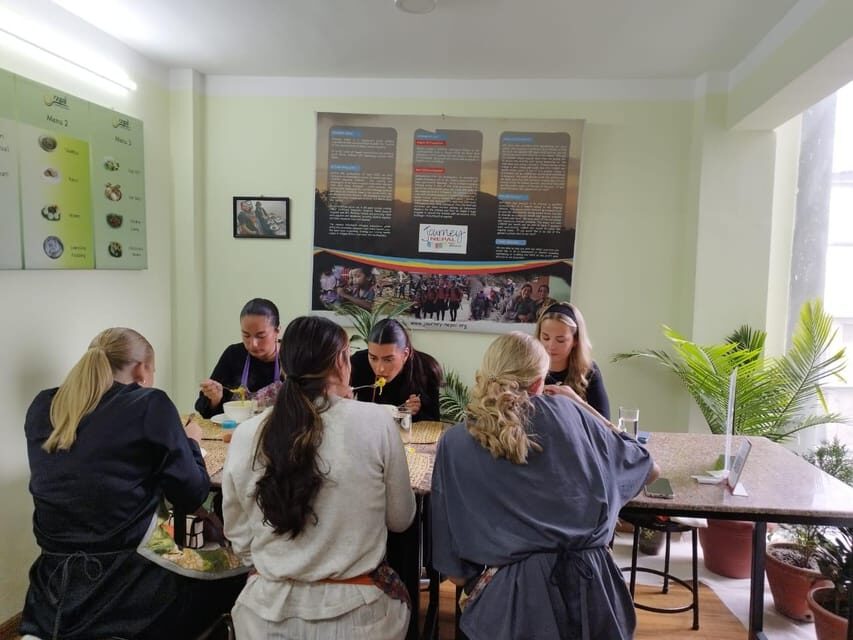
- You learn every step, not just watching someone else fold dumplings
- Small group size (up to 8) means you get more hands-on help
- English instruction keeps the technique clear as you go
- Authentic momo ingredients like flour, water, vegetables, spices, and options for meat or vegetarian filling
- You eat your own batch with dipping sauces or sides included with the meal
Kathmandu momo class: skill you can reuse, not just a meal
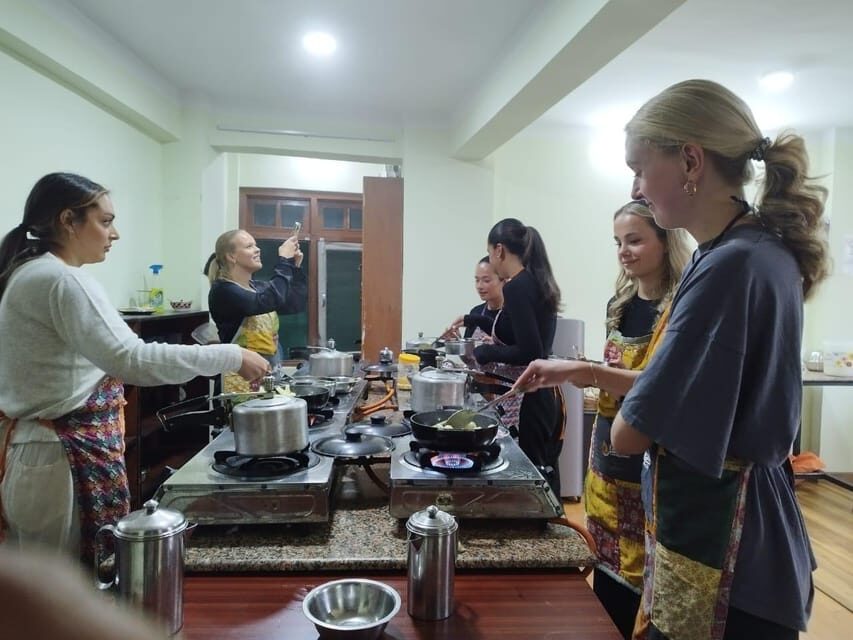
If you’ve ever tried to copy a momo video at home, you know the hard part isn’t the recipe. It’s the technique—getting the dough texture right, sealing the folds, and cooking without turning your dumplings into sad pancakes. That’s why this class feels practical. You’re not only learning what to do. You’re doing it, step by step, with guidance while your hands are actually covered in dough.
You’ll be working with momos native to Tibet, Nepal, and the Himalayan regions. That matters because it keeps the class grounded in the regional style of dumpling making, instead of turning it into a generic dumpling demo. The result is more than a tasty plate. It’s a repeatable process you can use again when you want dumplings that actually hold together.
The vibe from the experience is also very direct and helpful. One recent participant specifically mentioned that the cook explained a lot and was very supportive, and that the momos turned out well. That lines up with what you want from a short class: clear instruction, real feedback, and no time wasted.
A few more Kathmandu tours and experiences worth a look


Where you meet in Thamel (and what to wear)
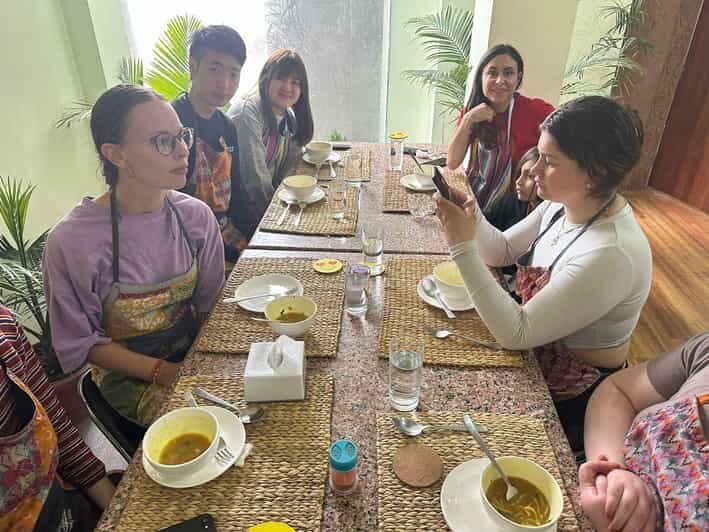
You’ll start at the Nepal Cooking School location in Thamel, with the meeting point at Paknjaol Marg opposite the Ganesh Temple, inside the building of the delicious pizza, third floor. The location is in a busy area, so I recommend arriving a few minutes early with your shoes ready for kitchen floors—because at some point you’ll definitely be standing where people prep food.
What to bring is simple and worth taking seriously:
- Comfortable clothes
- Clothes that can get dirty
- Ingredients (the class instructions list ingredients as something to bring)
That last one is worth a quick check before you go. Even though the class includes ingredients for momo preparation, the “what to bring” list still calls out ingredients. In practice, that usually means either you bring a few specifics or you’re expected to follow the confirmation message. Either way, bring what they ask for so you don’t feel stuck halfway through.
And yes: the class is hands-on. Flour and dough happen. If you normally baby your wardrobe, you’ll want a backup outfit.
The 1-hour momo making plan: dough, filling, folding, cooking
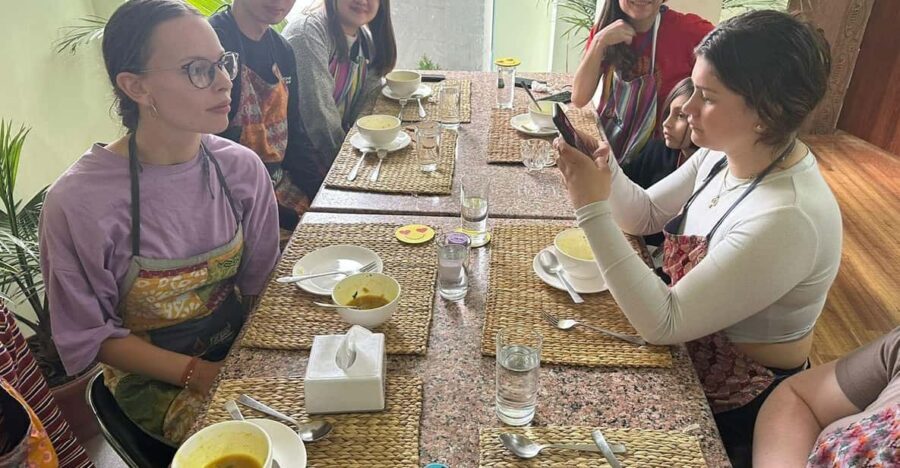
The schedule is tight—everything happens inside a 1-hour block—so the best way to enjoy it is to focus on technique, not speed. Here’s what you can expect as the session unfolds.
1) Start with the dough (your first mini win)
You’ll begin by preparing the dough. This is where you learn how the mixture comes together using flour and water, and how to handle it into something workable. In a short class, dough-making is usually taught as a feel-based skill: how it should look, how it should feel, and what “working” means with your hands.
For you, this is the foundation. If your dough is too dry, folding gets hard. Too wet, and your dumplings can lose shape. Getting a basic handle on dough texture in one session is a huge value, because it’s exactly the part people usually guess at when cooking at home.
2) Build the filling (vegetables, spices, and optional meat)
Next comes the filling: vegetables plus spices and seasonings, and ground meat if you’re not going vegetarian. The class is built around authentic momo-style ingredients, so you’re not just mixing random flavors. You’re learning the flavor logic behind a classic Himalayan dumpling.
This stage also teaches balance. Filling shouldn’t be sloppy or watery, or it’ll leak during shaping. So you’ll get practice handling ingredients in a way that supports clean folds.





3) Shape the dumplings (where most people get stuck)
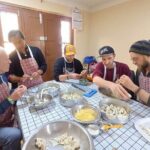
This is the real “hands-on” moment. You’ll fold your dumplings as you learn the steps to form them correctly. The class setup is designed for participation in every phase, so you’re not stuck as a spectator while someone else does the fun part.
Shaping is also where you’ll feel the benefit of having an instructor in English who can explain what to do. Even if your technique isn’t perfect on the first batch, you’ll understand what “good” looks like and why.
4) Cook them (so you taste results, not theory)
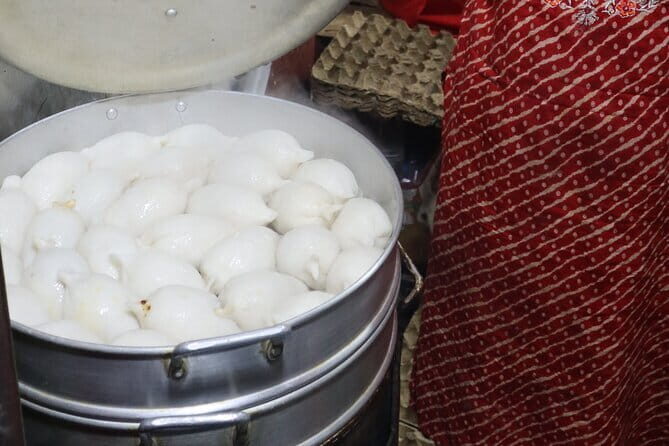
After shaping, you cook the momos. The information you’re given highlights cooking as part of the class, so you’re not leaving with uncooked experiments. You’ll get to see how your dough and sealing choices hold up under heat.
For me, this is a key part of why a short class can still feel complete: you get outcome feedback quickly. If a dumpling opened, you’ll see it. If your dough was too thick, you’ll feel it. That feedback is what turns cooking into a skill instead of a one-time meal.
What the ingredients teach you about momo flavor
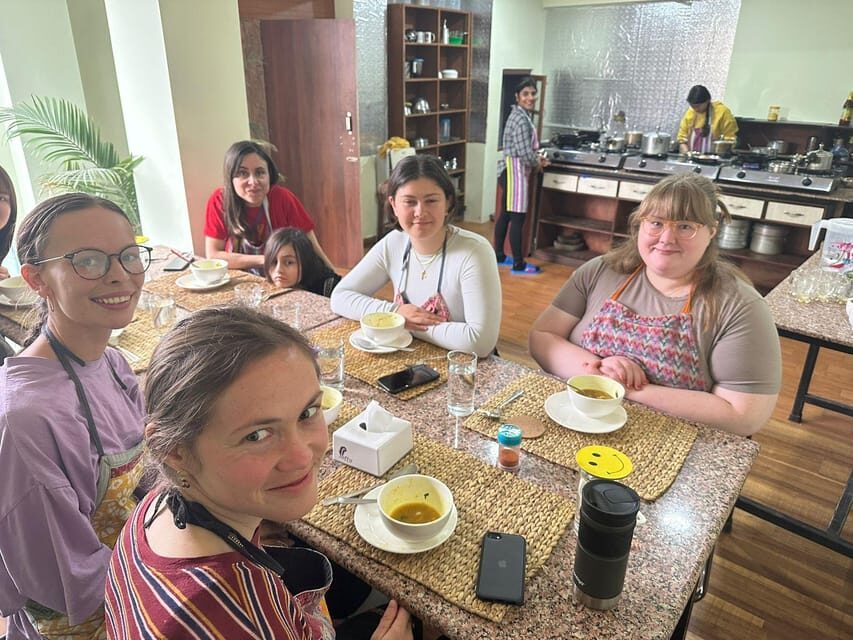
The class doesn’t just hand you a list of items. It centers the ingredients commonly used in momo preparation. That includes:
- Flour and water for the dough
- Vegetables
- Spices and seasonings
- Ground meat if you choose not to keep it vegetarian
Working with these ingredients matters because momo flavor is built through simple parts. You learn that you don’t need complicated gadgets; you need correct handling. Dough needs the right moisture and mixing feel. Filling needs seasoning and structure. Folding needs technique to keep contents together.
And because you’re actually making the dumplings, you’ll likely notice which step affects the final taste most. People usually guess the seasoning matters most. Then they taste and realize the sealing and dough texture have a big influence too.
Tasting your momos: sauces, sides, and honest feedback
After you cook your momos, you’ll eat what you made. The meal is typically served with dipping sauces or sides, which helps you understand the full flavor experience of momos rather than just dumpling-on-its-own.
I like tasting as part of the class because it creates a clear feedback loop. You can connect what you did—dough thickness, folding style, filling amount—to what you taste. If the dumplings were tender but not sealed well, you understand why. If they held nicely but felt plain, you can imagine how seasoning would change next time.
One verified participant said their momos tasted very good, and that the cook explained a lot and was helpful. That’s exactly what you should look for in a class like this: supportive instruction plus food that matches your effort.
Small-group instruction in Thamel: why it matters
This class caps at 8 participants, and the instructor teaches in English. That combination is more important than it sounds. In a larger group, you can end up doing one step and watching others do the rest. Here, the structure encourages participation in every phase—mixing dough, making filling, shaping dumplings, and cooking.
For you, that means less waiting and more direct correction. When you’re learning something hands-on, small-group sizes reduce the time you spend guessing. You get clearer cues in the moment, and that’s how you leave feeling confident rather than confused.
Price and value for a 1-hour hands-on class
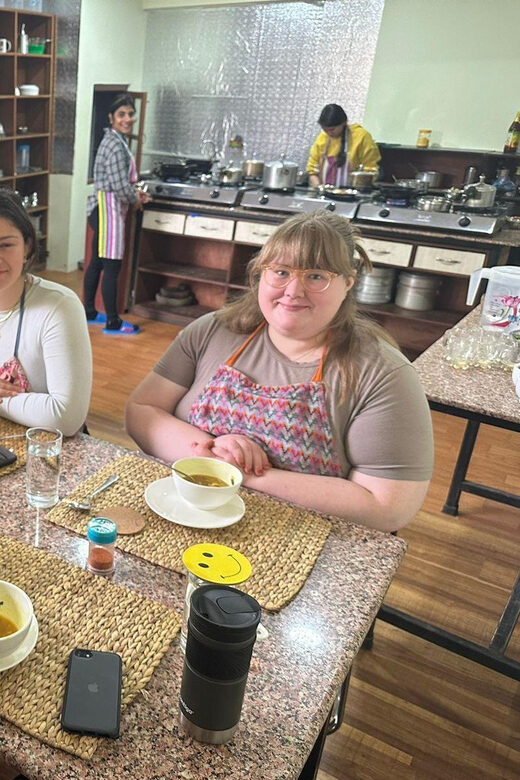
There’s no price listed in the info I was given, but you can still judge value. Here’s the practical value equation for this experience:
- You get 1 hour of instruction rather than a quick “try it once” stop
- You receive ingredients for momo preparation
- You finish with a meal made from your own work
- A small group of up to 8 supports more real guidance
- It’s based in Thamel, a convenient base area for short culinary activities
Also, your costs outside the class are limited: transportation to and from the class isn’t included, and personal expenses are on you. If you’re already in or near Thamel, this is the type of activity that doesn’t balloon into a half-day mission. You get a focused skill plus a satisfying plate.
Who should book this Kathmandu momo making class
I’d point you to this class if you want:
- A hands-on cooking session where you do the shaping and cooking
- An English-taught experience in Kathmandu
- An intro to momo technique without needing a multi-hour commitment
- A friendly, supportive kitchen environment
It’s especially great for first-timers. You’ll learn the basics: dough, filling, folding, cooking—then taste the results. If you already know how to make dumplings, you might still enjoy it for technique coaching and ingredient handling, but the class is best seen as an efficient first step rather than a deep, long apprenticeship.
Should you book this momo class in Kathmandu?
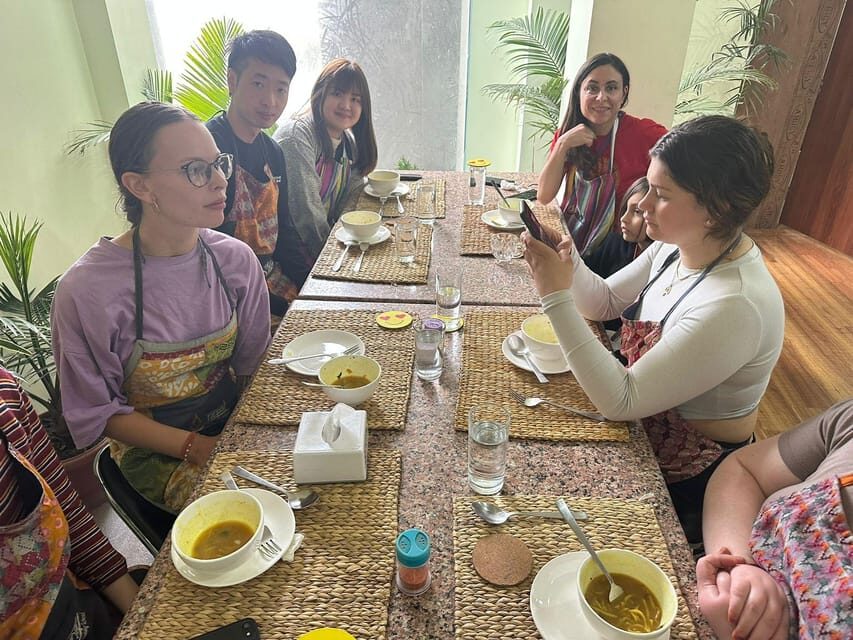
If you want a straightforward, participatory cooking experience in Thamel, I’d book it. You’re getting a complete arc in one hour: dough to dumplings to tasting, with English instruction and a small group that keeps you involved.
Book it if you’re okay getting a little messy and you enjoy learning by doing. Skip it only if you’re looking for a lecture-style cultural talk or you want zero hands-on food work. This class is for people who like their learning practical—and their lunch earned.
Provider is Epic Adventures Private Limited (EAPL). If you’re the type who likes clear start times, check availability for the 1-hour sessions, and plan to arrive early so you can settle in before hands start flying with flour.
FAQ
How long is the Kathmandu momo making class in Thamel?
The class lasts 1 hour.
Where is the meeting point?
You meet on Paknjaol Marg, opposite the Ganesh Temple, in the building of the delicious pizza, third floor.
Is the class taught in English?
Yes, the instructor teaches in English.
How many people are in the group?
The class is a small group limited to 8 participants.
What will I do during the class?
You’ll learn to make momos by preparing the dough, making the filling, shaping the dumplings, and cooking them. You’ll also taste the dumplings you make.
What’s included in the experience?
Included are the 1-hour momo making class, an experienced chef or instructor, a chance to taste your creations, and ingredients for momo preparation.
What is not included?
Transportation to and from the class location and personal expenses are not included.
Can I cancel and get a full refund?
Yes. You can cancel up to 24 hours in advance for a full refund.