REVIEW · KATHMANDU
Kathmandu UNESCO Heritage Tour with Local Food Tasting
Book on GetYourGuide →Operated by Adventure Himalaya Nepal Pvt. Ltd. · Bookable on GetYourGuide
Food and temples, on a single morning. I love the climb to Swayambhunath from Thamel, where prayer flags and monk chanting make the hilltop feel calmer than the streets below. I also like how the guide frames Kathmandu Durbar Square so the carvings, courtyards, and the Kumari window feel like living culture, not just old stone.
I really like the way this tour turns the last stop into a real food crawl. At Asan Market you can eat as much as you like, including favorites like momo, samaybaji, yomari, bara, chatamari, and more, then reset with an Indrachowk lassi. One consideration: you’ll be walking a fair bit through crowded lanes and temple stairs for about five hours, so comfortable shoes matter.
In This Review
- Key Highlights You’ll Care About
- How This 5-Hour Kathmandu Loop Fits Together
- Swayambhunath Stupa: Monkey Temple Views and Calm Buddhist Space
- Kathmandu Durbar Square and the Kumari Window
- Asan Market: Everyday Commerce Plus Snack Time
- The Food Tasting Menu: Classic Nepali Bites You Can Eat Your Fill
- Guide, Transport, and the Small Things That Make It Work
- Value Check: Is $64 a Good Deal for a One-Day UNESCO + Food Day?
- Who Should Book This Tour (and Who Might Prefer a Different Day)
- Should You Book This Kathmandu UNESCO Heritage and Food Tour?
- FAQ
- What does this Kathmandu tour include?
- How long is the tour?
- Where are the pickup and drop-off locations?
- Is this tour private?
- What language is the guide?
- What Nepali foods will I taste?
- Is the Kumari included in the experience?
- What is not included in the price?
- Is there free cancellation?
Key Highlights You’ll Care About
- Swayambhunath on a guided walk gives you context for the Buddhist culture you’re seeing
- Durbar Square with Kumari viewing and the stories behind sacred icons like Kal Bhairav and Swet Bhairav
- Asan Market free time to shop, watch everyday commerce, and nibble on local snacks
- A full Nepali tasting list that’s more than a quick sample, including both savory and sweet bites
- Private, English-speaking guiding plus transport, entrance fees, and water included in the price
How This 5-Hour Kathmandu Loop Fits Together
This is the kind of Kathmandu day that makes the city’s contrasts make sense. You start down in Thamel’s busy streets, then you go upward to the hilltop peace of Swayambhunath. After that, it’s UNESCO temples and sacred traditions at Kathmandu Durbar Square, before you finish in Asan’s everyday market energy.
What makes the format work is the pacing. Each major site gets guided time, then you get short pockets of freedom at the market for shopping and extra bites. That mix is ideal if you want more than photos, but you still don’t want a full day of constant marching.
Also, you’re not doing it solo. This is a private group with an English-speaking guide, plus transportation and entrance fees taken care of. For many people, that turns a complicated day into something simple and doable.
You can also read our reviews of more food & drink experiences in Kathmandu
Swayambhunath Stupa: Monkey Temple Views and Calm Buddhist Space
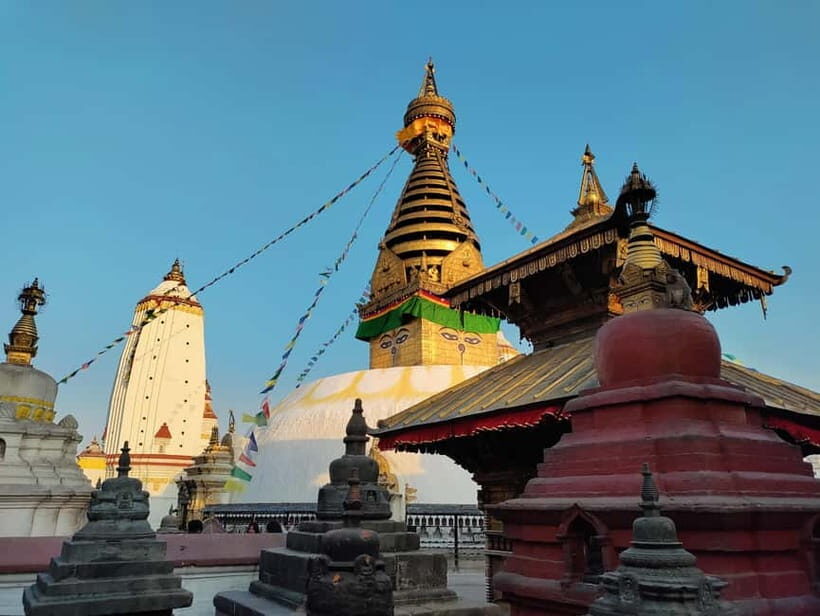
Swayambhunath is often called the Monkey Temple, and you’ll immediately see why people use that nickname. The climb up from the city feels like a switch flips: the lower streets stay loud and crowded, but the stupa area is more reflective.
Your guide’s job here is to help you read what you’re looking at. You don’t just stroll through; you learn the Buddhist culture and history tied to the stupa, and you notice details you might otherwise miss. Prayer flags, the quiet rhythm of ritual space, and the soundscape of monks chanting all add to the feeling that this is a spiritual working site, not a museum.
Timing is a big deal at Swayambhunath. With about an hour of guided time, you get enough structure to understand the place, but you still have room to slow down and look. If you’re the kind of person who enjoys sky views, you’ll also appreciate the panoramic perspective over the Kathmandu Valley from up on the hill.
Practical tip: plan on taking your time with stairs and uneven walkways. Even if you’re fit, the temple area is active, and you’ll want a steady pace to soak it in.
Kathmandu Durbar Square and the Kumari Window
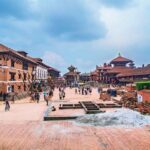
Kathmandu Durbar Square is UNESCO territory, and it shows. This is where the city’s sacred architecture and royal-era craftsmanship stand out: temples, carved wood, and courtyard spaces that still belong to living traditions.
The big moment here is the chance to see the Living Goddess Kumari. When you witness the Kumari appearing at her window, it lands differently than seeing a statue. It’s a reminder that this place is tied to Nepalese belief and ceremony today, not just in textbooks.
You’ll also learn about key sacred icons in the square, including Kal Bhairav and Swet Bhairav. The guide connects these symbols to what they mean locally, so the carvings and shrine areas feel purposeful rather than decorative. That’s a huge value add, because Durbar Square can feel like a maze if you’re walking on your own.
With about an hour guided, you can focus on the parts that matter instead of spending the time guessing where to go. If you care about architecture, religious iconography, or how traditions continue in public space, this stop is the heart of the day.
One note for your expectations: this is a working heritage site. You’ll see lots of movement and daily activity around the square, so it’s best to keep your camera ready but your mind open to how busy and human these sacred places are.
Asan Market: Everyday Commerce Plus Snack Time
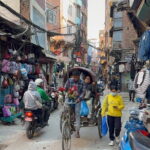
Asan Market is where Kathmandu feels like a marketplace, not a postcard. Spices, grains, seasonal produce, textiles, and brassware show up in the stalls around you, and you get a front-row seat to day-to-day trade.
You get guided time first, then free time for shopping and local snacks. That structure matters. The guide’s explanations help you understand what you’re seeing, and then you can choose how you want to spend the time—browse, chat, pick up small souvenirs, or just follow the smells to another snack stall.
This is also where the tour shifts from sightseeing to eating as part of the culture. Your guide keeps you moving through the food tasting stops, but the market setting makes it feel like a natural extension of the day. You’re not in a single restaurant with food delivered to you; you’re walking through a place where locals actually buy what they use.
If you enjoy street markets, Asan is a satisfying finale. If you don’t like crowds, you’ll want to keep close to the guide and wear shoes that handle uneven ground.
The Food Tasting Menu: Classic Nepali Bites You Can Eat Your Fill
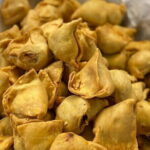
This is the section that surprised me the most in the best way: you don’t get a token taste. The tour includes a proper assortment of Nepali foods, and you can eat as much as you like during the tasting window.
Here’s what’s on the tasting list:
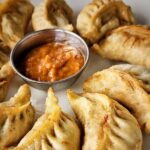
- MoMo (Nepali dumplings)
- Newari samaybaji, a ceremonial platter with beaten rice, marinated meat, fried eggs, and pickles
- Yomari (sweet steamed dumpling filled with jaggery)
- Bara (savory lentil pancake)
- Chatamari (rice flour crepe often called Nepali pizza)
- Gwaramari (crispy fried bread)
- An Indrachowk lassi to cool down the flavors
Savory and sweet both show up, and that’s key for getting the full picture of Nepali snack culture. If you’re used to street food being small and random, this menu feels organized—but still very local.
Also, if you’re worried about ordering or what to try, you’re off the hook. The guide helps steer you through what you’re eating and what it means. That makes the food part of the cultural story, not just calories.
Practical advice: eat at a comfortable pace. Even with a tasting plan, some items are fried and some are richer. If you pace yourself, you’ll enjoy the whole variety instead of losing steam halfway through.
A few more Kathmandu tours and experiences worth a look


Guide, Transport, and the Small Things That Make It Work
A day like this can go sideways fast if the logistics are messy. That’s why the guide matters, not just for facts but for flow.
Rajan D., one of the guides, is specifically mentioned for making the day smooth and insightful. The tone you want in a guide like this is confident and caring, and Rajan’s style comes through as attentive and flexible—especially if your group needs small timing adjustments during a busy street day. You’ll also ride with a driver who’s described as skillful and welcoming, which helps when you’re bouncing between hilltop and city-center streets.
Transportation and entrance fees are included, so you’re not constantly thinking about tickets or ticket counters. You also get a bottle of drinking water, which is a quiet comfort when you’re out for about five hours.
This is also a private group. That matters in places like Durbar Square and Asan Market, where walking patterns can get disrupted by crowds. In a private group, your guide can keep you moving in a way that fits your pace.
Value Check: Is $64 a Good Deal for a One-Day UNESCO + Food Day?
At $64 per person for about five hours, this is a strong value if you add up what’s included. You’re paying for:
- Guided visits at key heritage stops
- Entrance fees for those sites
- Transport
- An English-speaking guide
- A bottle of water
- Local food tasting with a long menu
- Government taxes
If you tried to do this on your own, you’d likely spend time figuring out routes and tickets, and you’d still need to find food options that match what’s traditional and worth tasting. Here, the guide does the filtering for you—especially at Durbar Square, where learning the meaning of icons and the Kumari tradition adds a lot of value.
The food list alone is a big part of the pricing logic. This isn’t just one snack and a drink. It’s a set of meaningful Nepalese dishes, including Newari samaybaji and sweets like yomari, plus a refreshing lassi.
So for a short visit to Kathmandu, this is a good way to get both heritage and eating done without turning your day into a puzzle.
Who Should Book This Tour (and Who Might Prefer a Different Day)
This tour is best for you if you want a guided Kathmandu day that blends culture and food. If you like religious sites but also want the snack breaks to feel purposeful, this hits the mark.
It’s also a solid pick if you prefer English guidance and a private group format. You’ll get clearer context at each stop, and you won’t have to negotiate your way through crowded areas as much.
On the other hand, if you dislike walking for around five hours, temple stairs, and busy market lanes, you may want to choose a shorter or more minimal itinerary. The day is active, and the culture is best appreciated when you slow down and actually look.
Lastly, if you’re the type who enjoys food as part of travel stories, you’ll probably love how the tasting list connects with local traditions instead of treating it like a random buffet.
Should You Book This Kathmandu UNESCO Heritage and Food Tour?
I’d book it if your trip has limited time and you want the core Kathmandu highlights in one guided flow—Swayambhunath’s hilltop spirituality, Kathmandu Durbar Square with the Kumari window and iconic shrine stories, and Asan Market for real daily-life energy plus a generous Nepali tasting.
I’d skip it only if you want a low-walking day or you don’t care about learning the meaning behind religious symbols. Since this is guided and food-focused, the payoff is highest when you show up ready to walk, taste, and ask questions.
If that sounds like you, this is a practical, good-value day that pairs heritage with the kind of food you’ll actually remember.
FAQ
What does this Kathmandu tour include?
It includes guided visits to Swayambhunath Stupa, Kathmandu Durbar Square, and Asan Market, plus a local food tasting and an English-speaking guide. Entrance fees for the sites, transportation, a bottle of drinking water, and government taxes are also included.
How long is the tour?
The tour duration is 5 hours.
Where are the pickup and drop-off locations?
Pickup is available from Thamel or Kathmandu. Drop-off is also available in Thamel or Kathmandu.
Is this tour private?
Yes, it’s listed as a private group.
What language is the guide?
The live tour guide speaks English.
What Nepali foods will I taste?
The tasting includes MoMo, Newari samaybaji, Yomari, Bara, Chatamari, Gwaramari, and an Indrachowk lassi.
Is the Kumari included in the experience?
You have a chance to see the Living Goddess Kumari during the Durbar Square portion of the tour.
What is not included in the price?
Personal expenses are not included.
Is there free cancellation?
Yes. Free cancellation is available up to 24 hours in advance for a full refund.