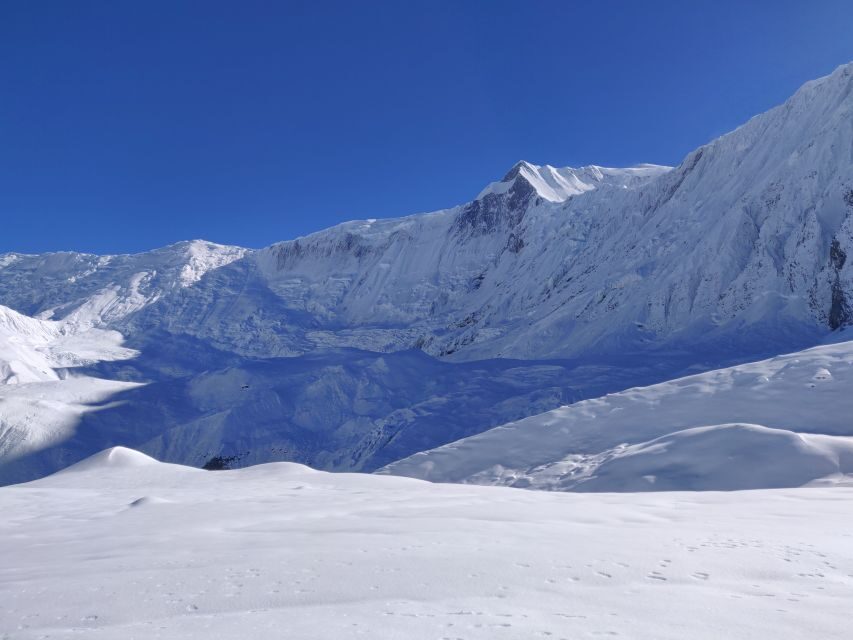
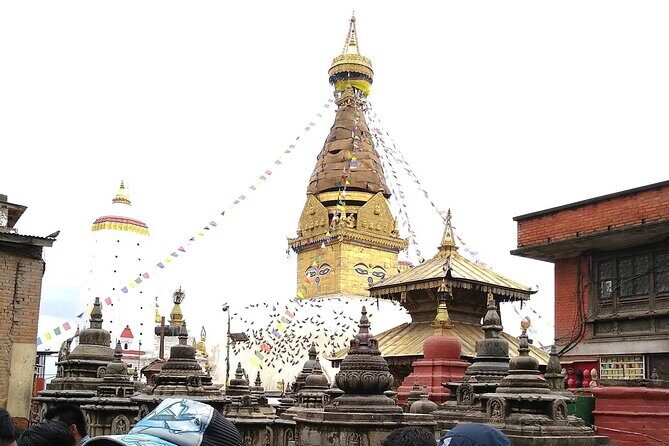
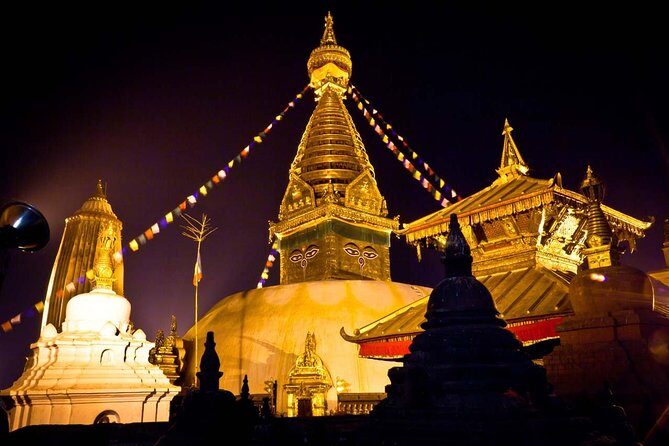
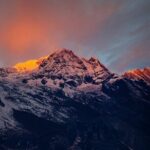
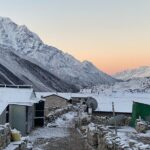
A quiet valley, a big mountain view. That’s the feel of this Langtang Valley Trek: an 8-day plan with a local guide, porters, and teahouse stays that let you focus on the trail instead of logistics. I like that the route is designed for a lower-stress altitude profile and still delivers serious Himalayan scenery, plus chances to see yaks grazing and meet Tamang culture along the way.
The best part for me is the human support. This is a small group (max 15), and you’ll hike with a licensed English-speaking guide and porters (the usual setup is 2 trekkers to 1 porter). I also like that you can borrow a down jacket and sleeping bag during the trek. One thing to consider: the mountain lodges are basic, and you’ll be walking about 6–7 hours per day, so bring a realistic pace and hiking layers.
In This Review
- Key things that make this trek worth your time
- Why Langtang feels like the smarter Himalayan option
- The guiding team: practical, calm, and there when you need them
- Your daily schedule: 6–7 hours of hiking and basic teahouse nights
- Kathmandu to the trailhead: the included bus you’ll actually appreciate
- Price and value: what the $700 covers (and what it doesn’t)
- What’s covered
- What you should expect to pay separately
- Borrowed gear: down jacket and sleeping bag, with a catch
- Accommodation expectations: what “basic” really means for your comfort
- Who this trek is best for (and who should think twice)
- Should you book this Langtang Valley Trek?
- FAQ
- How many days is the Langtang Valley Trek?
- How many hours do I hike each day?
- What’s included for accommodation and meals?
- What trekking gear is provided?
- Do you travel by bus from Kathmandu to the trek area?
- Are park fees and permits included?
- Is medical or emergency evacuation insurance included?
- Can I cancel for a full refund?
Key things that make this trek worth your time
- Small group size (max 15) for more personal guidance on the trail
- 7 nights in basic teahouses plus most meals during trekking
- Porter support (2 trekkers : 1 porter) to help you travel lighter
- Down jacket + sleeping bag on request, with return required after the trek
- Route that doesn’t push to high altitude, with a trailhead close to Kathmandu
- Local bus transport included between Kathmandu and Syabrubesi
Why Langtang feels like the smarter Himalayan option
Langtang is often a great pick if you want that Nepal trek feeling—mountain views, mountain villages, and daily walking—without going so high that altitude becomes your main problem.
This route is known for a lower altitude approach, which matters because it keeps the days more about steady hiking and culture than constant altitude management. You’re also not stuck on a remote, multi-day travel day before you even start: the trek head is reached with a short drive out of Kathmandu via included local bus.
On top of that, you’re not hiking in a bland corridor. Expect wide valley scenes, glimpses of Tamang culture, and the kind of everyday rural moments that make mountain trekking feel real—like seeing yaks out in open areas as you go deeper into the valley.
You can also read our reviews of more hiking tours in Kathmandu


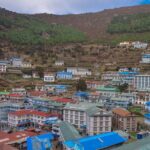
The guiding team: practical, calm, and there when you need them
On paper, “local guide + porters” can sound like a standard package. In real life, it’s the difference between a trek that feels handled and one that feels stressful.
Here, you’re trekking with a licensed English-speaking guide, and porter support is included. The porter ratio is set as 2 trekkers to 1 porter, which usually means you’re not hauling everything yourself. That’s especially helpful on days where you’re moving for 6–7 hours and still want to enjoy the scenery instead of grinding through fatigue.
I’m also paying attention to names because it helps you picture the vibe. In past trips, the guide Ram Krisna has been described as cheerful, caring, and especially attentive to a younger sister, with the group feeling comfortable and safe walking with him and the porter team. Another trek leader mentioned is Lochan Gurung, paired with porters John and Nabin—described as kind and supportive throughout. You can’t guarantee which staff you’ll get, but it’s a useful signal that they staff for care, not just “pointing the way.”
Your daily schedule: 6–7 hours of hiking and basic teahouse nights
Let’s talk about the rhythm. Most days are built around about 6–7 hours of walking, which is active but not extreme. You’ll move through valleys, then climb and descend in that typical Himalayan trekking pattern where your effort is steady, not stunt-level.
Each night is at a basic tea house along the route. Basic doesn’t mean uncomfortable by default—it means you’re trading hotel-style service for mountain simplicity. Think straightforward rooms, simple facilities, and the real value being location: you’re close to where the next day starts, and the day’s hiking comes with a built-in rest stop.
If you dislike “basic,” this is your reality check. If you like getting cozy after a long walk, these teahouses can feel perfectly fine—especially because your cold-weather needs are supported by the gear borrowing policy (more on that below).
Kathmandu to the trailhead: the included bus you’ll actually appreciate
One of the sneaky hassles on many treks is getting to the starting village. Here, you have Kathmandu–Syabrubesi–Kathmandu by local bus included, which is a big time-saver.
You also get pickup offered, which helps if you don’t want to hunt for transportation right when you arrive. And because the trek head is close to Kathmandu compared to some Nepal routes, you’ll spend less of your trip in transit and more of it doing the thing you came for.
Practical tip: build in patience. Local buses are part of travel culture, not a high-speed transfer. But since it’s included, you don’t have to negotiate it yourself.
Price and value: what the $700 covers (and what it doesn’t)
At $700 per person, you’re not paying for luxury. You are paying for the trekking “engine”: guide, porter support, permits, and the on-trail food and beds that add up fast.
Here’s the value story in plain terms:





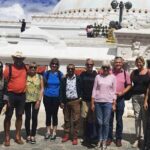
What’s covered
- 7 nights’ teahouse accommodation during the trek
- Most meals while trekking, with meals structured as B/L/D during the trekking days
- National Park fees and TIMS fees
- Licensed English-speaking guide + porter, including their related expenses
- Sleeping bag, down jacket, and duffel bag provided upon request (and you return them after)
- Local bus between Kathmandu and Syabrubesi
What you should expect to pay separately
- Accommodation in Kathmandu
- Lunch and dinner in Kathmandu
- Emergency evacuation expenses (if anything goes wrong)
- Personal insurance (medical, accident, rescue/heli if needed)
- Personal trek equipment
- Personal extras: drinks, bottled water, laundry, phone bills, and other small incidentals
- Tipping for field staff
So is $700 good value? For most active travelers, yes—because it includes a lot of the items people usually end up paying separately: permits, guiding, porter labor, and the bulk of meals.
But if you already own trekking gear and you’re traveling with lots of flexibility, you may still feel the cost—because this plan is built around “everything set up for you,” not DIY budgeting.
Borrowed gear: down jacket and sleeping bag, with a catch
Cold on the trail is about timing. Even when a trek stays relatively low in altitude, mornings and nights can get chilly fast.
This tour helps by letting you borrow:
- a down jacket
- a sleeping bag
- a duffel bag
It’s an efficient deal if you’re packing light or traveling with limited space. The only catch: these items must be returned after the trek, so don’t treat them like souvenirs.
If you’re a careful packer, this setup is one less gear headache. If you’re the type who prefers to use your own sleeping system, you might still want your gear—but you’ll be choosing that convenience knowing the tour already provides core warmth tools.
Accommodation expectations: what “basic” really means for your comfort
Tea house lodging is basic by design, and that shapes your comfort more than the mountain itself.
What I’d plan for:
- simple rooms and limited comfort features
- a focus on warm layers and sensible rest
- the fact that you’ll be tired after 6–7 hours of hiking, so you’ll care most about sleep and warmth, not amenities
Since meals are mostly handled during the trekking portion, your biggest daily variables become how you pace and how well you manage clothing layers. Your borrowed down jacket and sleeping bag make the nights more predictable.
Who this trek is best for (and who should think twice)
This trek fits best if you want:
- a shorter, active Himalayan trek (roughly 8 days)
- a route that keeps altitude pressure more manageable
- guided hiking with porter support
- a cultural experience through daily village life and Tamang culture
It may be a weaker match if you:
- want high-end comfort at every stop
- dislike basic teahouse accommodation
- prefer solo or self-guided trekking without staff and porter systems
A “moderate physical fitness” level is the right target. If you can handle sustained walking for hours at a steady pace, you’re in the right zone.
Also note: the plan needs at least 2 people per booking, and it’s limited to max 15, so it’s built as a small-group experience rather than a big, mixed crowd.
Should you book this Langtang Valley Trek?
I’d book it if you like your Nepal trekking experience structured: someone handles permits, meals, and logistics, and you get a local guide and porter support while still experiencing the real trail.
I’d think twice if your idea of travel comfort means private, fancy rooms every night—because tea houses here are basic. Also, if you don’t have an insurance plan, you should sort that before you go; emergency evacuation isn’t included.
If you want an authentic, active Himalayan intro with a calmer altitude profile and real cultural days, Langtang Valley Trek is one of those trips that makes sense on paper—and then makes even more sense once you’re out there walking.
FAQ
How many days is the Langtang Valley Trek?
It’s listed as 8 days (approx.).
How many hours do I hike each day?
You hike around 6–7 hours per day.
What’s included for accommodation and meals?
You get 7 nights of teahouse accommodation during the trek, plus meals during trekking (breakfast, lunch, and dinner following the itinerary pattern). Lunch and dinner in Kathmandu are not included.
What trekking gear is provided?
You can borrow a down jacket, a sleeping bag, and a duffel bag upon request. These items must be returned after the trek.
Do you travel by bus from Kathmandu to the trek area?
Yes. Kathmandu to Syaprubesi and back to Kathmandu is included by local bus.
Are park fees and permits included?
Yes. National Park fees and TIMS fees are included.
Is medical or emergency evacuation insurance included?
No. Personal insurance and any emergency evacuation expenses are not included.
Can I cancel for a full refund?
Yes. You can cancel up to 24 hours in advance for a full refund. If you cancel less than 24 hours before, you won’t get a refund.