REVIEW · KATHMANDU
Momo Making Class in Kathmandu with Pickup & Drop off from Hotel
Book on Viator →Operated by Relax Getaways · Bookable on Viator
Momos taste different when you make them. This momo making class in Kathmandu pairs a short, practical cooking lesson with a guided ingredient run, so you’re not just copying a recipe—you’re choosing what goes into your filling and then turning it into steamed momos (or soup momo). The class runs at 1 PM from the Kathmandu Cooking Academy in Thamel, with optional hotel pickup across Kathmandu Valley to make the whole thing easier.
I especially liked two parts. First, the hands-on coaching means you get step-by-step guidance on dough and filling, not vague tips. Second, you can make choices based on your preferences (vegetarian/vegan or chicken), and the chef stays responsive so you’re not stuck doing it one exact way.
One possible drawback: the whole experience is about 2 hours, so it’s more about learning the core technique than mastering a dozen momo styles. If you want deep practice or lots of variations, plan on doing a bit of extra cooking on your own afterward.
In This Review
- Key Highlights You’ll Feel During the Class
- First Stop: Kathmandu Cooking Academy in Thamel
- Picking Ingredients at the Market Before You Touch Dough
- Dough and Filling: Step-by-Step, Not Guesswork
- Shaping Your Momos: Steamed vs Soup Style
- The Tasting Session and Nepali Masala Tea
- Price and Value: Why $29 Can Make Sense
- Logistics: Pickup, Group Size, and Where You End Up
- Who This Momo Class Is Best For
- Should You Book This Kathmandu Momo Making Class?
- FAQ
- What time does the momo making class start?
- How long is the experience?
- Do you offer hotel pickup in Kathmandu?
- What filling options can I choose?
- Can I make both steamed momos and soup momo?
- Is food and drink included?
Key Highlights You’ll Feel During the Class
- Guided market tour for your momo filling so you hand-pick ingredients instead of starting blind
- Steamed momos or soup momo option lets you pick the style you’ll enjoy eating most
- Small group size (up to 10 people) for real attention from the instructor
- Tasting session included, plus complimentary Nepali masala tea
- Optional hotel pickup within Kathmandu Valley to reduce time spent figuring out transport
First Stop: Kathmandu Cooking Academy in Thamel
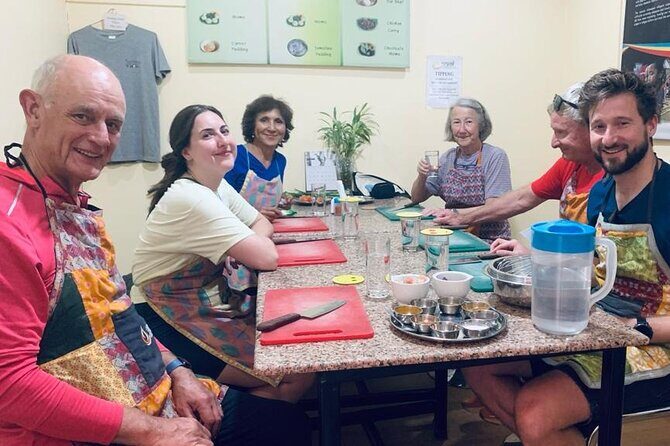
You’ll start at the Kathmandu Cooking Academy, located on Yapikhya Marg in the Thamel area of Kathmandu. Meeting here matters because Thamel is where most visitors land, so the class feels attached to real visitor logistics, not some far-off commute.
The timing is straightforward: the class begins at 1 PM and is planned to run for about 2 hours. When a cooking class is that short, you want clear instruction and efficient pacing—and that’s exactly what this setup is built for. You’ll meet your local expert chef, get oriented, and then get moving toward ingredients and dough.
What I like about this kind of meeting point is that you can show up without stress. You don’t need a complicated schedule, and you’re not trying to squeeze the class between two major sightseeing plans. It’s simply a focused food experience.
A few more Kathmandu tours and experiences worth a look


Picking Ingredients at the Market Before You Touch Dough
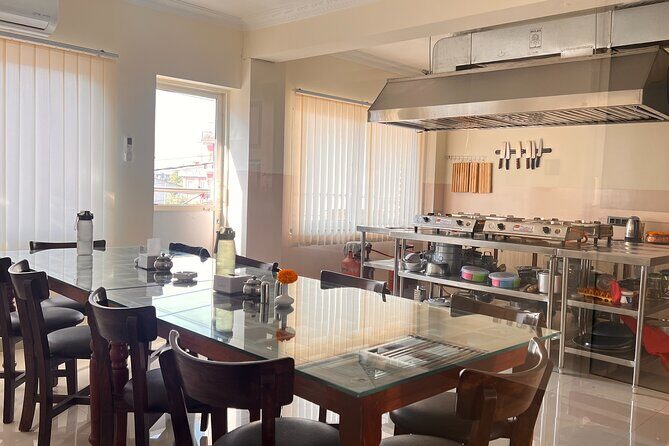
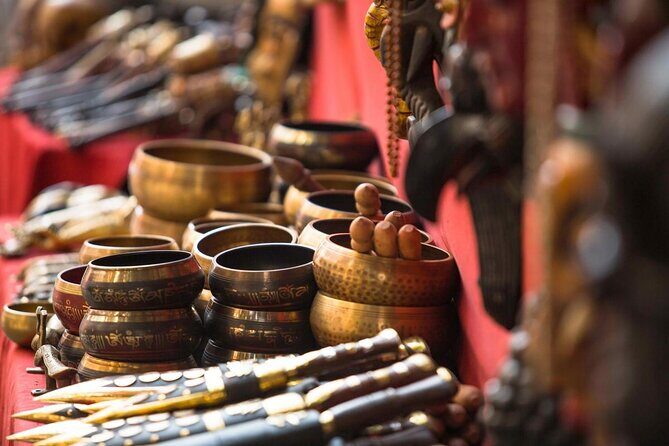
Before any rolling or folding happens, you go on a guided market tour to select fresh ingredients for your momo filling. This is one of the best parts for me, because it turns cooking into a small cultural lesson with practical payoff.
Instead of receiving a pre-packed list and hoping the ingredients behave, you choose what goes into your filling—then you learn how the dough and filling work together. That’s the difference between cooking as a task and cooking as understanding.
You’ll choose the filling option, with vegetarian and vegan options and a chicken option available. The benefit here is simple: you can pick what you’ll actually want to eat, rather than forcing your preferences into someone else’s default menu.
A quick practical tip: markets move fast and items are sometimes described differently than what you’re used to at home. If you want specific textures or flavors, say so early in the tour. The better your direction, the easier it is for the instructor to help you shape what you’re making.
Dough and Filling: Step-by-Step, Not Guesswork
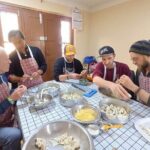
Back at the academy, the class shifts into real skill-building. You’ll learn how to prepare the dough and filling from scratch, guided by the instructor step-by-step.
The part I value most here is that dough is where many first-timers struggle. Getting the dough right affects everything: how momos seal, how tender they become, and how they hold up in steaming. In a short class, that kind of targeted instruction is gold.
You’ll also learn what goes into the filling and how to handle it so it stays pleasant and workable when you’re shaping. Cooking classes can sometimes focus heavily on the final form and skip the fundamentals. This one does the opposite: it gives you the base first, then you shape.
Also, the experience is set up so you can make specific requests. In a feedback-style note from an earlier guest, the biggest compliment was the ability to tailor the class to individual needs. If you’re someone who learns better by asking questions or adjusting how you do a step, this format is designed for you.
Shaping Your Momos: Steamed vs Soup Style
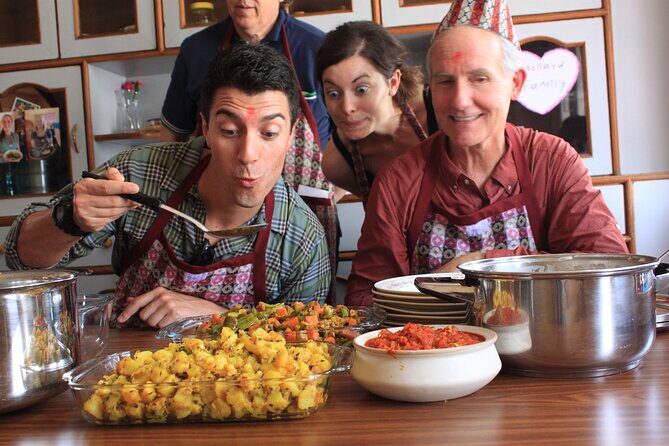
Once the dough is ready and the filling is prepared, you’ll shape your momos. You’ll then decide between two styles:
- Traditional steamed momos
- Soup momo, where the experience shifts from just dumplings to dumplings-with-a-different eating experience
That choice matters because you’re not locked into one outcome. If you love the classic fork-friendly steamed version, you’ll enjoy repeating something familiar. If you’re curious about soup momo, you get a fun twist that feels more like an entire dish than just a snack.
Shaping itself is where you’ll feel the hands-on teaching. Expect to learn how to form and seal them so they cook properly. In a group of up to 10, you’re more likely to get corrections before you build a pile of dumplings that might not behave the way you want.
One more reason I think this is a good use of time: you’re doing the process end-to-end. You touch dough, you handle filling, you shape, you cook, then you eat. That loop is what makes the lesson stick.
The Tasting Session and Nepali Masala Tea
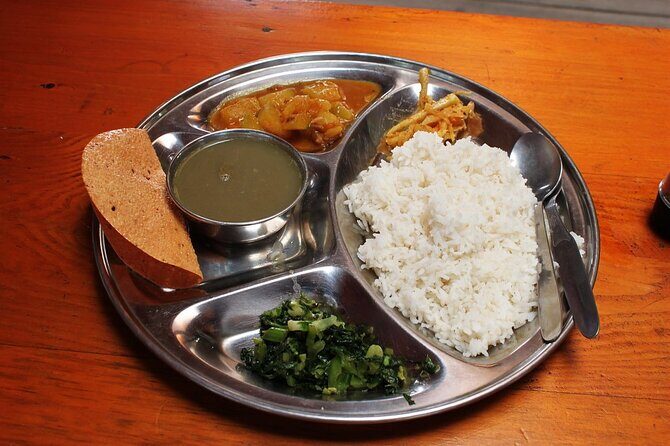
When your momos are ready, you get a tasting session of what you made. Fresh food after hands-on work always hits differently, and this is exactly that moment: you eat momos that just came off the cooking workflow you followed.
You’ll also receive complimentary Nepali masala tea. This pairing is not just a nice add-on—it’s a practical way to round out the experience. Tea helps balance the heat, spice, and dumpling richness, and it makes the class feel like it belongs to daily Nepali routines rather than being a stand-alone tourist performance.
I also like that the tasting is included. Many classes end with you cooking and then hoping you’ll get to taste something good. Here, the class builds toward your reward while your skills are still fresh in your head.





Price and Value: Why $29 Can Make Sense
At $29 per person, the value mostly comes from what’s included, not just the teaching time. In this class, you’re getting:
- a guided market tour to pick ingredients
- hands-on instruction for dough and filling from scratch
- use of the cooking equipment and accessories
- a tasting session
- complimentary Nepali masala tea
- optional hotel pickup and drop-off within Kathmandu Valley
For a short 2-hour window, that’s a lot of “done for you.” Someone else handles the ingredient logistics and the teaching flow, and you focus on learning and eating.
Is it expensive compared to buying ingredients and cooking at home? Sure, but most people don’t pay $29 just for dumplings. They pay because they want the structure, local guidance, and a reliable outcome. And if you’re already in Kathmandu for a limited number of days, saving time matters.
The experience also mentions group discounts, which can help if you’re traveling with friends. Even if you’re solo, the small group setup (max 10) helps keep the class from feeling like a crowded factory line.
Logistics: Pickup, Group Size, and Where You End Up
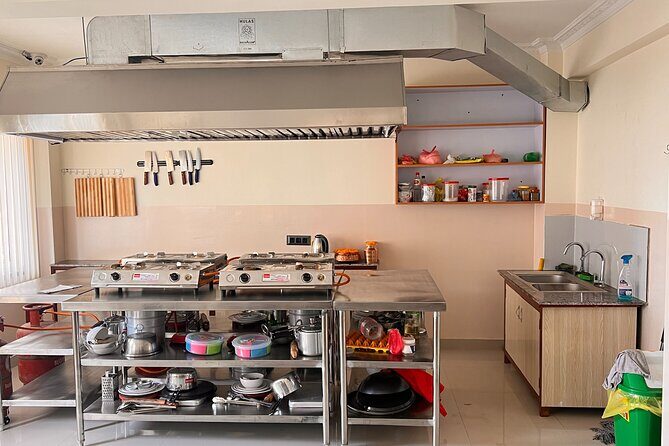
If you’re staying in Kathmandu, the class can be simpler than you’d expect thanks to optional pickup. The hotel pickup and drop-off within Kathmandu Valley is listed as optional, so you’re not forced into it. If you’d rather walk or use local transport, you may still be able to meet at the academy directly.
The class ends back at the meeting point. That is a nice detail because you can plan your afternoon without guessing where you’ll be dropped.
The group cap is up to 10 travelers, which keeps attention from getting diluted. In cooking classes, the instructor-to-person ratio is a big deal because dough mistakes and sealing problems happen quickly. Smaller groups make it easier to get corrections early.
Also, you’ll get a mobile ticket, and confirmation is received at booking. That’s useful if you hate scrambling the day-of for paper proof.
Who This Momo Class Is Best For
You’ll likely enjoy this class most if you fall into one of these categories:
- You want a hands-on Nepali cooking experience rather than just watching someone cook
- You like learning by doing, especially with a clear step-by-step method
- You’re visiting Kathmandu and want an activity that feels local, not just sightseeing
- You want a flexible outcome with vegetarian/vegan or chicken filling and the steamed vs soup momo choice
It’s also a good fit for couples or small groups because the pacing is predictable and the group stays small.
If you’re the type who wants a long multi-course meal experience, this might feel shorter than you want. But for learning technique and leaving with confident next steps, it hits the sweet spot.
Should You Book This Kathmandu Momo Making Class?
I think you should book it if you want the best version of a beginner-friendly cooking class: guided ingredient picking, clear dough and filling instruction, and a real tasting at the end. The market tour adds context you can feel while you cook, and the steamed vs soup momo choice helps you tailor the class to your preferences.
Skip it only if you’re mainly looking for a relaxed cultural show with minimal work. This is hands-on. You’ll shape and cook, and that’s the point.
If your Kathmandu schedule includes a free afternoon around 1 PM, this is a strong value way to turn local flavors into a skill you can repeat at home.
FAQ
What time does the momo making class start?
The class starts at 1 PM.
How long is the experience?
It lasts about 2 hours.
Do you offer hotel pickup in Kathmandu?
Yes, hotel pickup and drop-off within Kathmandu Valley is available as an optional add-on.
What filling options can I choose?
You can choose a filling option such as vegetarian/vegan or chicken.
Can I make both steamed momos and soup momo?
You choose between traditional steamed momos and soup momo as part of the class options.
Is food and drink included?
Yes. You’ll have a tasting session of your prepared momos, and you’ll get complimentary Nepali masala tea.